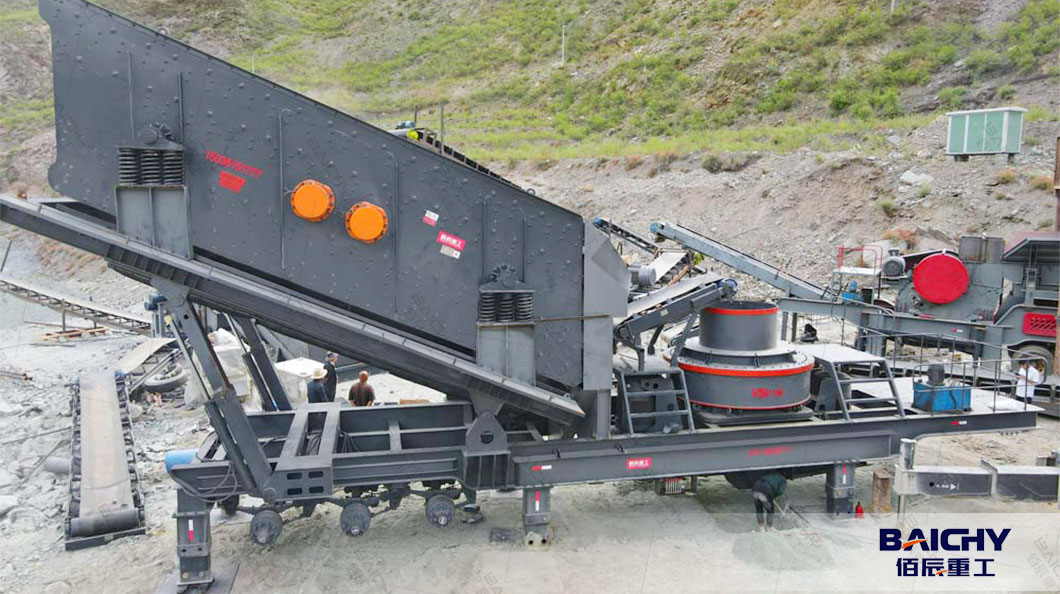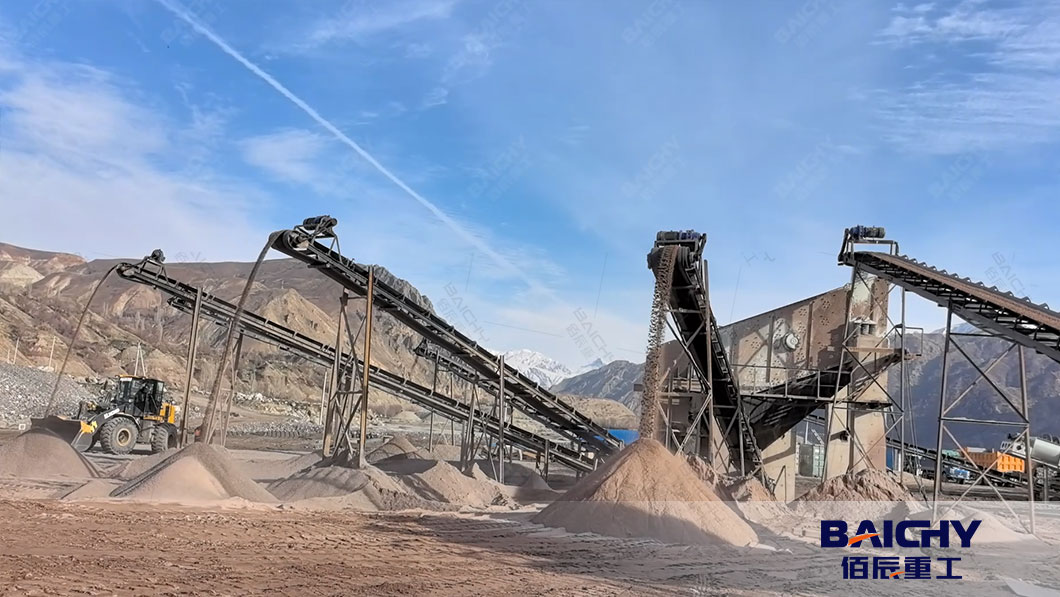
The global demand for high-quality manufactured sand (M-sand) has driven a massive shift from stationary plants to mobile solutions. While stationary setups are traditional, Mobile Sand Plants offer unmatched flexibility for multi-site projects and decentralized infrastructure development. However, the most frequent question from quarry owners is: "How much does a mobile sand plant cost?" Pricing is not one-size-fits-all. It depends on chassis type, crushing technology, and automation levels. This guide breaks down the realistic price ranges.

Price is primarily dictated by TPH (Tons Per Hour). Based on current market data for high-quality equipment (such as Baichy Machinery standards), here are the estimated price brackets:
Small Scale (30–60 TPH):60,000–60,000–130,000
Ideal for: Small road construction, rural infrastructure, and pilot projects
Medium Scale (70–150 TPH):130,000–130,000–380,000
Ideal for: Commercial M-sand suppliers and medium-sized quarry contractors.
Large Scale (200–400+ TPH):400,000–400,000–850,000+
Ideal for: Mega-infrastructure projects, large-scale mining, and heavy industrial aggregate production.
Why is there such a wide price gap? Several technical factors contribute to the final invoice:
A. Chassis Type: Wheeled (Portable) vs. Tracked (Mobile)
As experts in the field, we distinguish between these two:
Wheeled (Portable) Plants: Usually 20%–30% more affordable. They use a trailer-mounted chassis and require a truck head for transportation. These are the most cost-effective for sites with road access.
Tracked (Mobile) Plants: Higher price point due to the hydraulic self-propelled system. They offer full-terrain mobility and are essential for rugged mining environments.
B. The Crushing Unit (VSI vs. Fine Impact)
The "heart" of the plant matters. A plant equipped with a Vertical Shaft Impact (VSI) crusher (e.g., Baichy VSI6X series) generally costs more than one with a standard fine impact crusher. However, the VSI ensures cubical grain shape, which allows you to sell sand at a higher market price.
Dual-Power (Diesel/Electric): Higher upfront cost but offers flexibility in "no-power" zones (common in Africa and SE Asia).
Pure Electric: Lower initial price but requires a generator or grid connection.
When evaluating a "Mobile Sand Plant Price," don't overlook these operational expenses:
● Shipping & Logistics: Depending on the destination (e.g., Saudi Arabia, Philippines, or Russia), freight can add 5%–15% to the cost.
● Wear Parts: Budget for rotors, tips, and screening mesh. High-quality alloy parts reduce long-term costs.
● Foundation-Free Benefits: Remember that mobile plants save 10,000–10,000–30,000 in concrete foundation and installation costs compared to stationary plants.
| Feature | Economy Configuration | Baichy Professional Configuration |
| Feeding System | Vibrating Feeder (Manual control) | Intelligent Frequency Conversion Feeder |
| Sand Making | Standard Impact Crusher | VSI High-Efficiency Sand Maker |
| Control System | Analog Switchboard | PLC Intelligent Control System |
| Lubrication | Manual Grease | Automatic Thin Oil Lubrication |
The Mobile Sand Plant Price is a reflection of its efficiency, mobility, and the quality of the sand it produces. At Baichy Machinery, we specialize in non-welded modular frames and high-performance VSI mobile plants that minimize downtime and maximize profit.
Ready to start your M-sand business? Contact our engineering team with your rock type (basalt, granite, or pebble) and desired TPH. We will provide a detailed technical layout and a transparent price quotation within 24 hours. Click Here to Get the latest Mobile Sand Plant Price List
Save Time! Get A Detailed Quotation Quickly.