Bauxite is the main raw material used for producing alumina and aluminum. Before entering the refining process, raw bauxite ore must be crushed into suitable particle sizes to improve transportation efficiency and prepare the material for further processing. A bauxite crusher plays a critical role in reducing large bauxite rocks into smaller particles with consistent sizes.
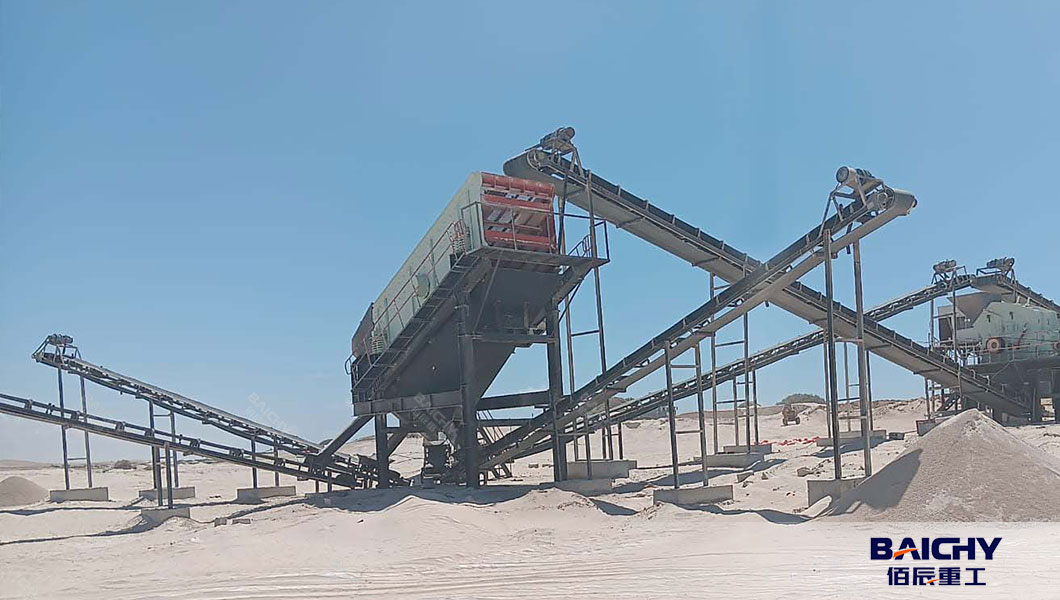
Because bauxite ore usually contains different levels of hardness, moisture, and clay content, selecting the right crushing equipment directly affects production capacity, energy consumption, and operating costs. A well-designed bauxite crushing plant normally combines primary crushing, secondary crushing, screening, and conveying systems to achieve efficient ore preparation.

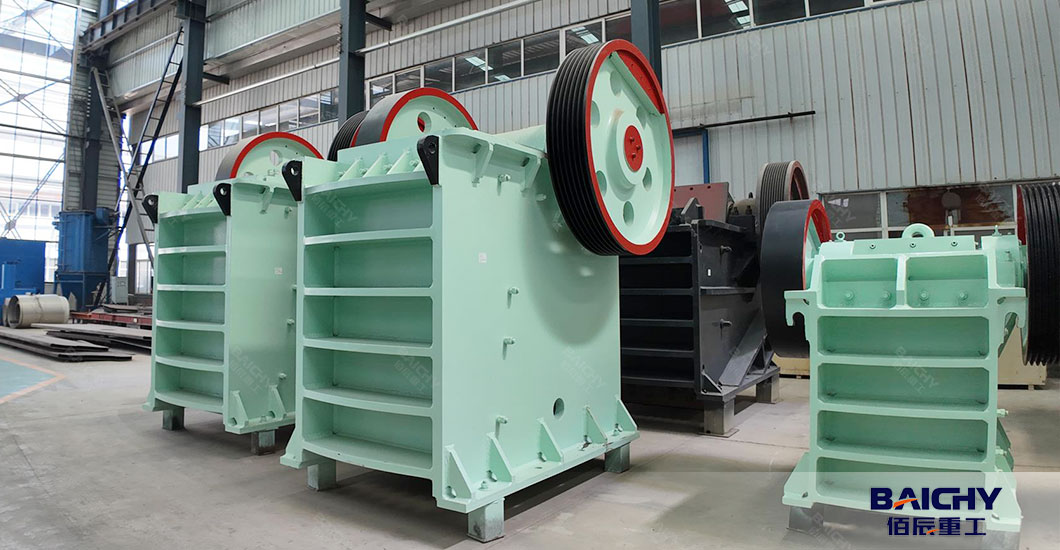
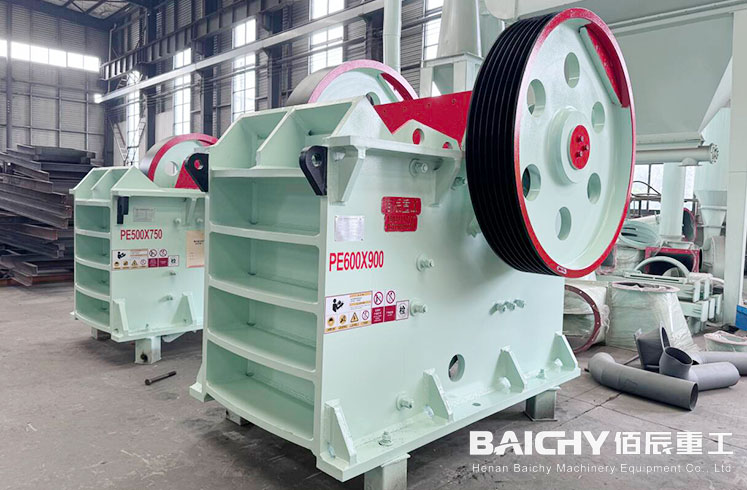
Jaw crushers are one of the most commonly used machines for the first stage of bauxite crushing. They are suitable for handling large pieces of raw ore because of their strong crushing force and simple structure.
A jaw crusher reduces bauxite through compression between two crushing plates. It is highly reliable and performs well in mining environments where large feed sizes and high production stability are required.
Advantages of jaw crushers for bauxite include:
● Large feeding capacity
● Strong resistance to wear
● Simple maintenance
● Stable operation
For most bauxite mines, the jaw crusher is the preferred choice for coarse crushing.
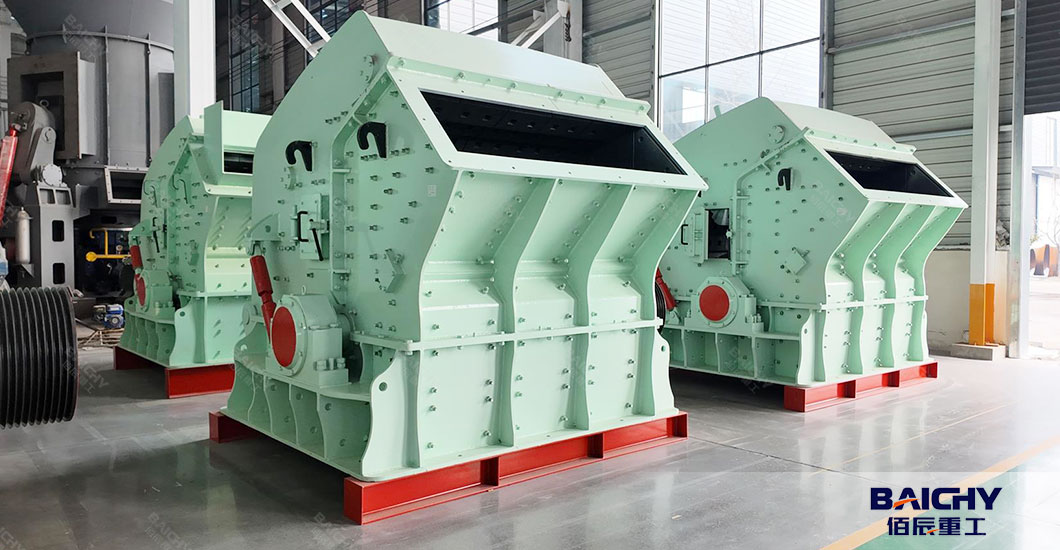
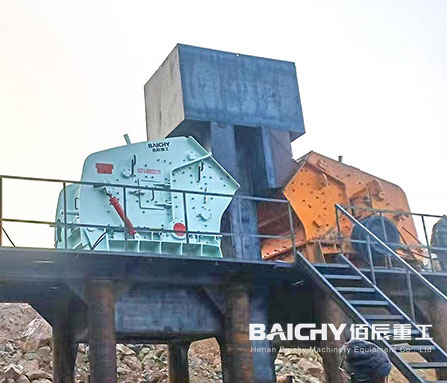
Impact crushers use high-speed impact force to break materials. They are often used after primary crushing to further reduce bauxite particle size and improve product shape.
Compared with compression crushers, impact crushers can produce more cubic-shaped particles, which may be beneficial for some applications requiring better particle distribution.
Impact crushers are suitable when:
● The bauxite is relatively soft
● A smaller output size is required
● Higher reduction ratios are needed
However, highly abrasive bauxite may increase wear on impact components, so material characteristics should be considered before selection.

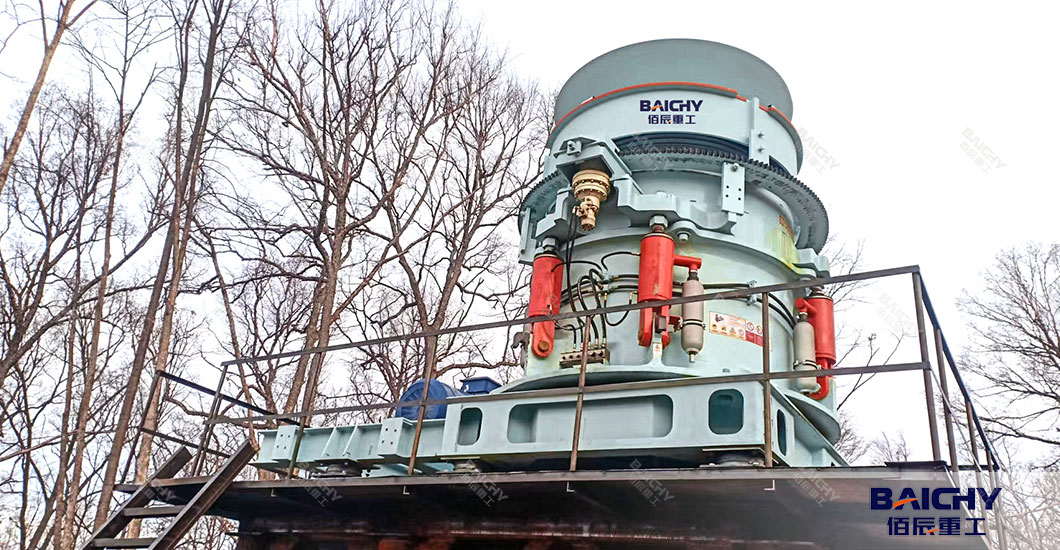
Cone crushers are used for secondary or fine crushing applications, especially when processing harder bauxite ores and requiring stable output size.
They use compression crushing between a moving cone and a fixed crushing chamber. Cone crushers are known for their high efficiency and good performance in continuous mining operations.
A suitable bauxite crusher provides several advantages for mining operations:
● Improves ore handling efficiency
● Reduces transportation costs
● Creates suitable feed size for refining
● Increases overall production efficiency
● Reduces equipment downtime
An optimized crushing system helps mining companies achieve stable production while controlling operating expenses.
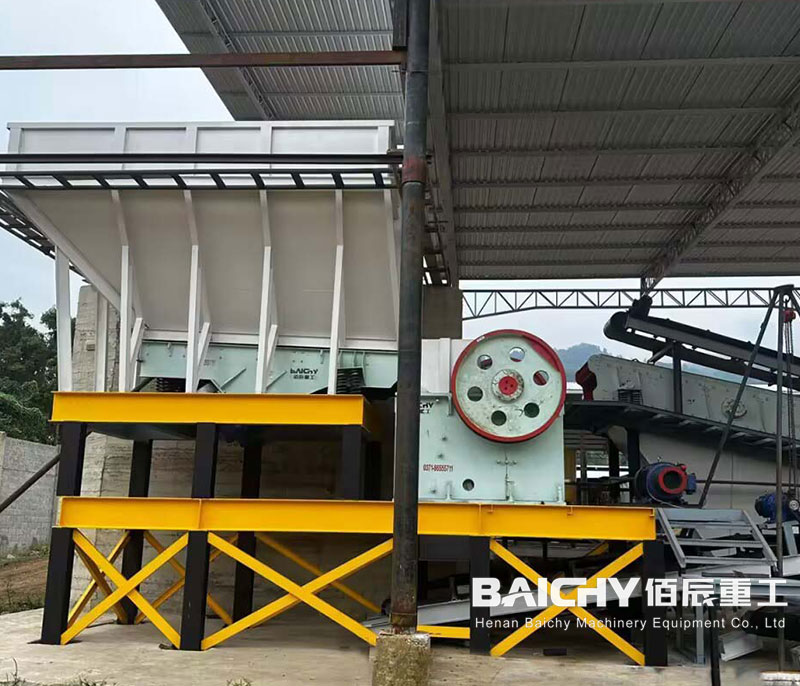
Guinea holds the world's largest bauxite reserves. Baichy Machinery recently commissioned a 200 TPH complete bausite crushing line featuring:
Vibrating Feeder
PE7500x1060 Jaw Crusher (Primary)
PYB2200 Cone Crusher (Secondary)
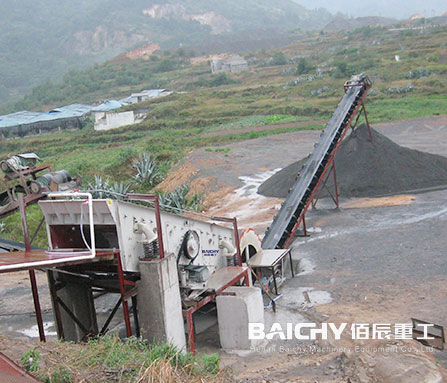
Vibrating Screens for precision sizing.
Result: The client achieved a 15% reduction in energy costs and a consistent grain size of 0-25mm, perfect for their refinery requirements.

For most bauxite mines, a combination of jaw crushers, secondary crushers, vibrating screens, and conveyors provides an effective crushing solution. Before investing in equipment, miners should consider ore characteristics, production capacity, and final product requirements. Working with an experienced crusher manufacturer can help design a customized bauxite crushing plant that meets specific mining conditions and delivers long-term performance.
Save Time! Get A Detailed Quotation Quickly.