If you're in the aggregate or mining industry, you know that producing high-quality manufactured sand is both an art and a science. A critical decision point in any sand production line is choosing the right crushing equipment. Two names come up constantly in this conversation: the Vertical Shaft Impact (VSI) crusher and the Cone crusher.
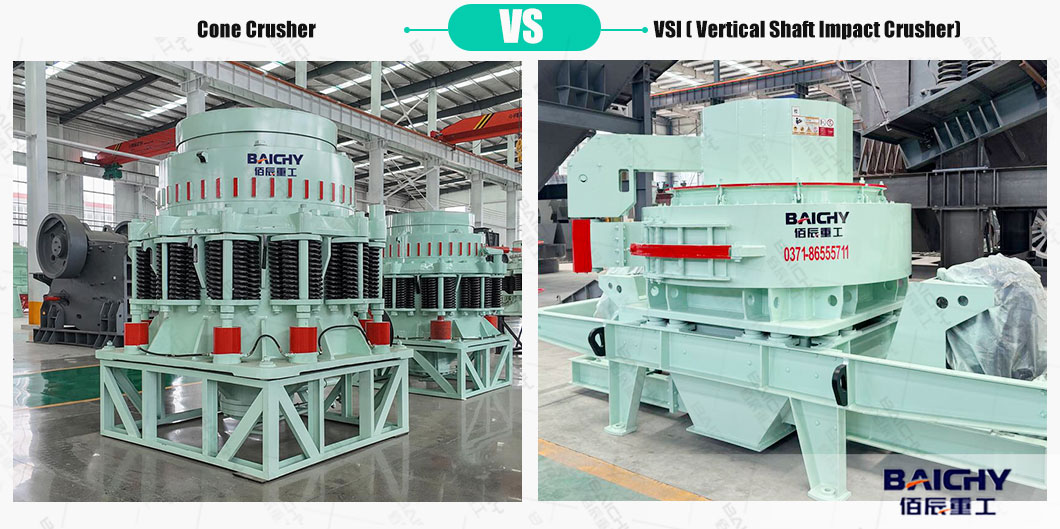
Both are powerful and essential tools, but they serve very different purposes. The question isn't always "which one is better?" but rather "which one is right for my specific application, material, and production goals?" This guide will break down the performance, costs, and ideal use cases for each, helping you make an informed decision for your sand production project.
Understanding the Basics: How Each Crusher Works
To understand their roles, it's crucial to grasp their underlying mechanics.
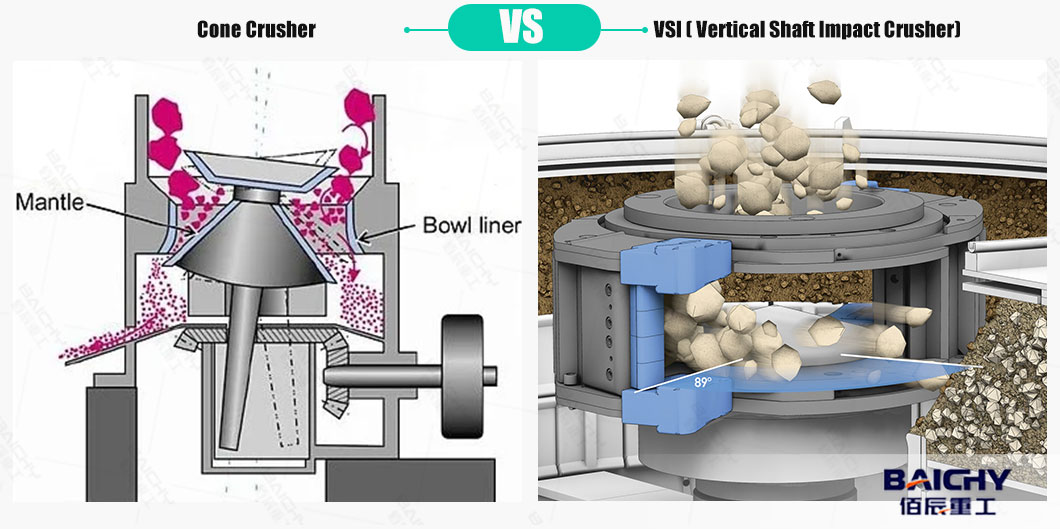
A VSI crusher operates on a high-speed impact principle. Material is fed into a spinning rotor and accelerated to high velocity before being thrown against a crushing chamber or a bed of other material (rock-on-rock). This process excels at shaping particles and breaking them down along natural fracture lines, resulting in a cubical, well-graded final product. This makes it the go-to machine for fine crushing and sand making.
A Cone crusher, on the other hand, uses compression to crush material. It features a moving piece of steel (the mantle) that gyrates within a stationary concave. As the material gets squeezed between these two surfaces, it breaks into smaller pieces. This method is highly efficient for bulk reduction of hard, abrasive rocks, making it ideal for secondary and tertiary crushing stages.
Head-to-Head Comparison for Sand Making
When your primary goal is producing artificial sand, the differences between these two crushers become more pronounced. Here’s how they compare across key metrics.
1. Product Quality: Particle Shape and Gradation
VSI Crusher: The undisputed winner for sand quality. VSI crushers produce the most cubical, well-graded aggregates, which are ideal for high-quality concrete and asphalt. They are excellent at reducing flaky and elongated particles, delivering a consistent output that meets strict specifications. In the words of industry experts, "If a VSI is fed consistently, it produces a constant grading."
Cone Crusher: A cone crusher alone typically produces more elongated and flaky particles. While it can reduce material size, its product shape is generally inferior to that of a VSI, which can lead to poor workability in concrete. It is not recommended as the sole machine for high-spec sand production.
2. Performance: Throughput and Feed Size
VSI Crusher: Generally used for the third or fourth stage of crushing. It is not designed to handle large feed sizes. Its strength lies in refining material that is already at a smaller size.
Cone Crusher: This is a workhorse for high-capacity operations. Cone crushers excel at handling larger feed sizes and achieving high throughput, making them perfect for the secondary or tertiary stages where the goal is significant volume reduction.
3. Operational Costs: Energy and Wear Parts
VSI Crusher: While offering superior product quality, VSI crushers tend to consume more power per ton due to their high-speed impact mechanism. However, they often reduce the need for additional downstream shaping equipment, potentially lowering overall plant costs.
Cone Crusher: Cone crushers are generally more energy-efficient for bulk reduction. They can also have lower wear costs, particularly when crushing less abrasive materials. However, the variable results due to liner wear can lead to an inconsistent product over time.
4. Material Suitability
VSI Crusher: Performs exceptionally well on soft to medium-hard materials (like limestone) for sand production. It is also highly effective on hard, abrasive materials, especially when using the rock-on-rock (autogenous) crushing method.
Cone Crusher: The ideal choice for processing hard and abrasive rocks like granite and basalt. It can handle these tough materials with stable performance and minimal downtime.
VSI vs. Cone Crusher: Quick Comparison Table
| Feature |
VSI Crusher (Sand Maker) |
Cone Crusher |
| Primary Mechanism |
High-speed Impact |
Compression |
| Main Output |
0-5mm Fine Sand / Shaping |
5-40mm Fine Aggregate |
| Product Shape |
Excellent (Cubical) |
Average (Can be Flaky) |
| Fines Content |
Higher (Ideal for M-Sand) |
Lower |
| Wear Cost |
Low (Rock-on-Rock mode) |
Moderate to High (Liners) |
| Application |
Final Sand Making & Shaping |
Secondary/Tertiary Crushing |
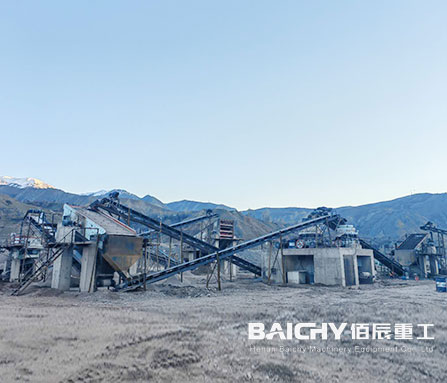
The Best of Both Worlds: The Ideal Crushing Plant Setup
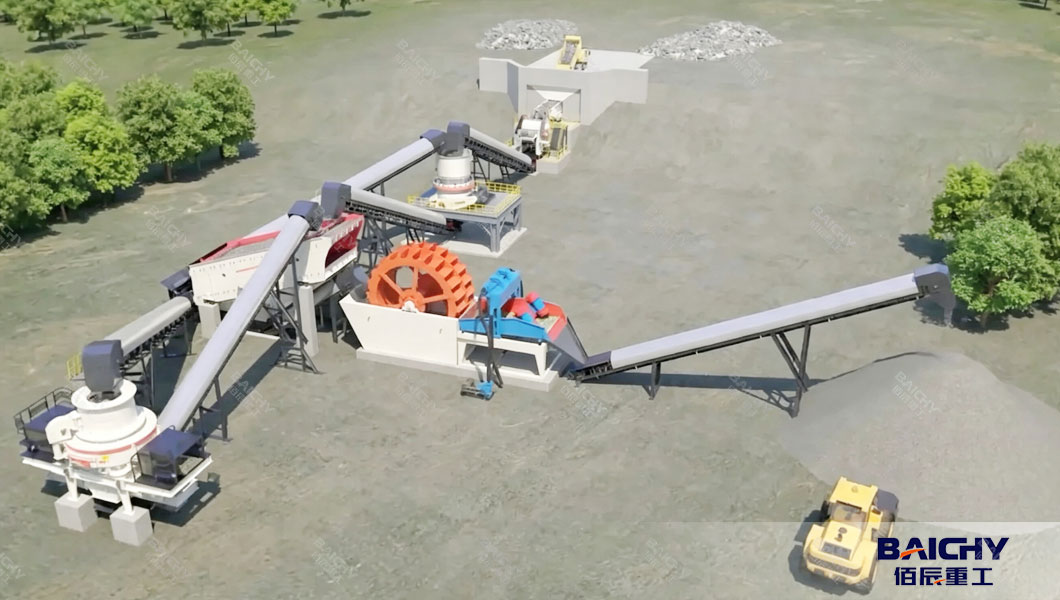
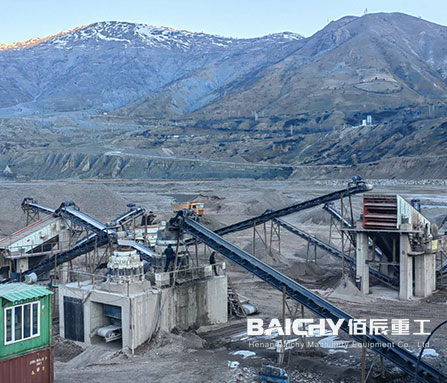
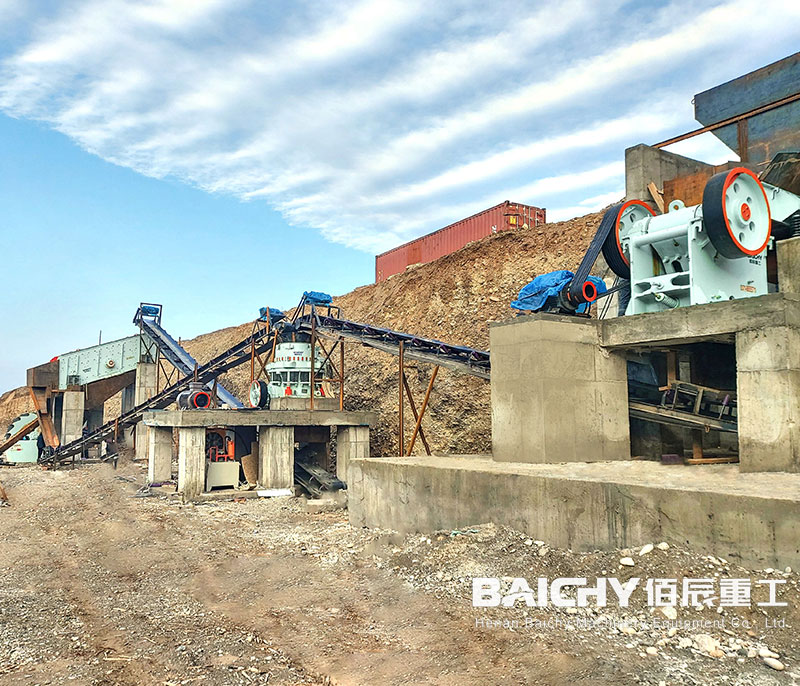
In many real-world, large-scale operations, the choice isn't about VSI or Cone crusher; it's about using them together.
A common and highly effective setup is:
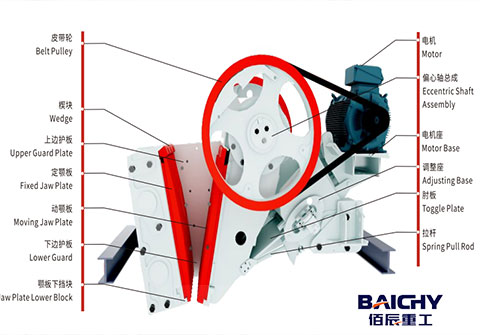
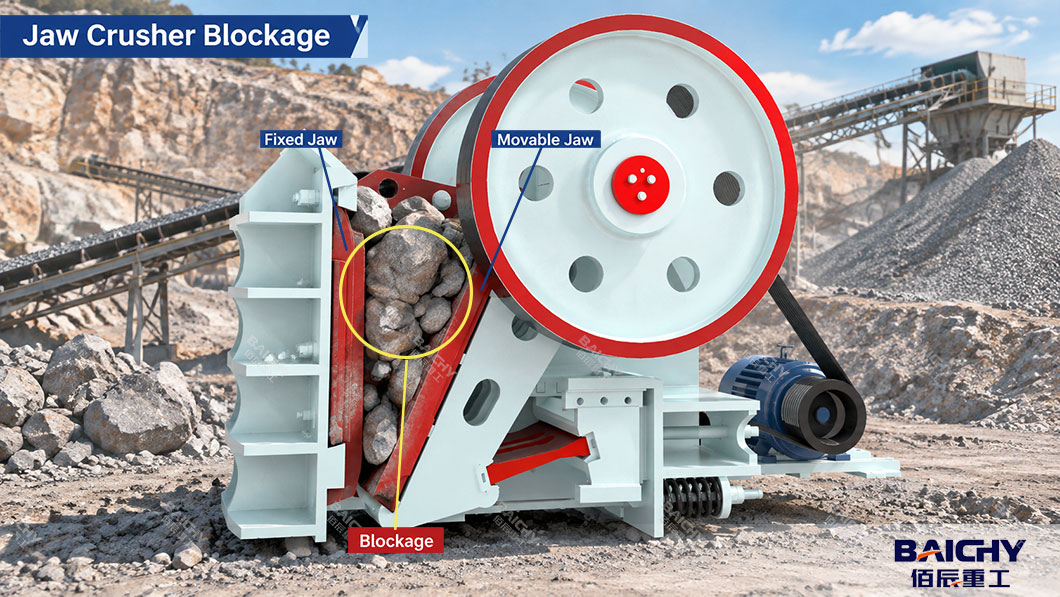
● Primary Crushing: A Jaw Crusher takes the run-of-mine material and reduces it to a manageable size.
● Secondary/Tertiary Crushing: A Cone Crusher takes over for bulk reduction, efficiently bringing the material down to a smaller, uniform size.
● Final Shaping & Sand Making: The material then feeds into a VSI Crusher, which refines the aggregate into the final product. The VSI creates the perfect cubical shape and optimal gradation required for high-quality manufactured sand.
This combination leverages the cone crusher's power for size reduction and the VSI crusher's precision for shaping, ensuring both high throughput and top-tier product quality.
How to Choose: A Decision Framework
Still unsure which path to take? Use this simple framework to guide your decision:
Choose a VSI Crusher if...
Your primary goal is to produce high-quality, cubical manufactured sand for concrete or asphalt.
You need to improve the shape of your aggregates and reduce flaky material.
Your raw material is medium-hard to hard, and you have a steady feed.
You're looking for a consistent, predictable final product grade.
Choose a Cone Crusher if...
You need high throughput and efficient bulk reduction of large, hard rocks.
You are preparing material for further processing stages (like feeding into a VSI).
Your final product specifications do not require a perfect cubical shape (e.g., for some road base materials).
Often, the smartest approach is to invest in a combined setup, allowing you to maximize both efficiency and product quality.
Need a customized sand production solution? Baichy Machinery provides modular and mobile crushing solutions tailored to your specific material. Contact Baichy Engineers Today for a Free Layout Design Now.
Frequently Asked Questions (FAQs)
1. Can a VSI crusher fully replace a cone crusher?
No. A VSI crusher is not designed for primary or secondary reduction of large feed sizes. It is a specialist for tertiary crushing and shaping, and it typically complements, rather than replaces, a cone crusher.
2. Which crusher is more cost-effective?
It depends. Cone crushers are generally more cost-effective for high-tonnage reduction. VSI crushers, while possibly having higher per-ton energy costs, can be more cost-effective overall by eliminating the need for separate shaping equipment and producing a higher-value final product.
3. Is a VSI necessary for a sand plant?
For producing high-quality manufactured sand that meets strict construction standards, a VSI is often essential. Its ability to produce a consistent, cubical, and well-graded product is unmatched by a cone crusher alone.




 2026-10-12





 86-15093113821
 86-15093113821