Home About us
Products
News
Solution
Video Service Contact us
Home  /  News

Basalt is a volcanic rock known for its extreme hardness and high silica content. While it produces excellent high-strength aggregate, its abrasive nature can quickly destroy the wrong machinery.  Choosing the right basalt quarry equipment is a balance between initial investment and long-term maintenance costs. This guide outlines the essential stages and machines required for an efficient basalt production line.


Basalt Quarry Equipment Selection Guide.jpg


Select the Right Crushing Process for Basalt Quarry

The crushing process design determines the equipment required in a basalt quarry.

A typical basalt aggregate production process includes:

Feeding → Primary Crushing → Secondary Crushing → Screening → Stockpiling

For different production goals, the equipment configuration may vary.


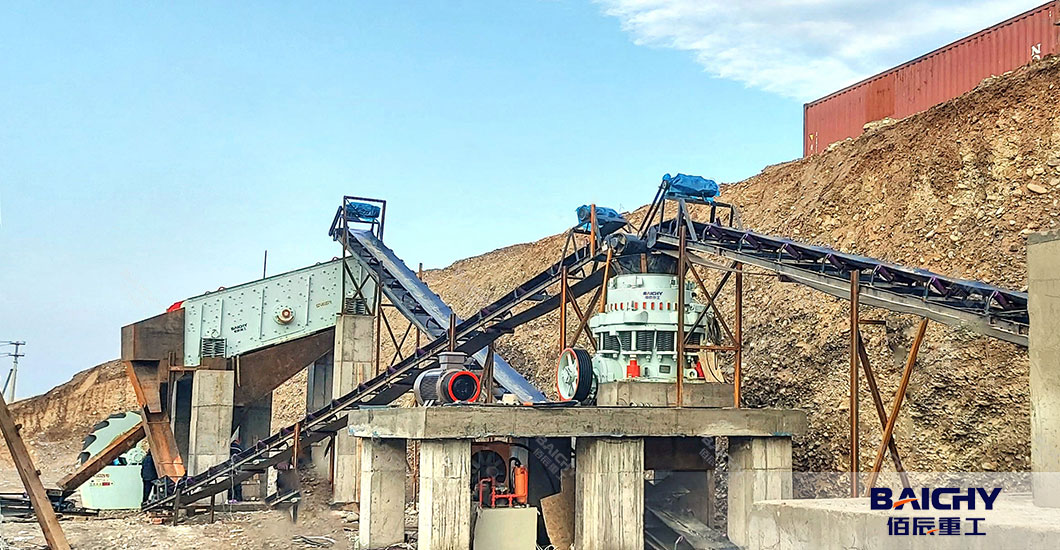
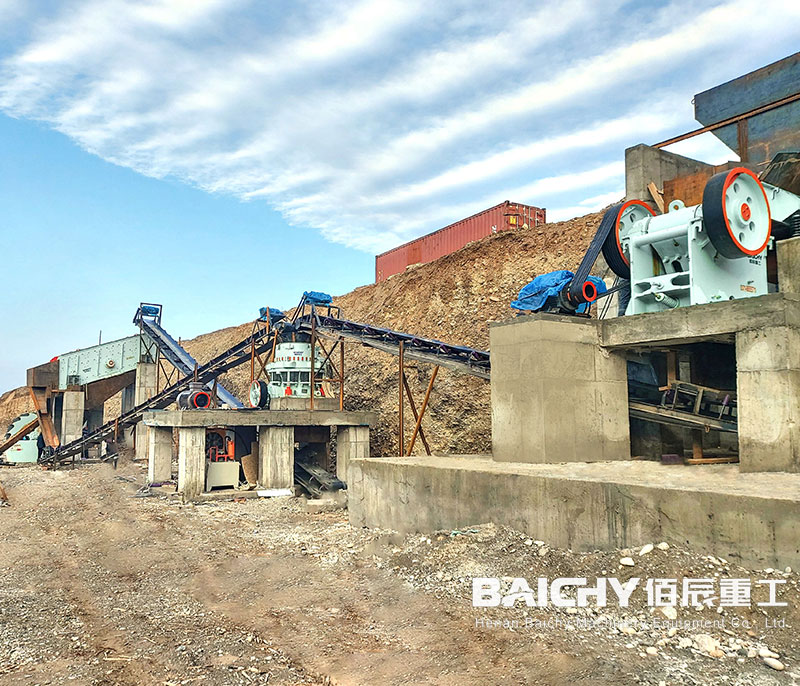
A common basalt crushing plant includes:

Vibrating Feeder + Jaw Crusher + Cone Crusher + Vibrating Screen + Belt Conveyor

This configuration is widely used because it combines strong primary crushing capability with efficient secondary crushing for hard rock materials.


1. Primary Crushing: The Heavy-Duty Foundation

The goal of the first stage is to reduce large boulders to a size manageable for secondary crushers.

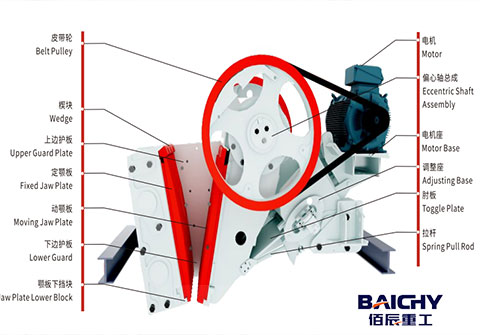
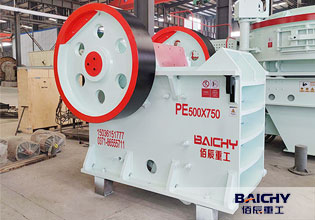
Recommended Equipment: PE Series or C-Series Jaw Crusher.
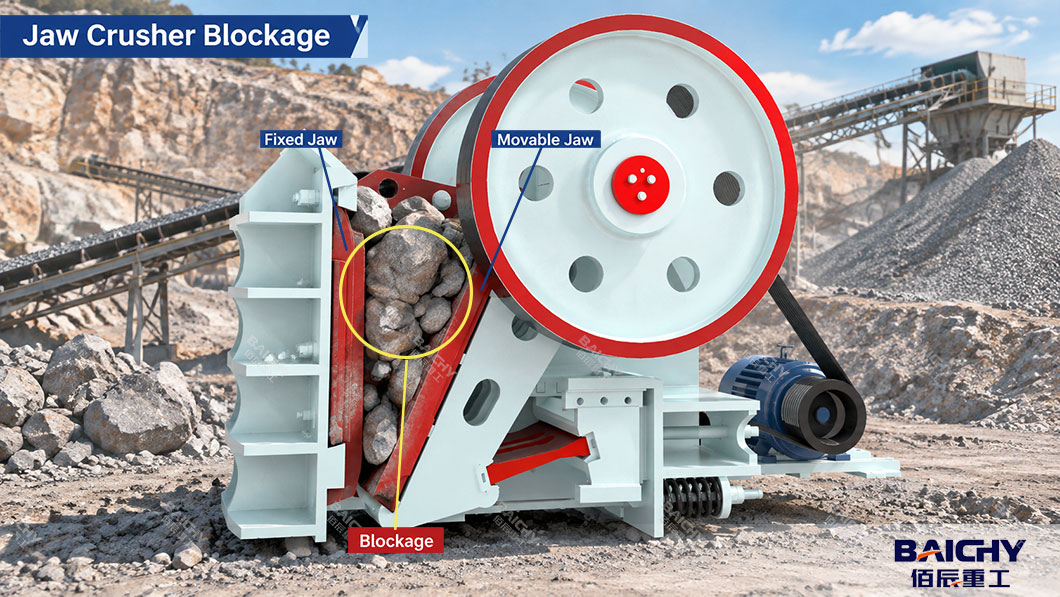
Why it works: Jaw crushers use a high-pressure "squeeze" to break rock. For basalt, you need a machine with a non-welded, bolted frame. This design handles the intense vibrations of hard rock much better than traditional welded frames, which can crack over time.
Technical Tip: Ensure your jaw plates are made of high-manganese steel to extend their service life.


2. Secondary Crushing: Managing Abrasiveness

This is where most basalt operators make a mistake. Using an impact crusher for basalt will lead to excessive wear on blow bars, sometimes requiring replacements every few days.

Recommended Equipment: Cone Crusher (CS Series or Hydraulic).
Why it works: Cone crushers use "laminated crushing." Instead of high-speed impacts, the rock is crushed between a mantle and a concave. This significantly reduces the wear on metal parts.
The Result: You get a much lower cost-per-ton and a more consistent particle shape.


3. Tertiary Crushing & Shaping: Meeting Specifications

If your project requires high-quality manufactured sand (M-sand) or cubic aggregates for highway construction, a third stage is necessary.

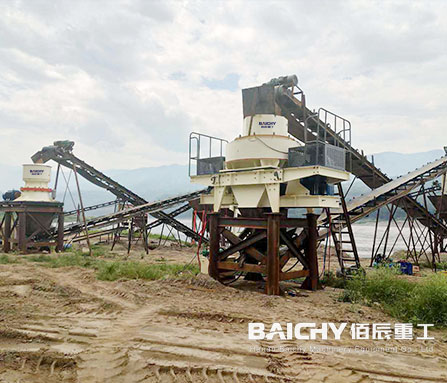
Recommended Equipment: VSI (Vertical Shaft Impact) Crusher.
Why it works: The VSI crusher uses the "stone-on-stone" principle. It accelerates the rock to high speeds and allows it to collide with other rocks. This removes weak edges and internal cracks, producing the perfect cubic shape required by international standards.


4. Screening and Conveying: Sorting the Value

A production line is only as good as its sorting system.

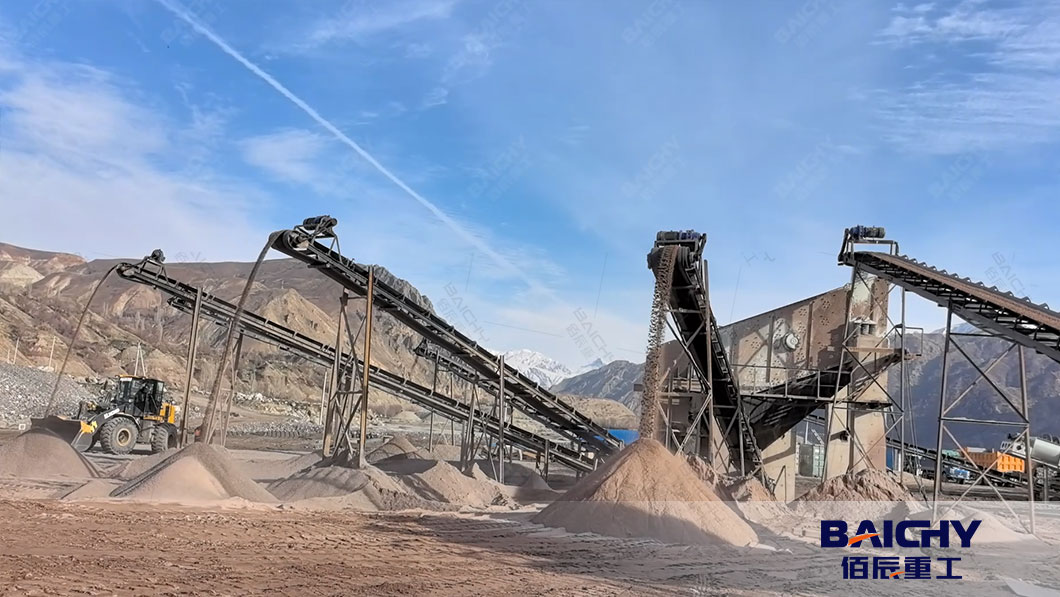
Vibrating Screen: For basalt, a circular vibrating screen with 3 or 4 layers is ideal. It allows you to sort the crushed rock into standard sizes like 0-5mm, 10-20mm, and 20-30mm.
Conveyors: Ensure your belt conveyors are heavy-duty, as basalt aggregate is heavy and can be sharp.


5. Mobile vs. Stationary: Which is right for you?

Stationary Plants: Best for long-term (10+ years) operations at a single site. They offer high stability and throughput.
Mobile (Tracked) Plants: Best for short-term projects or sites with multiple rock piles. They eliminate the cost of hauling raw stone to a central plant and can be deployed in under an hour.


The secret to a successful basalt quarry is matching the machine to the rock's hardness. By combining a rugged jaw crusher with a high-efficiency cone crusher, you can minimize downtime and maximize your profit. Need a custom equipment layout for your basalt quarry? At Baichy Machinery, we provide technical designs and high-performance equipment tailored for hard rock. Contact our engineering team today for a free consultation and professional consultation!


Maybe you are interested in