Installing a stone crusher correctly is the first step toward achieving stable production and long equipment life. Whether it is a jaw crusher used for primary crushing, an impact crusher for aggregate production, or a complete portable crushing plant, installation quality directly affects machine performance after commissioning. Many crusher problems that appear during operation are related to improper installation, including excessive vibration, uneven wear, foundation cracks, and unexpected downtime. A well-planned installation helps the crusher reach its expected capacity while reducing future maintenance costs.
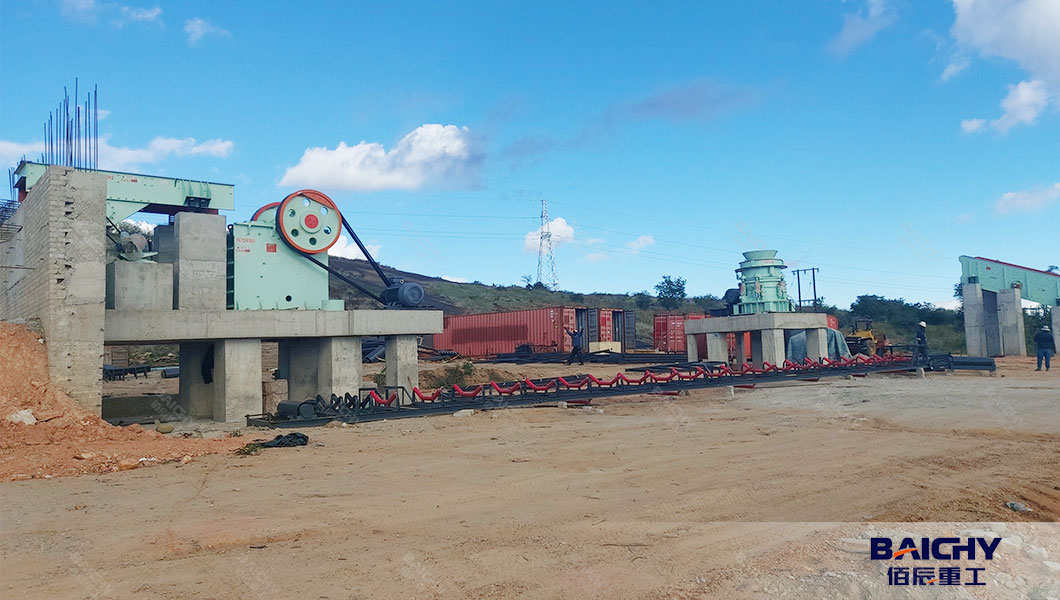
This guide explains the main steps involved in stone crusher installation, from site preparation and equipment positioning to final testing and commissioning.
1. Pre-Installation Planning
Before the crusher arrives at the site, careful preparation is required. A successful installation starts long before the machine is placed on the foundation.
● Select the Right Crusher Model
The crusher should be selected according to the production requirements and material characteristics. Factors such as feed size, rock hardness, abrasiveness, and required output determine whether a jaw crusher, cone crusher, impact crusher, or other type of equipment is suitable.
Choosing a crusher with insufficient capacity may create a production bottleneck, while selecting an oversized machine can increase investment and operating costs.
● Prepare Installation Drawings and Foundation Design
Crusher foundations must be designed according to the equipment weight, operating load, and vibration conditions. A reinforced concrete foundation is commonly used for stationary crushers because it provides stable support during continuous operation.
Installation drawings should be reviewed before construction begins to confirm equipment dimensions, anchor bolt positions, discharge height, and connection points with other equipment.
● Arrange Tools, Lifting Equipment, and Personnel
Heavy crushers require suitable lifting equipment for safe positioning. The crane capacity, lifting points, and installation sequence should be confirmed in advance.
The installation team should include personnel familiar with mechanical assembly, electrical connections, and safety procedures. Having recommended spare parts and tools available can also prevent unnecessary delays during commissioning.
2. Site Preparation and Foundation Construction
A stable installation base is essential for crusher reliability. An uneven or weak foundation may cause alignment problems and increase mechanical stress during operation.
Before installation, remove loose soil, debris, and obstacles around the working area. The foundation excavation should follow the approved engineering drawings, including the required depth and dimensions.
After excavation, the foundation base should be compacted properly. Gravel layers are often added to improve load distribution and drainage performance.
The reinforced concrete foundation should be poured according to the required specifications and allowed to cure before equipment installation. Installing a crusher on an insufficiently cured foundation can lead to settlement and alignment issues later.
Before placing the crusher, check the foundation surface level and confirm that anchor bolts and embedded parts match the installation drawings.
3. Lifting and Positioning the Crusher
Moving a crusher into position requires careful planning because of the equipment weight and limited installation space commonly found at quarry and mining sites.
Before lifting, inspect the crane, lifting tools, and crusher lifting points. Always use the designated lifting lugs provided by the manufacturer.
During lifting, the crusher should be moved slowly and controlled carefully. Avoid sudden movements that may damage machine components or create safety risks.
Once the crusher reaches the foundation, position it according to the installation drawings and temporarily secure it before final fixing.
4. Leveling and Grouting
Correct leveling is important for reducing vibration and ensuring stable operation. A crusher that is not properly aligned may experience uneven loading on bearings, drive components, and wear parts.
After positioning the machine, check the horizontal and vertical alignment using professional measuring tools. Make adjustments if necessary before final fixing.
Once alignment is confirmed, grout is applied between the crusher base and foundation. Non-shrink grout fills the gaps and creates a stable connection between the machine and concrete foundation.
After the grout has reached sufficient strength, check the final alignment again before starting mechanical commissioning.
5. Drive System Installation
The drive system transfers motor power to the crushing mechanism, so correct installation is necessary for efficient operation.
Install the motor, reducer, coupling, or belt drive according to the manufacturer's instructions. Shaft alignment should be checked carefully to prevent unnecessary load on bearings and drive components.
For belt-driven crushers, correct belt tension is important. A loose belt may cause slipping, while excessive tension can accelerate wear on bearings and other components.
Before operation, check lubrication levels and confirm that all rotating parts can move freely.
6. Hydraulic System Connection
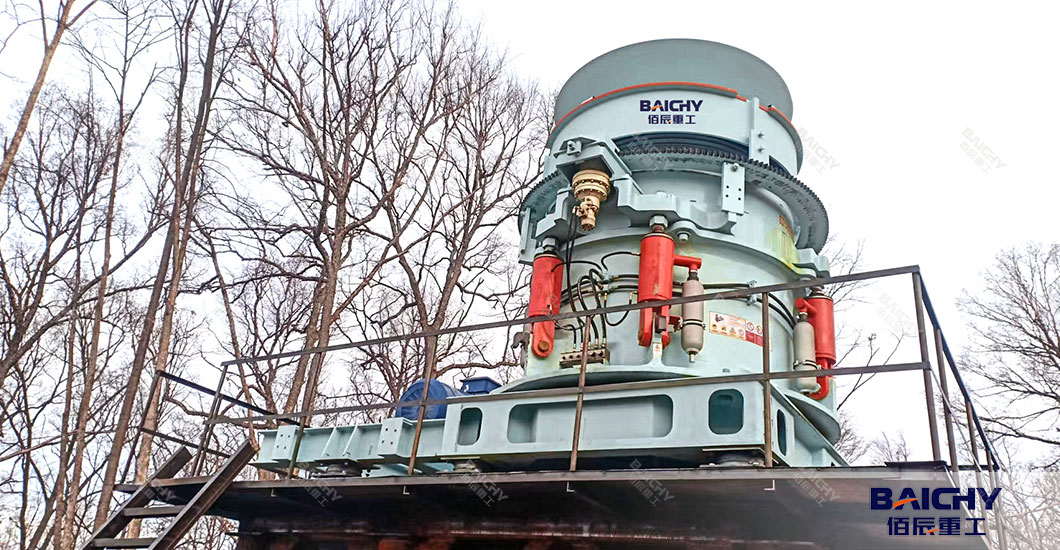
Many modern crushers use hydraulic systems for functions such as discharge setting adjustment, overload protection, and cavity clearing.
During installation, hydraulic pipes and hoses should be connected according to the hydraulic diagram. Hose routing should avoid sharp bends, excessive vibration areas, and possible contact with moving parts.
After filling the hydraulic system with the recommended oil, remove trapped air from the circuit and check all connections for leakage.
A properly installed hydraulic system allows operators to adjust the crusher more efficiently and reduces downtime caused by mechanical blockages.
7. Electrical Installation and Control System
The electrical system connects the crusher to the plant control system and provides safe operation control.
Motor cables, control cables, and sensors should be installed according to the electrical drawings. All cable routes should be protected from dust, moisture, and mechanical damage, especially in outdoor crushing environments.
Proper grounding is required to protect both operators and equipment. Electrical testing should be completed before the crusher is energized.
Before starting the machine, verify emergency stop functions, rotation direction, and control signals.
8. Commissioning and Trial Operation
Commissioning confirms whether the crusher has been installed correctly and is ready for production.
The first step is usually a no-load test. During this stage, operators check for abnormal vibration, unusual noise, oil leakage, and incorrect rotation.
After the machine runs smoothly without material, feed material can be introduced gradually. The crusher settings should be adjusted according to the required product size and production target.
During the initial production period, monitor important operating conditions, including motor current, temperature, vibration, and final product quality.
A continuous trial run helps identify potential installation issues before the crusher enters full production.
Stone crusher installation requires careful coordination between civil work, mechanical assembly, hydraulic connection, and electrical setup. Each step affects the reliability and operating cost of the crushing plant. Proper planning, accurate positioning, and thorough commissioning allow crushers to achieve stable performance from the beginning. For quarry and mining operations, a well-installed crusher is not only safer to operate but also helps reduce maintenance requirements and improve long-term production efficiency. Baichy Machiney could provide installation tool list for proper stone crusher plant installation. Contact Baichy enginner online to get the installation guide and installation tool list today.




 2026-09-28






 86-15093113821
 86-15093113821