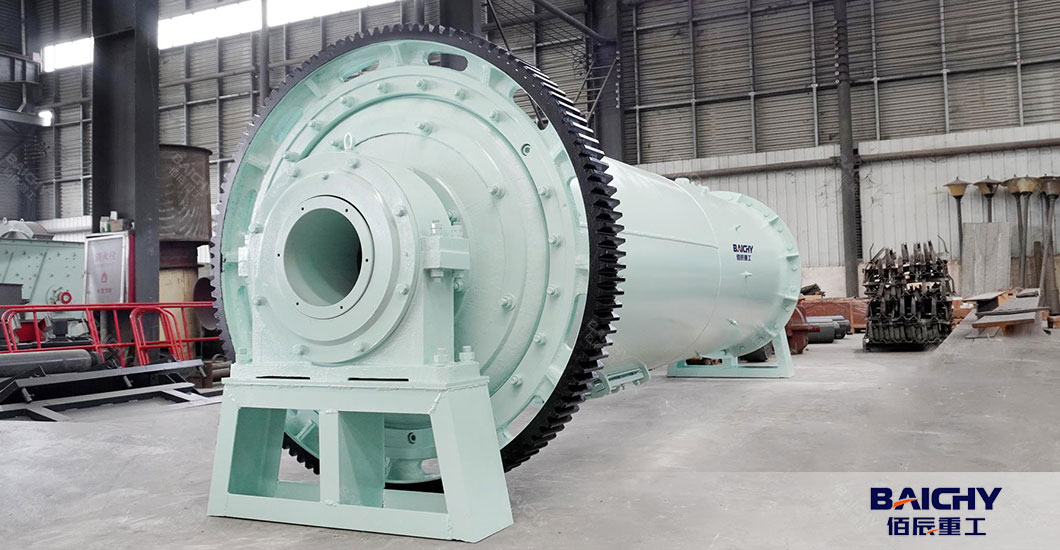
In the mineral processing industry, the ball mill is the heart of the grinding circuit. However, its efficiency and lifespan depend heavily on a component that is often overlooked: the ball mill liner. Ball mill liners serve two primary purposes: protecting the mill shell from the intense impact and abrasion of grinding media and controlling the motion of the balls to optimize energy transfer. Choosing the right types of ball mill liners can mean the difference between a high-performing circuit and one plagued by frequent downtime and high energy costs.
Why Are Ball Mill Liners Crucial for Your Operation?
Before diving into materials, it is essential to understand why selecting the correct liner is a strategic decision for any mine or plant manager:
● Cylinder Protection: Liners act as a sacrificial barrier, preventing the steel balls and raw ore from directly impacting the mill's structural shell.
● Energy Transfer Optimization: The profile shape determines whether the balls move in a cataracting (high impact) or cascading (high attrition) motion, directly affecting the fineness of the output.
● Noise and Vibration Reduction: Modern liner materials, especially rubber, significantly dampen the decibel levels in the grinding workshop.
Classification by Materials: Technical Deep Dive
The material of your liner must match the hardness of your ore and the pH level of your grinding environment. Here are the three industry standards:
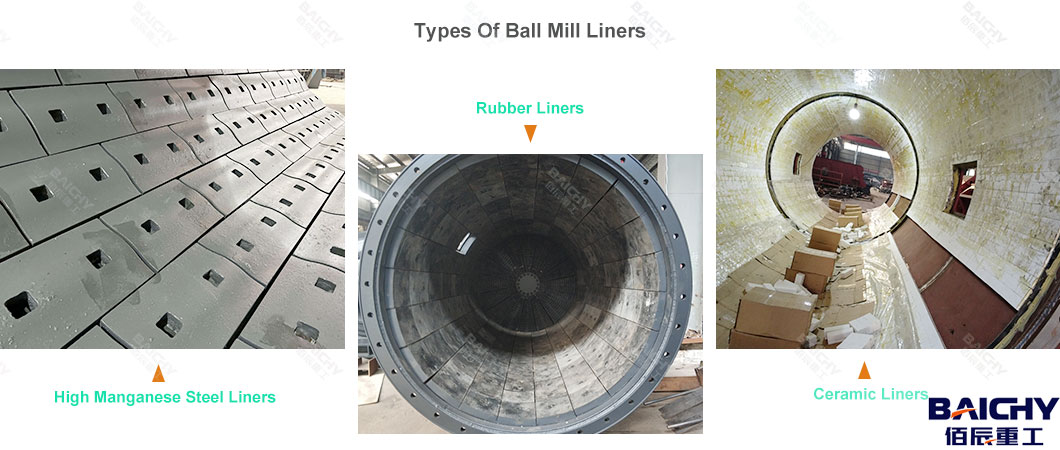
1. Metallic Liners (High Manganese & Chrome Steel)
Metallic liners remain the gold standard for heavy-duty primary grinding.
● High Manganese Steel (ZGMn13): Renowned for its "work-hardening" property. Under high impact, the surface hardens significantly while the core remains tough.
● Chrome Molybdenum Steel: Offers superior abrasion resistance with a hardness range of HRC 45-55, designed for extremely hard ores.
Rubber liners have revolutionized secondary and fine grinding stages.
● Advantages: They are up to 80% lighter than steel, making installation safer and faster. They offer excellent resistance to acidic or corrosive slurries.
● Best Use Case: Wet grinding environments where the temperature remains below 80°C.
For specialized industries like white cement, glass, or high-purity chemical production, ceramic liners are the go-to solution.
● Primary Benefit: They provide zero iron contamination, ensuring the purity of the final powder. Ceramics offer extreme hardness and resistance to chemical erosion.
Comparative Analysis: Steel vs. Rubber vs. Ceramic
Choosing the right liner requires balancing durability, cost, and output purity. The following table provides a technical comparison of the three most common types:
| Feature |
Steel Liners (High Chrome/Mn) |
Rubber Liners |
Ceramic Liners (Alumina) |
| Wear Life |
High in high-impact zones |
Superior in fine/wet grinding |
Excellent for ultra-fine abrasion |
| Weight |
Heavy (Highest) |
Very Light (Lowest) |
Moderate-Light |
| Sealing Performance |
Potential for shell leakage |
Excellent (Integrated seals) |
Good (Requires specialized backing) |
| Energy Consumption |
Highest (Rotating Mass) |
Lowest |
Moderate-Low |
| Noise Level |
Very High (>100 dB) |
Lowest (Dampening) |
Moderate |
| Iron Contamination |
High |
Low |
Zero (Non-metallic) |
| Primary Advantage |
Impact Resistance |
Maintenance Speed |
Material Purity |
Classification by Profile Shape: Optimizing the Grinding Path
The profile you choose dictates the "lift" of the grinding media, which is just as important as the material:
● Wave & Step Liners: These profiles provide a high lift, creating a cataracting motion. This is essential for primary grinding where impact is needed to break down large rocks.
● Flat Liners: Typically used in fine grinding. They encourage a cascading motion, maximizing the surface area contact for attrition grinding.
● Lifting Bars: Often integrated into rubber or composite liners to precisely control the drop point of the balls, reducing "dead zones" inside the mill.
Signs It’s Time to Replace Your Ball Mill Liners
Delaying a liner replacement can lead to catastrophic shell damage. Watch for these signals:
● Thickness Wear: When the liner has worn down by 70-75% of its original thickness.
● Output Drop: A noticeable decrease in TPH (tons per hour) or a shift in the particle size distribution.
● Shell Leakage: Slurry appearing at the bolt holes is a critical sign that the liner or backing is failing.
How Baichy Machinery Optimizes Your Grinding Solution
At Baichy Machinery, we don't just supply equipment; we provide engineered solutions. Whether you are processing basalt in Indonesia or alumina in Ethiopia, our technical team customizes liner materials and profiles based on your target mesh (e.g., 200-325 mesh).
By analyzing the abrasion index and purity requirements of your ore, we help you choose a liner configuration that balances initial cost with the long-term ROI of reduced downtime. Contact Baichy engineer to get customized solution with price now.
FAQ: Ball Mill Liner Quick Facts
Q: Which liner is best for preventing iron contamination?
A: Ceramic liners are the best choice. Unlike steel or rubber which may still have trace metal wear, alumina ceramics ensure zero iron is introduced into the product.
Q: Can I use rubber liners for dry grinding?
A: It is not recommended. The heat generated in dry grinding can exceed the thermal limits of rubber, leading to premature degradation. Steel or ceramic is preferred for dry applications.
Q: What is the most cost-effective liner?
A: It depends on the application. Steel has the lowest initial cost but high maintenance. Rubber offers the best ROI in wet grinding due to energy savings and fast installation. Ceramic has a high initial cost but is essential for high-value, high-purity products.




 2026-09-08





 86-15093113821
 86-15093113821