If you are planning a quarry, concrete operation, or infrastructure project, one of the first questions you will ask is: how long does it take to build an aggregate plant? The honest answer is that there is no single timeline. A modular plant can be operational in a matter of months, while a custom-built stationary facility may take a year or more once permitting and civil works are factored in. Understanding the variables that drive the schedule is essential for setting realistic expectations and avoiding costly delays.
The Short Answer: Modular vs. Custom Stationary Plants
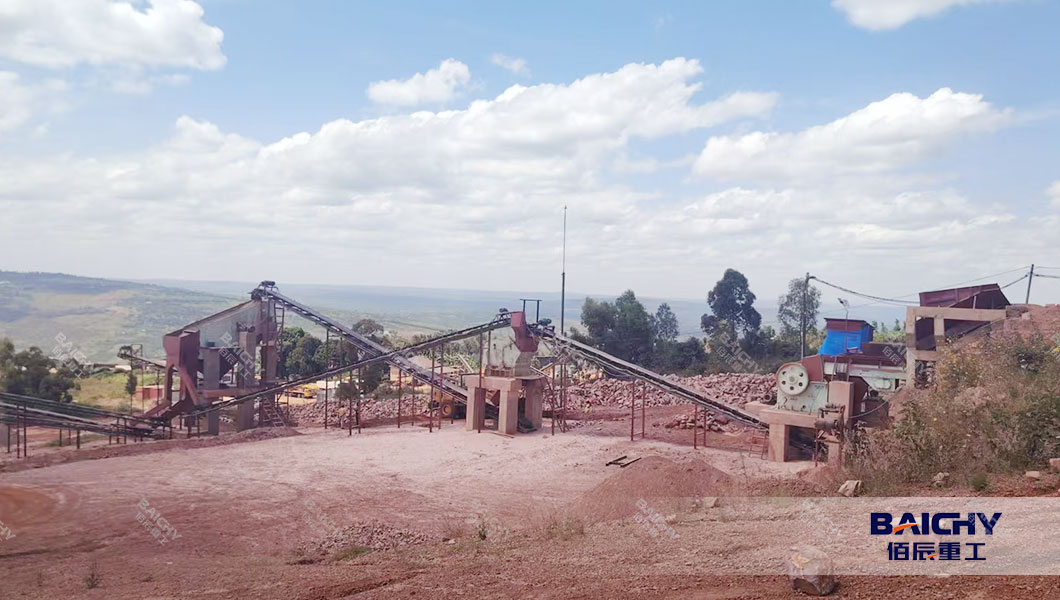
The biggest factor determining construction speed is the plant type. Modular and containerized systems are pre-engineered and pre-assembled at the factory, drastically reducing on-site work. In one recent project in the Democratic Republic of Congo, a large modular aggregate plant was delivered within about four and a half months of order, with erection, assembly, and commissioning taking a further three months. That puts the total timeline from order to operation at roughly seven to eight months for a modular solution.
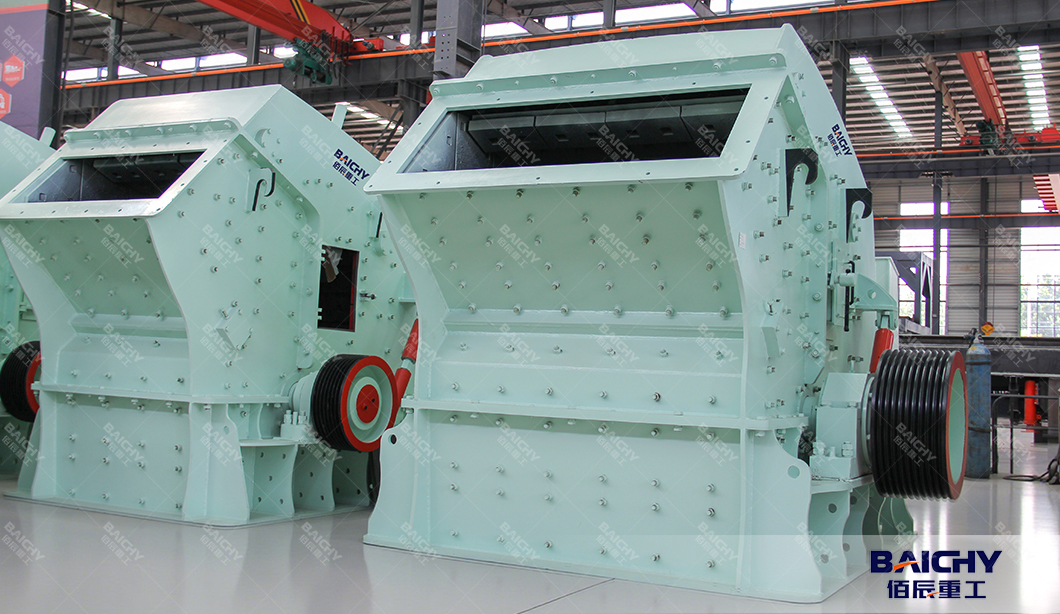
For Chinese-manufactured stationary crushing lines, equipment delivery can be remarkably fast. Some suppliers quote 15 to 25 working days for shipping a standard stone crushing plant once specifications are confirmed. However, this is only the equipment lead time—it does not include foundation work, steel structure erection, or electrical installation.
Breaking Down the Construction Phases
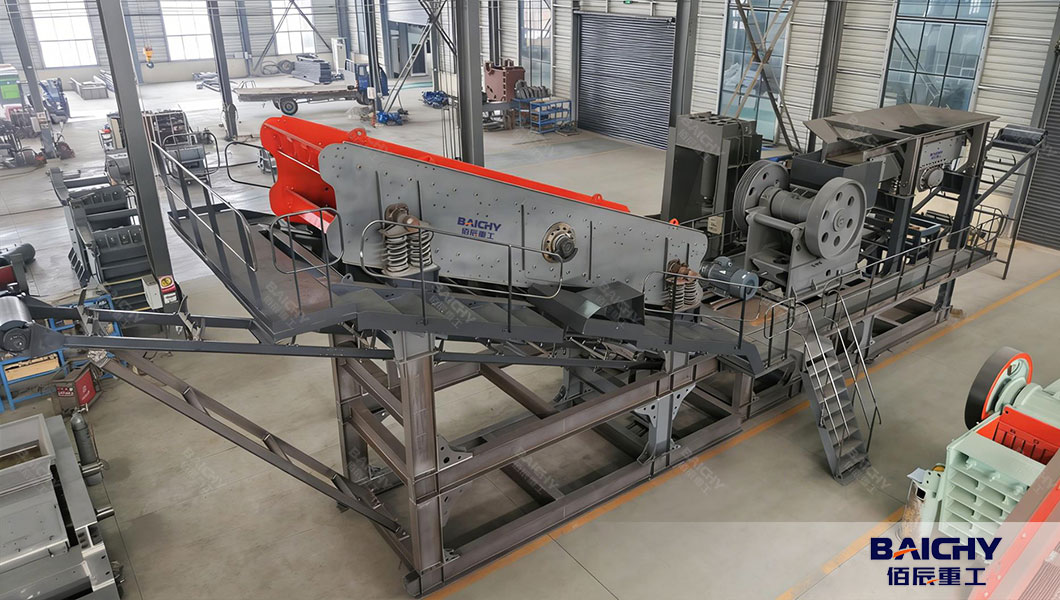
To understand where time is actually spent, it helps to separate the project into distinct phases.
Phase 1: Engineering and Equipment Manufacturing
For a custom stationary plant, engineering and design can take several weeks to a few months, depending on the complexity of the flow sheet and the number of product sizes required. Once the design is finalized, manufacturing lead times for Chinese equipment suppliers are often surprisingly short—frequently under a month for standard crushers, screens, and feeders. For European or American brands, lead times are typically longer.
Phase 2: Site Preparation and Civil Works
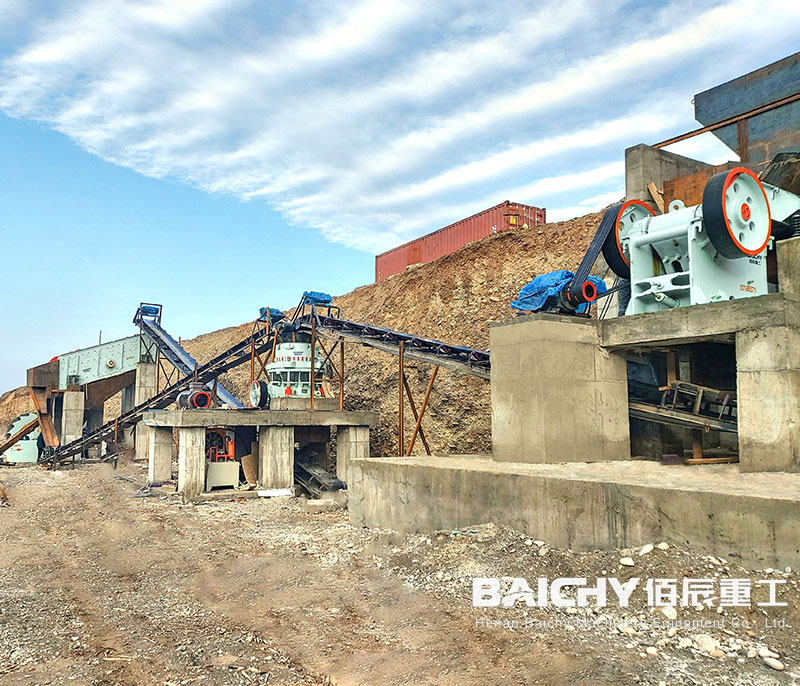
This is where projects often lose time. A stationary aggregate plant requires foundations for crushers, screens, and conveyors, plus retaining walls, drainage, and hardstanding for stockpiles. In regions with challenging weather or difficult ground conditions, civil works alone can consume two to four months. A Chinese EPC contractor recently completed a 200 t/h aggregate processing system in just four months from groundbreaking to commissioning, but that project benefited from a compact site and an experienced team working in parallel.
Phase 3: Erection, Assembly, and Commissioning
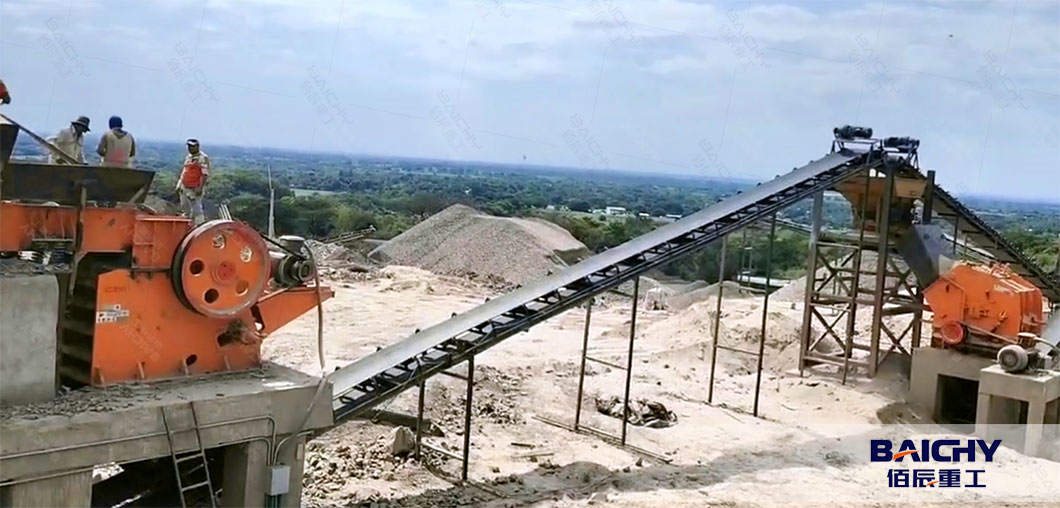
For modular plants, this phase is relatively predictable. The DRC project cited earlier took three months for erection and commissioning after delivery. For stationary plants, steel structure erection, equipment installation, conveyor belt splicing, and electrical wiring typically take two to four months for a medium-sized operation. One Chinese manufacturer estimates that a 10,000-ton-per-day stone production line takes about six months to build when including civil works, steel structures, and intelligent system installation—or four to five months if site hardening and automation are skipped.
Phase 4: Permitting and Regulatory Approval (The Hidden Variable)
The construction timeline above assumes you already have the necessary permits. In reality, permitting can be the longest and least predictable part of the process. Air quality permits in some U.S. states take two to eight and a half months, while wetlands or waterway permits can add another two to five months. In regions with strict environmental review, the permitting phase alone can exceed the entire physical construction time. Any realistic schedule must account for regulatory approval as a critical path item.
Practical Benchmarks by Plant Type
| Plant Type |
Typical Timeline (After Permits) |
Key Considerations |
| Modular aggregate plant |
6–8 months from order to operation |
Fastest option; factory pre-assembly reduces site work |
| Stationary crushing line (medium size) |
4–6 months construction |
Depends on civil works scope and site conditions |
| Mobile/tracked crushing unit |
Days to weeks |
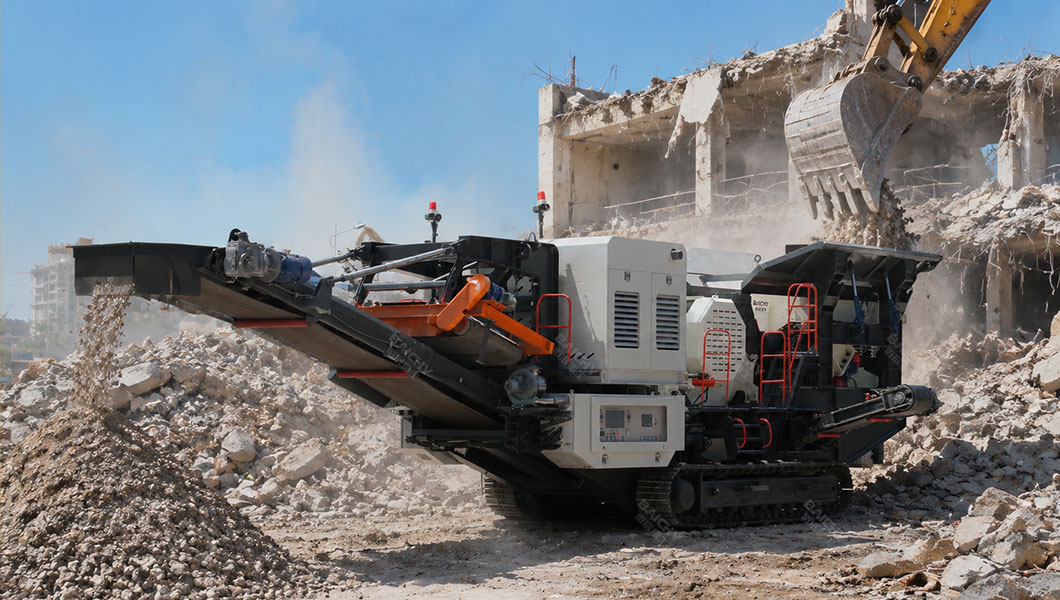
Essentially a machine delivery and setup; not a full plant |
| Custom stationary plant with automation |
6–9+ months |
Additional time for controls, dust suppression, and commissioning |
What Speeds Up (or Slows Down) Your Project
Several factors can compress or extend the timeline. Parallel processing—starting foundation work while equipment is still being manufactured—is the single most effective way to save time. Choosing modular or containerized designs reduces on-site labor and commissioning complexity. Conversely, complex site conditions, customized product specifications, and seasonal weather can add months. Finally, local content requirements or the need to import specialized components can introduce shipping and customs delays that are difficult to predict.
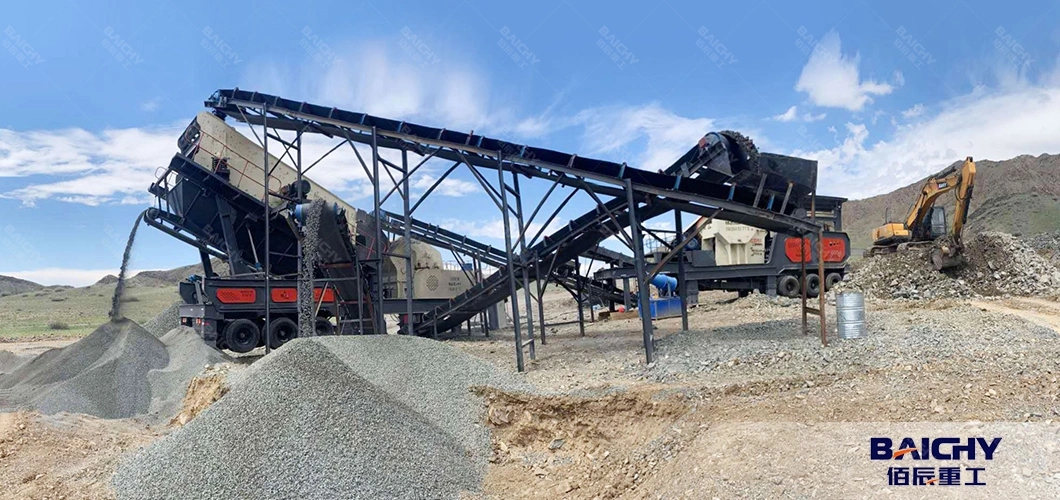
For a straightforward modular aggregate plant, a realistic planning window is six to eight months from order to first production, assuming permits are already in hand. For a stationary plant, plan on four to six months of construction after civil works begin, plus whatever time your local jurisdiction requires for environmental and air permits. The fastest path to production is not necessarily the cheapest equipment—it is the plant type and project sequence that best match your site, your regulatory environment, and your production goals.
Every project has its own timeline, and the best way to get an accurate estimate is to talk to an experienced plant builder. Whether you are considering a modular solution that can be operational in months or a custom stationary plant, Baichy Machinery can help you evaluate your site, select the right configuration, and map out a realistic schedule from permitting to commissioning. With decades of experience in crushing and screening solutions and a track record of fast delivery and reliable after-sales support, Baichy is ready to support your project from the first inquiry to full production. Contact Baichy Machinery today for a free consultation and a tailored proposal—your plant could be closer to operation than you think.
People Also Frequently Asked For - FAQ
1. Do I need concrete foundations for a modular aggregate plant?
No, most modern modular plants are designed with skid-mounted structures that do not require concrete foundations. This significantly reduces civil works and allows for faster installation compared to traditional stationary plants. The equipment sits on a steel frame or skid that can be placed on a prepared level surface, which is a key reason modular plants can be commissioned in months rather than a year.
2. What is the typical lead time for equipment delivery from Chinese manufacturers?
For standard crushing equipment such as jaw crushers, cone crushers, and screens, Chinese suppliers often quote delivery times of 15 to 25 working days once specifications are confirmed. However, this is only the manufacturing and shipping window. Buyers should factor in international freight, customs clearance, and inland transport to the site, which can add several weeks depending on the destination.
3. How much land do I need for a stationary aggregate plant?
Land requirements vary significantly by capacity and layout. As a reference point, a 3-million-ton-per-year production line (roughly 800–1,000 t/h) can occupy approximately 40 mu (about 2.7 hectares) when configured for limestone processing. Modular plants generally have a smaller footprint than stationary plants of the same capacity, which can be an advantage on constrained sites.
4. What permits are typically required before construction can begin?
The exact list depends on your jurisdiction, but common requirements include a mining or quarry license (if you will extract raw material), an environmental impact assessment (EIA) approval, an air quality permit, and a business operating license. In some regions, additional approvals are needed for water discharge, noise control, and traffic impact. Permitting is often the longest and least predictable phase of a project, so it should be initiated as early as possible and run in parallel with equipment procurement where allowed.




 2026-10-22






 86-15093113821
 86-15093113821