Building a stationary aggregate plant typically takes 4–12 months from project planning to commissioning. A small or medium-sized plant with a prepared site and approved permits may be completed in 4–6 months, while a large, customized plant can take 6–12 months or longer. The actual construction time depends on production capacity, crushing process design, equipment manufacturing, foundation work, electrical installation, and local permitting requirements. For investors and quarry operators, planning these stages early helps reduce delays and bring the plant into production sooner.
1. What Is the Typical Construction Timeline for a Stationary Aggregate Plant?
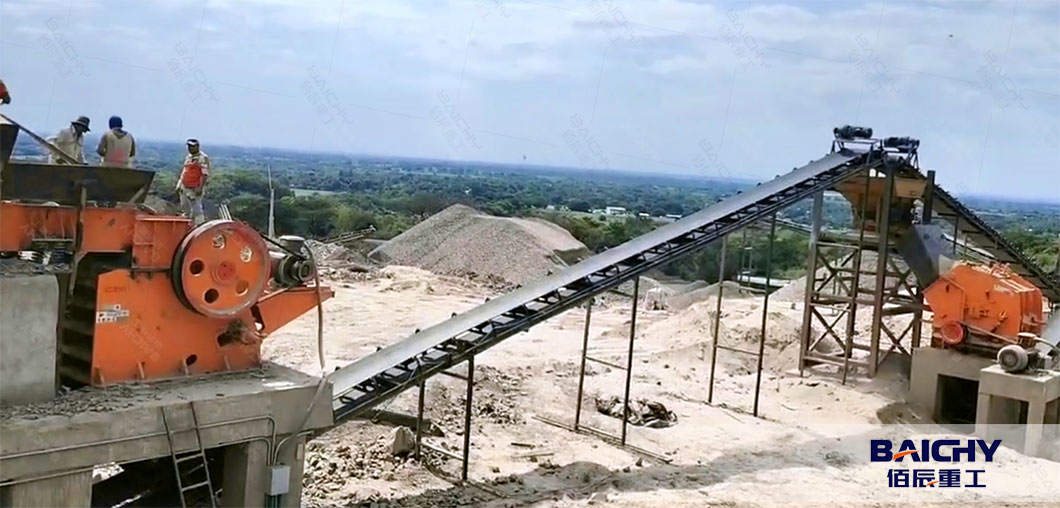
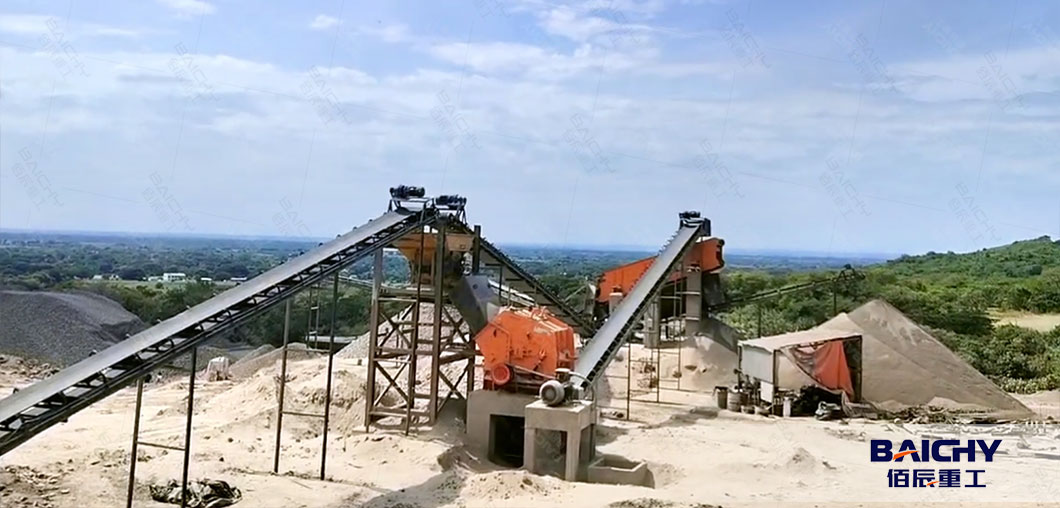
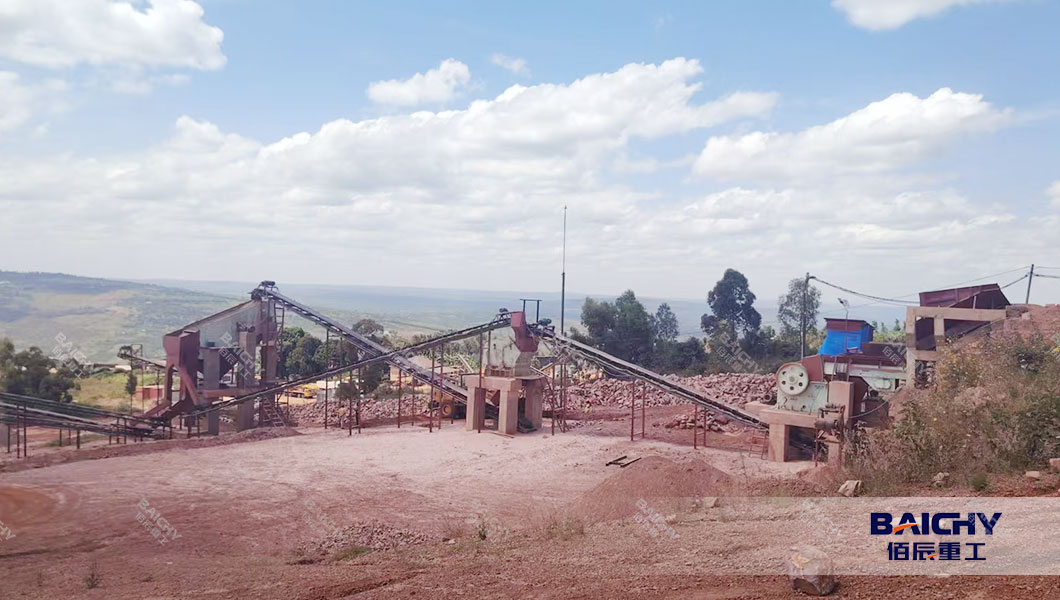
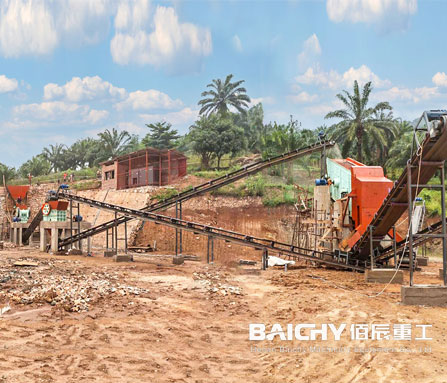
A stationary aggregate plant is built on a fixed site and usually includes crushers, vibrating screens, belt conveyors, feed systems, and supporting infrastructure. Unlike mobile crushing equipment, it often requires permanent foundations, a carefully planned layout, and integrated electrical and control systems.
The following table provides a general timeline for a conventional stationary aggregate plant. Some activities can run simultaneously, so the total project duration is not simply the sum of every stage.
| Construction Stage |
Estimated Duration |
| Project planning and process design |
2–6 weeks |
| Permits and environmental approvals |
1–6 months or longer |
| Equipment manufacturing and delivery |
1–4 months |
| Site preparation and foundation construction |
1–3 months |
| Equipment installation and electrical work |
2–6 weeks |
| Commissioning and performance testing |
1–3 weeks |
For example, equipment manufacturing can proceed while the construction team prepares the site and pours the foundations. With permits secured and good project coordination, a medium-sized plant may be operational in approximately 4–6 months.
However, a new quarry requiring extensive environmental assessments, road construction, or power infrastructure may need considerably more time.
2. How Does Plant Capacity Affect Construction Time?
Plant capacity directly influences equipment size, system complexity, and installation requirements.
Small Stationary Aggregate Plant: 30–100 TPH
A small plant may use a jaw crusher, a secondary crusher if required, vibrating screens, and belt conveyors. Its relatively simple layout can reduce foundation work and installation time.
With standardized equipment, completed permits, and a prepared site, construction may take around 3–5 months. This option suits small quarries and local aggregate suppliers with moderate production requirements.
Medium Stationary Aggregate Plant: 100–300 TPH
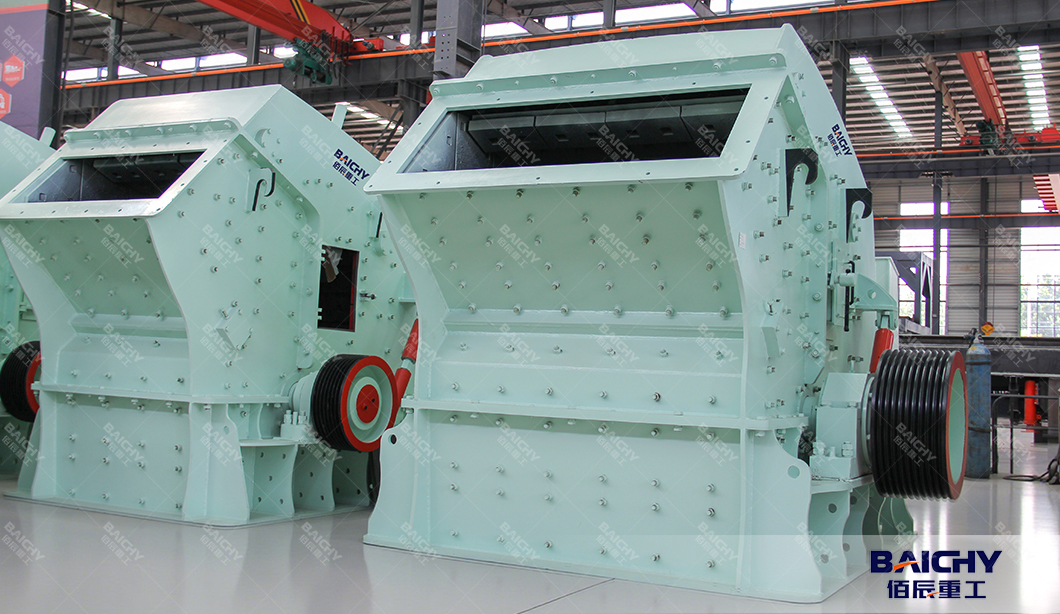
A medium-sized plant generally includes a primary jaw crusher, a secondary cone or impact crusher, screening equipment, and several conveyor systems.
The layout must provide enough space for material transfer, product stockpiles, maintenance access, and safe equipment operation. Electrical integration and conveyor installation also require careful coordination.
A realistic planning estimate is approximately 4–8 months, depending on the site and equipment configuration.
Large Stationary Aggregate Plant: 300–500 TPH or More
Large plants often require multiple crushing stages, larger screens, extensive conveyor networks, dust-control systems, and centralized control equipment.
Civil engineering becomes more demanding because of heavier foundations, structural supports, and longer material-handling routes. Customized equipment and complex site infrastructure can extend the construction period to 6–12 months or longer.
These estimates are general planning references, not guaranteed completion dates. The final schedule should be based on engineering drawings, confirmed equipment lead times, and site conditions.
3. Five Factors That Can Delay a Stationary Aggregate Plant Project
1. Permits and Environmental Approvals
Before construction begins, the owner may need quarry licenses, land-use approval, environmental permits, and plans for dust, noise, wastewater, and stormwater management.
Requirements vary by location. An existing permitted quarry may move forward faster than a greenfield project that requires several regulatory approvals. Starting the permitting process early is one of the most effective ways to prevent schedule delays.
2. Site Preparation and Foundation Construction
Stationary crushers, screens, and conveyor structures need foundations designed for their loads, operating conditions, and installation requirements.
Land clearing, grading, drainage, access roads, and concrete work can take several weeks or months. Poor soil conditions, heavy rainfall, and difficult terrain may extend the schedule.
The civil contractor should use the equipment supplier's approved foundation drawings rather than estimating dimensions independently.
3. Equipment Manufacturing and Delivery
Manufacturing time depends on the selected crusher models, customization requirements, supplier capacity, and component availability. International shipping and customs clearance can add further delays.
Confirm the equipment list, delivery milestones, installation drawings, and shipping arrangements before production starts. This allows the site team to prepare the foundations and installation area while equipment is being manufactured.
4. Electrical and Conveyor Installation
A stationary plant needs a reliable power supply, motor control systems, safety interlocks, and coordinated conveyor operation.
For larger plants, cable routing, transformers, control cabinets, and long conveyor structures can make installation more complicated. Late changes to equipment positions or conveyor routes may require additional civil and electrical work.
Finalizing the plant layout early helps avoid unnecessary rework.
5. Project Coordination and Workforce Availability
Construction involves civil contractors, mechanical installers, electricians, equipment suppliers, and commissioning engineers. If one team finishes late, subsequent activities may be delayed.
A project schedule should identify critical milestones, delivery dates, installation responsibilities, and inspection requirements. Having lifting equipment, installation tools, and qualified personnel ready before machinery arrives can make the installation process more efficient.
4. How to Shorten the Construction Period
Reducing construction time starts with decisions made before equipment manufacturing begins.
First, determine the required production capacity, raw material characteristics, maximum feed size, and finished aggregate sizes. These parameters help engineers select the appropriate crushing stages and screen configuration.
Second, finalize the process flow, equipment layout, foundation loads, and electrical requirements before manufacturing. Late design changes can affect both the construction schedule and project budget.
Third, run site preparation and equipment manufacturing in parallel whenever practical. Complete access roads, drainage, foundations, and power planning while the supplier prepares the machines.
Finally, plan commissioning before installation is finished. Prepare inspection procedures, operating personnel, lubrication supplies, safety checks, and initial spare parts so that testing can begin once the complete system is ready.
5. Example: Planning a 200 TPH Aggregate Crushing Plant
Consider a proposed 200 TPH plant processing granite into several commercial aggregate sizes.
A possible configuration includes a primary jaw crusher, a secondary cone crusher, vibrating screens, belt conveyors, and separate stockpiles for finished products.
A preliminary schedule might look like this:
| Project Activity |
Illustrative Schedule |
| Engineering and equipment selection |
Weeks 1–4 |
| Equipment manufacturing and procurement |
Weeks 4–12 |
| Site preparation and foundations |
Weeks 5–12 |
| Equipment delivery and installation |
Weeks 13–16 |
| Commissioning and production testing |
Weeks 17–18 |
Under these assumptions, the plant could reach initial operational readiness in approximately 4–5 months, provided permits are already secured, the site is accessible, and equipment delivery proceeds as planned.
This example is a planning scenario rather than a completed project case. A real schedule should be developed around the supplier's confirmed lead times, local construction conditions, and project-specific engineering requirements.
6. Should You Choose a Stationary or Mobile Aggregate Plant?
The choice between stationary and mobile crushing equipment can affect both construction time and long-term operating costs.
A stationary aggregate plant is often suitable for a long-term quarry with stable production requirements. It may require substantial foundations, structural steel, conveyor infrastructure, and a carefully planned layout.
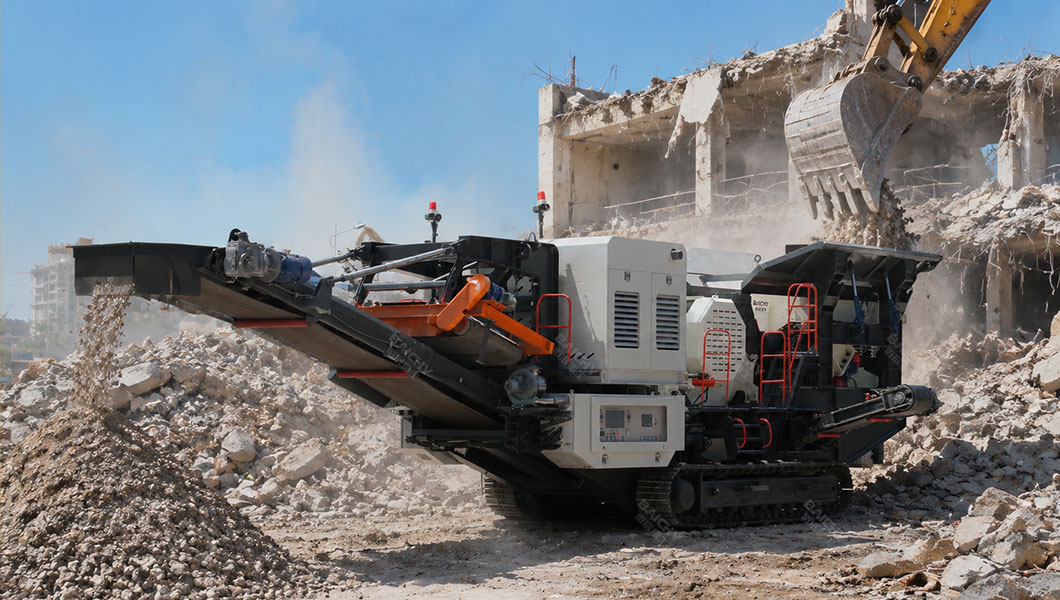
A mobile crushing plant integrates major processing equipment on a wheeled or tracked chassis. It can reduce some civil construction and equipment relocation work, making it attractive for temporary projects, road construction, and sites where flexibility matters.
However, mobile equipment still requires suitable ground conditions, safe access, power or fuel arrangements, and any applicable operating permits. It does not automatically eliminate site preparation or commissioning.
The best choice depends on project duration, required capacity, raw material characteristics, product specifications, and whether the plant needs to move between sites.
Every aggregate project has different requirements. Are you planning a new quarry or upgrading an existing crushing plant? The right equipment configuration and construction schedule will depend on your production targets, raw material characteristics, and site conditions.
Contact Baichy Machinery to discuss your stationary aggregate plant project. Our team can help you evaluate crushing and screening equipment, develop a suitable production line configuration, and plan the next steps toward your production goals.
Visit Baichy Machinery to discuss your project and request a customized solution.
Frequently Asked Questions
1. How long does it take to build a stationary aggregate plant?
Most projects take approximately 4–12 months from planning to commissioning. A medium-sized plant with approved permits and a prepared site may be completed in 4–6 months, while larger or more complex projects can take longer.
2. What is the longest stage of stationary aggregate plant construction?
Permitting and environmental approvals can be the longest stage, particularly for a new quarry. Equipment manufacturing, shipping, and foundation construction may also determine the overall schedule.
3. Can a stationary aggregate plant be built in three months?
A small, standardized plant may approach this timeline if permits are already approved, equipment is readily available, foundations are prepared, and installation resources are organized. However, three months is an aggressive target rather than a typical guarantee.
4. How long does it take to commission a stationary aggregate plant?
Commissioning generally takes about 1–3 weeks. The duration depends on equipment complexity, electrical inspections, no-load testing, loaded production trials, and any adjustments needed to achieve the required output and product sizes.




 2026-10-22






 86-15093113821
 86-15093113821