Setting up a stone crusher plant is one of the most profitable investments in the construction and mining industries. According to a recent market analysis by Grand View Research, the global aggregate market size is expected to reach an astounding $722.9 billion by 2030, driven by massive infrastructure spending and rapid urbanization. With the demand for high-quality sand and gravel skyrocketing, a well-designed crushing facility can generate a massive return on investment. However, before you even begin to break ground on your new quarry, the most critical question every investor must ask is: How much does it actually cost to build a stone crusher plant?
The short answer is that the cost can range anywhere from 50,000 for a small basic setup to 2,000,000 for a massive, fully automated commercial quarry. The final price tag depends entirely on your production capacity, the hardness of your rock, and whether you choose a stationary or mobile plant.
In this comprehensive guide, we will break down the exact costs involved in setting up a highly profitable stone crushing plant so you can accurately plan your budget.
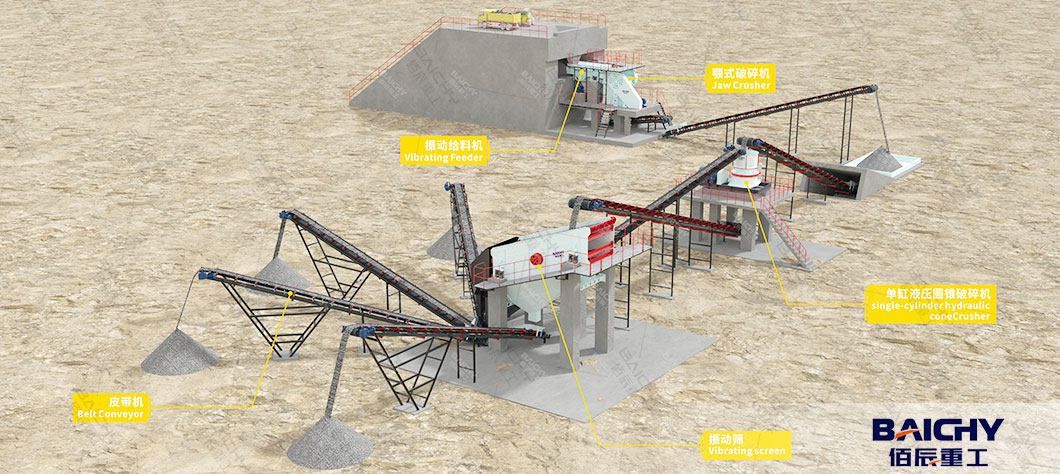
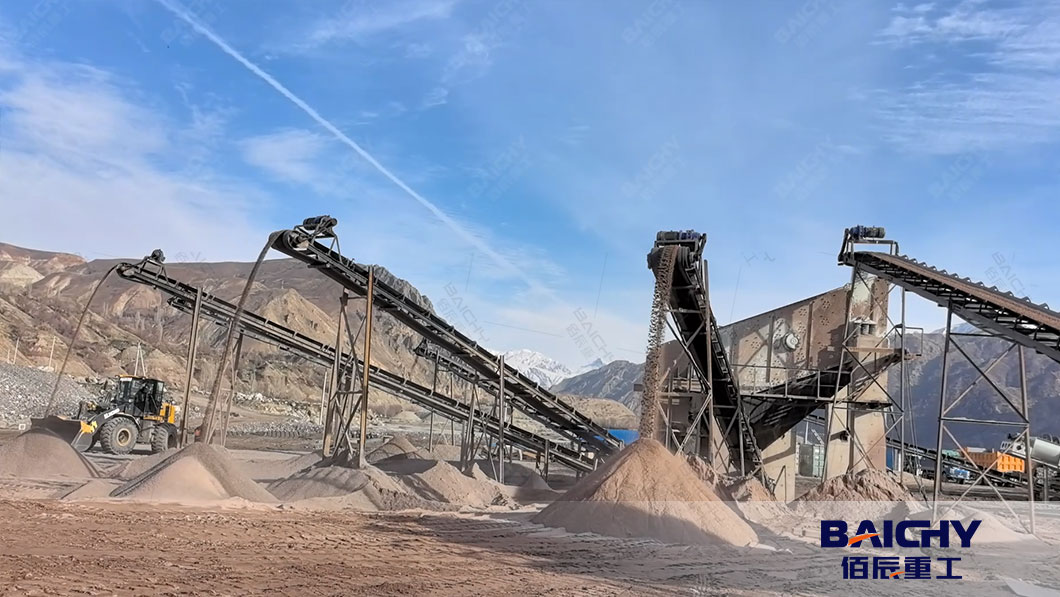
1. The Cost of Core Crushing Equipment
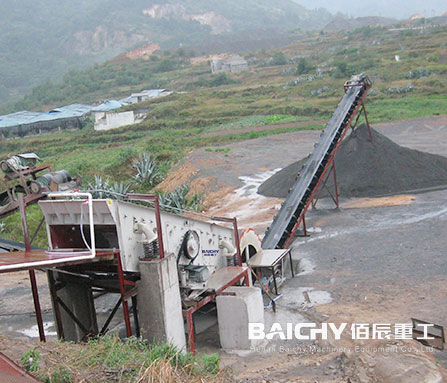
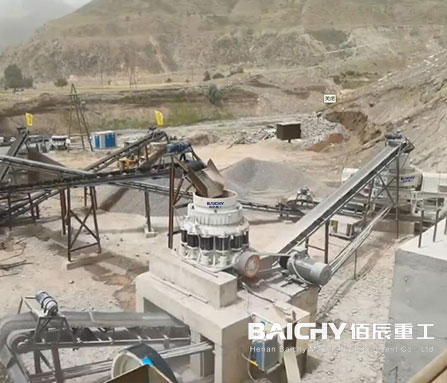
The machinery itself will be your largest initial capital expenditure. A complete crushing plant rarely consists of just one machine; it requires a combination of feeders, primary crushers, secondary crushers, vibrating screens, and conveyor belts.
Here is a breakdown of what you can expect to pay based on capacity and equipment type:
Small-Scale Plants (50 – 100 Tons Per Hour)
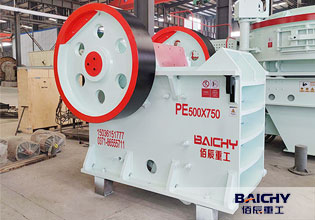
For a small operation—often used by local contractors or startup quarries—a basic stationary plant featuring a vibrating feeder, a primary jaw crusher, a small vibrating screen, and basic conveyors will $50,000 and 150,000.If you opt for a compact,wheeled mobile crusher to save on installation, expect to pay between 150,000 .If you opt for a compact, wheeled mobile crusher to save on installation,expect to pay between 100,000 and $250,000. It is ideal for small quarries, construction sites, or short-term projects.
Medium-Scale Plants (100 – 300 Tons Per Hour)
This is the most commercial aggregate producers. A medium plant usually requires a two-stage crushing circuit: a primary jaw crusher to break large boulders, followed by a secondary cone or impact crusher to shape the final gravel. A complete stationary setup of this size generally ranges from $200,000 to $600,000. It is suitable for mid-sized aggregate production.
Large-Scale Commercial Plants (300 – 1,000+ Tons Per Hour)
Massive commercial quarries require heavy-duty, high-capacity machinery designed to run 24/7. These plants feature gigantic gyratory or jaw crushers, multiple secondary and tertiary cone crushers, massive multi-deck screens, and complex automated control systems. Setting up a plant of this magnitude requires an investment ranging from $800,000 to over $2,500,000.
2. Infrastructure and Civil Engineering Costs
If you choose to build a stationary crushing plant, you cannot simply place the heavy machinery on the dirt. The violent vibrations of the crushers require serious foundational support.
● Concrete Foundations: Pouring deep, steel-reinforced concrete foundations for the crushers and screens is mandatory. This civil engineering work can cost anywhere from $20,000 to $100,000+, depending on the size of the plant.
● Steel Structures and Walkways: You will need heavy steel chassis, maintenance walkways, and safety handrails built around the crushers, adding $10,000 to $50,000 to your budget.
● Electrical Systems: A central control cabin, heavy-duty wiring, and a massive transformer to handle the electrical load of the motors are essential. Expect to spend $15,000 to $40,000 on a safe, compliant electrical grid.
(Note: If you purchase a mobile tracked crushing plant, you completely eliminate these civil engineering costs, though the machines themselves have a higher initial purchase price.)
3. The Impact of Rock Hardness on Cost
The type of rock you are crushing heavily dictates the machines you must buy, directly impacting your budget.
● Soft to Medium Rock (Limestone, Coal): These rocks are easy to crush and not very abrasive. You can use a highly efficient Impact Crusher, which is generally cheaper to buy and maintain.
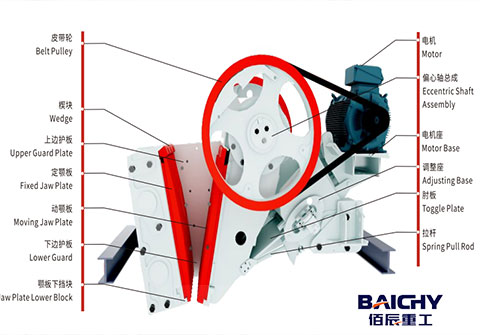
● Hard and Abrasive Rock (Granite, Basalt, River Pebbles): These rocks will destroy an impact crusher. You must invest in a heavy-duty Jaw Crusher and a Cone Crusher. Cone crushers are sophisticated machines packed with hydraulics and bronze bearings, making them significantly more expensive than impactors.
4. Operating Expenses: The Hidden Costs
Your budget must account for the daily costs of keeping the plant running. The two largest operating expenses in a stone crusher plant are:
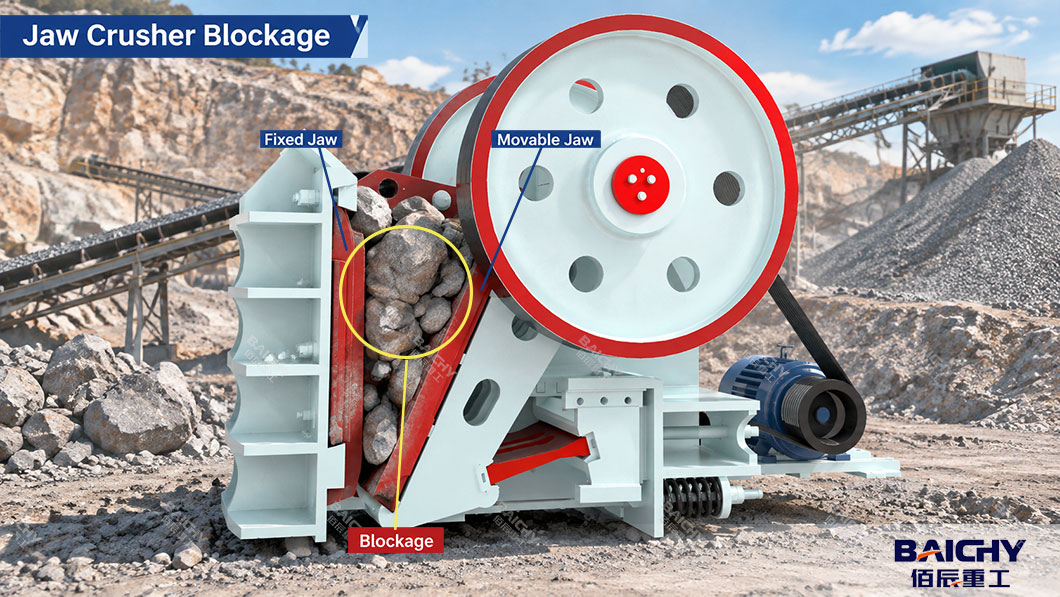
● Wear Parts: Crushing rock destroys metal. You will constantly need to replace the manganese jaw plates, cone mantles, or impact blow bars. If you are crushing hard granite, you might spend $2,000 to $5,000 a month just on replacing worn steel parts.
● Energy Consumption: Running massive 200 kW electric motors or huge diesel generators requires a tremendous amount of power. Electricity or diesel fuel will be your highest daily expense, often accounting for 30% to 40% of your total operating costs.
● Shipping & Logistics:Moving 50 to 100 tons of solid steel across the ocean or across the country requires specialized flatbed trucks and massive heavy-lift cranes. Depending on your location, international ocean freight and inland transport can easily add $10,000 to $40,000 to your total bill.
● On-Site Installation & Commissioning: including assembly, wiring, testing, and operator training.
● Electrical System: A centralized, climate-controlled cabin, heavy-duty industrial wiring, programmable logic controllers (PLCs), and a massive step-down transformer to handle the extreme electrical load of the motors are essential. Expect to spend $15,000 to $60,000 on a safe, fully compliant electrical grid.
Case Study: Cost Breakdown for a 200 TPH Limestone Plant
To give you a highly realistic idea of the required investment, here is an estimated cost breakdown for a highly popular 200 Tons Per Hour (TPH) stationary crushing plant designed specifically to process medium-hard limestone:
● Primary Crushing (Vibrating Feeder + PE Jaw Crusher): ~$45,000 - $65,000
● Secondary Crushing (Heavy-Duty Impact Crusher): ~$50,000 - $75,000
● Screening (3-Deck Vibrating Screen): ~$15,000 - $25,000
● Conveyor Belts (6 to 8 heavy-duty units): ~$20,000 - $35,000
● Electrical Control Cabinet & Motors: ~$15,000 - $25,000
● Estimated Total Equipment Cost (Ex-Factory): $145,000 to $225,000 USD
Final Tips for Budgeting
● Get 3–5 detailed quotes from reputable manufacturers (like Baichy Machinery) to compare prices and configurations.
● Allocate 10%–15% of your total budget for unexpected costs (delays, site changes, regulatory updates).
● Prioritize high-quality equipment to cut long-term maintenance and downtime costs.
Setting up a stone crusher plant requires careful planning, but with a clear cost breakdown, you can build a profitable, efficient operation that meets your production goals. The key to staying within your budget is to accurately analyze your rock type, determine your exact capacity needs, and partner with a reliable equipment manufacturer who can provide a complete, efficient layout. Contact the expert engineering team at Baichy Machinery today! We will analyze your raw material, design a customized 3D plant layout, and provide a free, highly competitive equipment quote to guarantee your quarry's success.




 2026-10-12





 86-15093113821
 86-15093113821