Home About us
Products
News
Solution
Video Service Contact us
Home  /  News

Steel slag is a by-product generated during steelmaking. It contains compounds such as calcium silicate and iron oxides, and can be reused after grinding into fine powder for cement, concrete, and building material applications. However, raw steel slag is hard and abrasive, making it difficult to process efficiently without a heavy-duty grinding system.


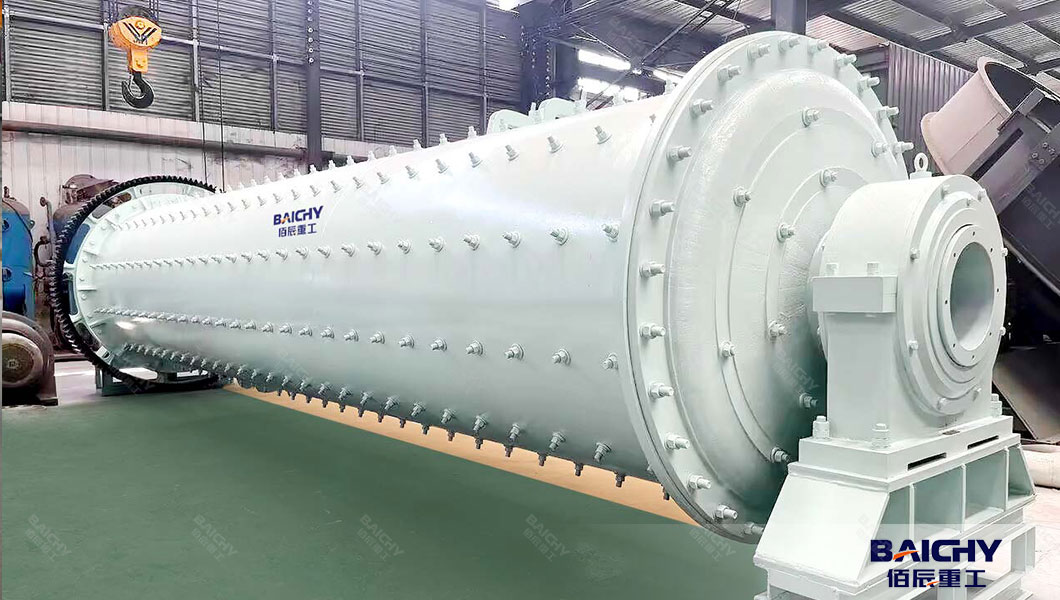
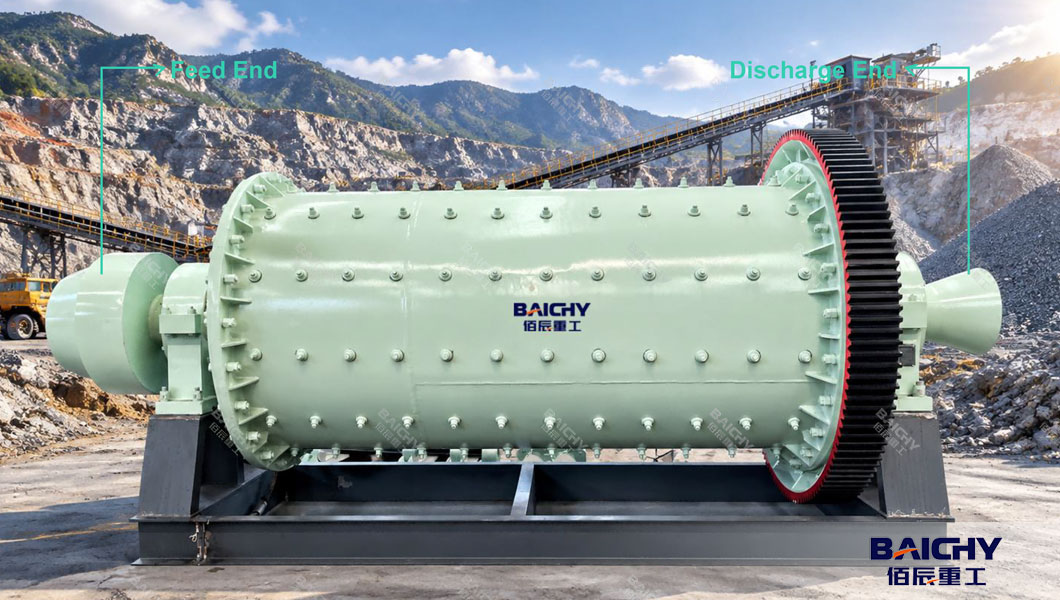
steel-slag-ball-mill-1500x5700-01.jpg


Challenges in Steel Slag Grinding Process

Steel slag processing plants commonly face the following issues:

   ● High hardness and strong wear on grinding equipment
   ● High energy consumption in traditional mills
   ● Difficulty achieving stable fineness for cement-grade powder
   ● Low efficiency in dry or semi-dry grinding systems
   ● Uneven particle size distribution affecting final product quality

These problems directly impact production cost and utilization efficiency of steel slag.


Solution: Ball Mill 1500×5700 for Steel Slag Grinding

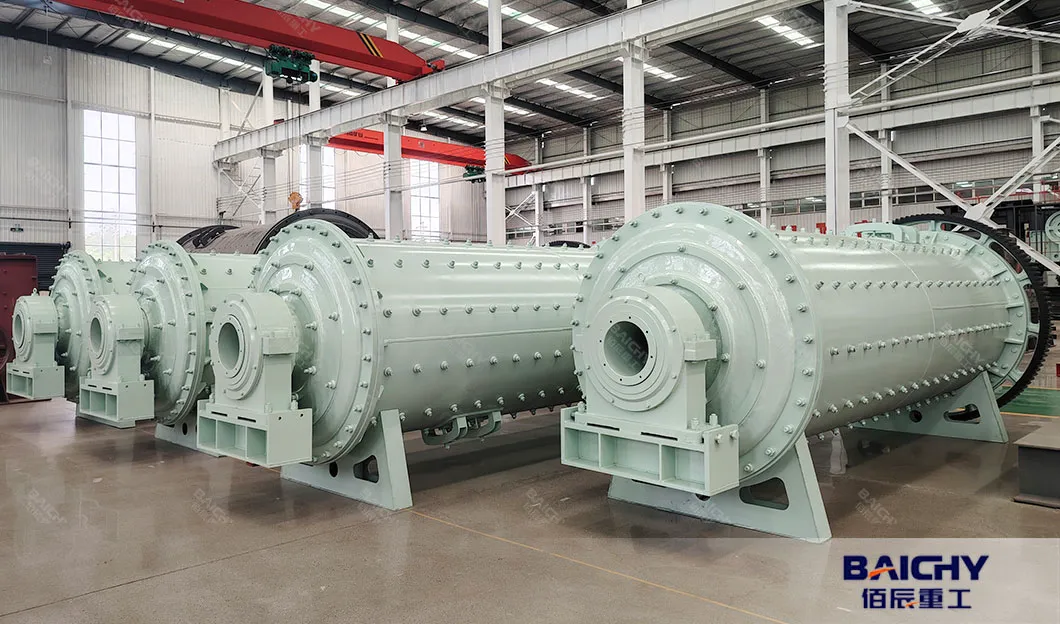
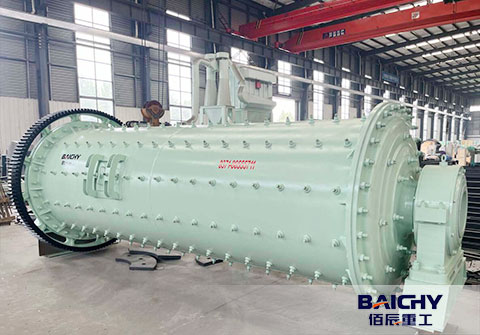
Steel slag grinding ball mill 1500×5700 is a reliable industrial grinding solution used to process steel slag into fine powder for cement and construction materials. It offers stable continuous operation, strong wear resistance, and adjustable fineness through a closed grinding system. After crushing, steel slag is ground by steel balls inside a rotating cylinder, making it suitable for medium-scale slag powder production plants with consistent output quality.


For steel slag applications, ball mill 1500x5700 provides stable continuous grinding performance and is commonly used in slag powder production lines.

Specification Value
Cylinder Diameter 1500 mm
Cylinder Length 5700 mm
Rotational Speed 27 r/min
Max Feed Size ≤25 mm
Output Fineness 0.075 – 0.4 mm
Production Capacity 3.5 – 8 t/h
Motor Power 115 kW
Ball Load 12 tons
Weight 25.8 tons


Working Process of Steel Slag Grinding

The 1500x5700 ball mill operates on a straightforward principle:

1. Material feed – Steel slag (crushed to ≤25mm) enters the mill through the feed opening

2. Grinding action – The cylinder rotates, lifting steel balls and slag to a certain height. As they fall, the impact and attrition forces break down the slag particles

3. Size reduction – Particles are ground progressively finer as they move through the mill

4. Discharge – Ground material exits through the discharge opening, with fineness controlled by the grinding time and classifier settings

The mill supports both wet and dry grinding, with wet grinding being more common for steel slag processing.


Engineering Performance Advantages

1. Strong Adaptability for Hard Slag. The steel ball impact system can handle high-hardness steel slag materials.

2. Stable Output Fineness. Combined with classification systems, it helps maintain consistent powder quality for cement use.

3. Mature Industrial Technology. Ball mill technology is widely applied in mining and cement industries with proven reliability.

4. Flexible Wet/Dry Operation. Can be configured according to plant requirements and raw material conditions.

5. Suitable for Large-Scale Production. 1500×5700 specification is commonly used in medium-scale grinding lines.


Customer Case: Baichy Ball Mill in Egypt (Steel Slag Grinding Project)

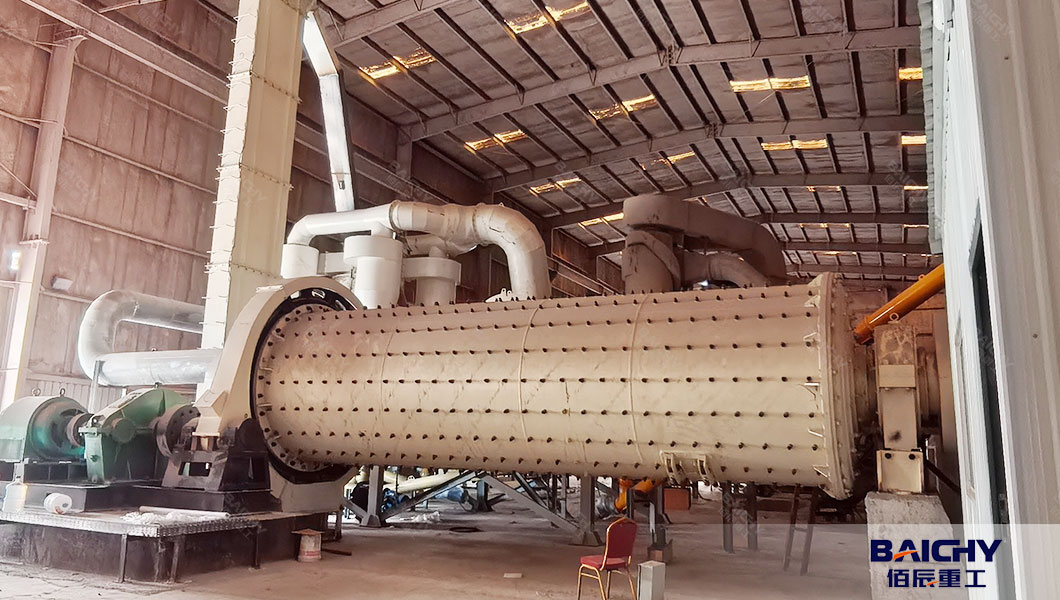
Baichy Machinery supplied a ball mill system for a steel slag grinding plant in Egypt. The project was designed to process metallurgical slag into fine powder for cement application. The plant used a complete grinding system including crushing, ball mill grinding, and powder classification. After commissioning, the system achieved stable continuous operation and improved slag utilization efficiency.


The customer reported that the equipment delivered consistent fineness, reliable performance, and reduced maintenance downtime, which helped improve overall production stability and lowered operating cost. The solution also supported the local cement industry by providing high-quality slag powder as an alternative raw material.


steel-slag-ball-mill-in-Eygpt.jpg


As demonstrated by the Baichy Machinery case in Egypt, proper equipment selection and technical support are essential for achieving optimal results in steel slag processing. By investing in the right grinding equipment, steel producers can improve their environmental performance, recover valuable iron units, and create new revenue streams from slag by-products.


FAQ (Frequently Asked Questions)

Q1: What is a ball mill 1500×5700 used for in steel slag grinding?

A: The 1500×5700 ball mill is used to grind crushed steel slag into fine powder for cement and construction materials. It provides continuous grinding and stable particle size control in industrial production lines.


Q2: Can steel slag be directly fed into the ball mill?

A: No. Steel slag should be pre-crushed (usually ≤25 mm) before feeding into the ball mill. This improves grinding efficiency, reduces wear, and ensures stable operation.


Q3: What fineness can be achieved in steel slag grinding?

A: The fineness depends on the grinding system and classifier, but steel slag powder can typically be adjusted to meet cement-grade requirements for different construction applications.


Q4: What is the advantage of using a ball mill for steel slag compared with other grinding equipment?

A: A ball mill offers strong adaptability for hard materials, stable continuous operation, and mature industrial reliability. It is widely used in cement and slag powder plants due to its proven performance and scalability.


Maybe you are interested in