Choosing the right screening equipment is a critical decision that directly impacts your operational efficiency, product quality, and bottom line. Both are effective screening solutions, but they operate on fundamentally different principles and are suited for very different applications. This guide provides a comprehensive comparison to help you make the best decision for your specific needs.
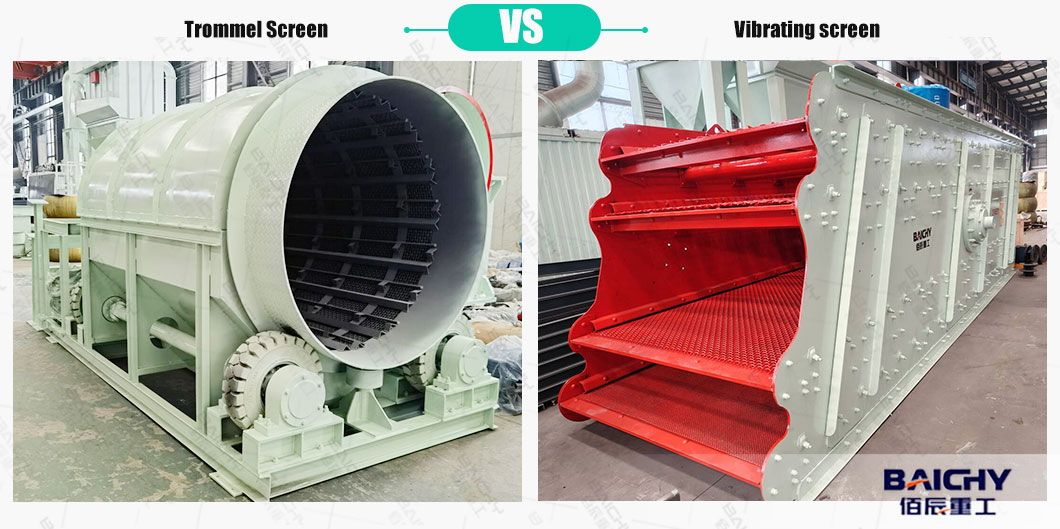
What is a Trommel Screen?
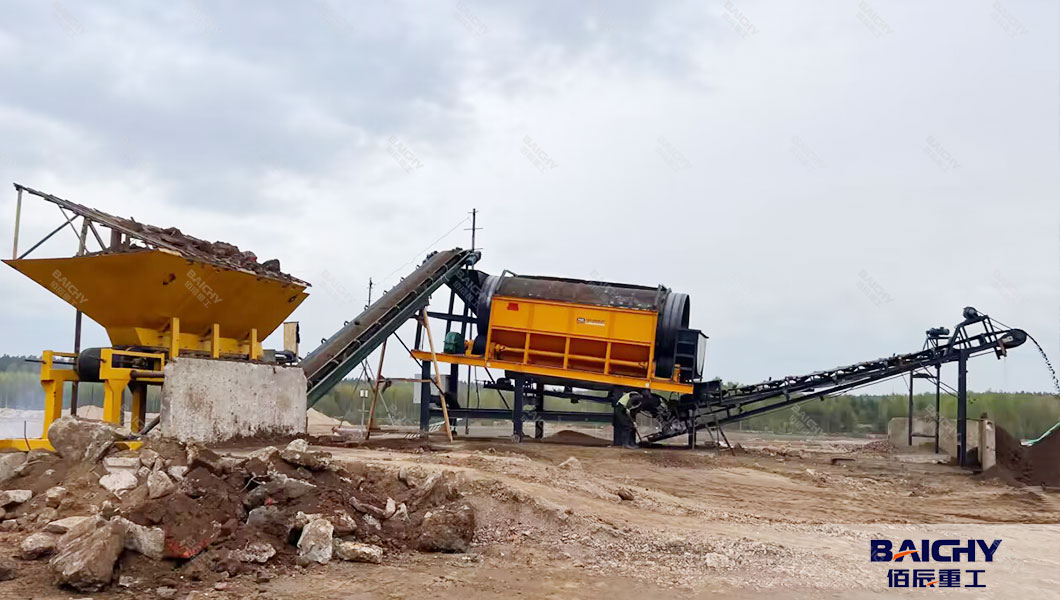
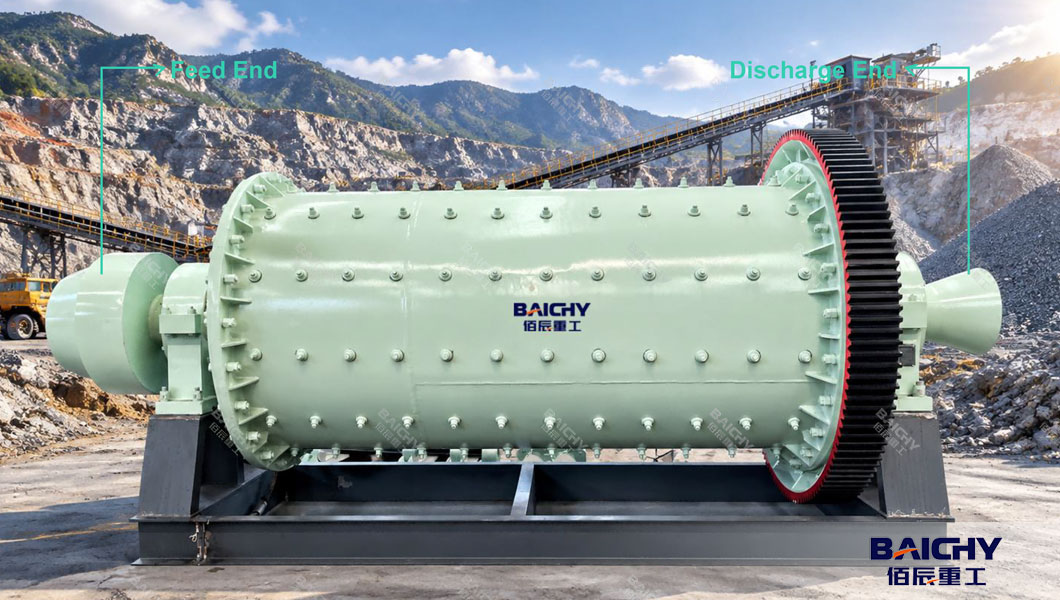
A trommel screen, also known as a rotary drum screen, is a cylindrical screening device that separates materials by size as they tumble inside a rotating drum. The drum is typically inclined, allowing gravity to assist in moving the material from the feed end to the discharge end.
How it works: The motor and reducer drive the large cylindrical drum to rotate around its axis. Material is fed into the elevated end and, as the drum rotates, it is continually turned and rolled. The tumbling action allows smaller particles to fall through the screen's apertures, while larger, oversize material is carried to the lower end and discharged.
What is a Vibrating Screen?
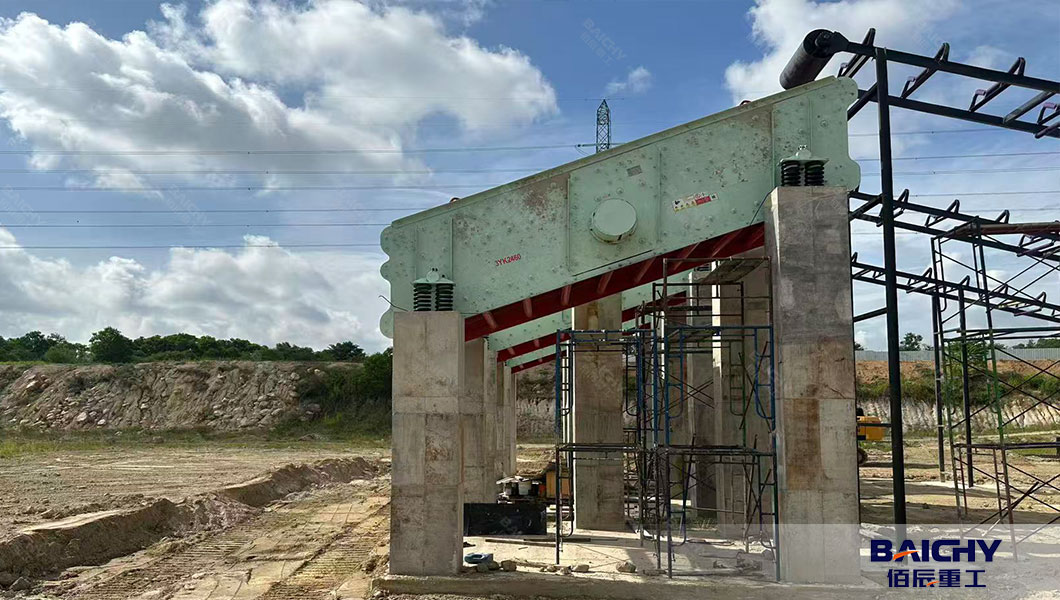
Vibrating screens are a type of screening equipment that uses mechanical vibration to separate materials. The screen deck is a flat or slightly inclined surface that vibrates at a high frequency, causing the material to bounce and move across it.
How it works: A vibrating motor (or vibrator) generates an exciting force that causes the screen box to vibrate. The vibration throws the material up into the air and propels it forward in a linear or circular trajectory. Smaller particles pass through the screen apertures, while larger ones travel across the deck and are discharged at the end.
Key Differences Between Trommel and Vibrating Screens
To choose the right screen, it's essential to understand their core differences. The table below summarizes the key distinctions.
| Feature |
Trommel Screen |
Vibrating Screen |
| Movement Type |
Rotary drum motion |
High-frequency vibration |
| Screening Accuracy |
Medium |
High |
| Capacity Range |
Lower–Medium (5–300 tph) |
Medium–Very High (50–800+ tph) |
| Material Type |
Wet, sticky, mixed waste |
Dry, graded aggregates |
| Maintenance |
Low wear, simple structure |
Higher wear on mesh & springs |
| Energy Consumption |
Lower |
Higher |
| Particle Size Control |
Limited precision |
High precision control |
| Blocking Risk |
Very low |
Medium (if wet material) |
Detailed Comparison: 7 Factors to Consider
1. Screening Method and Working Principle
This is the most fundamental difference. A trommel screen relies on the rotational, tumbling action of the drum to sift material. This is a gentle process, making it ideal for friable materials. On the other hand, a vibrating screen uses high-frequency vibration to shake particles through the mesh, which is a much more aggressive and efficient method for fine separation.
2. Moisture Content and Material Type
One of the most critical factors for choice is moisture content.
Trommel Screens excel with wet, sticky, and clay-laden materials. The tumbling action breaks up clumps, and as the screen rotates, the bottom section is always clear, preventing material from building up and clogging holes. This is why they are a favorite for compost and soil screening.
Vibrating Screens struggle with wet materials. The vibration can cause moisture to pack fines into the screen holes, leading to "blinding" where the screen becomes ineffective. They are best suited for dry, free-flowing materials like powders and granular aggregates.
3. Screening Accuracy
If your goal is to achieve tight particle-size distributions, a vibrating screen is the superior choice. The high-frequency vibration creates a "lively" bed of material that stratifies and separates with high precision. This makes them perfect for applications like final sizing of finished products or producing uniform aggregates. A trommel screen offers lower accuracy and is typically used for "coarse sizing" and removing oversized contaminants.
4. Blockage and Maintenance
All screens require maintenance, but the type of clogging differs.
The tumbling motion in a trommel screen is naturally self-cleaning. The rotation allows material stuck in the holes to fall out, which minimizes downtime.
Vibrating screens often require more frequent cleaning, especially when dealing with challenging materials. Some designs include features like ball decks to bounce on the underside of the screen and dislodge particles, but they still cannot match the self-cleaning nature of a trommel.
5. Throughput and Production Capacity
When you need to move massive quantities of material, trommel screens are the clear winner. Their high throughput and ability to continuously process material make them ideal for high-volume mining, recycling, and large-scale composting operations. Vibrating screens are more suitable for lower to moderate throughput applications where precision is prioritized over sheer volume.
6. Structural Design and Space
The design of each machine dictates the space it requires. A trommel screen has a large, often long, cylindrical footprint that requires significant floor space. In contrast, a vibrating screen has a much smaller, more compact footprint, making them a better fit for constrained spaces or for being integrated into existing production lines. However, some sources note that vibrating screens can be more structurally complex.
7. Cost Considerations
A trommel screen is often cited as a more economical and cost-effective option, especially for large-scale operations where its high throughput is a major advantage. However, the total cost of ownership must be considered. While a vibrating screen might have a lower initial price point for smaller units, the increased downtime for cleaning and maintenance on wet materials could offset those savings in the long run.
How to Choose: Which is Best for You?
The decision between a trommel screen and a vibrating screen comes down to answering one key question: What is your priority—precision or volume, and what is your material like?
Choose trommel screen if:
● Material is wet, sticky, or mixed waste
● Low–medium capacity (≤300 tph) required
● Simpler maintenance is preferred
● Recycling or pre-screening is main purpose
Choose vibrating screen if:
● High capacity production is required
● Precise particle size control is needed
● Dry aggregate or crushed stone is processed
● Integrated crushing plant operation is required
Equipment Manufacturer Expertise
Reliable screening performance depends on structural design, material quality, and engineering integration. Baichy Machinery designs both trommel screening systems and vibrating screening equipment for mining, aggregate production, and recycling industries, focusing on durability, capacity optimization, and site-specific engineering solutions.
FAQ
1. Which is better: trommel screen or vibrating screen?
It depends on material. Trommel screens are better for wet and sticky materials, while vibrating screens are better for high-precision aggregate grading.
2. Can a trommel screen replace a vibrating screen?
Not in high-precision crushing plants. Trommel screens are mainly used for coarse or pre-screening.
3. Which screen has higher capacity?
Vibrating screens generally handle higher throughput (up to 800+ tph in industrial plants).
4. Which one needs more maintenance?
Vibrating screens require more frequent maintenance due to vibration components and mesh wear.




 2026-09-28





 86-15093113821
 86-15093113821