In modern mineral processing, achieving high throughput relies heavily on the primary grinding stage. When massive blasted rocks enter a processing plant, they need to be reduced quickly and efficiently. This is exactly where the SAG mill becomes the most valuable piece of heavy machinery. This comprehensive guide will explain how semi-autogenous grinding works, explore its core components, and compare it directly to traditional ball mills and fully autogenous mills.
What is a SAG Mill (Semi-Autogenous Grinding)?
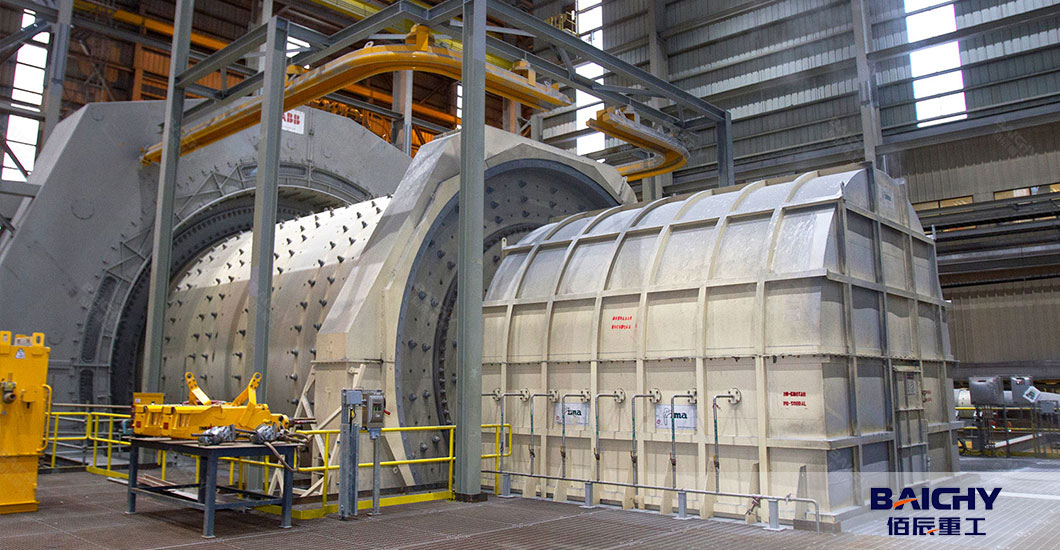
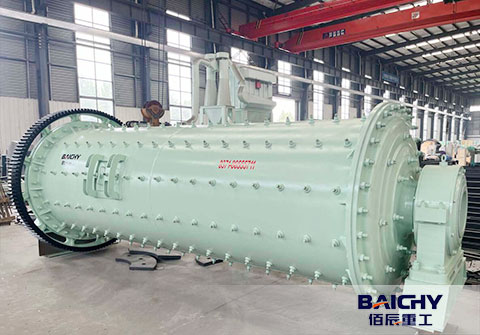
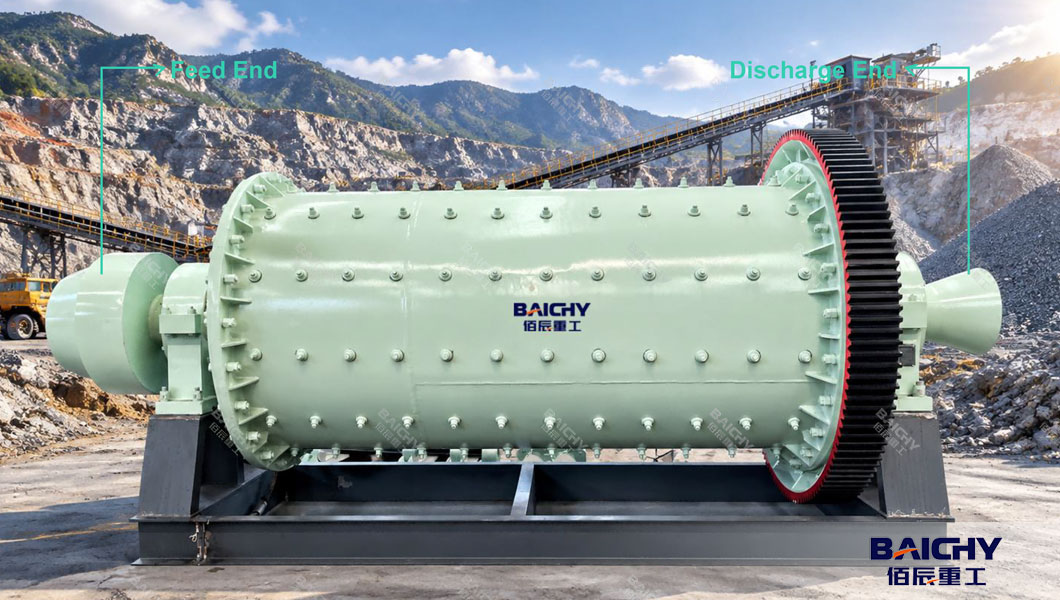
A SAG mill, short for Semi-Autogenous Grinding mill, is a massive rotating cylinder used as the first stage of rock crushing. The term "semi-autogenous" means it uses the mined ore itself to crush other rocks, but it also gets help from a small percentage of heavy steel balls. Visually, these machines are characterized by a short, wide shape, meaning their diameter is much larger than their length. Some of the biggest units in the world can reach up to 44 feet in diameter.
How Does a SAG Mill Work?
The operation of this massive machine relies on a continuous tumbling action. As the enormous cylindrical drum rotates, lifting plates carry the raw ore and steel balls up the sides. Once they reach a certain height, gravity pulls them back down in a violent cascade. This creates a dual-crushing mechanism. Falling rocks and steel media smash the material beneath them through brutal impact, while the constant rolling creates friction that grinds the ore into a finer powder.
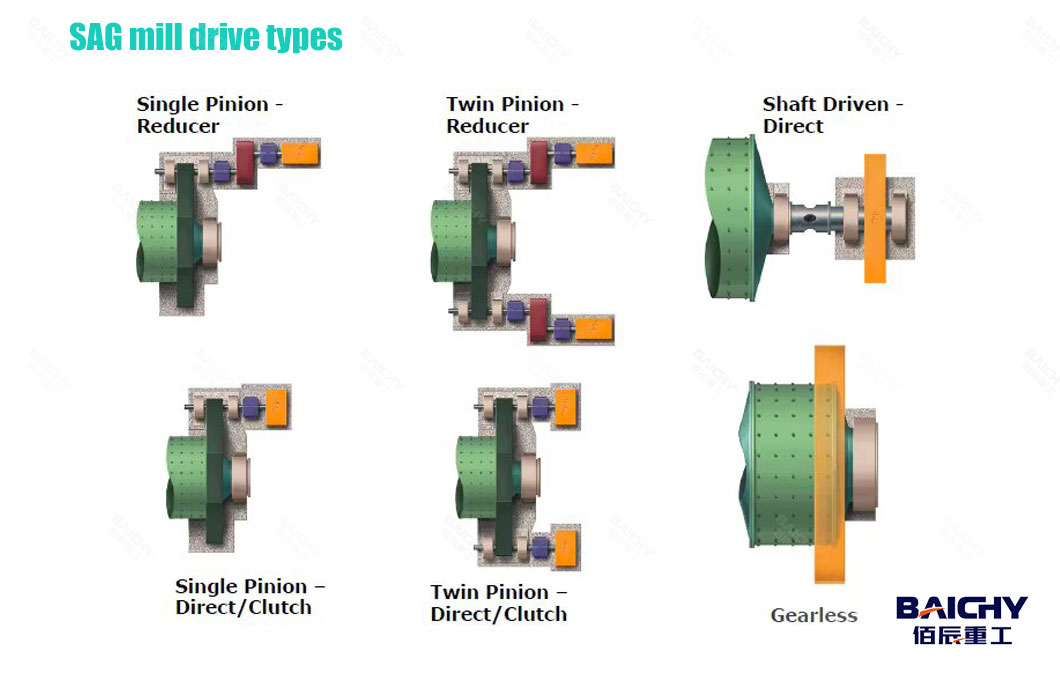
The SAG mill is a new type of grinding equipment that combines both crushing and grinding functions. It uses the material itself as the medium to crush by mutual impact and grinding. The SAG mill has two kinds of dragging modes: variable speed and different power fixed speed. Some SAG mills are also equipped with micro-motion devices. In order to facilitate the maintenance, there is a cylinder jacking device; for the large mill, in order to eliminate the static resistance torque at the start, a modern advanced technology such as a hydrostatic bearing is adopted to ensure the mill can operate safely.
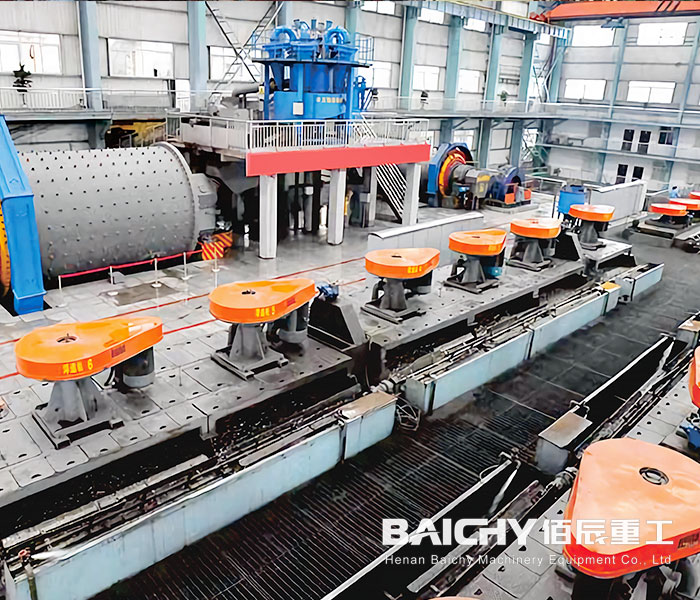
The wet self-grinding system consists of a SAG mill, a particle size control operation, a secondary grinding equipment, and a hard-to-grain-level processing facility. Usually the mineral is fed into the mill bar at a certain ratio. The self-grinding machine can grind the material to 0.074mm at a time, and its content accounts for 20% to 50% of the total amount of the product. The crushing ratio can reach 4000~5000, which is ten times higher than the ball mill and rod mill.
Key Components of a SAG Mill
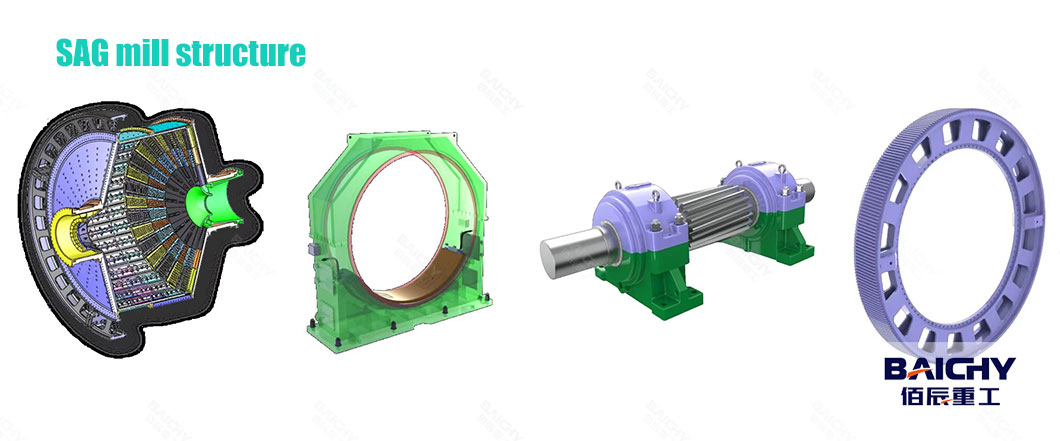
Building a machine capable of pulverizing thousands of tons of hard rock daily requires incredible engineering. A SAG mill consists of several heavy-duty parts designed to withstand extreme physical forces and constant abrasion. From the massive outer drum to the advanced motors that keep it spinning, every single piece must work in perfect harmony to guarantee uninterrupted mineral processing. Let us look closely at the primary structural elements that make this machine function.
1. Mill Shell and Heads
The mill shell forms the main body of the grinder, while the heads cap both ends. Together, they create a massive enclosed chamber that must carry an unbelievable structural load. This heavy steel framework supports not only its own massive weight but also the thousands of tons of raw ore, steel media, and internal protective liners spinning inside. These components are usually manufactured from premium cast steel to ensure they never crack under extreme operational pressure.
2. Mill Liners
The inside of the steel shell is completely covered by thick, replaceable mill liners made of durable rubber or high-manganese alloy steel. These liners serve two critical purposes. First, they protect the outer steel drum from being destroyed by the constant impact of heavy rocks. Second, they feature special raised edges called lifters. These lifters grab the ore and steel balls, carrying them up the side of the rotating drum so they can crash down and crush the material below.
3. Drive System and Trunnion Bearings
Rotating such a colossal, heavy cylinder requires a tremendous amount of energy. Large SAG mills are equipped with extremely powerful motors, using either a traditional gear-driven system or an advanced gearless ring motor. To keep the enormous drum spinning smoothly, it rests on massive trunnion bearings. These heavy-duty support bearings allow the fully loaded machine to rotate continuously while absorbing the intense vibrations generated by the violent grinding process inside.
SAG Mill Structural Features
The end cap and the cylinder are not vertically connected, and the end cap liner is tapered;
1. The drainage grid plate is added on the side of the discharge end, and the grinded material pass through the grid plate , then the cone cylinder sieve, material which cannot pass the seive is returned to the mill by the spiral self-return device, so closed grinding system is formed, which can further control the size of the product and reduce the amount of returning ore;
2. Use a mobile feeder truck for the side mine;
3. The girth gear is fixed on the hollow journal of the discharge end. The other part of the mill is constructed in much the same way as a dry SAG mill
In the mining industry, you will frequently hear about SAG, AG, and ball mills. While they all utilize a rotating steel drum to crush rocks, their internal mechanics and roles within the processing plant are entirely different. Choosing the wrong machine can drastically lower a plant's efficiency. Understanding the specific differences in their shape, grinding media, and operational stage is essential for optimizing any large-scale mineral processing operation.
1. SAG Mill vs. Ball Mill
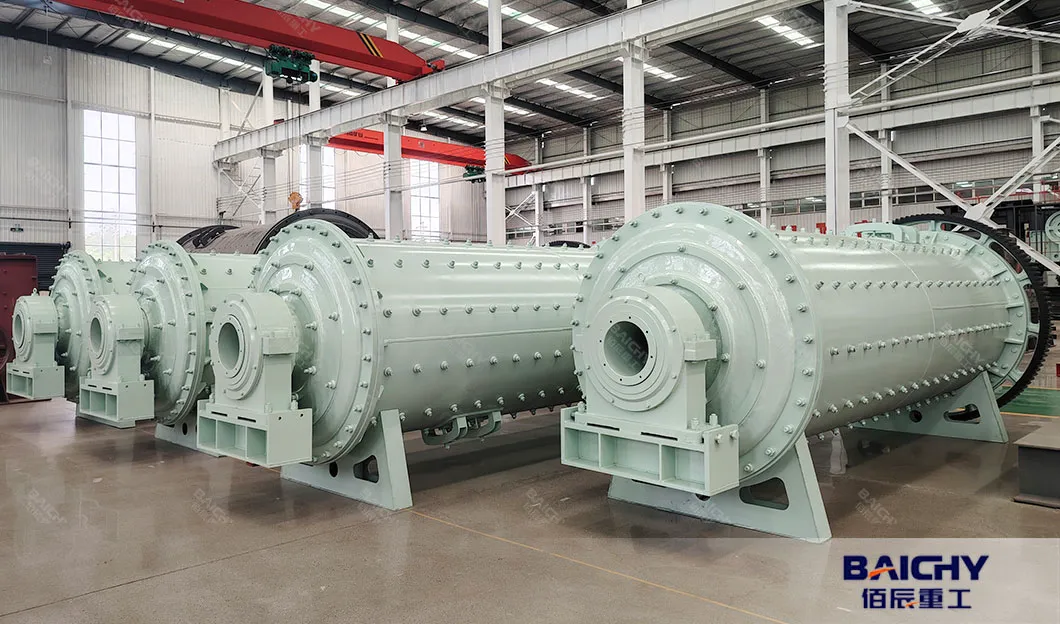
The physical shape and grinding media clearly separate these two machines. A SAG mill is short and wide, whereas a ball mill is long and narrow. In terms of media, a SAG mill only uses about 8% to 21% steel balls, relying mostly on the rocks to crush each other. Conversely, a ball mill is heavily loaded with over 30% steel balls to do all the work. Typically, the SAG mill performs the rough primary grinding, and then sends the smaller rocks into the ball mill for fine grinding.
2. SAG Mill vs. AG Mill
The difference between these two machines is simple but highly impactful. An AG mill, or Autogenous Grinding mill, uses absolutely zero steel balls. It relies 100% on the large rocks smashing into each other to grind the ore. However, if the raw ore contains incredibly hard, unbreakable rocks, an AG mill will struggle to process them. A SAG mill solves this exact problem by adding a small charge of heavy steel balls to easily shatter those stubborn, critical-size rocks.
Major Industrial Applications
Because of their massive size and incredible throughput capacity, SAG mills are the absolute cornerstone of modern, large-scale mining operations. They are heavily utilized in the extraction of precious and base metals around the globe. You will almost always find these giant machines acting as the primary grinding stage in gold, copper, platinum, and iron ore processing plants. For any mining project requiring thousands of tons of ore processed daily, this machine is mandatory.
Maintenance and Optimization Trends
Operating a giant grinder is an incredibly expensive process, consuming massive amounts of electricity and wearing down steel parts daily. Therefore, modern mining companies are constantly looking for new ways to optimize performance and prevent unexpected breakdowns. Today, the industry is rapidly shifting toward advanced digital technologies and strict preventive maintenance routines to extend the lifespan of these vital machines and significantly lower daily operational costs.
1. Smart Monitoring Tools
Modern SAG mills are now equipped with highly advanced smart monitoring systems. Tools like acoustic sensors and smart slicers continuously listen to the noise and measure the vibrations coming from the spinning drum. By analyzing this real-time data, engineers can instantly adjust the rotation speed or the feed rate. This smart technology ensures the machine is always running at peak efficiency while preventing the heavy steel balls from directly smashing the inner liners.
2. Liner Profiling and Lubrication
Preventing sudden equipment failure is much cheaper than fixing a broken machine. Mining operators now use advanced 3D laser scanning to perform precise liner profiling. This allows them to track exactly how fast the internal protective plates are wearing out, letting them schedule replacements perfectly. Furthermore, applying proper, high-quality lubrication to the massive trunnion bearings is absolutely critical to reduce dangerous friction and prevent unscheduled plant shutdowns.
The SAG mill stands as one of the most powerful and essential inventions in the global mining industry. By cleverly combining the crushing weight of raw ore with the raw impact of steel balls, it provides an unbeatable method for high-capacity rock reduction. Whether processing copper or refining gold, understanding how to operate, maintain, and optimize these massive machines is the ultimate key to running a highly profitable and sustainable mineral processing plant.
People Also Frequently Asked For - FAQ
1. What is a sag mill used for?
Semi-Autogenous Grinding (SAG) mills use grinding balls and the ore itself to break ore down to the desired particle size. Our SAG mills are suitable for hard, abrasive ores such as gold, copper and iron ore and are typically used for primary or intermediate grinding in mineral processing plants.
2. Do sag mills use water?
AG mills use the ore itself as the grinding medium, while SAG mills include additional free-moving metal balls to enhance grinding. The feed, typically consisting of ore and water, enters one end of the mill and tumbles along due to the rotational motion of the shell, shrinking in size due to impact and abrasion.
3. Does a sag mill use balls?
SAG mills are autogenous mills that also use grinding balls like a ball mill. A SAG mill is usually a primary or first stage grinder. SAG mills use a ball charge of 8 to 21%.




 2026-09-28





 86-15093113821
 86-15093113821