Many people think buying a jaw crusher is like buying any other machine. You look at the price, check the brand, ask about delivery, and make the payment. But that is rarely the full story. A jaw crusher is a long-term investment. If you choose the wrong one, you will face high operating costs, frequent breakdowns, and lost production time. To avoid these problems, you need a set of practical skills. These include understanding your material, knowing how to inspect key components, and being able to talk to suppliers like a pro. This guide will walk you through each of those skills step by step.
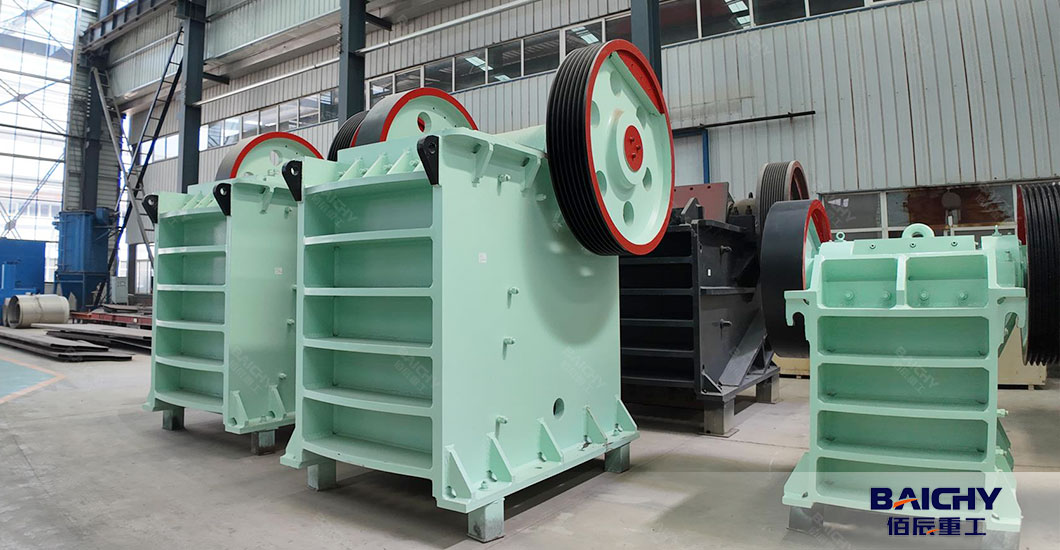
Technical Assessment and Sizing Skills
Before you even contact a seller, you must understand your own job site requirements. This is the most important step. Many buyers skip it and end up with a machine that is either too small or too expensive to run. Let’s break down the key skills you need in this phase.
1. Material Hardness Analysis
Not all rocks are the same. Granite and basalt are hard and require a lot of crushing force. Limestone and sandstone are softer and easier to process. If you buy a crusher that is not strong enough for your material, the jaws will wear out fast. You will also use more fuel or electricity. On the other hand, buying an overpowered machine for soft material wastes money. So, your first skill is to identify the hardness of your feed material. You can do a simple scratch test or ask a local lab for a compressive strength number. Once you know your material, you can match it to the right crusher model.
2. Capacity and Feed Opening Calculation
A common mistake is buying a crusher based only on horsepower or brand name. But the real performance comes from two numbers: capacity and feed opening size. Capacity tells you how many tons per hour the machine can process. Feed opening size tells you the biggest rock it can accept. If your feed opening is too small, you will need to pre-crush your material, which adds time and cost. If your capacity is too low, your whole operation slows down. So, you must calculate your target output first. Then, look for a crusher that gives you a little extra room, say 10-20% more than your current need. This allows for future growth.
3. Durability and Safety Feature Evaluation
A jaw crusher works in a tough environment. Dust, vibration, and heavy loads are normal. That is why you need to check for durability and safety. Look at the frame construction. Is it made from thick, welded steel? Check the bearings and flywheels. They should be well-sealed against dust. Also, ask about safety features. Modern crushers come with emergency stops, belt guards, and dust suppression systems. These protect your workers and help you follow OSHA or MSHA rules. A machine that looks good but lacks basic safety features is not a good deal, no matter the price.
Supplier and Cost Evaluation Skills
Once you know what you need technically, the next step is to find the right seller. This is where many buyers get into trouble. They focus only on the lowest price. But the best price today can lead to the highest cost tomorrow.
1. How to Screen a Reliable Supplier
A good supplier does more than sell you a machine. They offer support, spare parts, and technical advice. So, before you sign anything, ask a few questions. How long have they been in business? Do they stock wear parts like jaw plates and bearings? Can they provide references from other buyers in your area? You can also check online reviews. A reliable supplier will be happy to answer these questions. If a seller avoids them or pushes you to make a quick decision, that is a red flag. Walk away and find someone else.
2. Total Cost of Ownership Analysis
The purchase price is only the beginning. You also need to think about fuel or electricity, wear parts, maintenance labor, and downtime. For example, a cheap machine might use more fuel and need new jaw plates every two months. A slightly more expensive machine might use less power and run for six months without repairs. To make a smart choice, calculate the total cost over one year or three years. Include everything: purchase price, shipping, installation, spare parts, and expected fuel use. This number gives you the real cost. Often, the mid-priced option saves you money in the long run.
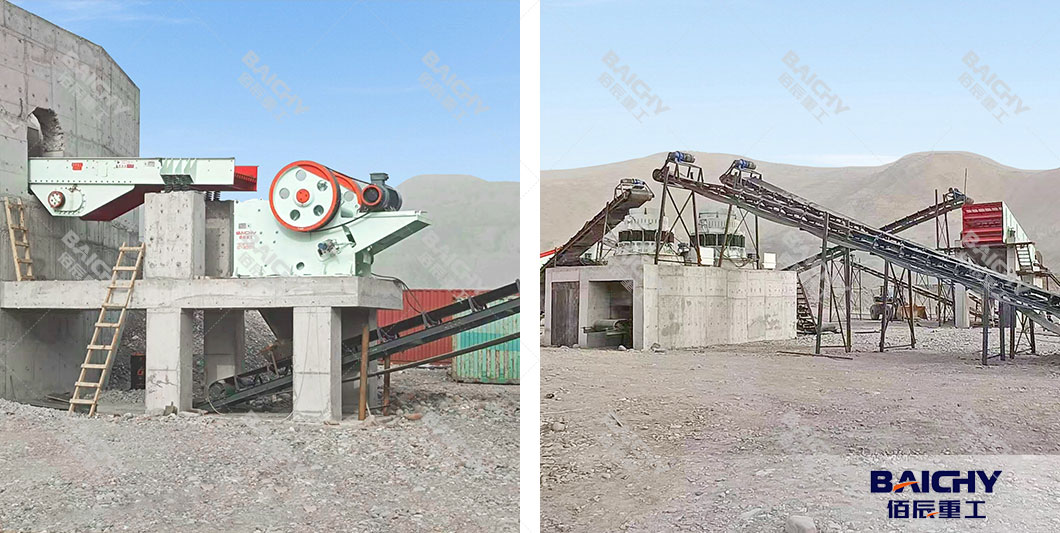
Operation and Maintenance Knowledge
You bought the crusher. Now you need to run it and keep it running. Even the best machine will fail early if you skip maintenance. The following skills will help you protect your investment.
1, Daily and Weekly Maintenance Routines
Good maintenance is simple but consistent. Every day, check the jaw dies for wear. Look at the belt tension and listen for unusual noises. Once a week, grease all bearings and check the flywheel condition. Also, tighten all visible bolts. Loose bolts are a common cause of frame cracks. Keep a simple logbook. Write down what you checked and what you found. This helps you spot small problems before they become big ones. For example, if you see the same bolt loose twice in a row, you know something is wrong with that part. Do not ignore it.
2.Troubleshooting Common Problems
Even with good maintenance, things can go wrong. Knowing how to spot the early signs saves you time and money. If the crusher suddenly loses power, check for a jam or worn jaw plates. If you hear a knocking sound, look at the flywheel bearings or the toggle plate. If the machine vibrates too much, check if the flywheel is balanced. These are common issues. You do not need to be a mechanic to catch them. You just need to pay attention. Train your operators to report any change in sound, vibration, or performance. Then, act fast. Waiting often turns a small fix into a big repair.
Budgeting and Negotiation Skills
You know the machine. You know the supplier. Now comes the final step: making the deal. This part is not about tricks. It is about using your knowledge to get fair terms.
1. How to Value a Used Jaw Crusher
If you are buying a used machine, you need extra skills. Start with a visual inspection. Look for signs of welding on the frame. That could mean a previous crack. Check the flywheels. Spin them by hand and look for wobble. Then, ask for maintenance records. A good owner will have logs of oil changes, part replacements, and repairs. Run the machine if possible. Listen for knocks and watch for smoke. A used crusher can be a great value, but only if you know what to look for. If you are not sure, bring an experienced operator or mechanic with you.
2. Technical Negotiation Tips
When you talk to a seller, use the terms you have learned. Mention feed opening, CSS (closed side setting), and wear life. This shows you are not a beginner. Then, ask for a detailed quote. It should list the machine, warranty, delivery terms, and a list of included spare parts. Do not be afraid to negotiate on payment terms or free training. Many suppliers will offer a small discount or extra parts if you ask politely. Also, ask about return or exchange policies. A fair seller will give you at least a short period to test the machine on your site. Use this time wisely.
Buying a jaw crusher does not have to be stressful. You just need the right skills. Start with material analysis and capacity calculation. Then, screen your supplier carefully and look beyond the price tag. Learn basic maintenance and troubleshooting. Finally, use your knowledge to negotiate with confidence. Each of these skills builds on the last. Together, they turn you from a nervous buyer into a smart investor. Take your time, do your homework, and choose a machine that will serve you well for years.




 2026-09-15






 86-15093113821
 86-15093113821