Stuck on Recovery? Don't Just Blame the Ore – Check These 3 Hidden Culprits
It's a question that echoes through the mining industry: Why do some processing plants, after years of operation, hit a plateau with recovery rates that refuse to budge? You've cycled through countless reagents, tweaked flowcharts, and brought in technical experts, yet the numbers remain stubbornly flat. Many are quick to point fingers at "difficult ore," but a deeper look often reveals a far more complex picture. Persistent low recovery isn't just a glitch in one step; it's a systemic breakdown across your entire understanding, technical execution, and management framework.
The Perception Trap: Is Your "Mineral Processing" Just "Mixing Chemicals"?
Many plant managers unfortunately view mineral processing solely through the lens of "mixing chemicals." When recovery dips, the immediate reaction is, "The reagents aren't working!" This leads to a frantic cycle of trying new collectors, adjusting inhibitors, and experimenting with formulations. After all this effort, the metrics haven't improved, but the reagent bill certainly has.
This common misconception stems from oversimplifying mineral processing—a complex engineering discipline—into a mere "reagent formula" problem. What is the true essence of mineral processing? It's a sequence of physical and chemical processes—crushing, grinding, classification, flotation—designed to liberate valuable minerals from gangue. Reagents are just one link in this chain, and often not even the most critical one.
Consider this:
● Insufficient Grinding: If minerals aren't properly liberated, even the best reagents can't capture them.
● Unstable Slurry Concentration: Fluctuations create an inconsistent flotation environment, making reagent performance erratic.
● Operator Blindness: If operators only press buttons without observing the froth, even precisely added reagents are wasted.
Treating mineral processing as simply mixing chemicals is like trying to cure an illness by prescribing medication without a proper diagnosis. Success would be purely accidental.
The Technical Bottleneck: Three Overlooked Control Points
On the technical front, stalled recovery rates often get snagged at three crucial control points.
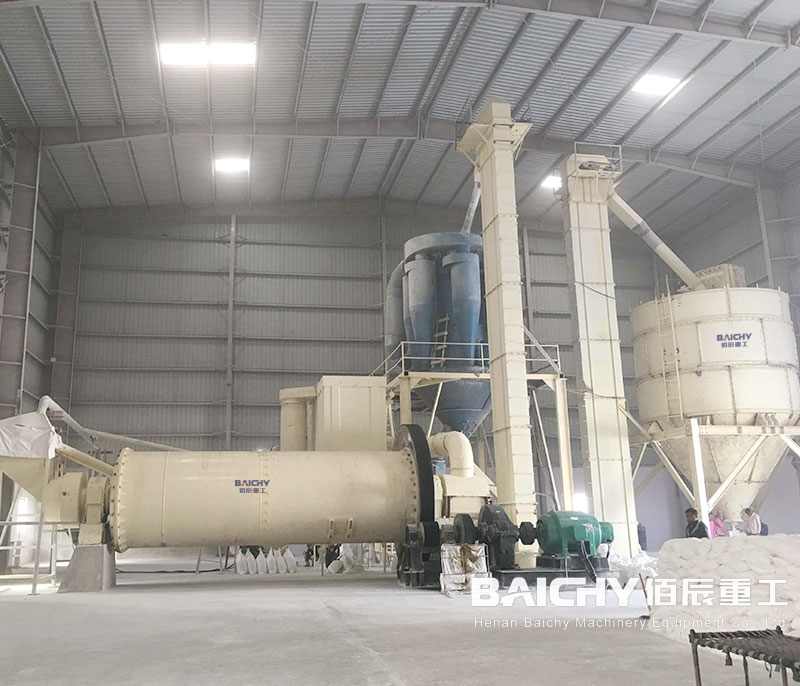
1. Grinding Fineness: The Foundation of Liberation
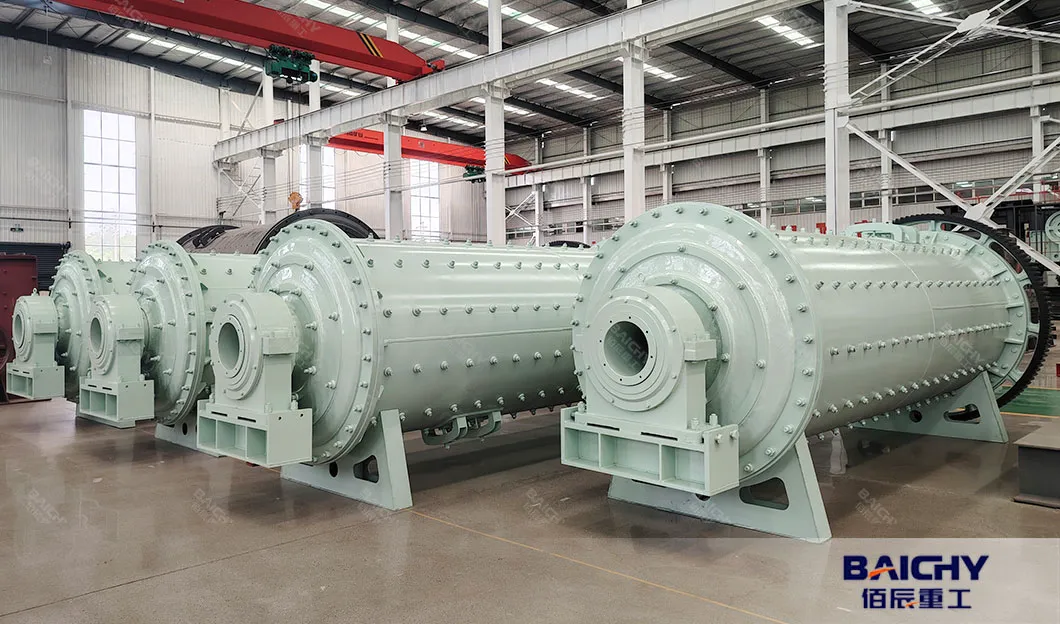
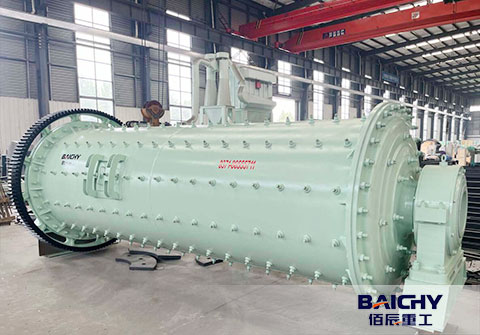
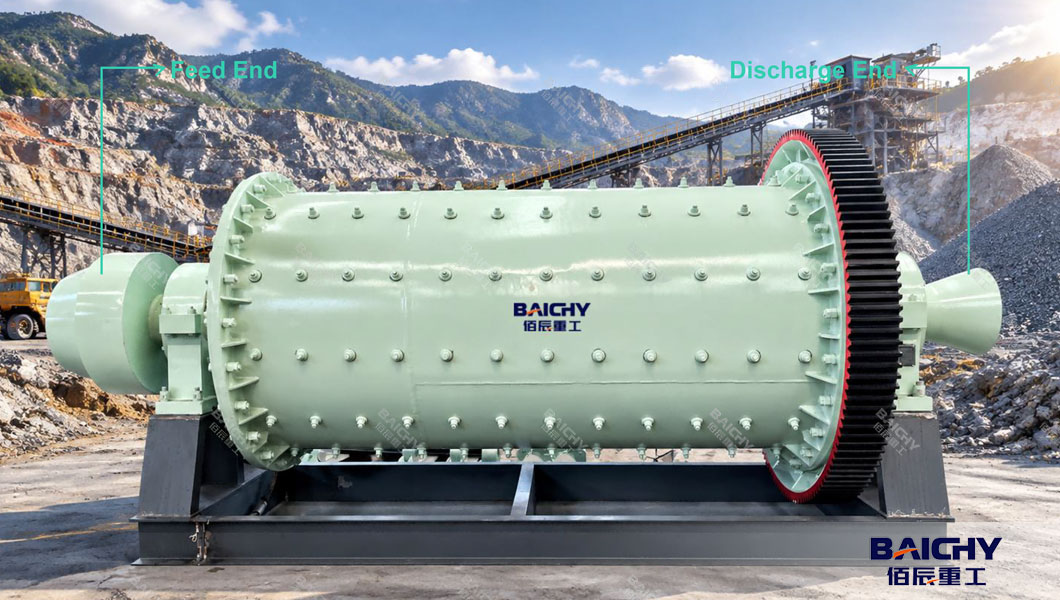
This is the bedrock of mineral processing. If minerals aren't liberated, all subsequent processes are futile. Many plants are designed for a -200 mesh particle size at 75%, but in practice, to boost output or save power, they often run closer to 65%. That 10% difference means a significant portion of valuable minerals remains locked within the gangue, never getting a chance to float.
Case in Point: A gold mine increased its grinding fineness from 65% to 75%, boosting recovery from 72% to 81%. This single adjustment translated to tens of millions in increased annual profit. Yes, power consumption rose, but the additional revenue far outweighed the extra electricity costs.
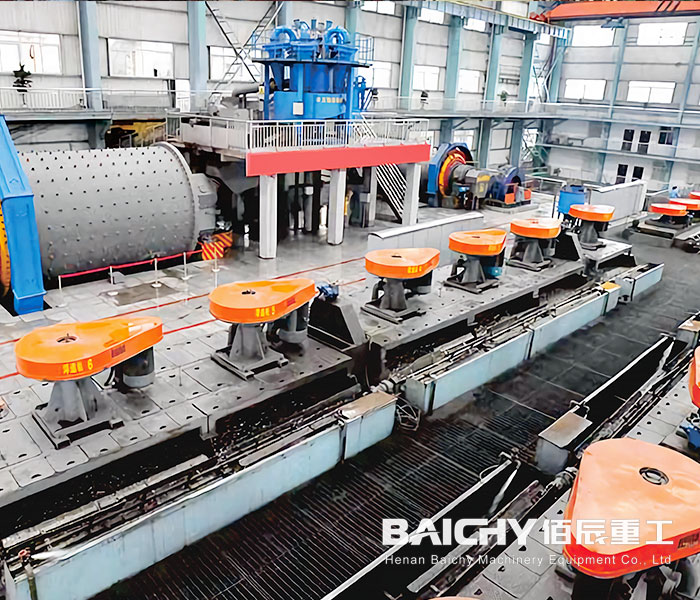
2. Slurry Concentration: The Heartbeat of Flotation
Slurry concentration directly impacts flotation time and reagent effectiveness. Too high, and bubbles become overloaded, causing coarse particles to drop; too low, and throughput suffers, increasing unit costs. Many plants rely on an operator's "feel" to adjust concentration, leading to inconsistent recovery rates that rollercoaster daily.
3. Froth Condition: The Unsung Indicator
This is arguably the most neglected aspect. The color, size, luster, and tenacity of the froth directly reveal flotation efficiency. Dark froth often indicates high-grade concentrate; gray froth suggests excessive gangue entrainment; overly stable froth might mean too much reagent, while easily broken froth points to insufficient dosage. These nuances are invisible to instruments but immediately apparent to an experienced operator.
Unfortunately, many flotation operators primarily monitor control panels, rarely glancing at the flotation cells themselves. They know how to press buttons, but not how to "read the froth." How can recovery improve under such conditions?
The Management Shortfall: Why Aren't Technicians on the Floor?
Technical issues can be rectified, but managerial flaws often prove intractable. In many plants, this is a typical technician's day: arrive at the office, open the computer, review reports. If recovery is low, they speculate: Is it the raw ore grade? Are the reagents off? Is the slurry concentration wrong? After much guessing, a report is written, instructing operators to adjust various parameters, but the metrics remain stagnant.
A truly skilled technician doesn't speculate from an office; they are on the plant floor observing. They listen to the mills, examine the froth in the cells, and check flow rates in the reagent room. The problem's root cause becomes evident with a firsthand inspection.
Why aren't technicians on the floor? Because the appraisal system doesn't compel them to be. Many plants evaluate technicians based on "attendance rates" or "report completion rates," not "recovery rate achievement." If they can meet their KPIs from an office, why would they go to the plant floor?
Managerial problems ultimately demand solutions within the appraisal system. What you assess is what your employees prioritize. If you only evaluate report writing, that's all they'll do—what connection does recovery have to them?

Appraisal Disconnect: Who Owns Recovery?
Many plant appraisal systems suffer from a fundamental flaw: no one truly owns the recovery rate. The plant manager is accountable for output, sales for volume, and finance for costs. But recovery? Everyone seems responsible, yet no one is ultimately accountable. Technicians blame the ore, operators blame reagents, and metallurgists blame the process. This cycle of blame ensures problems persist indefinitely.
This disconnect in accountability leads to a crucial outcome: nobody has the intrinsic motivation to solve recovery problems. If a technician improves it, it's expected; if not, it's the ore's fault. If an operator hits targets, there's no extra reward; if they miss, there's no penalty. So, who's truly incentivized to put in the extra effort?
The recovery rate demands a "primary responsible person." This individual must be accountable for results, possess resource allocation authority, and be able to mobilize technical, operational, and equipment teams. Without this dedicated owner, recovery remains "everyone's problem," eventually becoming "no one's problem."
The Right Path to Resolution: From "Cure" to "Check-up"
Persistent low recovery is not a singular issue; it's a systemic one. Solving it requires moving beyond a "symptom-first" approach and establishing a comprehensive "health check" mechanism. This mechanism should operate on three levels:
1. Ore Property Check-up
Regularly conduct process mineralogy analyses to understand any changes in the ore. Has the oxidation rate changed? Is the liberation size finer? Are there more associated minerals? Understanding the "hand" you've been dealt with the ore is crucial for knowing which direction to push.
2. Process Flow Check-up
Periodically conduct flow audits, taking samples at various points for assay to pinpoint exactly where significant losses occur. High rougher tailings grade indicates a problem in the rougher circuit; high scavenger tailings point to the scavenger circuit; low concentrate grade suggests an issue in the cleaner circuit. Data never lies.
3. Operational Management Check-up
Spend a full day on-site. Observe what operators are doing, what technicians are doing, and what's recorded in shift handover logs. If no one is observing froth, no one is adjusting reagents, and handover logs just state "normal"—these are clear signs of management issues.
Ultimately, perpetually low recovery cannot be summed up by the simple phrase "difficult ore." It's a confluence of perceptual errors, technical limitations, managerial shortcomings, and flawed accountability.
Mistaking mineral processing for mere chemical mixing is a cognitive bias. Overlooking grinding fineness, slurry concentration, and froth condition are technical blind spots. Technicians confined to offices and misaligned appraisal systems are managerial gaps. And the absence of a clear owner for recovery is a systemic deficiency.
The solution isn't a "magic bullet." It requires returning to the fundamentals of mineral processing, meticulously managing every process step, every control point, and every responsible individual. There are no shortcuts, but with the right direction, every step counts. After all, recovery isn't just a technical metric; it's the lifeblood of mine profitability.
People Also Frequently Asked For - FAQ
1. Q: My mineral processing recovery rate is consistently low. Is it because my ore is just too difficult to process?
A: Not necessarily. While ore characteristics are important, low recovery is often due to systemic issues like perception traps, technical bottlenecks, and management shortcomings, rather than just "difficult ore."
2. Q: Besides changing reagents, what else can I do to improve my recovery rate?
A: Focus on three critical technical control points:
● Grinding Fineness: Ensure minerals are adequately liberated.
● Slurry Concentration: Maintain stability for optimal flotation conditions.
● Froth Condition: Train operators to observe froth and make timely adjustments to flotation.
3. Q: How can I identify the real root cause of my persistent low recovery rate?
A: Conduct a systematic "health check" for your plant:
● Ore Property Check-up: Regularly analyze changes in ore characteristics.
● Process Flow Check-up: Take samples and assay at various points to pinpoint loss areas in the circuit.
● Operational Management Check-up: Observe on-site activities to identify management and operational deficiencies.




 2026-09-28





 86-15093113821
 86-15093113821