Whether you are cleaning up dirt in your backyard garden or managing thousands of tons of material at a commercial quarry, separating sand from rocks is an essential task. The challenge is that sand, soil, and gravel are often tightly mixed together, especially when the ground is wet and sticky. Choosing the absolute best way to separate them depends entirely on the scale of your project. Are you dealing with a few buckets of dirt, or do you need to process massive volumes of heavy aggregate every hour? This complete guide explores the most effective separation methods, ranging from simple DIY hand tools to powerful, heavy-duty industrial machinery.
Method 1: The Best DIY Ways for Home and Gardening
If you are working on a small landscaping project, a vegetable garden, or a children's sandbox, you do not need expensive machinery. The simplest and most cost-effective method is using a handheld rock sifter. These handy tools look like large flour sifters and are typically made of a wooden or metal frame tightly fitted with a strong wire mesh (such as a 5mm or 3.8mm screen). To use it, you simply shovel the mixed material into the frame and shake it vigorously back and forth over a wheelbarrow. The fine sand and loose soil easily fall through the tiny holes in the mesh, leaving only the larger, clean rocks behind in the tray.
Method 2: Industrial Vibrating Screens
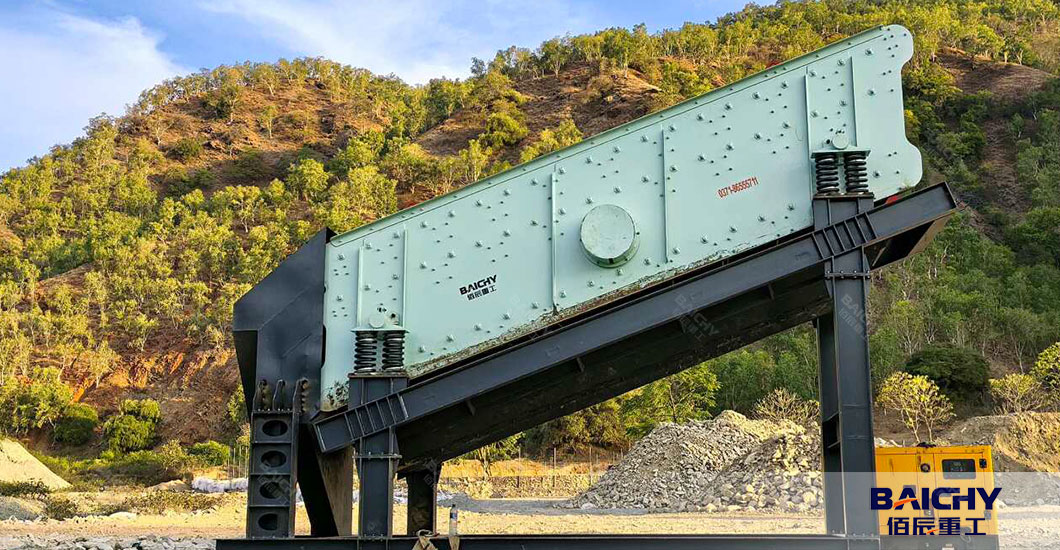
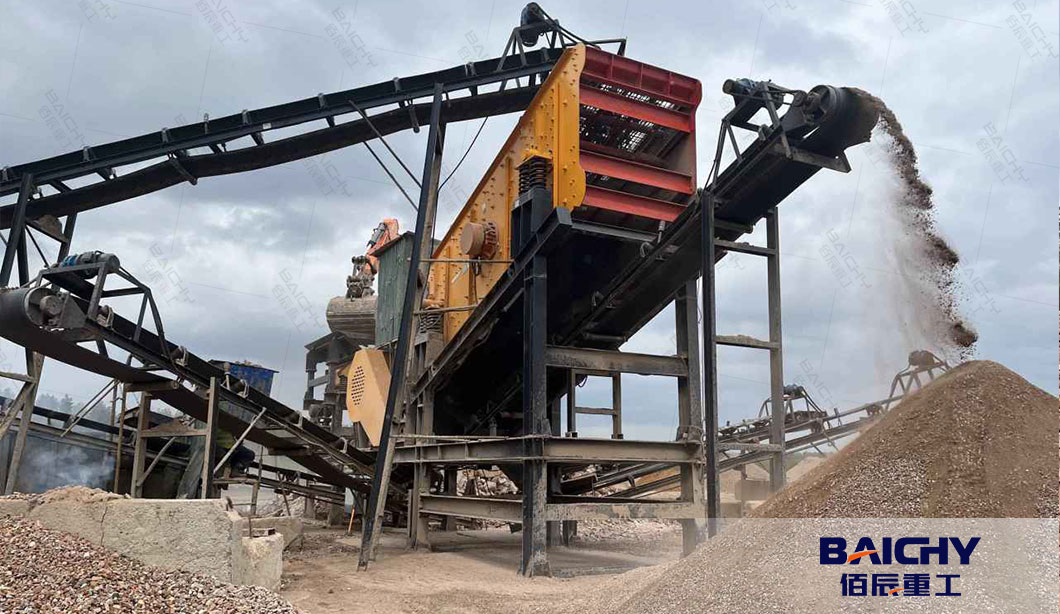
When it comes to a commercial construction site or a large aggregate quarry, manual sifting becomes impossible. For massive volumes of material, the industrial vibrating screen is the absolute industry standard. These massive, multi-tiered machines use incredibly powerful vibrating electric motors to rapidly shake the entire screening deck. As tons of raw material pour onto the top deck, the violent bouncing action violently forces the fine sand to drop through the steel mesh layers, while the large, oversized rocks bounce forward into a separate collection pile.
Dry vs. Wet Screening
The choice between dry and wet screening on these massive vibrating decks is absolutely critical to your final product quality. Dry screening is the standard method used when your raw material is relatively dry, loose, and completely free of sticky, plastic clay. The electric motors simply shake the dry sand through the tiny holes in the steel mesh. However, if your raw material is soaking wet and tightly bound with thick mud, dry screening will fail instantly. The wet clay will plug the tiny holes, completely blinding the screen. To solve this, operators use wet screening. They install high-pressure water spray bars directly above the vibrating mesh. As the material violently shakes, the powerful water jets blast the sticky clay off the rocks, forcing the clean sand and dirty water to flush rapidly through the screen.
Method 3: Roller Mud and Stone Separators- Trommle Screen
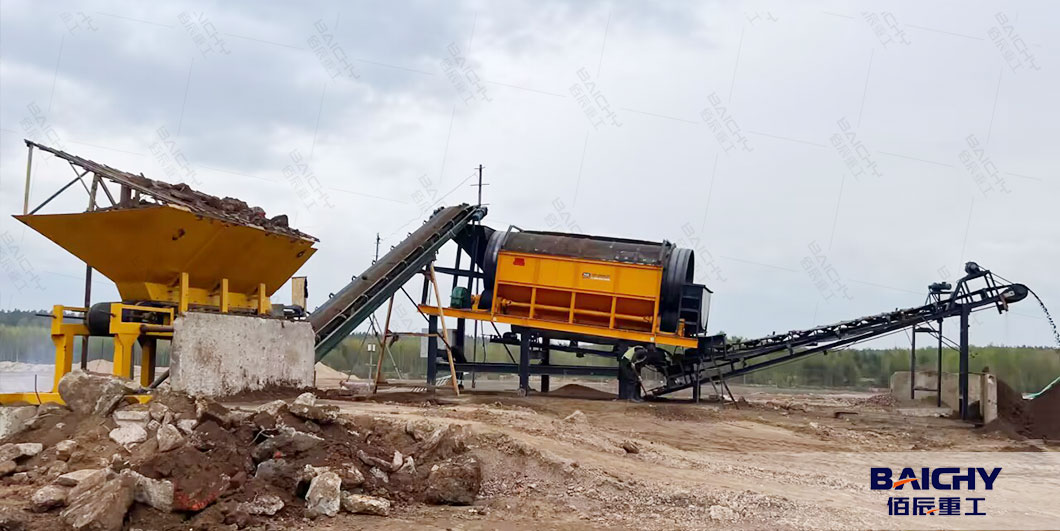
Sometimes, your raw material is incredibly difficult to process. If you are dealing with wet, sticky mud mixed tightly with large rocks, a traditional vibrating screen will quickly fail. The wet clay will instantly plug the tiny holes in the wire mesh, bringing your entire production line to a halt. The ultimate solution for this nightmare is a roller mud and stone separator. Also known as a rotary screen, this machine uses parallel, rotating steel shafts fitted with thick, elliptical discs. As the shafts spin, they actively carry the large rocks forward across the top of the discs. Meanwhile, the sticky mud and fine sand easily fall through the wide gaps between the spinning shafts. This brilliant design makes the machine completely self-cleaning and completely clog-proof.
Method 4: Aggregate Washers and Separators
Selecting the right separation method is critical to saving time and money. To choose the perfect equipment, you must carefully evaluate three key factors regarding your specific project.
1. Volume and Capacity
Your required daily production volume is the most important factor. If you only need to process five buckets of topsoil for a backyard garden, a simple twenty-dollar manual wire sifter from Amazon is perfect. However, if you are a commercial contractor who needs to separate five hundred tons of raw blasted rock and sand every single hour, you must invest heavily in a massive, multi-deck industrial vibrating screen to handle that immense, continuous workload.
2. Moisture Content
The moisture content of your raw material dictates the mechanical design of the machine you need. If your dirt is bone dry and flows easily, standard dry screening works beautifully. But, if your material is soaking wet and incredibly sticky, like thick river clay mixed with boulders, a standard screen will instantly clog. In that specific scenario, a heavy-duty roller mud separator is your only reliable, self-cleaning option to keep production running smoothly.
3. Budget
Your available capital investment will determine the scale of your separation system. A basic handheld garden sifter is incredibly cheap and highly portable. On the other hand, a massive, fully automated industrial sand washing plant equipped with high-pressure water pumps and spiral classifiers can cost tens of thousands of dollars. Always match the machinery to your exact material needs and daily capacity goals to ensure a highly profitable return on your financial investment.
How to Choose the Best Separation Equipment for Your Needs?
Selecting the right separation method is critical to saving time and money. To choose the perfect equipment, ask yourself three simple questions. First, what is your required volume? If you process 500 tons an hour, you must buy a heavy-duty vibrating screen. Second, what is the moisture content of your material? If your dirt is soaking wet and incredibly sticky, a roller mud separator is your only reliable option. Third, what is your budget? A simple wire hand sifter costs twenty dollars on Amazon, while a massive, multi-deck industrial washing plant can cost tens of thousands of dollars. Always match the machinery to your exact material and daily capacity goals.
Separating sand and rocks does not have to be a frustrating, labor-intensive chore. By understanding the unique properties of your mixed material, you can easily select the most efficient method to get the job done. Whether you choose a simple DIY garden sifter or invest heavily in a high-capacity roller screen, the right tool will instantly maximize your daily productivity and leave you with perfectly clean, separated materials. Contact the expert engineering team at Baichy Machinery today! We design and manufacture highly customized industrial vibrating screens, roller mud separators, and powerful sand washing plants to maximize your production line. Reach out now for a free material analysis and equipment quote!




 2026-09-28





 86-15093113821
 86-15093113821