Home About us
Products
News
Solution
Video Service Contact us
Home  /  News

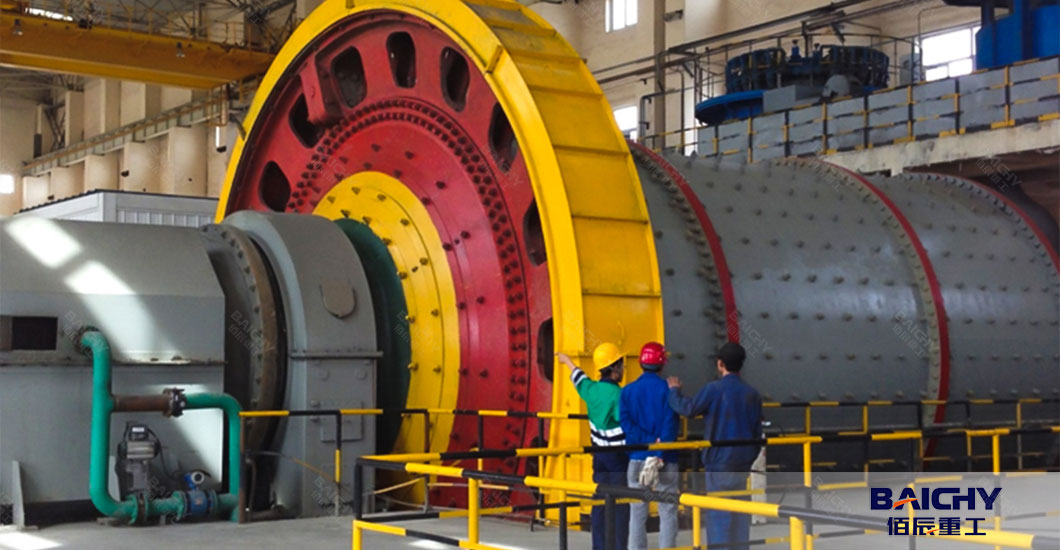
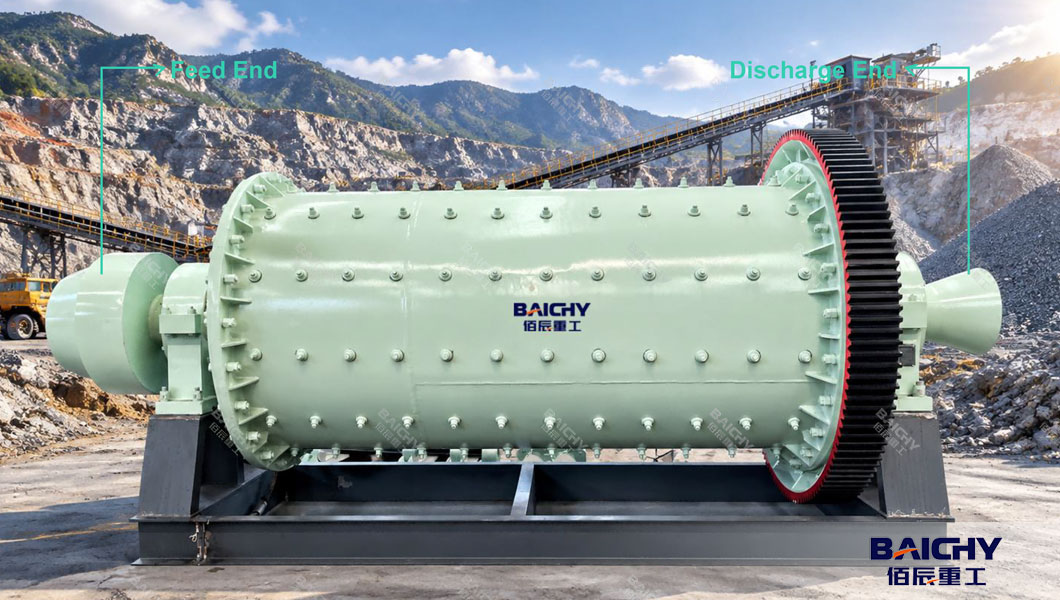
In the world of mining and mineral processing, pebble crushing is one of the most demanding tasks. Pebbles are hard, rounded rocks that often appear in SAG (Semi-Autogenous Grinding) mill circuits or ball milling systems. Their unique shape and hardness make them difficult to break, causing operational headaches if left unchecked. Proper pebble crushing not only prevents circuit bottlenecks but also improves grinding efficiency and overall production output.


What-is-a-Pebble-Crusher-01.jpg


What Are Pebbles and Why They Matter

Pebbles are more than just small stones. In mining, they are defined as critical-size chunks of hard, rounded ore or rock that recirculate in milling circuits. Their key characteristics include:

● High hardness: Often comparable to the hardest ores being processed.
● Rounded shape: Makes them difficult to grip or crush.
● Critical size: Too large for efficient milling, they can decrease throughput if not removed.

Managing these pebbles is essential to maintain optimal SAG or ball mill performance. Ignoring them can result in inefficient grinding, higher energy consumption, and reduced ore recovery.


What Type of Crusher Is a Pebble Crusher?

This is a common question. If you search for “pebble crusher,” you will see many names. But one type of machine dominates this job.

The Short Answer: It Is Almost Always a Cone Crusher

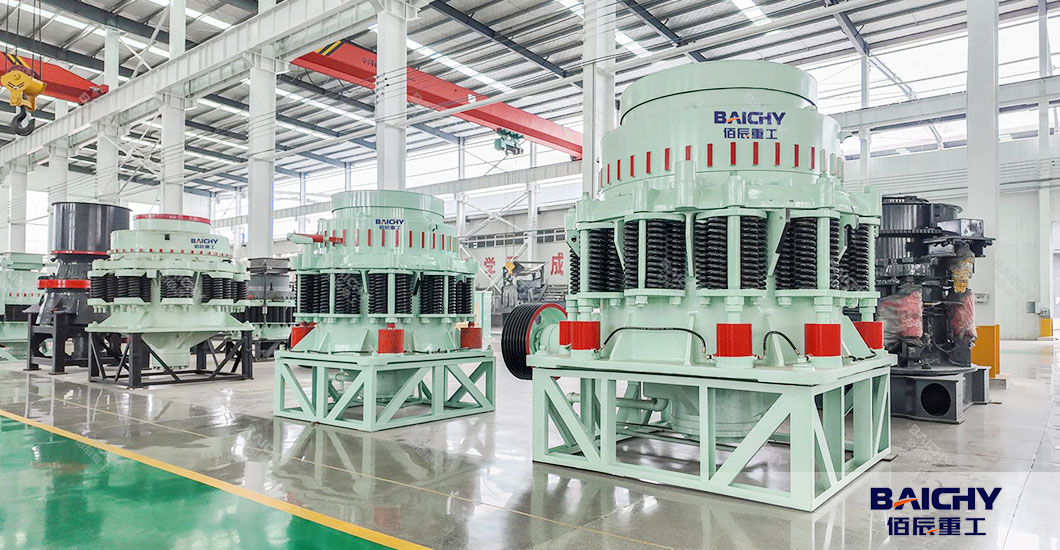
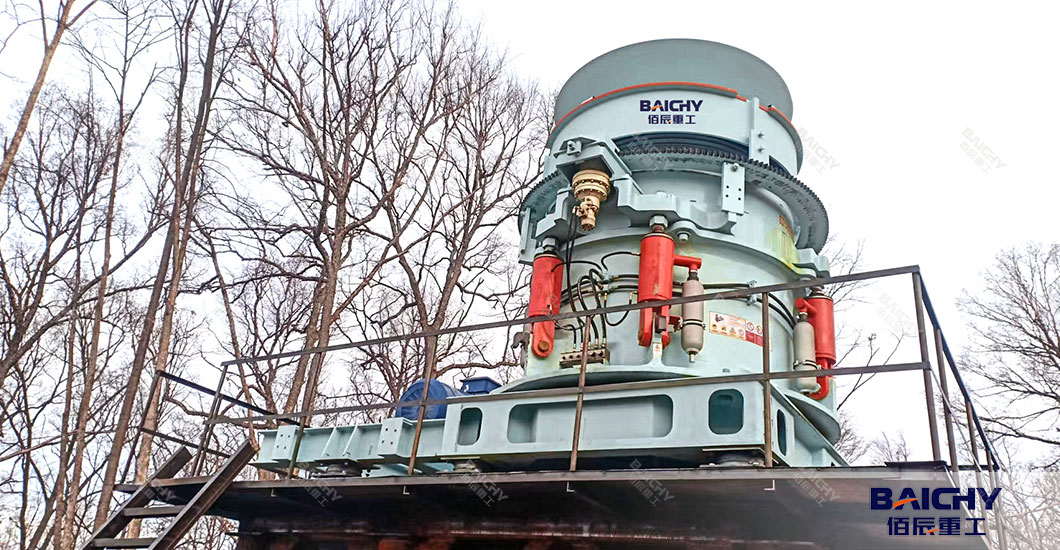
Despite the name, a pebble crusher is rarely a unique machine. In nearly every modern mine, the pebble crusher is a heavy-duty cone crusher. Companies like Metso, Sandvik, and Trio (Weir) build these specific machines. They look like standard cone crushers, but they are tuned differently for this tough application.


Why Cone Crushers Work Best for Round, Hard Rocks

Cone crushers use a principle called “interparticle crushing.” The rock is crushed between a moving cone and a stationary wall. But more importantly, the crushing chamber is designed to fill with rock. The pebbles crush against each other, not just against the liner. This rock-on-rock action is perfect for smooth, round pebbles. Additionally, cone crushers have a high “throw” (the distance the cone moves). This high throw helps grab round shapes without slipping. Jaw crushers or impact crushers simply cannot match this performance on hard, rounded pebbles.


pebble cruhser cone crusher.jpg


Key Industries & Applications

Pebble crushers are not for every rock pile. They are used where the material is hard and the value is high enough to justify the extra step.

●  Where You Will Find Pebble Crushers
The most common place to find a pebble crusher is in a gold mine or a copper mine. These ores are often hosted in hard quartz veins. The SAG mill struggles with these hard rocks, creating many pebbles. Crushing those pebbles unlocks the valuable gold or copper trapped inside.


Pebble Crushers in Aggregate Production
Beyond mining, pebble crushers are also used to produce construction materials. When you need to crush natural river pebbles into sand or gravel for concrete, you face the same problems as a miner. The pebbles are round and hard. A cone crusher configured as a pebble crusher works beautifully here. It turns smooth river stones into angular, high-quality aggregate that makes strong concrete.


A pebble crusher is much more than a machine. It is a circuit optimization tool. If your SAG mill is constantly limited by pebble buildup, you are leaving money on the table. Your mill is working hard but not getting results. Installing a dedicated pebble crusher—specifically a heavy-duty cone crusher—breaks that bottleneck. It turns a headache into higher throughput, lower energy cost, and smoother operations. If you see round, hard rocks piling up in your mill, do not push harder. Add a pebble crusher and let the machine do what it does best: crush the uncrushable.


Frequently Asked Questions (FAQ)

Q: Can a jaw crusher crush pebbles?

A: Yes, a jaw crusher can physically break a pebble. But it is not efficient. Jaw crushers struggle to grip round rocks, and they wear out very quickly on hard pebbles. For a dedicated pebble crushing circuit, a cone crusher is almost always the better choice.


Q: Why do SAG mills need pebble crushers?

A: SAG mills can create a buildup of “critical size” pebbles that are too hard to break and too round to crush each other. These pebbles waste energy and reduce capacity. A pebble crusher removes these pebbles from the mill, breaks them down, and returns them at a grindable size.


Q: What is a “critical size” pebble?

A: A critical size pebble is typically between 25mm and 60mm in diameter. It is too large to be effectively crushed by smaller grinding media inside the SAG mill, yet too small to act as a crushing medium itself. This “dead zone” size slows down the entire grinding circuit.


Maybe you are interested in