In modern mining and aggregate production, time is quite literally money. Traditional stationary crusher plants demand months of civil engineering and concrete foundations—delaying your return on investment. On the flip side, full-track mobile crushers offer flexibility but come with a sky-high price tag that’s out of reach for most mid-sized operations. Modular type stone crusher plant combines the cost-effectiveness of stationary crushing systems and the flexibility of mobile units. In this guide, we’ll break down exactly what modular crushing plants are, their core components, key benefits, and why they’re becoming the top choice for quarry owners worldwide.
What is a Modular Type Stone Crusher Plant?
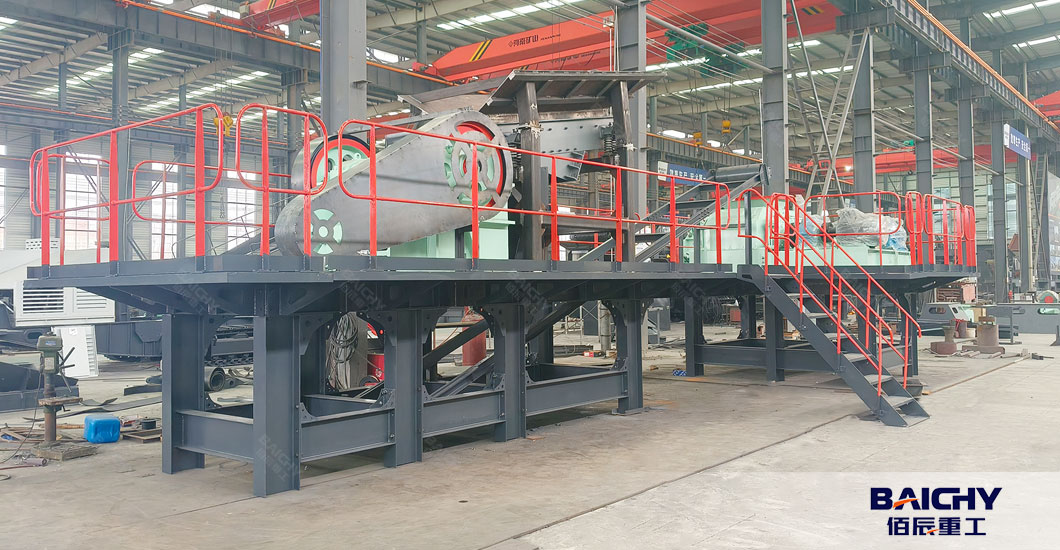
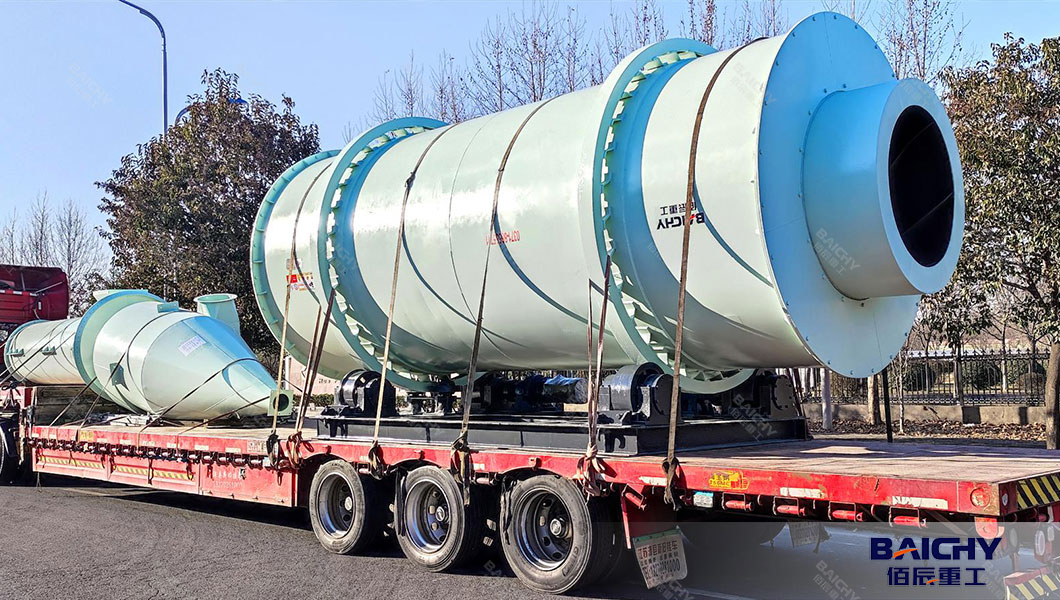
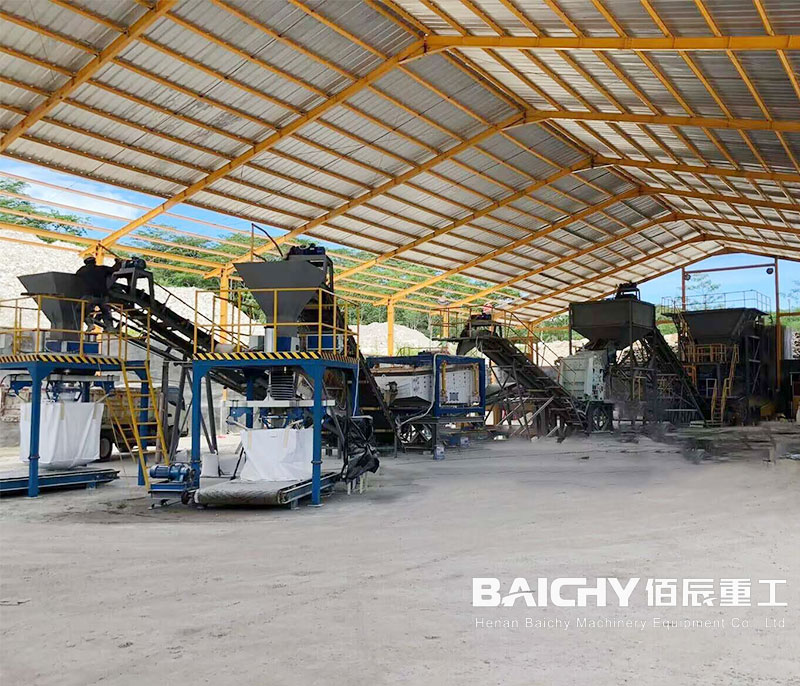
A modular stone crusher plant is a pre-engineered system where crushing, screening, and conveying equipment are mounted on standardized steel frames or skid-mounted bases . Unlike traditional setups, every component—from pipelines to wiring—is fully assembled and tested at the factory before shipment.
Think of it as “building with blocks”: once delivered to your site, the modules simply need to be connected, aligned, and powered up . No complex concrete foundations required—just a flat, hardened surface to place the units . This design eliminates the hassle of on-site fabrication and cuts down installation time dramatically.
Core Components of a Modular Crushing System
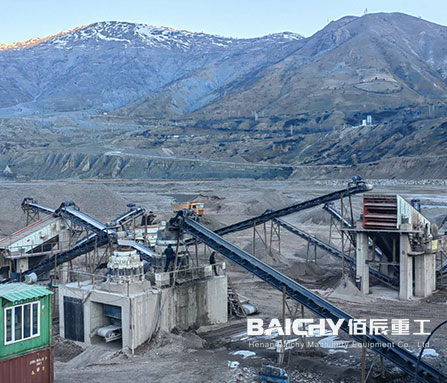
Modular plants are built for versatility, with three key module types that work together seamlessly:
1. Primary Crushing Module
The workhorse of the system, this module features a jaw crusher paired with a heavy-duty vibrating feeder. It handles the first stage of crushing—reducing large boulders into manageable chunks for further processing.
2. Secondary & Tertiary Modules
For refining material into high-quality aggregates, these modules use either cone crushers (ideal for hard rock) or impact crushers (great for shaping). Both ensure the final product has an excellent particle shape—critical for construction projects like roads and buildings .
3. Screening and Conveying Modules
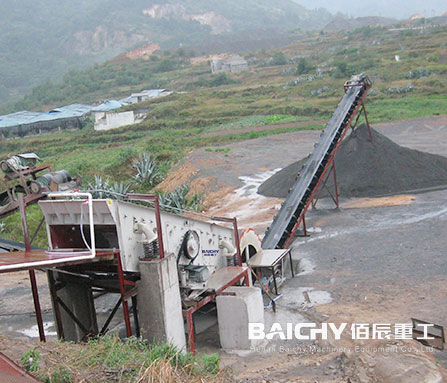
High-efficiency vibrating screens sort materials by size, while integrated belt conveyors move them between modules. These components are fully customizable—you can add extra screens or extend conveyors to match your production needs .
5 Key Advantages of Modular Rock Crushing Plants
Modular systems solve many pain points of traditional crushing setups. Here are their most impactful benefits:
1. Quick Installation and Deployment
Forget waiting months for civil works. Modular plants can go from delivery to operation in as little as 10 days—compared to 2+ months for stationary systems . By skipping concrete foundations and on-site assembly, you start generating revenue faster than ever.
2. Scalability and Flexible Configurations
Business grows—your crusher should too. Modular designs let you add modules (like an extra cone crusher or screen) seamlessly as your production needs increase . Need to switch from crushing limestone to concrete? Reconfigure the modules on-site without major downtime.
3. Lower Investment Cost
Modular plants cost far less than full-track mobile crushers (which can exceed $1 million) and eliminate the high concrete foundation costs of stationary setups . With lower upfront expenses and faster ROI, they’re a budget-friendly choice for mid-sized operations.
4. Easy Maintenance and Safety
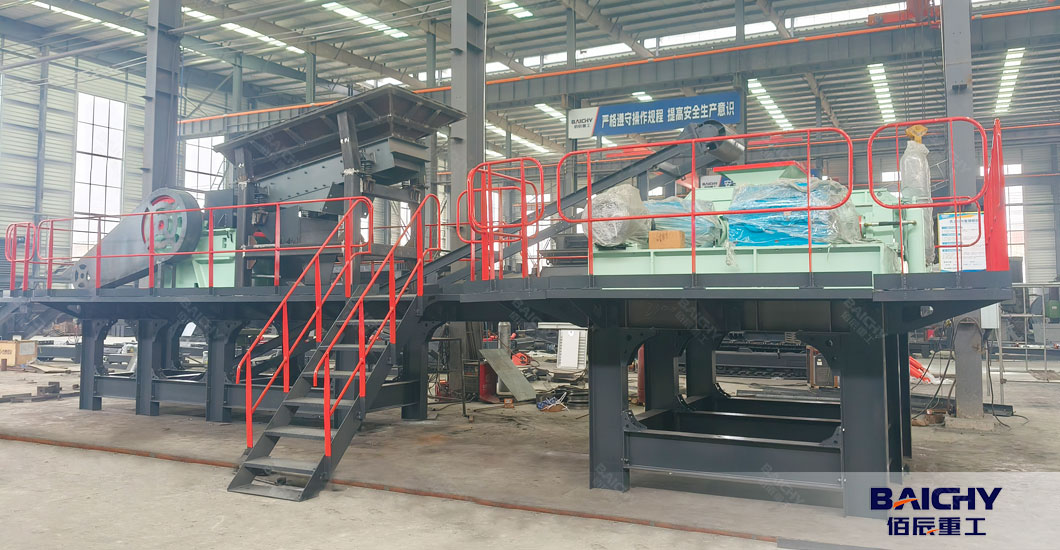
Safety and accessibility are built-in. Most modules come with standard stairs, walkways, and handrails—giving operators safe, easy access to components for routine checks and repairs . This reduces maintenance time and minimizes workplace accidents.
5. Easy Integration with Existing Plants
You don’t have to replace your entire setup. Modular modules can be easily connected to older stationary plants, acting as a capacity boost or replacement for outdated components . This lets you upgrade gradually without disrupting your current operations.
Modular vs. Mobile vs. Stationary Crushers: Which to Choose?
Choosing between a Modular, Mobile, and Stationary crushing plant comes down to three main factors: your project’s lifespan, your budget, and your mobility needs. Here is a quick guide to help you make the right equipment choice.
1. Stationary Crushers: The Long-Term Powerhouse
Stationary crushers are bolted permanently to deep concrete foundations. They are custom-built for a specific site and are designed to stay there for decades.
● The Pros: They offer the highest production capacity and the lowest operating cost per ton. Because they run on grid electricity, your daily energy costs are very low.
● The Cons: The initial civil engineering costs are enormous. Pouring concrete and building steel structures takes months. You must also pay for haul trucks to constantly transport raw rock to the plant.
● Best For: Commercial quarries and massive mines with a 10 to 20+ year lifespan.
2. Mobile Crushers: The Go-Anywhere Solution
Mobile crushers are completely self-contained plants mounted on heavy-duty crawler tracks or rubber tires. They feature their own engines and can drive directly to the blasted rock face.
● The Pros: Unmatched flexibility and zero installation time. You can unload a mobile crusher and start crushing within an hour. By moving the crusher to the material, you drastically cut haul truck expenses.
● The Cons: They carry the highest initial purchase price because you are buying a complex, drivable vehicle. They also have higher daily fuel and maintenance costs.
● Best For: Demolition contractors, road construction, and short-term projects (1 to 3 years) that require frequent relocation.
3. Modular (Skid-Mounted) Crushers: The Perfect Middle Ground
Modular crushing plants are pre-engineered systems mounted on standardized steel frames (skids). They are shipped in modules and bolted together like building blocks on flat, hard ground.
● The Pros: They hit the financial sweet spot. They cost significantly less than fully mobile tracked crushers, yet they completely eliminate the need for expensive concrete foundations. Installation takes days instead of months.
● The Cons: They are not self-propelled. To move a modular plant, you still need to unbolt the modules and hire a crane and flatbed trucks.
● Best For: Medium-term projects (3 to 10 years), remote mining locations, or operators who want the heavy-duty capacity of a stationary plant but need to start producing immediately without waiting for civil construction.
How Much Does a Modular Stone Crusher Plant Cost?
Prices vary widely based on capacity and configuration, but here’s a general range:
● Small modules (50 TPH or less): 20,000 – 50,000
● Mid-sized systems (100-150 TPH): 90,000 – 200,000
● Full production lines (200+ TPH): 250,000 – 500,000+
But don’t just focus on upfront cost—consider the Total Cost of Ownership. Modular plants save tens of thousands on concrete foundations and installation labor, making their overall cost far more competitive than stationary or mobile alternatives .
Modular type stone crusher plants are redefining the aggregate industry. They offer the speed of mobile units, the cost-effectiveness of stationary systems, and unmatched flexibility—all while cutting down installation time and investment risks. Whether you’re starting a new quarry, expanding an existing operation, or upgrading outdated equipment, modular crushing systems deliver quick ROI and long-term adaptability.




 2026-09-15






 86-15093113821
 86-15093113821