Jaw crushers are the ultimate primary crushing machines. Their main job is simple but vital: taking massive, hard rocks and crushing them into smaller, manageable pieces. However, before building a production line, buyers face a massive equipment choice. Should you buy a mobile or a stationary crusher? This guide compares the main differences, pros, and cons of both options. By understanding how they operate, contractors and quarry owners can make the smartest investment for their specific crushing project.
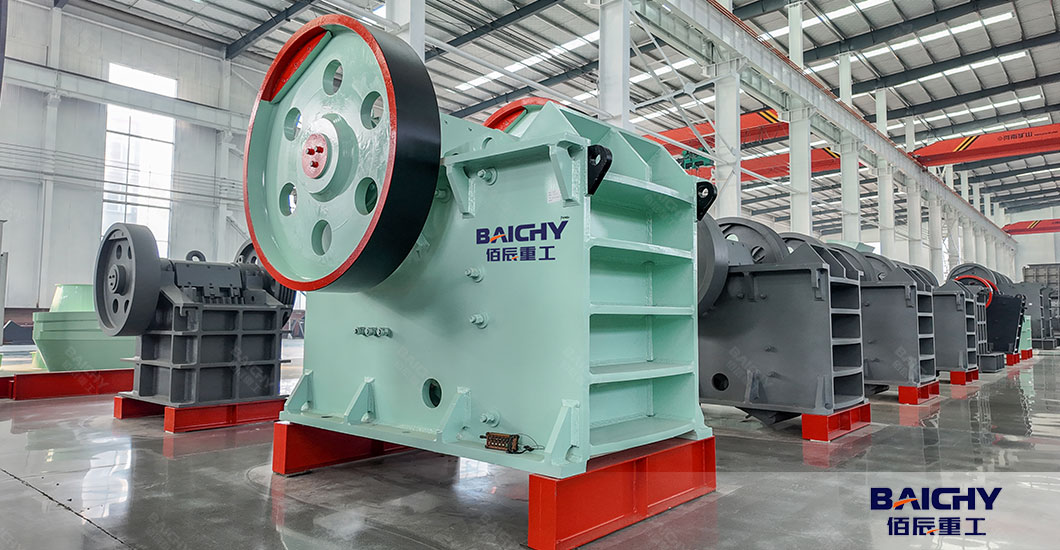
What is a Stationary Jaw Crusher?
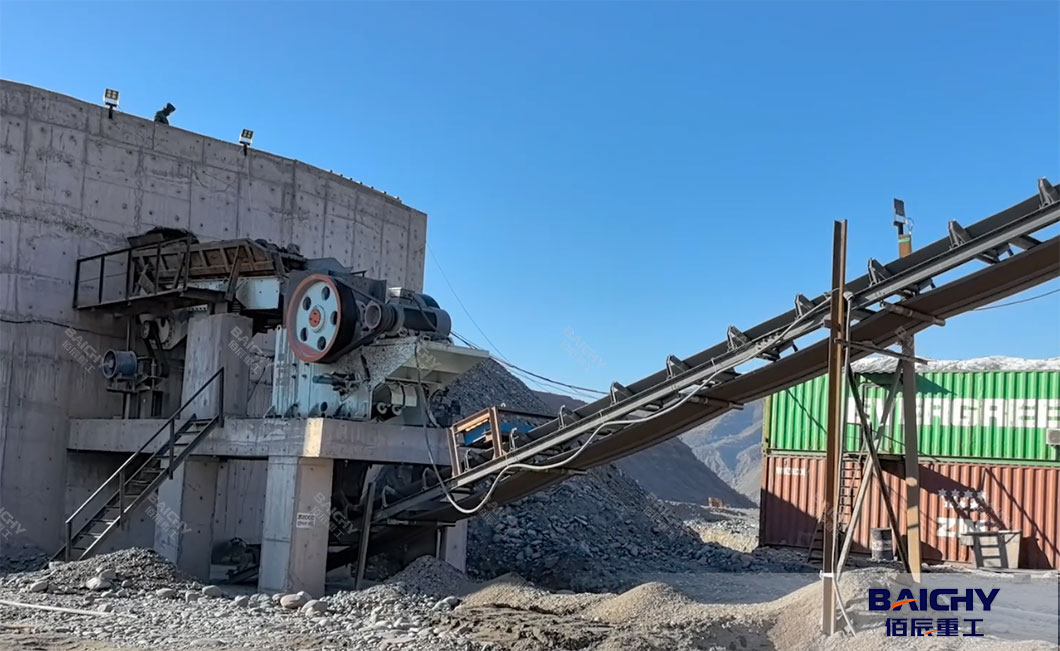
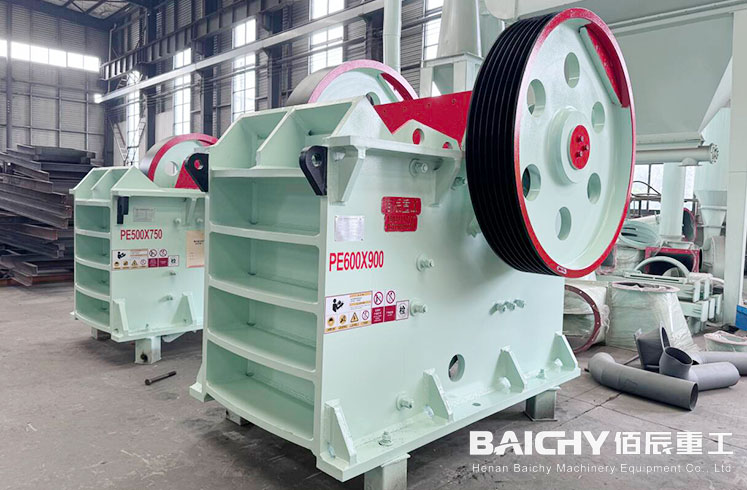
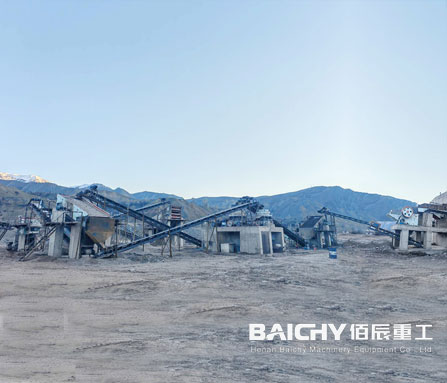
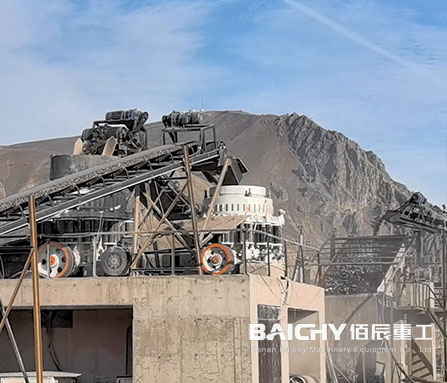
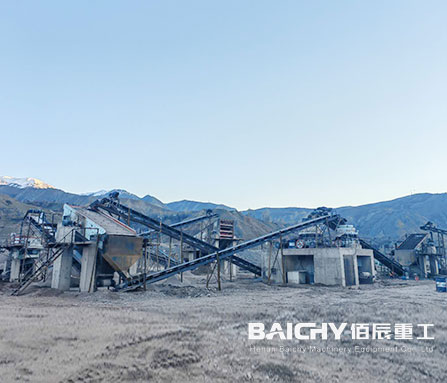
A stationary jaw crusher is a heavy-duty machine bolted directly onto a permanent concrete foundation. It is designed to stay in one exact location for years. This robust setup provides a highly consistent crushing force, making it perfect for processing large, heavy, and extremely abrasive materials.
Because it is built for absolute long-term stability, this machine delivers incredibly high production capacities. It is the undeniable backbone of massive, multi-decade mining operations and large commercial quarries. These sites simply do not need to move their heavy equipment around the working area.
What is a Mobile Jaw Crusher?
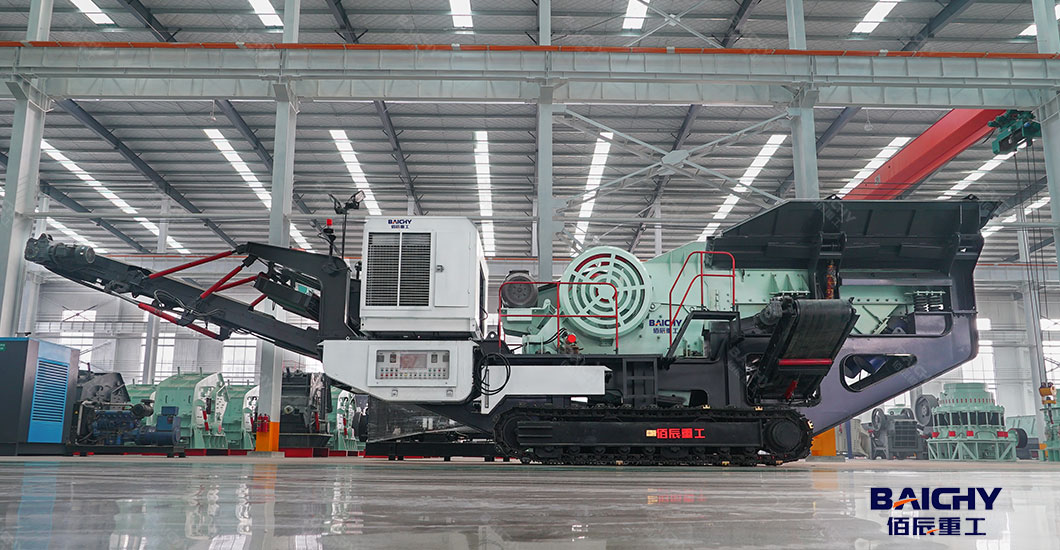
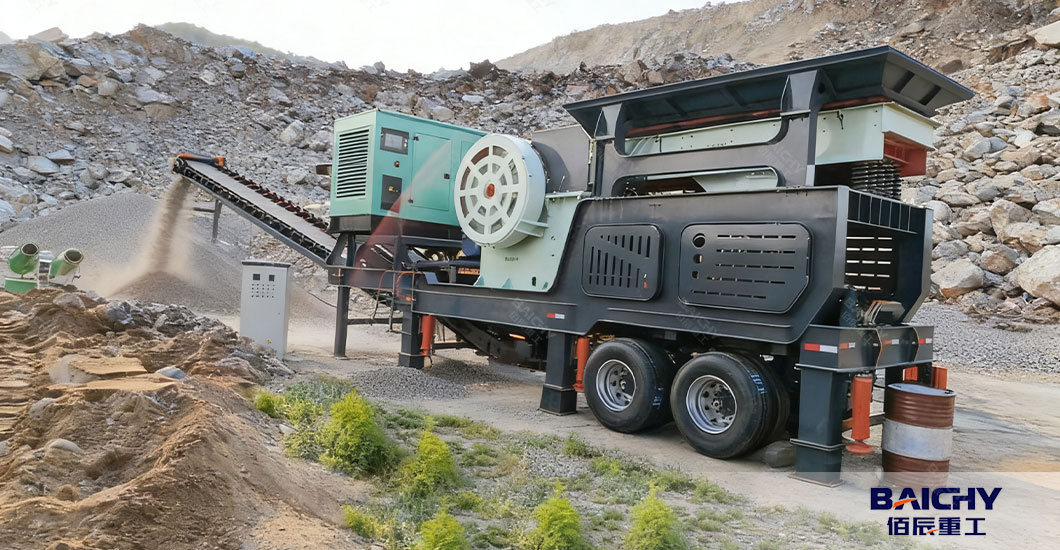
A mobile jaw crusher is a complete crushing plant integrated onto a movable chassis. Instead of sitting on concrete, it drives on heavy-duty crawler tracks or rubber tires. This means the machine can travel directly to the rock face, crushing materials exactly where they are blasted or demolished.
The greatest strength of this machine is its unmatched flexibility and portability. It is highly popular among modern contractors who handle urban recycling or temporary road construction. When the job is done, you simply drive it onto a flatbed trailer and move it straight to the next project site.
5 Key Differences Between Mobile and Stationary Jaw Crushers
1. Project Lifespan and Application
Stationary crushers are heavily built for permanent, long-term needs. If your commercial quarry will operate for twenty years, a stationary setup is the safest bet. Mobile units, however, suit temporary jobs perfectly. They are the top choice for single construction projects or short mining contracts.
2. Hauling Logistics and Labor Costs
A massive benefit of a mobile crusher is reducing total haul truck distance. Since it moves to the material, you save a fortune on truck fuel and driver wages. With a stationary plant, you must constantly use expensive dump trucks to haul raw blasted rocks from the pit all the way to the fixed crusher.
3. Capacity, Customization, and Stability
Stationary plants deliver massive capacity and incredible long-term stability. You can also easily customize them with extra screens and conveyors. Mobile systems offer fewer opportunities for customization. Their compact design is limited by the size of the chassis, offering a fixed, pre-set workflow.
4. Setup Time and Infrastructure
Installing a stationary crusher takes serious time. You must pour concrete, build steel structures, and wire complex electrical grids. This process can take weeks or months. A mobile crusher is basically plug-and-play. It requires zero civil engineering and can start crushing rocks within hours of arrival.
5. Energy Consumption and Operating Costs
Mobile jaw crushers generally consume more energy because their diesel engines must power both the heavy tracks and the crusher itself. This makes their daily fuel costs higher. Stationary crushers usually connect directly to the local power grid. Over a long period, this makes their unit energy cost much lower.
Pros and Cons Summary
Stationary Jaw Crusher
The pros of a stationary crusher include massive production capacity, a multi-decade lifespan, lower power costs, and deep customization. The cons? The initial civil engineering costs are very high. You cannot move the plant once it is built, and you must constantly pay trucks to haul the raw materials.
Mobile Jaw Crusher
The pros of a mobile crusher are incredible site adaptability, zero installation time, high resale value, and massively reduced hauling costs. The cons include a much higher initial purchase price. Also, their customization options are strictly limited, and daily diesel fuel consumption can be quite expensive.
Choosing the right machine requires looking at your specific business goals. First, evaluate your site's lifespan. Will you be crushing at this exact spot for five years or twenty? Second, look at your mobility needs. Will you need to frequently move the equipment between different demolition sites?
Finally, you must calculate your long-term return on investment. Compare the high infrastructure and trucking costs of a stationary plant against the high upfront price and fuel costs of a mobile unit. Balancing these daily expenses will clearly show which crushing machine brings you the most profit.
Ultimately, there is no absolute "best" crusher—only the best one for your project. A stationary jaw crusher remains the unbeatable cornerstone of massive, permanent mines. Meanwhile, the mobile jaw crusher is the ultimate weapon for modern recycling contractors who demand supreme flexibility and speed.
Still unsure whether a mobile or stationary jaw crusher is the best fit for your operation? Making the wrong choice can be costly. Contact Baichy Machinery today. Our expert engineers will carefully analyze your site and materials to provide the perfect, highly profitable crushing solution for your business!




 2026-09-15






 86-15093113821
 86-15093113821