Limestone is one of the most widely mined minerals in the world, essential for construction, cement production, and agriculture. However, to process this valuable resource efficiently, you must choose the right crushing equipment. Because limestone typically has a low compressive strength and low abrasiveness, the rules for crushing it differ from harder rocks like granite or basalt. So, what is the best crusher for limestone? The answer generally comes down to your specific feed size, the hardness variation of your rock, and your desired final product. Based on industry standards, the best choices are primarily Impact Crushers and Jaw Crushers.
Here is a breakdown of the best crushing equipment for limestone and how to choose between them.
1. Impact Crushers: The Most Efficient Choice for Soft Limestone
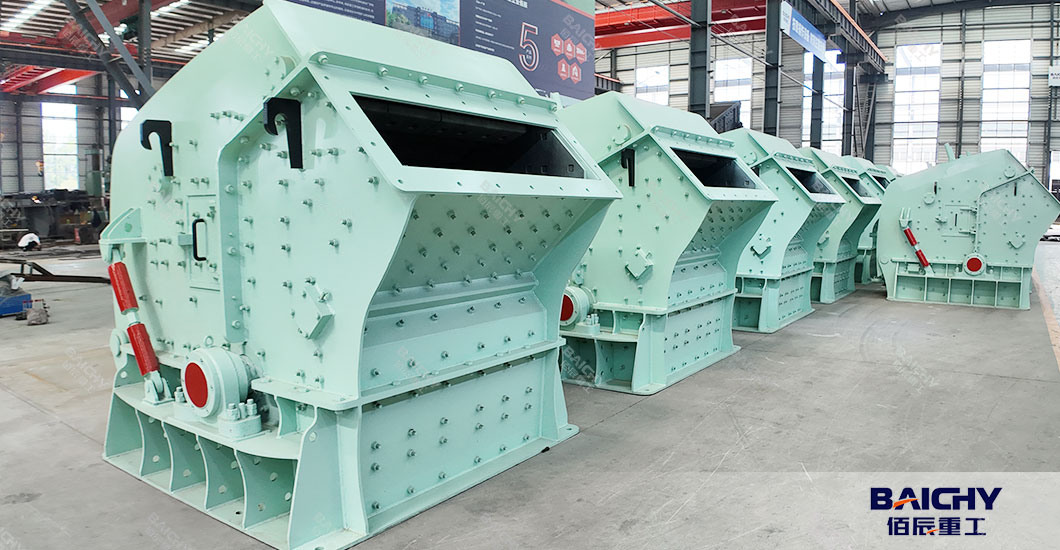
For the majority of limestone operations, impact crushers (especially Horizontal Shaft Impactors or HSIs) are considered the gold standard. When the processed material is easy to crush and not very abrasive, an impact crusher may be the best choice for primary crushing.
Because limestone is naturally brittle, it responds perfectly to the high-impact forces of these machines. Softer materials like limestone or recycled concrete may be more efficient to process with an impact crusher or hammer mill.
How it works:
● The impact limestone crusher uses a high-speed rotor with replaceable blow bars to crush limestone against impact plates, producing uniform and highly cubic final products. This exceptional shaping ability means you often do not need a secondary crusher to meet construction aggregate standards. Top manufacturers often recommend equipment like the H-Series Impact Mill for high-capacity limestone processing.
Pros of Impact Crushers for Limestone:
● Massive Reduction Ratio: Impact crushers can take large pieces of limestone and reduce them to final aggregate sizes in a single pass. This often eliminates the need for a secondary crusher, lowering your initial investment.
● Premium Cubic Shape: The high-speed impact naturally shatters the rock along its internal fault lines. This guarantees a uniform, cubical aggregate that is highly demanded by asphalt and concrete plants (with very low flaky or elongated particles).
● High Throughput Capacity: With a large, unobstructed feed opening, impact crushers are designed to handle massive volumes of material quickly and efficiently.
● Easy Maintenance: Modern impact crushers are designed with hydraulic opening systems, allowing operators to easily inspect the chamber and replace worn blow bars safely and quickly.
2. Jaw Crushers: The Best Choice for Large and Hard Limestone
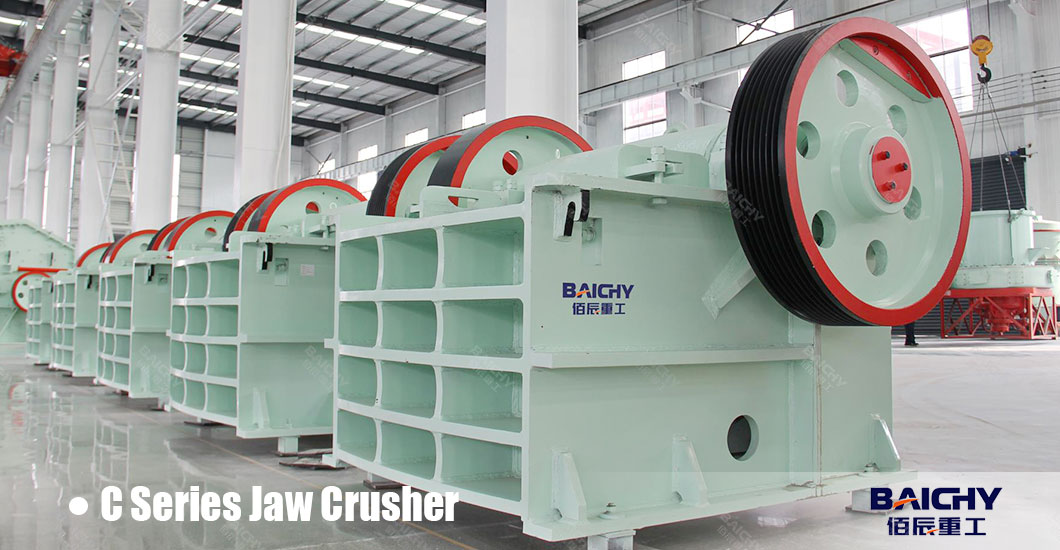
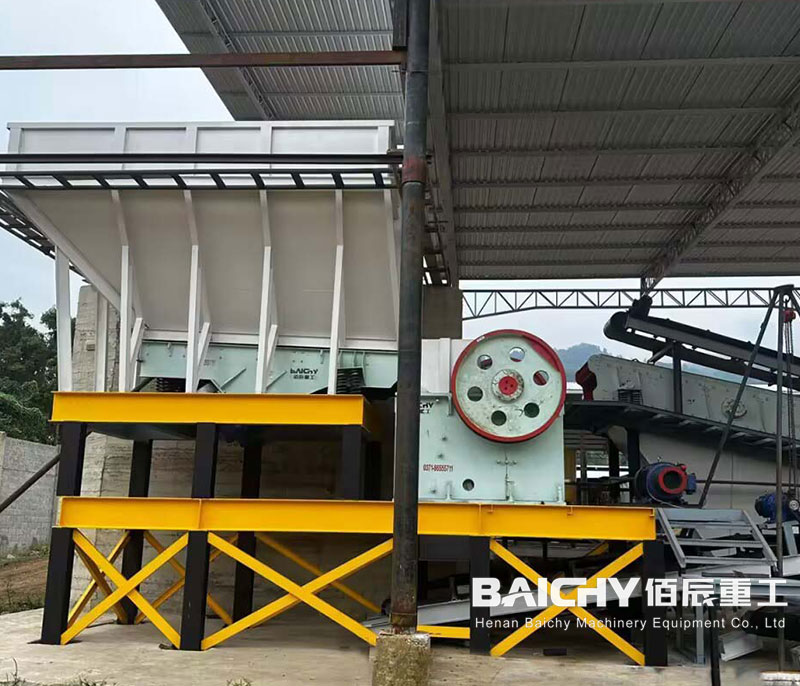
While impact crushers are excellent for softer varieties, limestone deposits can sometimes contain harder rock veins or oversized boulders. In these scenarios, a jaw crusher is the optimal primary crusher. Jaw crushers are widely used in the crushing of various minerals and rocks, and are particularly suitable for limestone.
Jaw crushers are highly effective for primary crushing of large, hard materials. They use a compressive force to break the rock, meaning they can handle much larger feed sizes compared to cone crushers or smaller impactors.
For harder limestone varieties, single-toggle jaw crushers with curved jaw plates provide the ideal balance between crushing efficiency and wear part longevity. Furthermore, if your operation requires mobility, you are in luck. Ideal for primary crushing of limestone, portable jaw crushers are known for their robust design, high crushing capacity, and the flexibility to move directly to the quarry face.
Pros of Jaw Crushers for Limestone:
● Handles Massive Feed Sizes: The deep, V-shaped crushing cavity easily accommodates oversized limestone boulders straight from the blasting site, preventing blockages.
● Extreme Durability and Reliability: Built with heavy-duty cast steel frames and massive flywheels, jaw crushers are incredibly rugged and can withstand the toughest continuous quarry environments with minimal downtime.
● Ideal for Abrasive Impurities: If your limestone deposit contains high silica content or harder rock intrusions, the compressive squeezing action of a jaw crusher will result in far less wear-and-tear compared to the spinning rotor of an impact crusher.
● Lower Operating Costs: Because the crushing action does not rely on high-speed impact, the manganese jaw plates typically last much longer than impactor blow bars when processing harder or slightly abrasive materials.
3. Hammer Mills for Fine Crushing
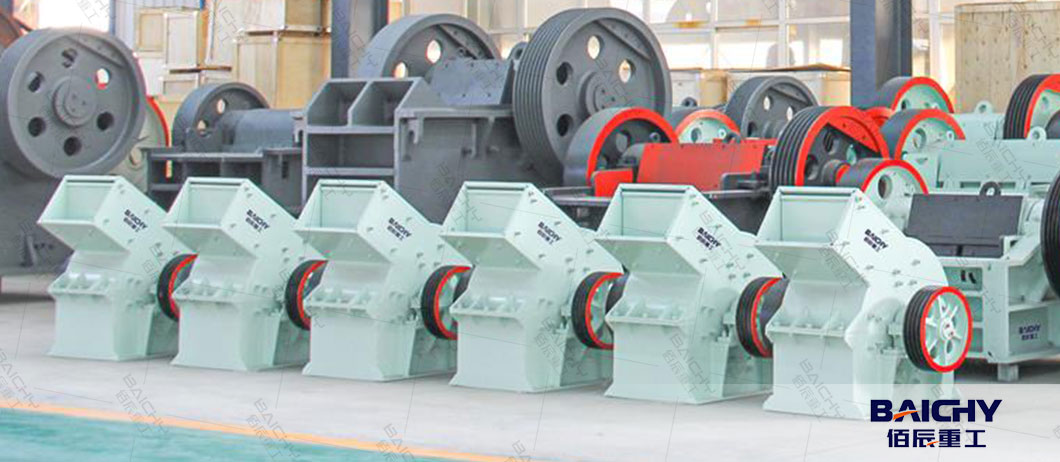
If your goal is not to produce coarse gravel, but rather to produce fine limestone powder, a standard primary crusher won't be enough. For fine reduction needs, Hammer Mills are the ultimate choice.
How it works:
A hammer mill features a high-speed rotating shaft equipped with heavy, free-swinging steel hammers. As the limestone enters the chamber, it is violently struck by the hammers in mid-air and smashed against heavy-duty breaker plates. Finally, the pulverized limestone is forced through a specific grate or screen at the bottom of the machine, ensuring that no oversized particles escape.
Why Use a Hammer Mill for Limestone?
● Perfect for Aglime Production: Hammer mills excel at turning limestone into agricultural limestone (aglime), a fine powder used by farmers to neutralize acidic soils.
● Industrial Applications: The fine limestone produced by hammer mills is highly sought after for animal feed supplements, glass manufacturing, and flue-gas desulfurization in power plants.
● High Percentage of Fines: Unlike jaw crushers that produce coarse rocks, a hammer mill can achieve an incredibly high percentage of fine particles (often below 5mm or even fine powder) in just one single pass.
Summary: Which Rock Crusher is Right for You?
To determine the absolute best crusher for your limestone plant, consider the following rules of thumb:
● Choose an Impact Crusher if your limestone is soft, low in silica (non-abrasive), and you need a perfectly cubic aggregate for concrete or asphalt.
● Choose a Jaw Crusher if you are dealing with very large boulders, harder limestone varieties, or if you are feeding a secondary crushing stage.
● Choose a Portable Jaw/Impact Crusher if you need mobility across different quarry zones to reduce material transport costs.
Ultimately, the best limestone crusher is the one that aligns with your raw material profile and final product demands. By evaluating the hardness and feed size of your limestone, you can easily decide whether a jaw crusher, impact crusher, or a combination of both is the right investment for your operation. Henan Baichy Machinery Equipment Co., Ltd. is a mining machinery manufacturer integrating R&D, production and sales. Stone crusher is one of its core production equipment. It has mature technology and processes, complete models and configurations, and technical engineers can tailor production line configuration plans for you. If you are interested in the stone crusher, please click on the online consultation to get solution and price now. Baichy Machinery is dedicated to serving you 24 hours a day!
Frequently Asked Questions (FAQs)
Q1: Can I use a Cone Crusher for processing limestone?
A: Generally, cone crushers are not recommended for standard limestone. Cone crushers are designed for highly abrasive, hard rocks (like granite or basalt). Because limestone is relatively soft and brittle, a cone crusher can produce an excessive amount of flat, flaky particles instead of a nice cubic shape. Furthermore, cone crushers are a much more expensive investment; an impact crusher is far more cost-effective and produces better-shaped limestone aggregate.
Q2: What is the best crusher to make agricultural limestone (aglime)?
A: The best crusher for producing agricultural limestone is a Hammer Mill. Because aglime needs to be a fine, consistent powder to dissolve properly in soil, the high-speed, repetitive striking action of swinging hammers—combined with a sizing screen—ensures you get the exact fine grade required for farming applications.
Q3: Why are Impact Crushers so incredibly popular in limestone quarries?
A: Impact crushers are the favorite for limestone because they perfectly match the rock's physical properties. Limestone is soft and breaks easily upon impact. The impact crusher takes advantage of this by shattering the rock along its natural fault lines, yielding a massive reduction ratio and a perfectly cubic shape. This high efficiency often allows quarry owners to use just one impact crusher instead of a two-stage jaw-and-cone circuit, saving massive amounts of money on equipment and power.




 2026-09-15






 86-15093113821
 86-15093113821