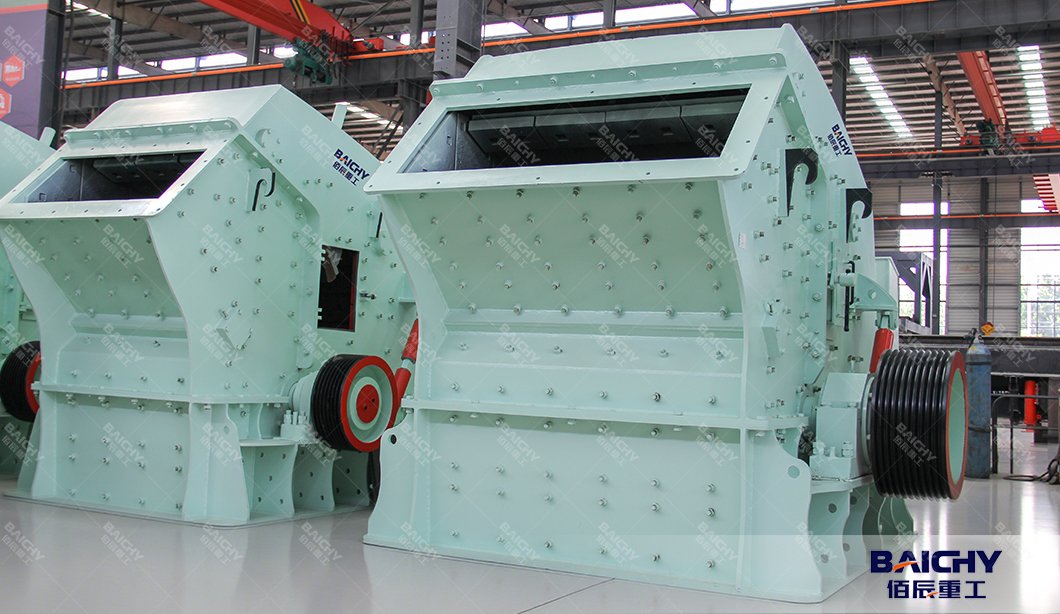
A hammer mill crusher is a type of heavy-duty machinery designed to crush concrete, bricks, and other construction debris into smaller, reusable aggregates. Equipped with rotating hammers and a robust impact plate, it delivers high-efficiency crushing while minimizing energy consumption. This machine is ideal for recycling concrete waste and supporting sustainable construction practices.
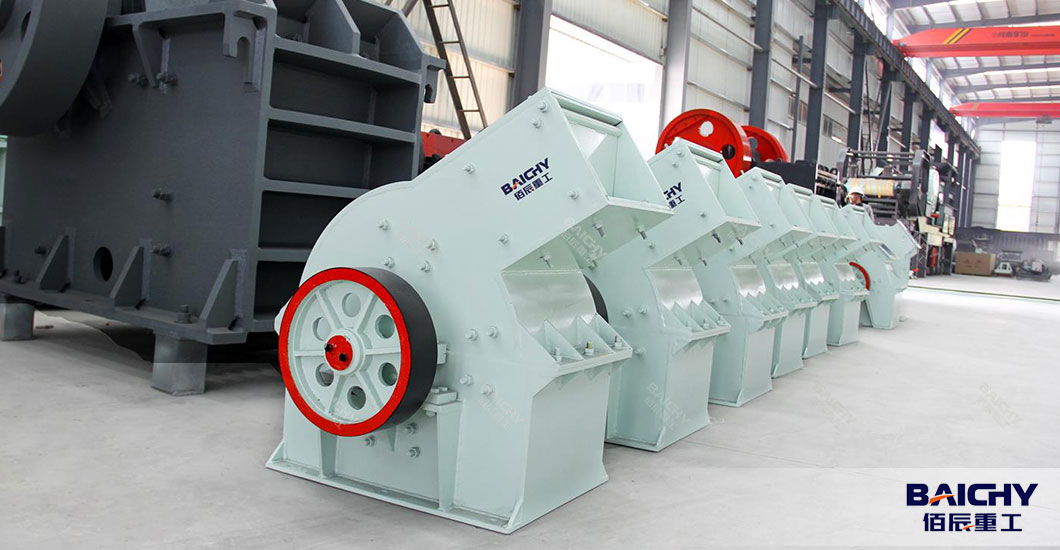
Why Use Hammer Mill Crushers for Concrete?
Concrete recycling is a growing necessity in construction. Hammer mill crushers allow operators to process concrete debris on-site or in recycling facilities. They reduce the size of the material quickly, making it suitable for reuse in road base, new concrete production, or landscaping projects. By converting waste into valuable resources, these crushers help construction companies cut costs and reduce environmental impact.
How Hammer Mill Crushers Work
1. Crushing Process Step by Step
Hammer mill crushers operate by feeding concrete into a chamber where high-speed rotating hammers strike the material. The repeated impacts break the concrete into smaller fragments, which then pass through a screen to achieve the desired particle size. The simplicity of the mechanism allows for easy maintenance and consistent output.
2. Key Components
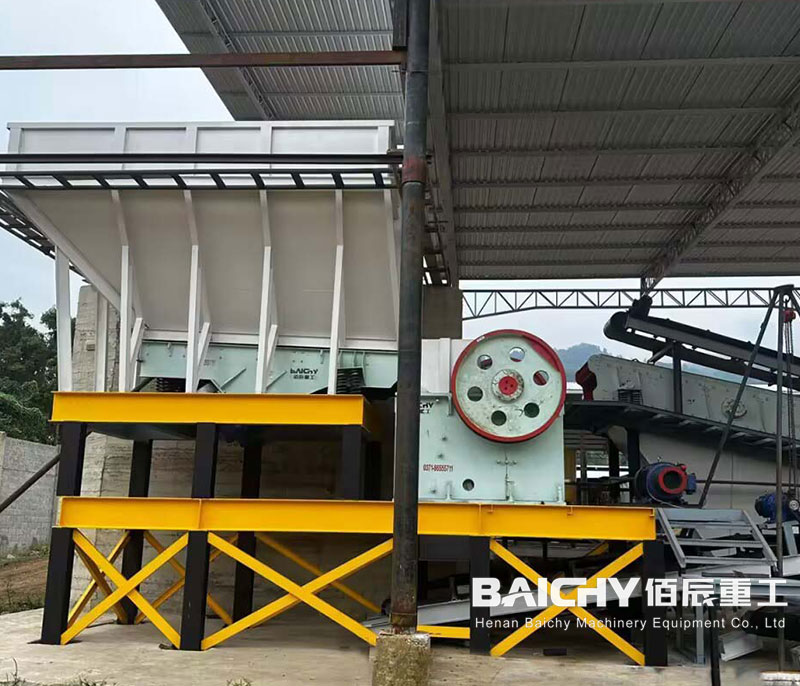
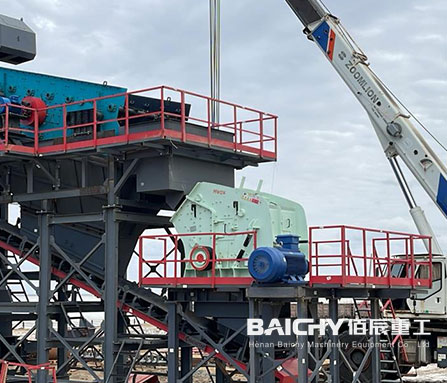
The main components include the rotor, hammers, impact plates, and the screen. The rotor spins at high speed, while the hammers strike the concrete. Impact plates help direct and break the material further. The screen ensures that only appropriately sized aggregates leave the crusher, creating a uniform and usable product.
3. Advantages Over Other Concrete Crushers
Compared to jaw crushers or cone crushers, hammer mill crushers provide faster processing for smaller concrete debris. They are especially effective for medium-hard concrete and mixed demolition waste. Additionally, they require less initial labor and allow for continuous operation, which is critical for high-volume recycling projects.
Applications of Hammer Mill Crushers in Concrete Recycling
1. Construction and Demolition Sites
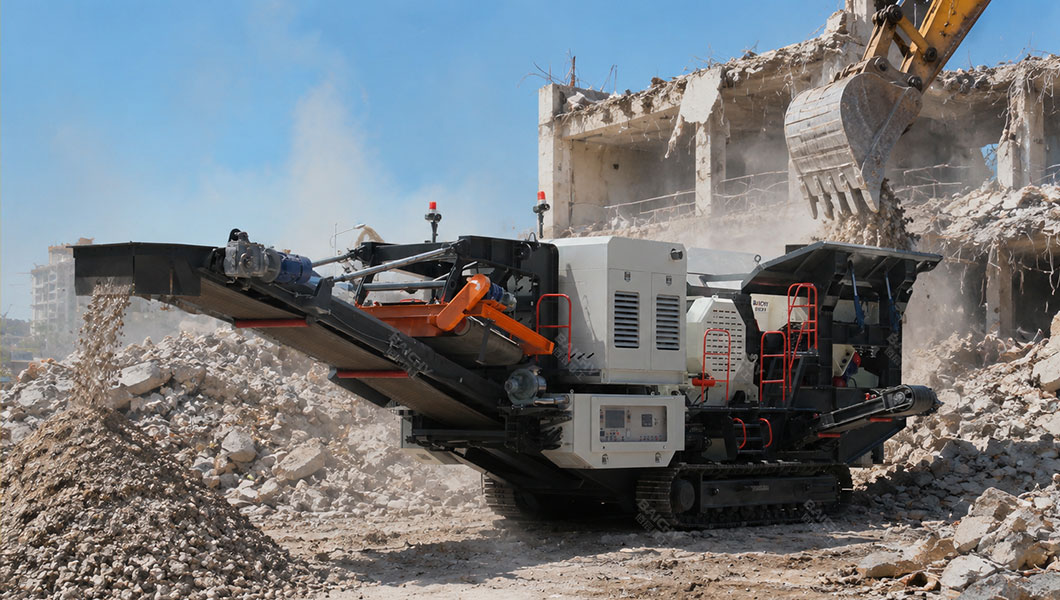
On-site hammer mill crushers can reduce the volume of concrete debris immediately, facilitating easier transport and storage. They are commonly used in urban demolition projects where minimizing debris transport costs is essential.
2. Recycling Facilities
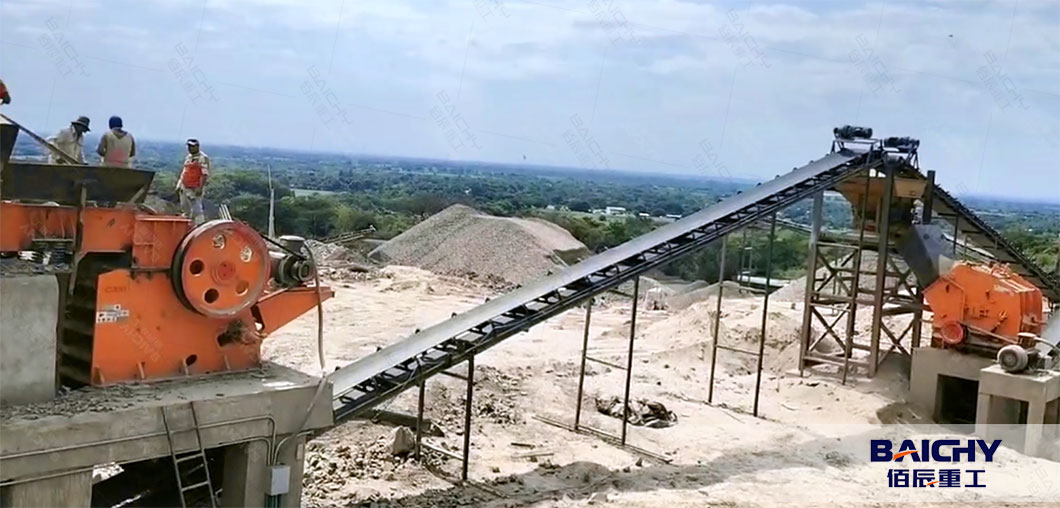
Hammer mill crushers are widely employed in recycling centers to convert concrete waste into high-quality recycled aggregates. These aggregates can then be used for paving roads, creating foundations, or producing new concrete, contributing to a circular economy in construction materials.
3.Industrial and Large-Scale Projects
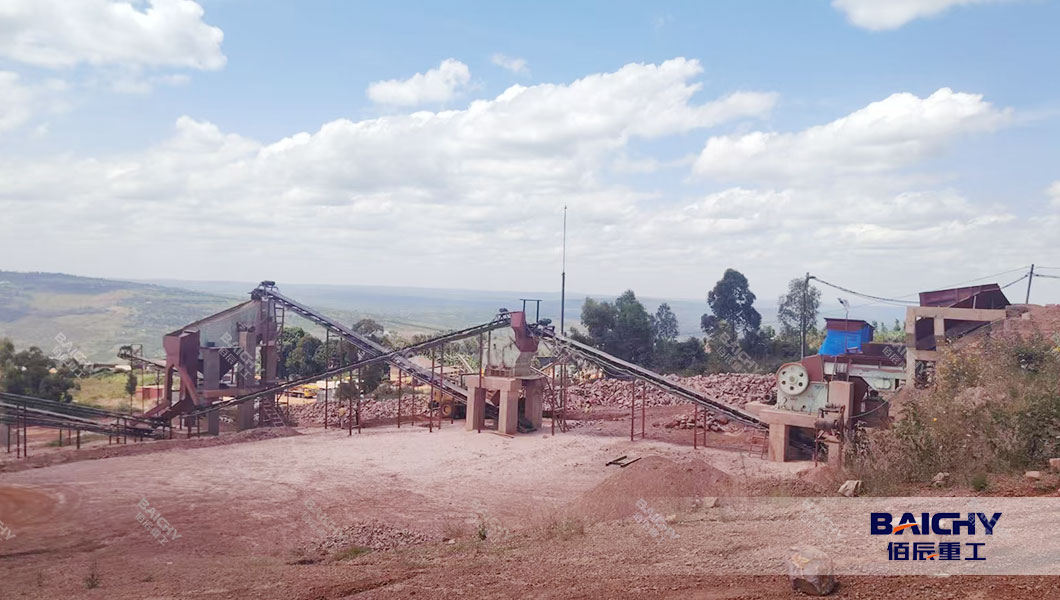
Large-scale infrastructure projects often generate massive amounts of concrete waste. Hammer mill crushers can handle these high volumes efficiently, providing a cost-effective solution for turning waste into reusable materials while maintaining productivity.
Benefits of Using Hammer Mill Crushers for Concrete
1. Environmental Benefits
Recycling concrete with hammer mill crushers reduces landfill waste and conserves natural resources like sand and gravel. This lowers the carbon footprint of construction projects and supports sustainable building practices.
2. Economic Efficiency
Concrete recycling reduces disposal costs and supplies inexpensive, reusable aggregates for new construction. Hammer mill crushers accelerate the crushing process, saving time and labor costs while delivering consistent product quality.
3. Operational Flexibility
Hammer mill crushers are versatile machines that can handle various concrete types, sizes, and mixed debris. Their simple design ensures easy maintenance, minimal downtime, and reliable performance under demanding conditions.
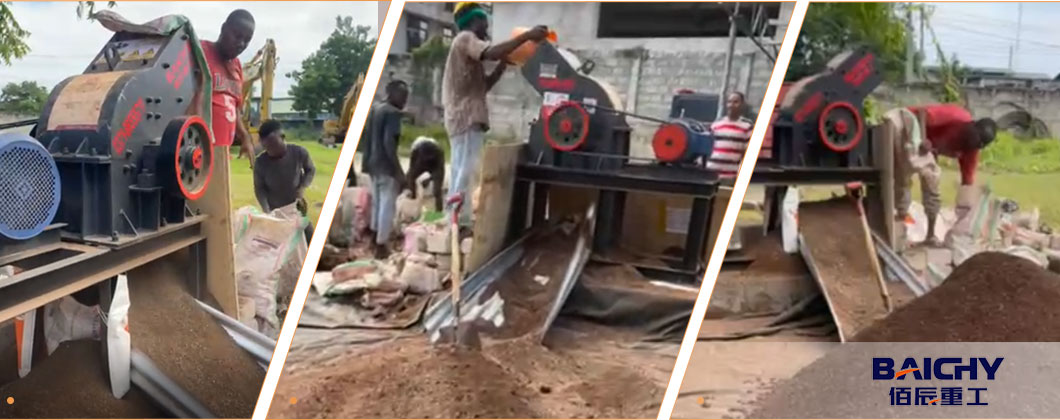
Real-World Case Example: Baichy Hammer Mill in Nigeria
In a recent project in Nigeria, a local construction company implemented a hammer mill crusher to process demolition concrete from residential buildings. The crusher processed 100 tons of concrete per day, producing uniform recycled aggregates for new road construction. The project reduced disposal costs by 30% and significantly minimized environmental impact, demonstrating the practical benefits of hammer mill crushers in real-world applications.
If you are processing medium‑sized concrete rubble, asphalt, or brick into a cubical, reusable aggregate, a hammer mill is an excellent choice. It works faster than a jaw crusher in the final reduction stage and produces a more consistent product. Portable models let you recycle on site, saving time and landfill costs. Just remember to remove large rebar before feeding, and keep spare hammers on hand. For many concrete recyclers, the hammer mill is the most cost‑effective solution. Welcome to contact us to get lates price for hammer mill crusher.
Frequently Asked Questions About Hammer Mills for Concrete
1. What is the best crusher for crushing concrete?
There is no single “best” crusher. For concrete rubble under 6 inches and with minimal rebar, a hammer mill is excellent. For larger feed or heavy rebar, use a jaw crusher first.
2. Can a hammer mill crush reinforced concrete?
Yes, but you should remove most exposed rebar. Small pieces of wire mesh usually pass without damage. Thick rebar can bend hammers or block the grate.
3. What size concrete can go into a hammer mill?
Most portable units accept 4–6 inch maximum feed. Larger industrial hammer mills can handle up to 12 inches. Always check the manufacturer’s specification.
4. How often do hammers need replacement?
Depending on abrasiveness, a set of hammers may last 50–200 hours of crushing clean concrete. For abrasive materials like sandstone, wear is faster. Replace hammers when edges become rounded or weight drops by 20%.




 2026-10-22





 86-15093113821
 86-15093113821