What Is Concrete Recycling?
Concrete recycling is the process of collecting, crushing, screening, and reusing concrete waste generated from demolished buildings, roads, bridges, and other structures. Instead of transporting concrete rubble to landfills, contractors can process the material into recycled concrete aggregate (RCA) for use in new construction projects. As construction and demolition activities continue to increase worldwide, concrete recycling has become an important part of sustainable construction practices. It reduces waste, conserves natural resources, and lowers overall project costs. Today, recycled concrete is widely used in road construction, backfilling, drainage systems, and even new concrete production.
Why Is Concrete Recycling Important?
The construction industry generates millions of tons of concrete waste every year. Traditionally, much of this material was disposed of in landfills, resulting in higher transportation costs and environmental impacts. Concrete recycling offers a more efficient and environmentally friendly solution.
Recycling concrete helps reduce the demand for natural aggregates such as gravel and crushed stone. It also decreases landfill usage and lowers carbon emissions associated with quarrying and transporting virgin materials. For contractors and project owners, recycled concrete often provides significant cost savings while meeting engineering requirements for many applications.
How Does the Concrete Recycling Process Work?
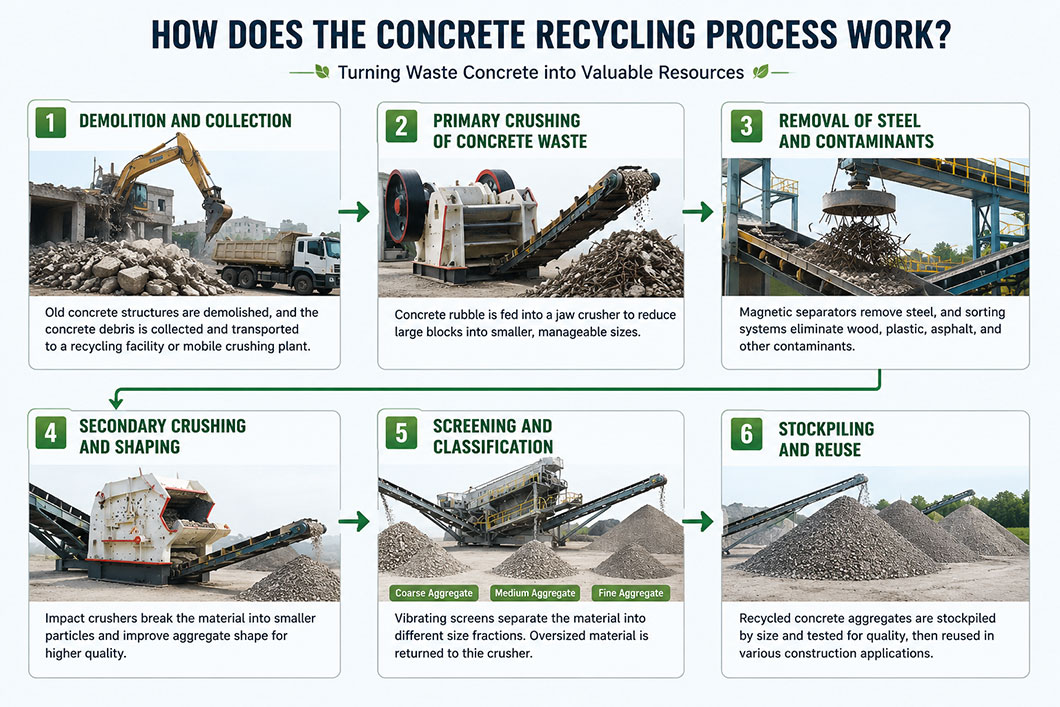
The concrete recycling process involves several key stages. Each stage plays an important role in ensuring the final recycled aggregate meets quality standards and can be reused effectively.
1. Demolition and Collection
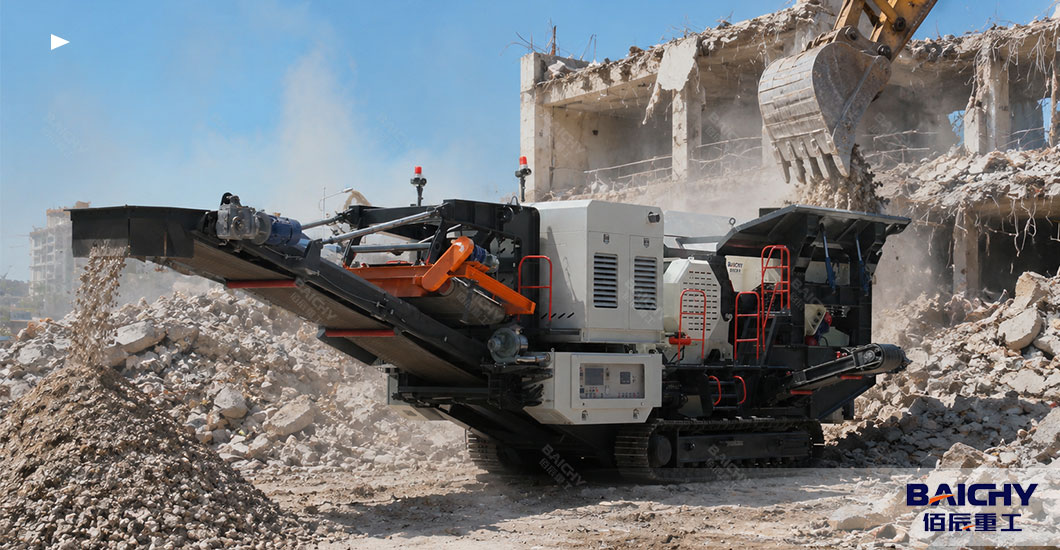
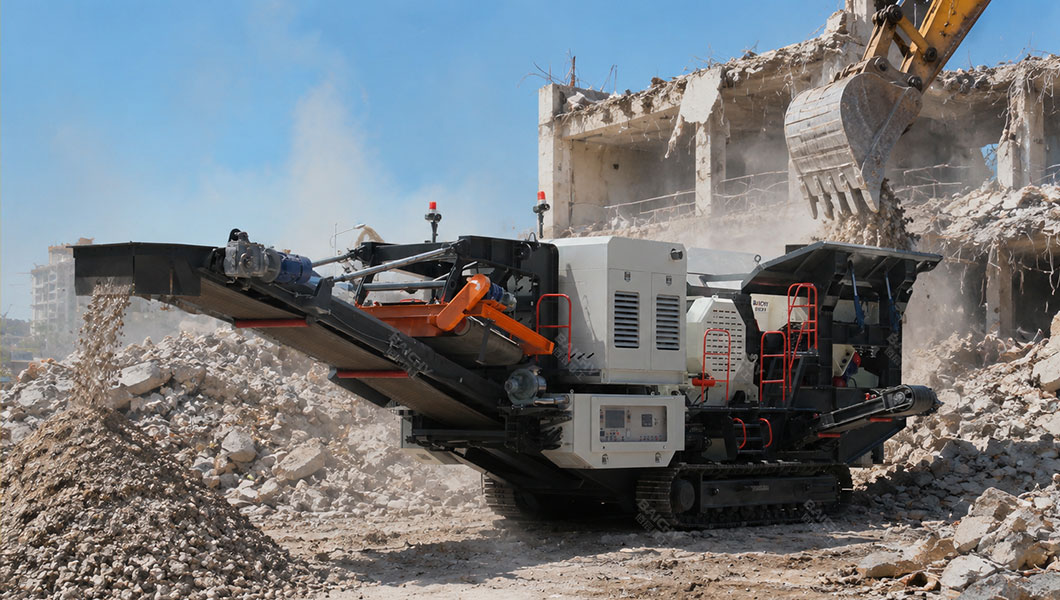
The process begins when old concrete structures reach the end of their service life. Buildings, highways, airport runways, bridges, sidewalks, and industrial foundations are demolished using specialized equipment. The resulting concrete debris is collected and transported either to a recycling facility or to a mobile crushing plant located directly at the demolition site.
On-site recycling has become increasingly popular because it minimizes transportation costs and allows contractors to reuse materials immediately. This approach improves project efficiency while reducing environmental impact.
2. Primary Crushing of Concrete Waste
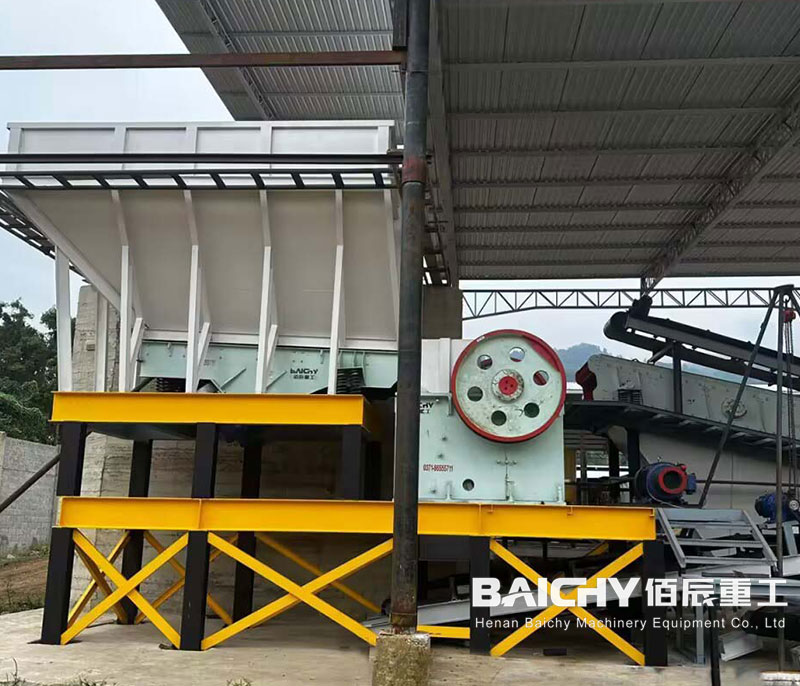
After collection, the concrete rubble is fed into a primary crusher. In most recycling plants, a jaw crusher is used as the first-stage crushing equipment. The jaw crusher can handle large chunks of reinforced concrete and reduce them into smaller, manageable sizes.
During this stage, concrete blocks that may measure several hundred millimeters are broken down into coarse aggregate suitable for further processing. Jaw crushers are highly valued for their reliability, strong crushing force, and ability to process hard materials with steel reinforcement remnants.
3. Removal of Steel and Contaminants
Demolished concrete often contains steel rebar, wire mesh, wood fragments, asphalt, plastic, and other contaminants. These materials must be removed before further processing.
Magnetic separators are commonly installed above conveyor belts to automatically extract ferrous metals. Additional sorting systems and manual inspections help eliminate unwanted materials. Clean aggregate is essential for producing high-quality recycled products and ensuring compliance with construction standards.
4. Secondary Crushing and Shaping
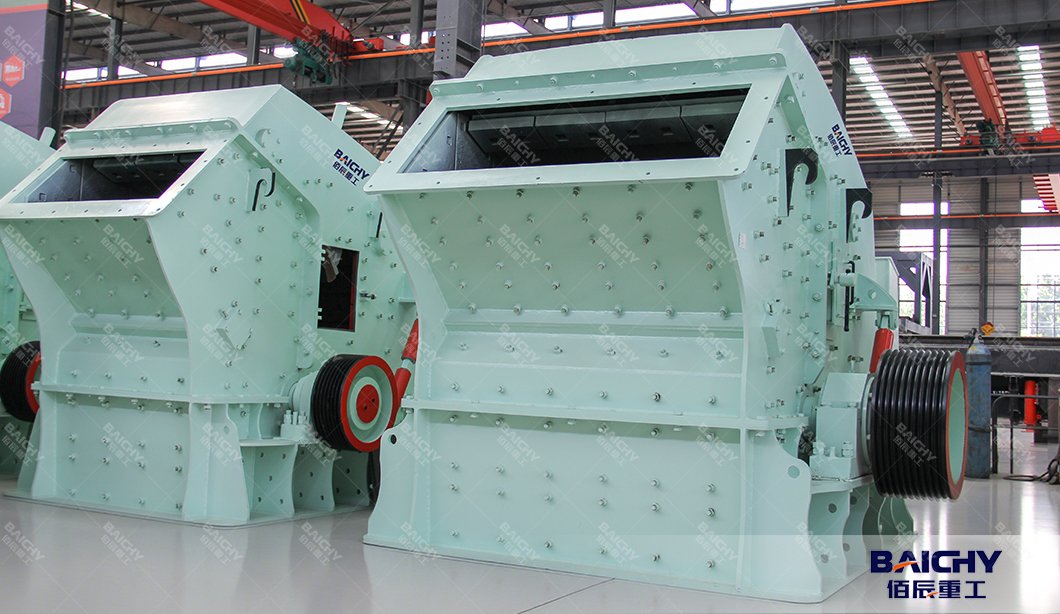
Once contaminants are removed, the material enters the secondary crushing stage. Impact crushers are frequently used because they produce more uniform particle shapes and higher-quality aggregates.
The impact crusher uses high-speed rotor impact to break concrete into smaller particles while improving particle geometry. This step is particularly important when recycled aggregate will be used in road bases, asphalt mixtures, or structural applications requiring better aggregate shape and gradation.
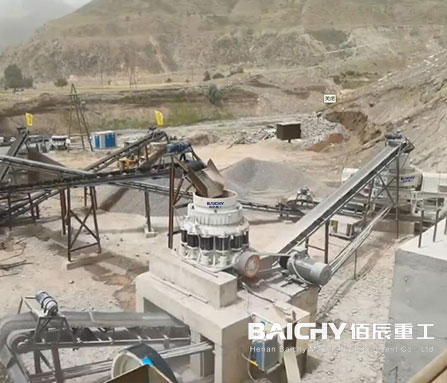
In some high-capacity recycling plants, cone crushers may also be incorporated to achieve specific product sizes and improve production efficiency.
5. Screening and Classification
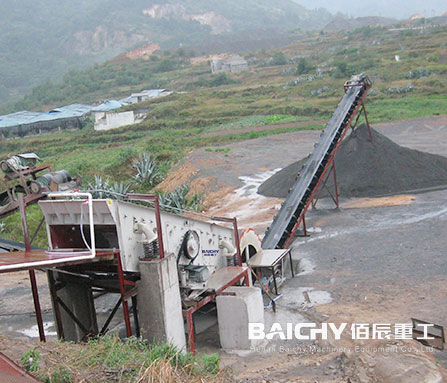
After crushing, the material passes through vibrating screens where aggregates are separated into different size fractions. Typical products may include coarse aggregate, medium aggregate, and fine aggregate.
Screening ensures that each size category meets project specifications. Oversized materials are returned to the crusher for further reduction, while qualified aggregates are stockpiled for future use. Accurate screening improves product consistency and maximizes plant productivity.
6. Stockpiling and Reuse
The final recycled concrete aggregates are stored according to particle size and intended application. Quality control testing may be performed to verify gradation, strength, density, and contamination levels.
Once approved, the recycled materials are ready for transportation and reuse in construction projects. Many recycling facilities maintain separate stockpiles to supply contractors with specific aggregate sizes on demand.
Equipment Used in Concrete Recycling Plants
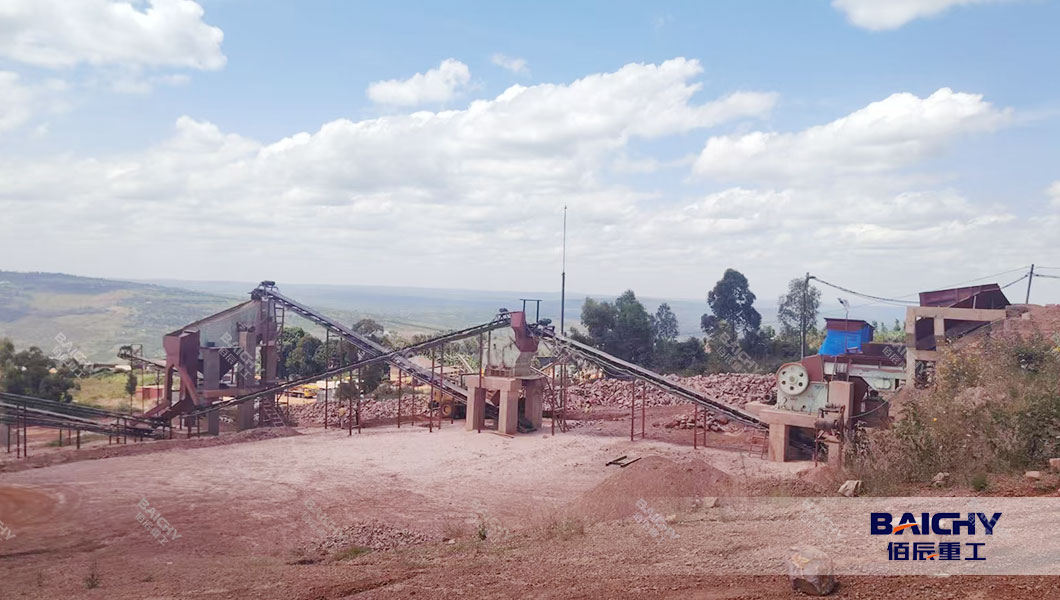
Modern concrete recycling plants utilize a combination of crushing, screening, and separation equipment to achieve efficient processing.
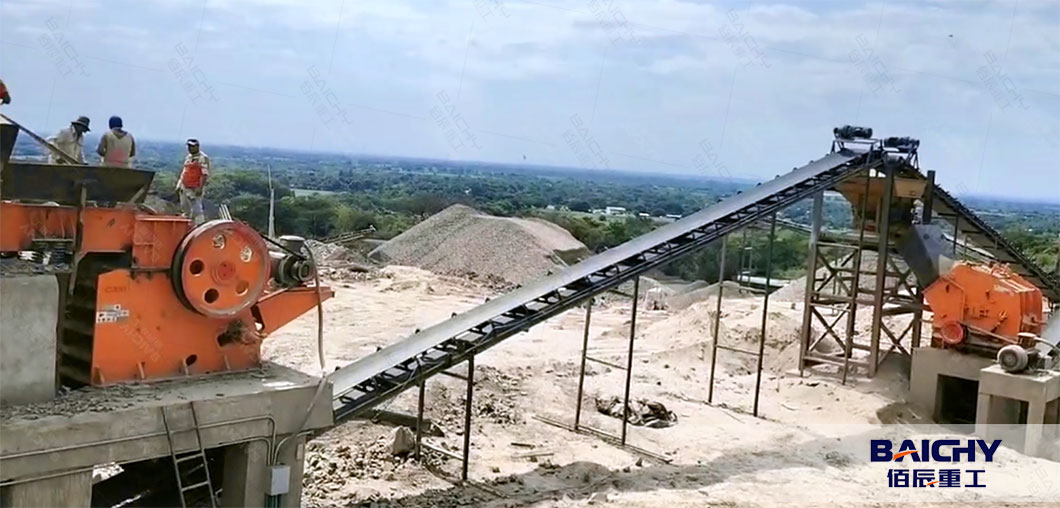
● Jaw Crusher: Jaw crushers are typically used for primary crushing. They can process large concrete blocks and provide excellent reduction ratios. Their robust design makes them suitable for heavy-duty recycling operations.
● Impact Crusher: Impact crushers are widely used in secondary crushing stages. They produce well-shaped aggregates and offer high efficiency when processing concrete and demolition waste.
● Vibrating Screen: Vibrating screens classify crushed materials into different size ranges. Proper screening improves product quality and ensures compliance with project requirements.
● Magnetic Separator: Magnetic separators remove steel reinforcement and metal contaminants automatically. This equipment is critical for producing clean recycled aggregates.
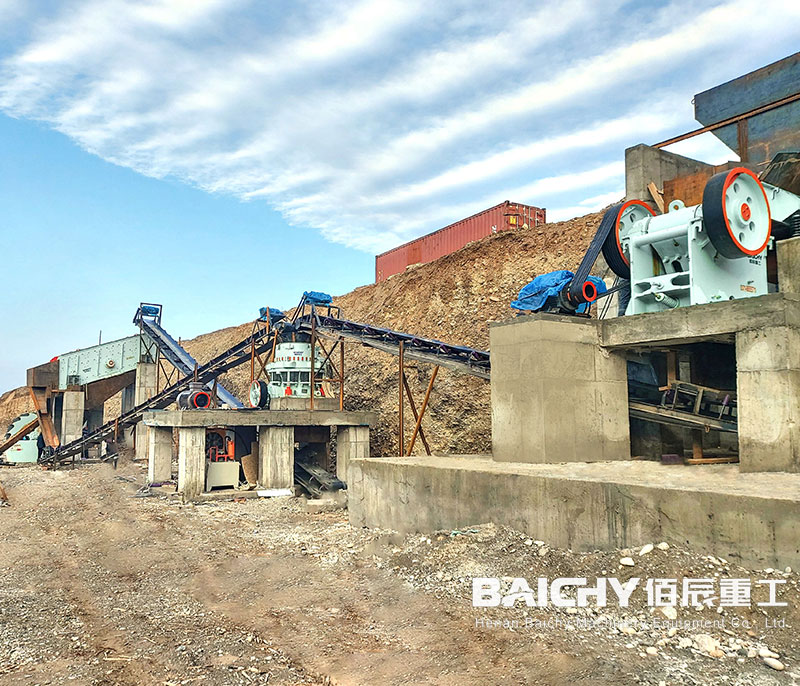
●Mobile Crushing Plant: Mobile crushers combine crushing, screening, and conveying functions into a single unit. They are ideal for demolition projects where material can be processed directly on-site, reducing transportation and disposal costs.
Common Applications of Recycled Concrete
Recycled concrete aggregates have become widely accepted in many construction sectors. One of the most common applications is road base construction, where recycled aggregate provides excellent load-bearing capacity and durability. It is also frequently used for backfilling utility trenches, retaining wall systems, and site development projects.
In landscaping projects, recycled concrete serves as a cost-effective material for pathways, drainage layers, and erosion control systems. Increasingly, processed recycled aggregate is being incorporated into new concrete mixtures, helping reduce the consumption of natural resources while supporting sustainable building practices.
Advantages of Concrete Recycling
Concrete recycling delivers both environmental and economic benefits. Contractors can significantly reduce landfill disposal fees and transportation expenses while gaining access to lower-cost aggregate materials. Recycling also conserves natural stone resources and supports circular economy principles within the construction industry.
From a sustainability perspective, recycling concrete reduces greenhouse gas emissions associated with quarrying, hauling, and processing virgin aggregates. As environmental regulations become stricter worldwide, recycled concrete is expected to play an even larger role in future infrastructure development.
Challenges of Concrete Recycling
Although concrete recycling offers many benefits, some challenges remain. The quality of recycled aggregate can vary depending on the source material and processing methods. Contamination from wood, plastic, gypsum, or asphalt may affect product performance if not properly removed.
In certain structural applications, recycled aggregates may require additional testing to ensure compliance with engineering specifications. Therefore, advanced crushing, screening, and sorting technologies are becoming increasingly important in modern recycling facilities.
Future Trends in Concrete Recycling
The future of concrete recycling is closely tied to sustainable construction and circular economy initiatives. New technologies such as AI-powered sorting systems, automated quality monitoring, and advanced separation processes are improving recycling efficiency and product quality.
Researchers are also developing chemical recycling methods capable of recovering cementitious materials and reducing carbon emissions even further. As governments and construction companies continue to pursue sustainability goals, concrete recycling is expected to become a standard practice across the global construction industry.
People Also Frequently Asked Questions
1. Can concrete be recycled multiple times?
Yes. Concrete can be recycled several times, although the quality of the aggregate may gradually change depending on processing methods and application requirements.
2. What is recycled concrete aggregate (RCA)?
RCA refers to aggregate produced by crushing and processing demolished concrete. It can replace natural aggregate in many construction applications.
3. Which crusher is best for concrete recycling?
A jaw crusher is typically used for primary crushing, while an impact crusher is commonly used for secondary crushing and aggregate shaping.
4. Is recycled concrete environmentally friendly?
Yes. Concrete recycling reduces landfill waste, conserves natural resources, lowers transportation requirements, and supports sustainable construction practices.




 2026-10-22





 86-15093113821
 86-15093113821