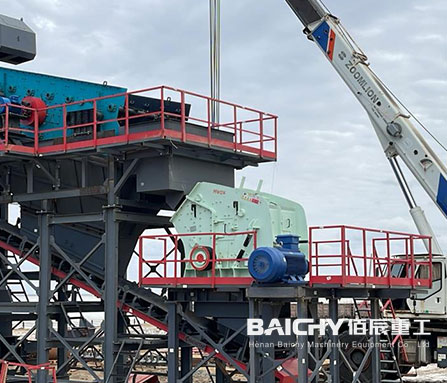
An impact crusher machine is one of the most efficient tools for producing high-quality aggregates, recycled concrete, and crushed stone. However, even the best crusher can suffer from reduced performance, excessive wear, and costly downtime when operated incorrectly. Many quarry operators and plant managers unknowingly make mistakes that significantly shorten equipment life and increase operating costs. If your impact crusher is producing less than expected or consuming wear parts too quickly, you may be making one of these common rookie mistakes.
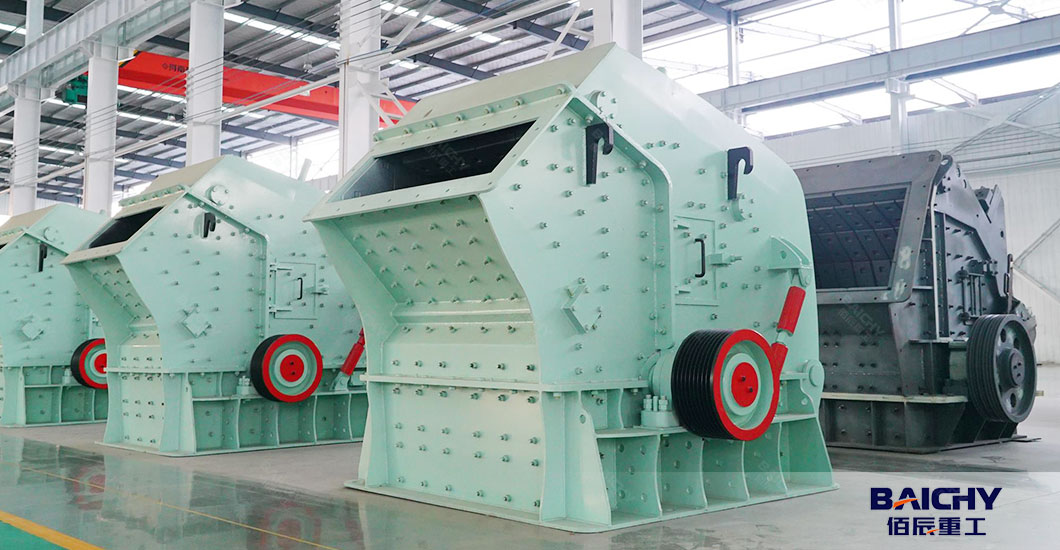
Mistake1: Feeding Material That Is Too Large
One of the most common rookie errors is allowing oversized rock to enter the impact crusher. Every impact crusher is designed around a maximum feed size, and when that limit is exceeded the rotor, blow bars, and crushing chamber experience much higher impact loads than intended. The result is often a combination of reduced throughput, higher vibration, faster wear, and occasional blow bar breakage. In practical terms, a crusher configured for a 400 mm maximum feed should not regularly receive 500 mm or larger material. The most effective prevention is to control the discharge from the upstream jaw crusher, verify feed size distribution through routine sampling, and use screening equipment to remove oversize before it reaches the impact crusher.
Mistake 2: Ignoring Wear Part Inspections
Many operators wait until production falls noticeably before inspecting blow bars, impact plates, and liners. By that stage, wear may already have become uneven and secondary damage can occur. As wear progresses, the crusher typically consumes more power, produces more fines, and loses its ability to generate a uniform cubical product. Throughput declines gradually rather than suddenly, which is why the problem is easy to miss. A simple preventive maintenance routine—weekly visual inspections, wear-thickness measurements, and replacement records—helps identify abnormal wear patterns early and keeps the crusher operating near its designed efficiency.
Mistake 3: Running the Crusher With an Unbalanced Feed
An impact crusher works best when material is distributed evenly across the full width of the rotor. Poor feeder settings, misaligned conveyors, or uneven stockpile loading can cause most of the feed to enter one side of the chamber. This creates uneven blow bar wear, rotor imbalance, higher vibration, and lower crushing efficiency. Over time, the imbalance can also shorten bearing life and increase maintenance costs. Operators can reduce the risk by checking feeder settings, inspecting conveyor alignment, and observing the actual material flow pattern into the crusher rather than assuming the feed is centered.
Mistake 4: Choosing the Wrong Material for an Impact Crusher
Impact crushers are highly effective on limestone, dolomite, gypsum, recycled concrete, and many other medium-hard materials, but they are not always the most economical choice for highly abrasive rock. When operators use impact crushers continuously on granite, basalt, or quartzite without accounting for abrasiveness, wear-part consumption can rise dramatically. The machine may still produce acceptable aggregate, but the cost per ton often increases because blow bars and liners wear out much faster. Before selecting or operating an impact crusher, it is important to evaluate rock hardness, silica content, abrasiveness, and moisture conditions. In some hard-rock applications, a cone crusher can deliver lower long-term operating costs.
Project Case: Limestone Aggregate Plant in Africa
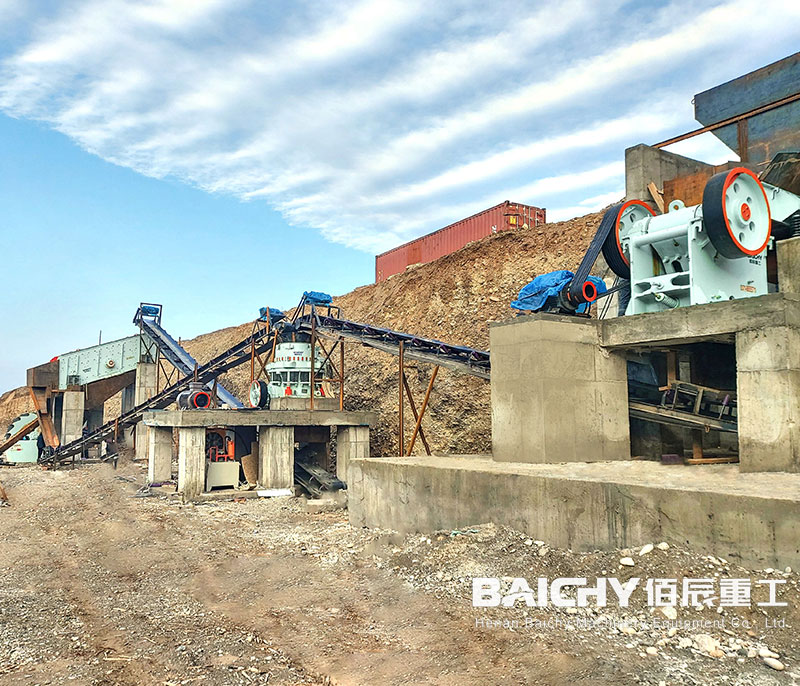
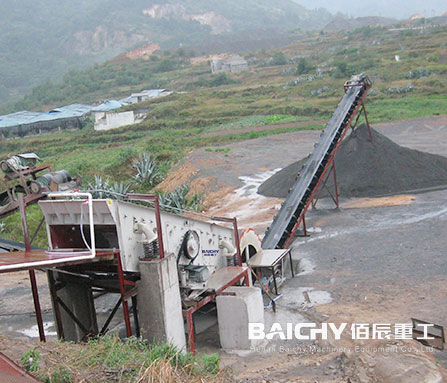
A limestone aggregate plant in Africa operating around 150 TPH experienced frequent blow bar failures and inconsistent product quality. The plant used a PE750×1060 jaw crusher, a PF1315 impact crusher, and a 3YK2160 vibrating screen. Site inspection showed that occasional oversized material was bypassing the primary crushing stage and that feed was entering the impact crusher unevenly across the rotor. The operator corrected the jaw crusher discharge setting, improved feeder distribution, added feed monitoring procedures, and introduced weekly wear-part inspections. Within roughly two months, blow bar life increased by about 30%, production became more stable, aggregate shape improved noticeably, and maintenance downtime decreased significantly. The key lesson was that the performance gain came primarily from better operating discipline rather than major equipment replacement.
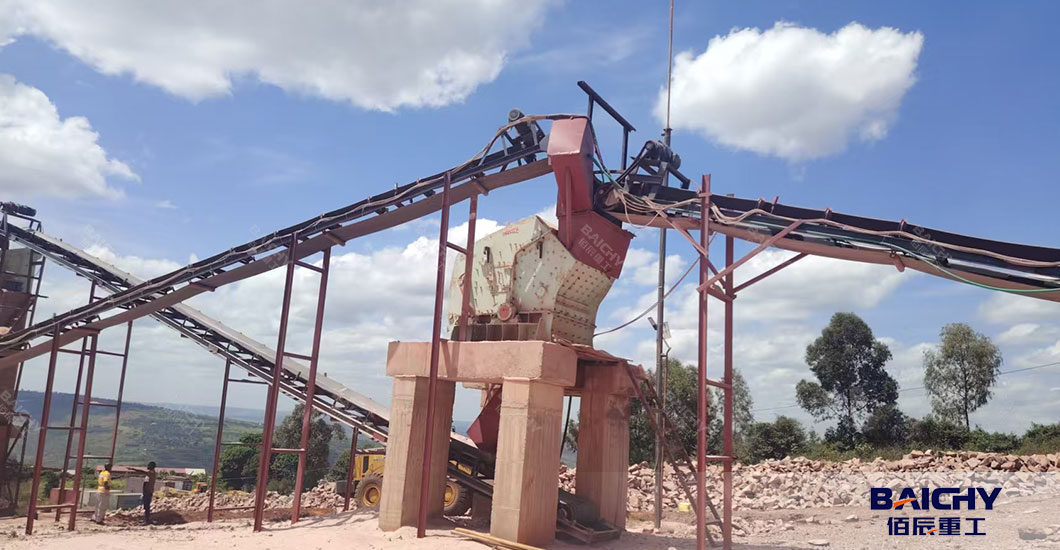
Why Choose Baichy Impact Crusher Machines?
Baichy impact crushers are designed for reliable operation in quarry, mining, and recycling applications.
Key advantages include:
● Heavy-duty rotor construction
● High crushing efficiency
● Wear-resistant blow bars
● Adjustable discharge settings
● Easy maintenance access
● Stable aggregate quality
Combined with professional technical support and operator training, Baichy helps customers achieve maximum productivity and equipment life.
Frequently Asked Questions
1. How often should impact crusher blow bars be inspected?
Most operators inspect blow bars weekly, although highly abrasive materials may require more frequent checks.
2. What is the most common cause of excessive wear?
Oversized feed material and abrasive rock are the leading causes of accelerated wear.
3. Can impact crushers handle granite?
Yes, but wear-part consumption is usually higher than when processing limestone or recycled concrete.
4. Why is my impact crusher producing too many fines?
Possible causes include worn blow bars, incorrect crusher settings, or excessive rotor speed.




 2026-09-08





 86-15093113821
 86-15093113821