In the mining and aggregate industry, grinding is the most critical step to achieve proper mineral liberation and control product size. When setting up a beneficiation plant, you will inevitably encounter two machines that look almost identical from the outside: the ball mill and the rod mill. However, their internal mechanics, grinding abilities, and final outputs are completely different. This guide will break down exactly how these two powerful machines compare, helping you choose the best equipment for your specific processing operation.
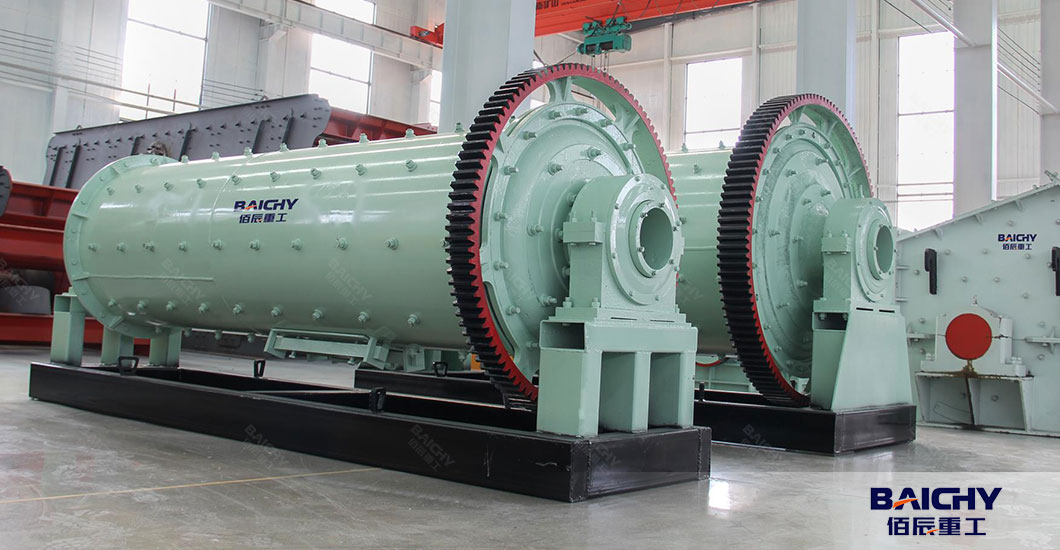
What is a Ball Mill?
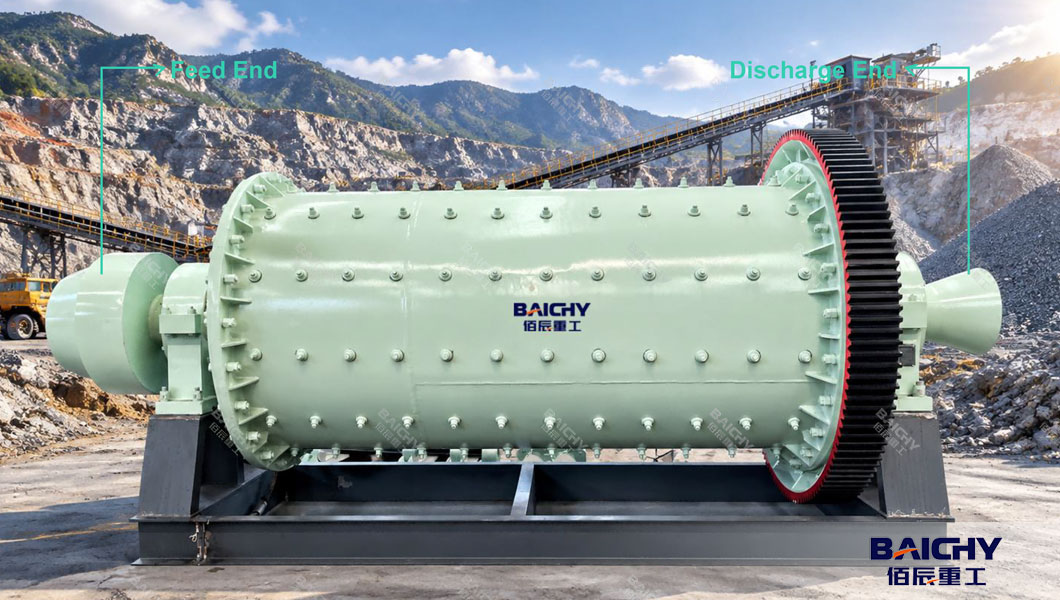
A ball mill is an industrial grinding machine that uses heavy steel balls as its primary grinding media. As the massive cylindrical drum rotates, the steel balls are lifted and then violently dropped onto the raw ore below. This constant tumbling action relies on "point-to-point contact." The incredible impact and intense friction generated by thousands of falling balls easily pulverize the hardest rocks into a microscopic dust, making the ball mill the undisputed king of fine grinding.
What is a Rod Mill?
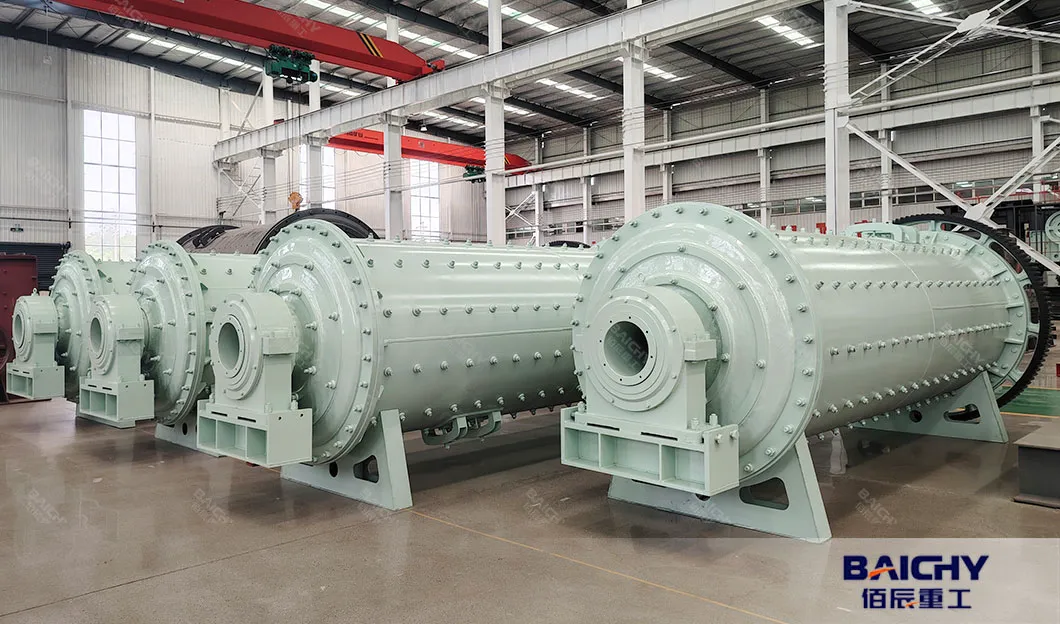
A rod mill looks very similar to a ball mill, but it uses long, heavy steel rods instead of spherical balls to crush the ore. As the cylinder turns, these steel rods roll over each other, creating a unique "line-to-line contact" with the material. This rolling action selectively grinds the largest rocks first, acting almost like a giant rolling pin. This specific mechanism prevents the ore from being ground too finely, making the rod mill a true expert in coarse grinding.
4 Key Differences Between Rod Mills and Ball Mills
While both machines reduce rock size, the way they do it changes everything about your final product. Here are the four major differences you must understand before making a purchase.
1. Grinding Media and Contact Method
The most obvious difference lies inside the drum. A ball mill is loaded with round steel balls, which strike the ore at countless individual points, shattering it completely. A rod mill uses heavy steel rods that stretch the entire length of the machine. These rods crush the rock along a straight line. This line contact ensures that large rocks are broken first while smaller particles remain protected between the rods.
2. Grinding Stage and Particle Size
Because of how they crush, these machines belong in different processing stages. The rod mill excels at primary, coarse grinding. It takes raw feed (around 15-25mm) and uniformly reduces it down to 1-3mm. The ball mill, however, dominates the secondary, fine grinding stage. It takes small gravel and easily grinds it down to an ultra-fine powder (below 0.074mm), which is exactly what is needed for chemical extraction.
3. Production Yield and Over-Crushing
Over-crushing is a massive problem in mining; grinding ore into useless mud makes it impossible to separate valuable minerals. Because a rod mill grinds selectively with line contact, it produces very uniform particles with minimal fine dust. A ball mill, relying on random point impacts, has a much higher overall throughput but naturally produces a significant amount of over-crushed fine powder.
4. Cylinder Shape and Speed
To function correctly, the physical design of the two machines must differ. A ball mill usually has a shorter length relative to its large diameter, allowing it to spin faster and throw the balls higher for maximum impact. A rod mill is designed to be much longer and spins slightly slower. This specific, elongated shape keeps the heavy steel rods perfectly parallel, preventing them from tangling or breaking during operation.
Rod Mill vs. Ball Mill: Which One Should You Choose?
The decision between a rod mill and a ball mill is not always straightforward and depends on a comprehensive analysis of several key factors:
● Desired Product Fineness and Particle Size Distribution: This is often the most critical factor. If a coarse, uniform product is needed, a rod mill is preferred. For very fine powders, a ball mill is the clear choice.
● Characteristics of the Feed Material: Hardness, abrasiveness, moisture content, and particle shape will influence media wear, power consumption, and potential for clogging.
● Throughput Requirements: The desired processing capacity will impact the size and number of mills required.
● Upstream and Downstream Processes: The mill must integrate seamlessly with crushing operations before it and separation/refinement processes after it.
● Budget Constraints: Both capital expenditure (CAPEX) for the equipment and operational expenditure (OPEX) for power, media, and maintenance must be considered.
● Environmental Considerations: Factors like noise levels and dust generation might influence mill selection and enclosure design.
After all, choosing the right grinder depends entirely on your raw material and what you plan to do with the finished product. Here is a quick guide to help you decide.
When to Choose a Rod Mill
You should choose a rod mill if you are producing artificial sand for construction. Builders demand uniform sand particles and strictly reject excess stone powder. The rod mill’s ability to prevent over-crushing makes it perfect for this. It is also the best choice for gravity or magnetic separation plants processing brittle ores like tungsten or tin, ensuring the valuable minerals are not ground into unrecoverable mud.
When to Choose a Ball Mill
You should absolutely choose a ball mill if your operation relies on the flotation process. Extracting gold, copper, or manufacturing cement requires the rock to be ground into an exceptionally fine, consistent powder to ensure maximum chemical reaction. The ball mill’s unmatched ability to achieve ultra-fine grinding, combined with its massive daily production capacity, makes it the only logical choice for these large-scale commercial plants.
Can Rod Mill and Ball Mill Work Together? The Two-Stage Circuit
In modern, mega-scale mining operations, engineers do not choose just one machine; they use both to create a highly efficient, two-stage grinding circuit. In this classic setup, the rod mill acts as the primary grinder in an open circuit, quickly reducing the rough ore into a uniform size. This perfectly sized material is then fed directly into a closed-circuit ball mill for ultra-fine grinding. This combination lowers total energy consumption and maximizes mineral liberation.
While they may look like twins, rod mills and ball mills serve entirely different purposes. The rod mill is your precision tool for coarse grinding and strict particle control, while the ball mill is your heavy-duty powerhouse for ultra-fine pulverization. Choosing the right machine will drastically improve your plant's efficiency and overall profitability.
Are you still unsure whether a ball mill or a rod mill is the best choice for your specific ore? Making the wrong decision can ruin your recovery rates. Contact Baichy Machinery’s expert engineering team today! We offer free metallurgical analysis, professional plant design, and highly competitive equipment quotes to guarantee your mining success.
Frequently Asked Questions (FAQ)
Q1: Which mill consumes more energy: a rod mill or a ball mill?
A: Generally, a ball mill consumes significantly more power. Because a ball mill is designed to smash rocks into an ultra-fine powder, its motor must run at a higher speed to constantly lift and drop the heavy steel balls. A rod mill, however, operates at a slightly lower speed for coarse grinding. If you only need a medium-sized granular product, using a rod mill will save you a lot of electrical energy.
Q2: Can I put steel balls into a rod mill, or steel rods into a ball mill?
A: No, you should never mix or swap the grinding media. A rod mill has a specific, elongated cylinder design (its length is much greater than its diameter) to keep the heavy steel rods perfectly parallel. If you put long rods into a shorter ball mill, they will immediately tangle, bend, and severely destroy the internal liners. Likewise, putting round balls into a rod mill will ruin its unique "line-contact" grinding ability.
Q3: Which mill is the best choice for producing artificial sand for construction?
A: The rod mill is the absolute best choice for making artificial construction sand. High-quality concrete requires sand particles to be uniform in size, and having too much microscopic stone powder will ruin the cement mixture. Because the rod mill's rolling action prevents "over-crushing," it creates a perfectly even, high-quality sand with minimal waste dust—something a ball mill simply cannot do.




 2026-09-28





 86-15093113821
 86-15093113821