In the mineral processing, powder engineering, and building materials industries, grinding equipment is critical to determining final product quality and operational costs. Among the wide range of industrial milling machinery, ball mills and Raymond mills stand out as two of the most widely used solutions. While both are designed to turn rock into fine powder, they operate on entirely different principles, excel with different materials, and achieve distinct levels of fineness. This guide provides a comprehensive, data-driven comparison of these two technologies. By the end of this article, you will know exactly which mill aligns with your project requirements, material hardness, and budget constraints.
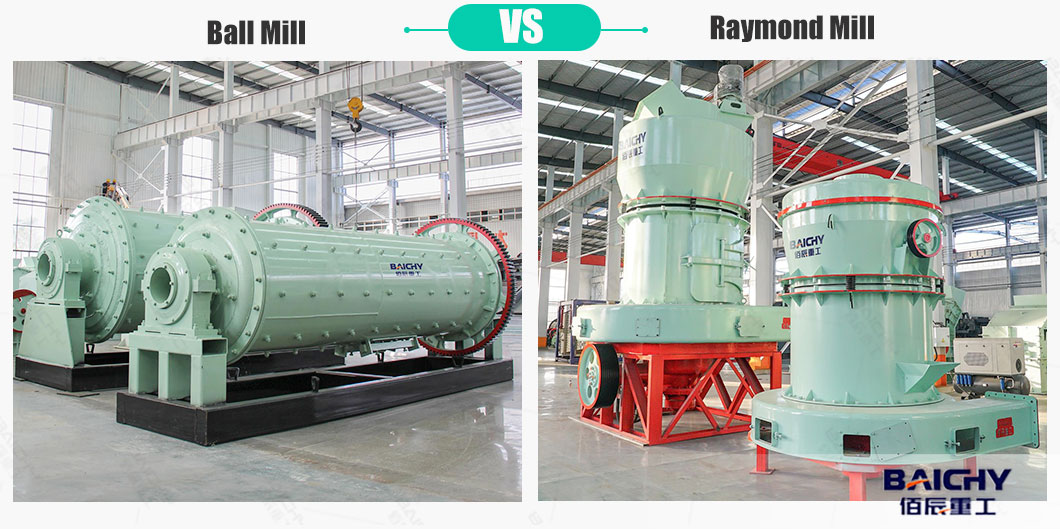
What is a Ball Mill?
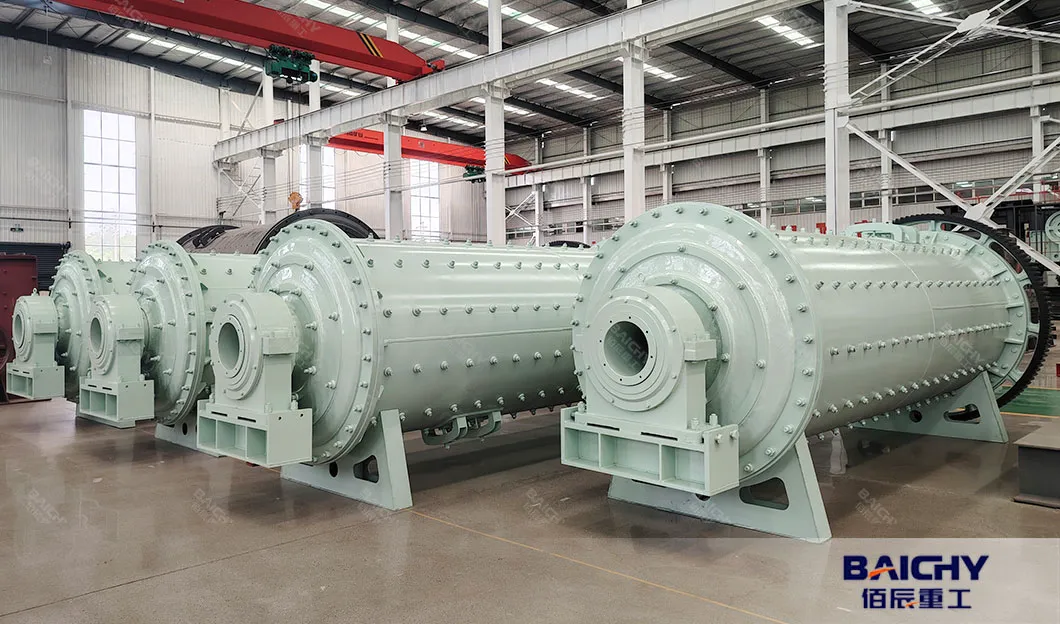
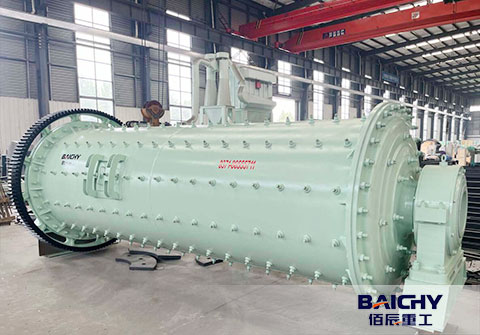
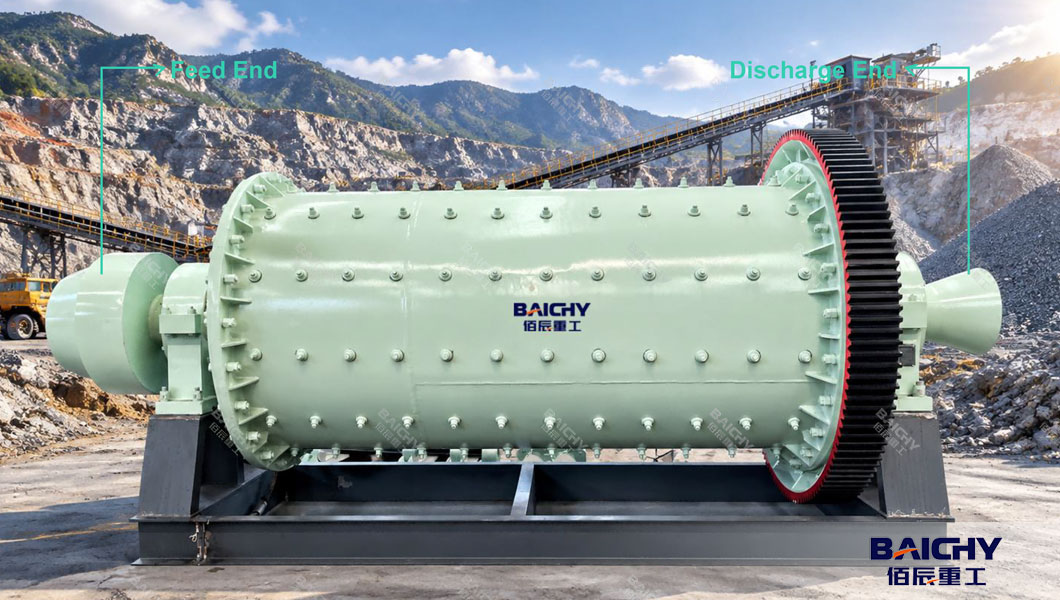
A Ball Mill is a heavy-duty, horizontal cylindrical machine used for grinding materials by tumbling them inside a rotating drum filled with grinding media.
● Structure: Horizontal cylinder (rotating on a horizontal axis).
● Grinding Mechanism: It relies on impact and attrition. As the cylinder rotates, steel or ceramic balls are lifted by centrifugal force and then cascade down, crashing into the material to crush it.
● Key Strengths: Extremely robust and simple in design. It is highly effective for coarse to medium grinding and can handle virtually any material fed into it.
What is a Raymond Mill?
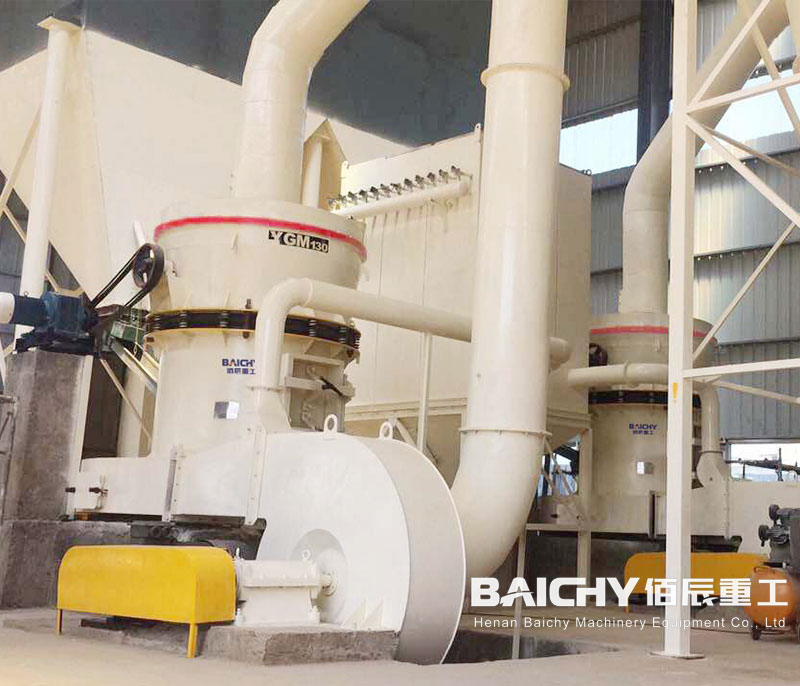
A Raymond Mill (often referred to as a Raymond roller mill) is a vertical, air-swept grinding system designed for high-efficiency powder production.
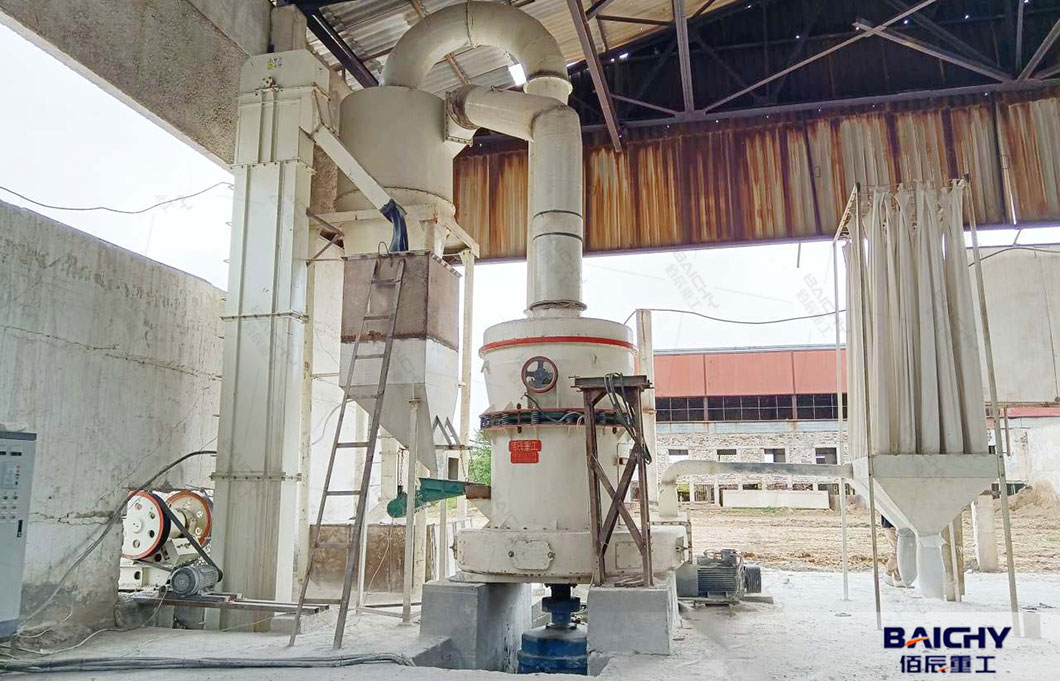
● Structure: Vertical tower structure with an integrated classifier and blower system.
● Grinding Mechanism: It relies on compression and shearing. Suspended rollers swing outwards by centrifugal force, pressing tightly against a stationary grinding ring. Material is fed between the roller and the ring to be crushed.
● Key Strengths: Highly integrated system (grinder + classifier + fan) with a small footprint. It is exceptionally good at producing fine, uniform powders with lower energy consumption.
5 Key Differences Between Ball Mills and Raymond Mills
To determine which machine is right for you, you must look beyond the surface. Here are the five critical factors that separate these two grinding giants.
1. Material Hardness and Applications
Ball Mill
The ball mill is engineered for hard, abrasive, high-strength materials. Best for: Metal ores (Gold, Copper, Iron ore), Cement clinker, Granite, and Quartz. It can handle Mohs hardness up to 9. Because it utilizes massive steel balls that violently smash the rocks, it effortlessly grinds tough gold ore, dense quartz, and abrasive cement clinker. The robust inner liners and heavy steel media withstand the brutal friction of hard rock, ensuring the machine rarely suffers from rapid wear or sudden mechanical breakdowns.
Raymond Mill
Conversely, the Raymond mill is strictly a soft-rock specialist. It is perfectly engineered for materials with a Mohs hardness below 7, such as soft limestone, calcite, talc, and gypsum. Feeding hard, abrasive granite into a Raymond mill will destroy its spinning rollers and steel grinding ring almost instantly. Using this machine for the wrong material will ruin your investment and cause endless, expensive maintenance.
2. Dry vs. Wet Grinding
Ball Mill
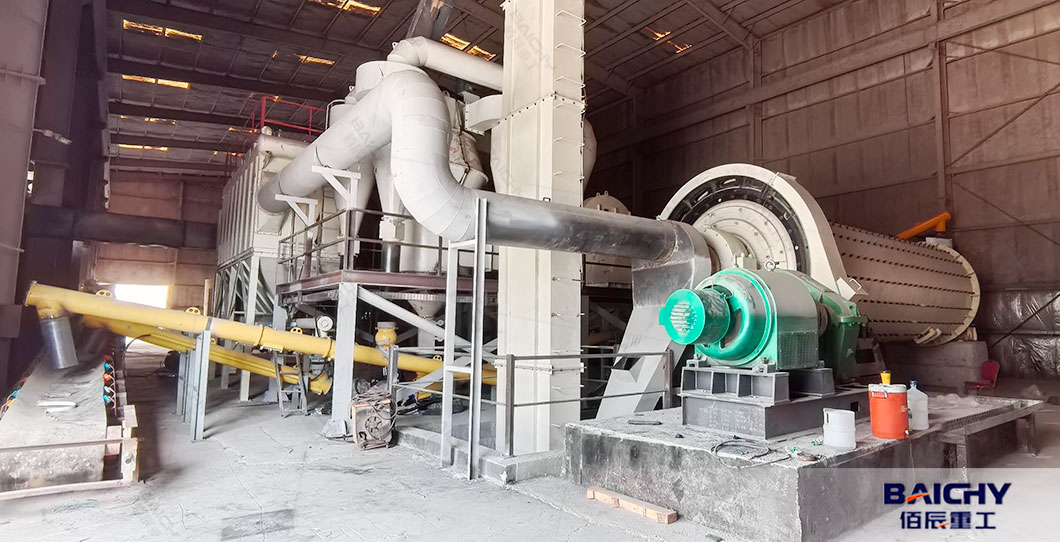
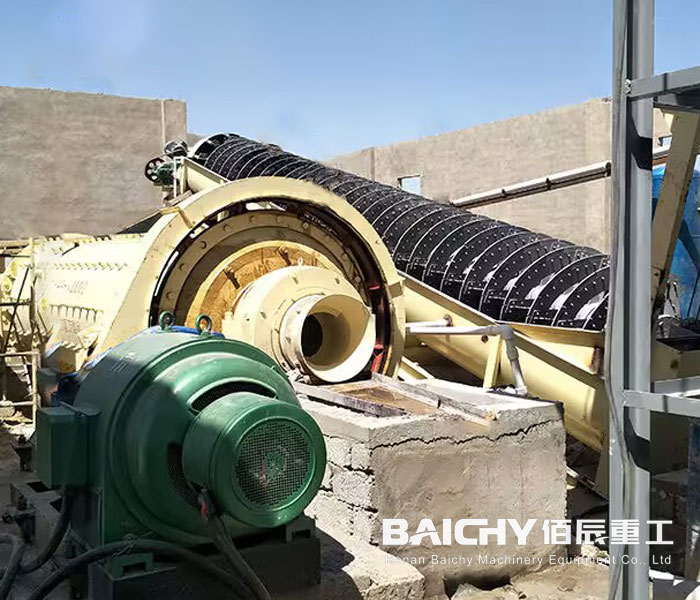
The ball mill is incredibly versatile; it can easily operate as either a dry grinding plant or a wet grinding process. In metal ore beneficiation, wet ball milling is the absolute industry standard. Adding water creates a flowing, muddy slurry that is completely ideal for the downstream chemical flotation process. This wet method also naturally eliminates dangerous airborne dust, keeping the entire processing plant clean and safe for workers.
Raymond Mill
A Raymond mill requires a strictly dry environment to operate successfully. Because this machine relies entirely on a powerful internal air blower to transport the microscopic powder up into the cyclone collector, introducing wet or sticky materials will immediately clog the system. The wet clay will instantly stick to the rollers and pipes, bringing the entire production line to a complete and frustrating halt.
3. Output Fineness
Ball Mill
A traditional ball mill naturally produces a much coarser product with a very wide particle size distribution. Because the steel balls strike the rocks completely randomly, achieving absolute microscopic fineness is extremely difficult. It requires far more electrical energy, exceptionally long grinding times, and a highly complex external classification system to force the oversized particles back into the massive steel drum.
Raymond Mill
If you need absolute precision and uniformity, the Raymond mill wins easily. Because of its continuous shearing action and its built-in dynamic air classifier, it produces an incredibly fine and highly uniform powder. Operators can precisely adjust the output size anywhere from 80 to 325 mesh with ease. This exact sizing guarantees that the final powder perfectly meets strict industrial and chemical manufacturing standards.
4. Energy Consumption and Efficiency
Ball Mill
Operating a massive ball mill requires a tremendous amount of electrical power. Constantly lifting tons of heavy steel balls against gravity is highly energy-intensive. Furthermore, the random impact crushing mechanism often leads to inefficient over-grinding, which wastes a significant amount of daily power. For operations focused on producing simple rock powder, a ball mill often results in unnecessarily high daily electrical bills.
Raymond Mill
The Raymond mill is significantly more energy-efficient by design. Its precise roller-crushing mechanism, combined with its cleverly integrated closed-circuit air sweeping system, drastically lowers daily power consumption. The machine efficiently maximizes the total fine powder output while keeping your factory's electrical bills surprisingly low, offering a much faster return on your initial equipment investment.
5. Footprint and Plant Layout
Ball Mill
A ball mill features a long, horizontal design that requires a massive amount of factory floor space. It also demands extremely deep, incredibly expensive concrete foundations to safely absorb the violent, heavy vibrations during operation. Furthermore, to operate correctly, it requires completely separate external classifiers, massive fans, and heavy-duty dust collectors, creating a highly complex and sprawling plant layout.
Raymond Mill
A Raymond mill is a vertical, highly self-contained system. The main grinder, the powerful air blower, the dynamic classifier, and the cyclone powder collector are all tightly integrated into one compact, upright tower. This brilliant, streamlined design saves you massive amounts of expensive factory space. It requires very minimal foundational work and significantly simplifies the entire installation and wiring process.
How to Choose the Right Mill for Your Business?
Selecting the correct grinding equipment is a critical financial decision. To choose the right machine and ensure a high return on investment, you must evaluate three specific criteria regarding your project: material hardness, the required processing environment, and your target output fineness. Here is a clear, practical guide to help you decide.
When You Must Choose a Ball Mill:
You should strictly choose a ball mill if you are processing hard, highly abrasive materials with a Mohs hardness of 7 or above, such as quartz, granite, iron ore, or copper ore. A ball mill is also your only logical choice if your downstream extraction process requires wet grinding to create a chemical slurry (such as the flotation process for precious metals). Finally, if your operation requires a massive daily throughput (e.g., thousands of tons per day) and the final powder does not need to be perfectly uniform, the rugged, high-capacity ball mill is the industry standard.
When You Must Choose a Raymond Mill:
You should choose a Raymond mill if you are processing soft to medium-hard non-metallic minerals, such as limestone, gypsum, barite, calcite, or talc. If your business model relies on selling a perfectly dry, ultra-fine powder that must meet strict, uniform sizing standards (between 80 and 325 mesh), the Raymond mill is exactly what you need. Furthermore, if you operate in a facility with limited floor space or want to drastically reduce your daily electrical consumption, the vertical, energy-efficient design of the Raymond mill will maximize your overall profitability.
While they may seem similar, the ball mill and Raymond mill are masters of entirely different domains. The ball mill is your heavy-duty champion for hard rocks and wet grinding, while the Raymond mill is your energy-saving expert for ultra-fine, dry powder production. Making the wrong choice will ruin your plant's efficiency.
Still confused about which grinding mill perfectly fits your project? Contact the expert engineering team at Baichy Machinery today! We offer free material analysis and professional plant design to ensure you get the absolute best milling solution for maximum efficiency and profit. Reach out now for a highly competitive, customized quote!
Frequently Asked Questions (FAQ)
Q: Can a Raymond Mill grind metal ore?
A: Generally, no. Metal ores like iron ore are too abrasive for the metal rollers and rings of a Raymond mill. The maintenance cost would be extremely high. A ball mill is better for metal ores .
Q: Which mill is cheaper to buy?
A: The initial investment for a Raymond Mill is typically lower (around 40% of the cost of a comparable ball mill system) because it is a single integrated unit .
Q: What is the highest mesh a Raymond Mill can achieve?
A: Standard Raymond mills go up to 325 mesh. However, upgraded models (often called Ultra-Fine Mills) can reach 800 mesh (15 microns) , though output capacity drops significantly at this range .




 2026-09-28





 86-15093113821
 86-15093113821