Home About us
Products
News
Solution
Video Service Contact us
Home  /  News

What Is a Jaw Crusher? 

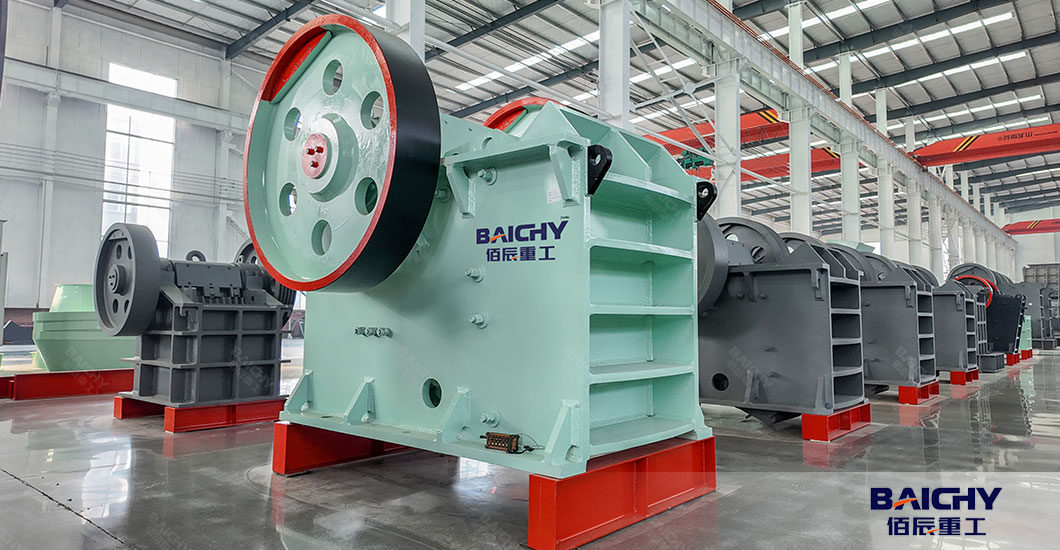
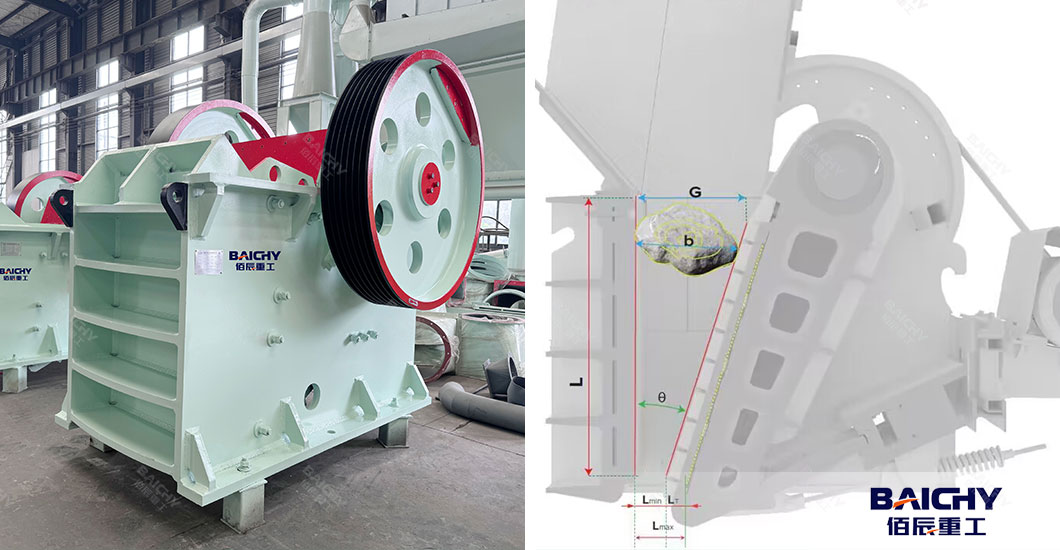
A jaw crusher is a primary crushing machine used in mining, construction, and recycling to break hard, brittle materials (e.g., granite, basalt, concrete, asphalt) into smaller sizes. Its core is two jaw plates: fixed jaw (stationary) and movable jaw (swings via an eccentric shaft).


Jaw-Crusher-Price-Guide-00.jpg


How It Works Step-by-Step

      1. Feeding: Material enters the V-shaped crushing chamber from the top.
      2. Crushing: The movable jaw swings toward the fixed jaw, compressing material with immense force to fracture it.
      3. Discharge: The movable jaw retracts, and crushed material exits through the bottom opening.


What Is Capacity(TPH)?

Capacity, measured in tons per hour (TPH), is the amount of material a jaw crusher processes hourly. It is the most critical metric for operational efficiency.


Key Factors Affecting Jaw Crusher Production (TPH)

1. Rotor Speed (RPM)

      ● High RPM: Faster crushing cycles, finer output, but lower throughput (material can’t discharge in time, causing blockages).
      ● Low RPM: Higher TPH, coarser product. Follow manufacturer recommendations; adjust via VFD for balance.


2. Feed Conditions

      ● Feed Size Rule: Max feed size = 80% of feed opening (e.g., 600mm opening → 480mm max feed). Oversize material causes jams and downtime.
      ● Uniformity: Uneven feeding leads to uneven jaw wear (center wears 3x faster) and 30-40% lower TPH.
      ● Fine Content: Excess fines (>20%) clog the chamber. Use pre-screening to remove fines and boost capacity by 10-15%.


3. Closed Side Setting (CSS)

      ● CSS is the smallest gap between jaws (controls output size and TPH):
      ● Larger CSS: Higher TPH, coarser product (e.g., 100mm CSS → max throughput).
      ● Smaller CSS: Finer product, 25-50% lower TPH (e.g., 25mm CSS → 40-50% capacity drop).
      ● Best Practice: Set CSS to the largest acceptable size for your product needs.


4. Jaw Plate Wear & Selection

      ● Worn Plates: Reduce crushing efficiency by 20-30% and cause uneven product size.
      ● Tooth Profile: Choose profiles for your material (e.g., sharp teeth for hard rock, flat teeth for soft stone).
      ● Material: Use high-manganese steel or chrome carbide plates for 3x longer life.


5. Material Properties

      ● Hardness: Hard rock (granite) reduces TPH by 30% vs. soft rock (limestone).
      ● Moisture: >15% moisture causes sticking; use dry feeding or dehumidification.
      ● Abrasiveness: High-abrasion materials (basalt) wear jaws faster, requiring frequent replacement.


How-do-you-size-a-jaw-crusher-01.jpg


How to Select a Jaw Crusher by Target TPH (Quantitative Guide)

Use this 80% capacity rule: Choose a crusher whose rated TPH is 120-150% of your target (accounts for real-world losses from wear, feed issues, etc.).

Production Scale Target TPH Recommended Model
Small <50 PE-250×400, PE-400×600
Medium 50-150 PE-500×750, PE-600×900
Large >150 PE-900×1200, PE-1200×1500

 Pro Tip: For hard materials (granite), upsize by one model to maintain target TPH.


7 Expert Tips to Optimize Jaw Crusher Performance & Boost TPH

1. Stabilize Feeding

     ● Use a vibrating feeder with variable speed to maintain consistent, full-width feed.
      ● Mark hopper zones for operators (left → center → right rotation) to avoid concentrated feeding.


2. Optimize CSS Daily

      ● Check and adjust CSS per shift: larger CSS for higher TPH, smaller for finer product.
      ● Avoid "over-crushing" (too small CSS) — it wastes energy and reduces output.


3. Maintain Jaw Plates

      ● Inspect weekly; rotate or replace when wear exceeds 15%.
      ● Match tooth profile to material: sharp for hard rock, curved for sticky stone.


4. Monitor Speed & Load

      ● Run at manufacturer’s recommended RPM (±5%): too fast causes bounce, too slow reduces TPH.
      ● Track motor current: consistent load = efficient operation; spikes mean overfeeding or jams.


5. Pre-Screen Fines

      ● Install a pre-screen to remove fines before feeding — prevents clogging and increases TPH by 10-15%.


6. Control Moisture

      ● Keep feed moisture <15%: use covered hoppers or dryers for wet materials.


7. Schedule Preventive Maintenance

      ● Lubricate bearings weekly; check toggle plates and flywheels monthly.
      ● A well-maintained crusher runs at 95%+ efficiency vs. 60-70% for neglected machines.


Real-World Applications & Results

      ● Quarry (Granite): PE-600×900 crusher, CSS 50mm, uniform feeding → 120 TPH (30% higher than before optimization).
      ● Concrete Recycling: PE-400×600, pre-screening, high-manganese jaws → 40 TPH (25% less wear, 15% lower energy use).
      ● Limestone Mine: PE-500×750, VFD speed control, CSS 75mm → 80 TPH (stable output, minimal downtime).


Final Notes

Jaw crusher performance depends on balanced parameters: right speed, proper CSS, uniform feed, and well-maintained jaws. By following this guide, you can boost TPH by 20-40% while reducing wear and energy costs. Always reference manufacturer data for your specific model and material.


Maybe you are interested in