Basalt is a hard, dense volcanic rock widely used in construction, road building, railway ballast, and concrete aggregate production. Due to its high compressive strength and strong abrasiveness, choosing the right crusher is essential for achieving stable production, low operating costs, and high-quality aggregates.
So, what crusher is best for basalt?
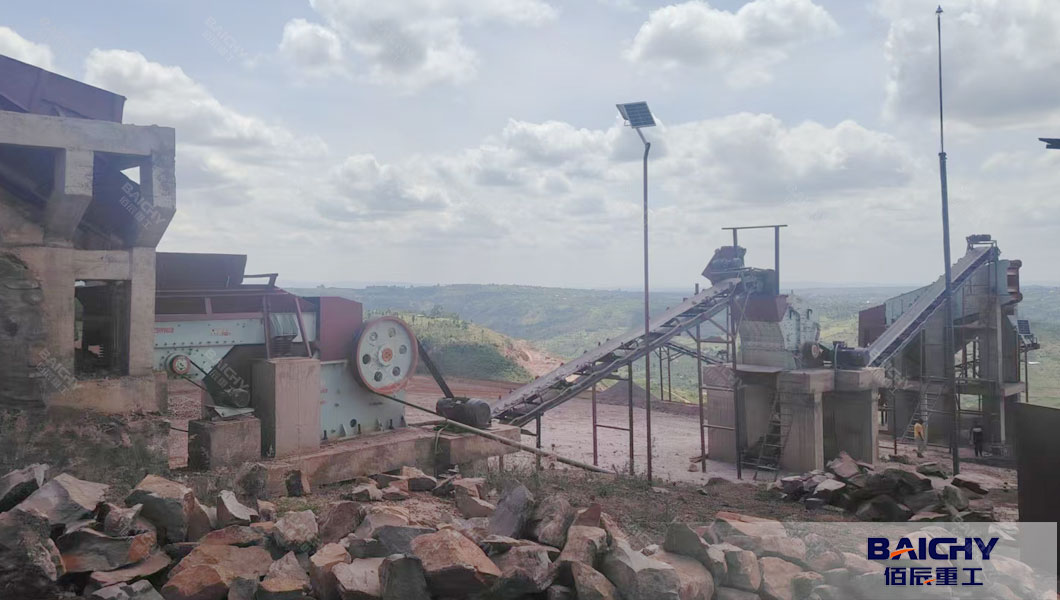
In most basalt crushing applications, a combination of jaw crusher and cone crusher is considered the most suitable solution. The jaw crusher handles the primary reduction of large basalt rocks, while the cone crusher provides efficient secondary crushing with excellent wear resistance and particle shape control.
However, the best crusher depends on several factors, including basalt hardness, required output size, production capacity, and final application.
What Crusher Is Commonly Used for Basalt Crushing?
1. Jaw Crusher for Primary Basalt Crushing
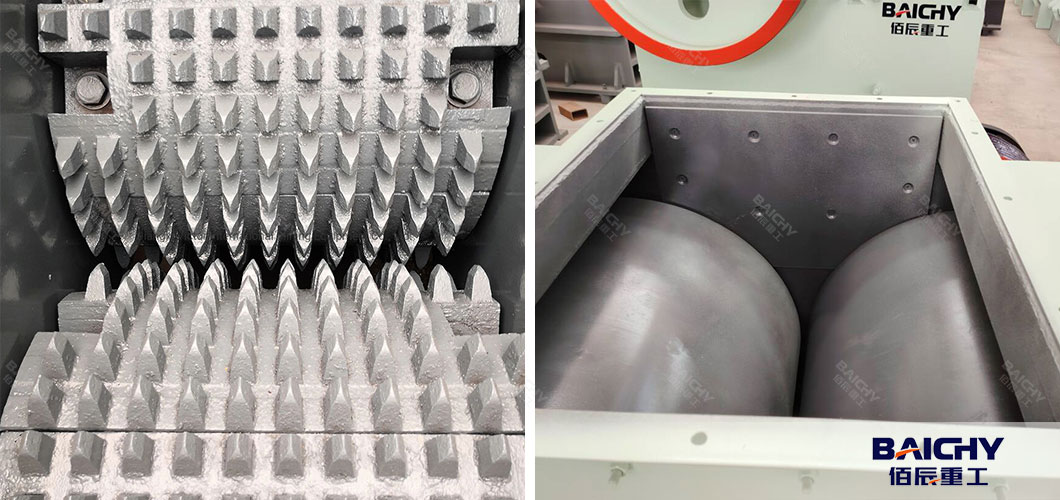
A jaw crusher is usually the first choice for the primary crushing stage of a basalt crushing plant. It reduces large basalt rocks extracted from the quarry into smaller pieces through compression between the fixed jaw and movable jaw.
Because basalt often comes in large blocks after blasting, a jaw crusher with a large feed opening and strong crushing force is suitable for handling this initial reduction process.
The main advantages of using a jaw crusher for basalt include reliable operation, simple structure, easy maintenance, and strong adaptability to hard rock materials. It is commonly used in the first stage of medium and large basalt crushing plants.
After primary crushing, the reduced basalt material is usually transported to the next crushing stage for further processing.
2. Cone Crusher for Secondary Basalt Crushing
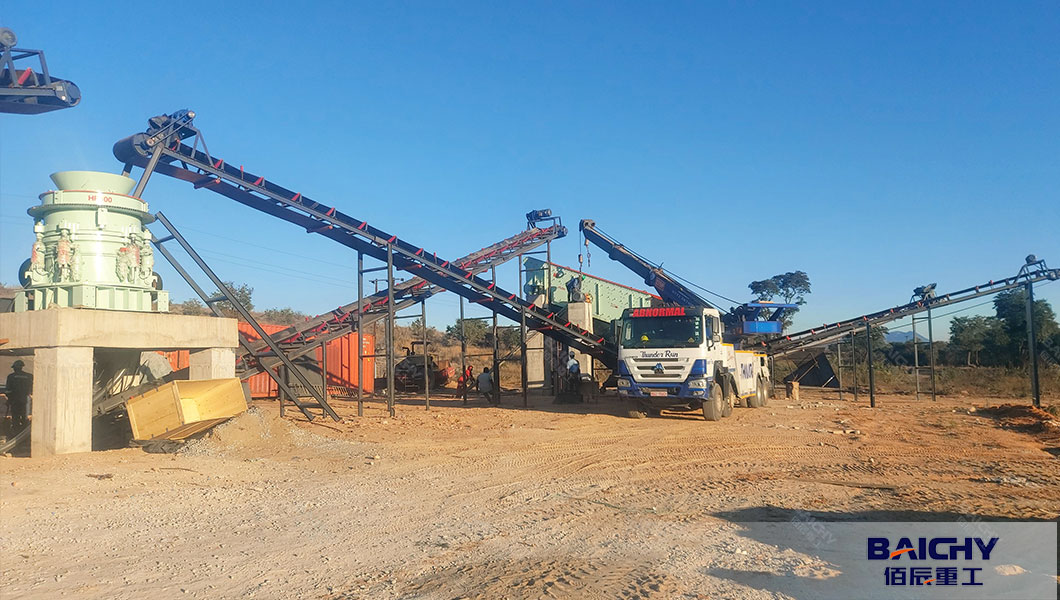
For hard and abrasive materials like basalt, cone crushers are widely used as secondary crushing equipment. Unlike impact crushers that rely on high-speed impact force, cone crushers use compression crushing, which helps reduce wear when processing hard rocks.
A cone crusher can provide stable product size, high crushing efficiency, and excellent resistance to abrasion. It is especially suitable for long-term quarry operations where continuous production and lower maintenance costs are important.
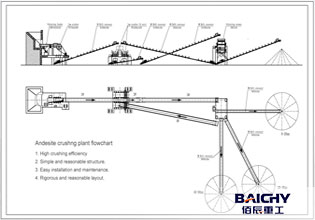
In a typical basalt aggregate production line, the material flow is:
Basalt rock → Jaw crusher → Cone crusher → Vibrating screen → Finished aggregate
This combination provides a balanced solution between crushing performance, equipment lifespan, and production efficiency.
3. Impact Crusher for Basalt Crushing and Shaping
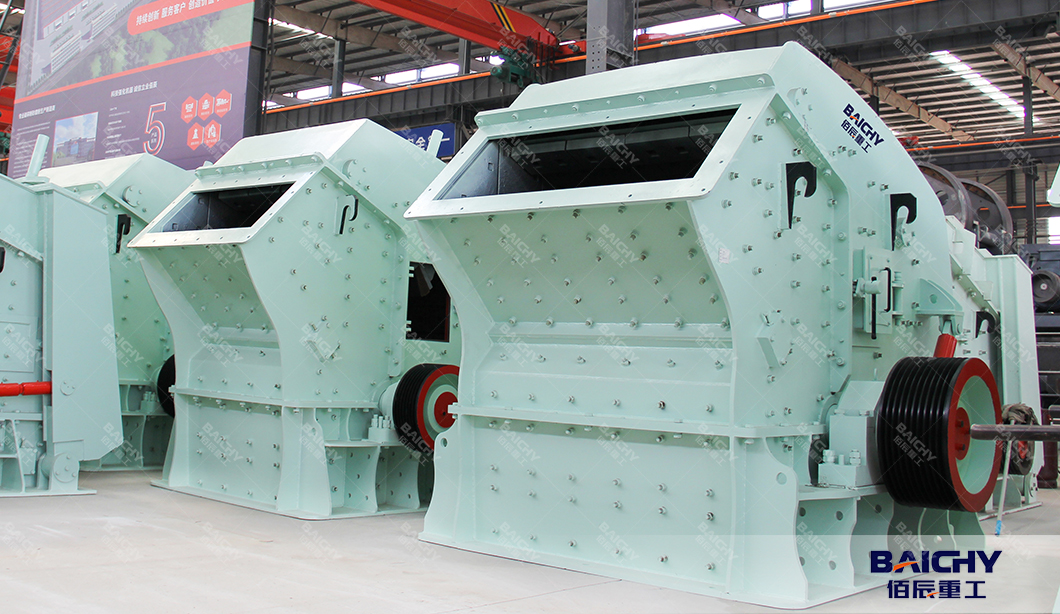
An impact crusher can also be used for basalt processing, especially when customers have higher requirements for aggregate shape. Impact crushers use high-speed impact force to break materials and can produce more cubic-shaped particles. However, basalt has high abrasiveness, which may accelerate the wear of impact crusher blow bars and increase maintenance costs. Therefore, impact crushers are usually selected for specific applications where particle shape is more important and operating conditions allow higher wear consumption. For large-scale basalt quarry production, cone crushers are generally preferred because they provide better durability and lower long-term operating costs.
How to Choose the Right Basalt Crusher?
Choosing the correct basalt crusher requires considering several practical factors. The first factor is the raw material size. Large basalt rocks require crushers with larger feed openings and stronger crushing capacity.
The second factor is production capacity. Customers should select crusher models according to their required output, such as 50 tph, 100 tph, or 200 tph. Oversized equipment may increase investment costs, while insufficient capacity may reduce production efficiency.
The final product requirements are also important. Aggregates used for road construction, concrete production, and railway ballast may require different particle sizes and shapes. Therefore, the crushing process should be designed according to the final application.
In addition, because basalt is highly abrasive, customers should consider long-term operating costs, including wear part replacement, maintenance frequency, and energy consumption.
Baichy Basalt Crushing Plant Solution
Baichy Machinery provides customized basalt crushing solutions for quarry operators, mining companies, and construction material producers.
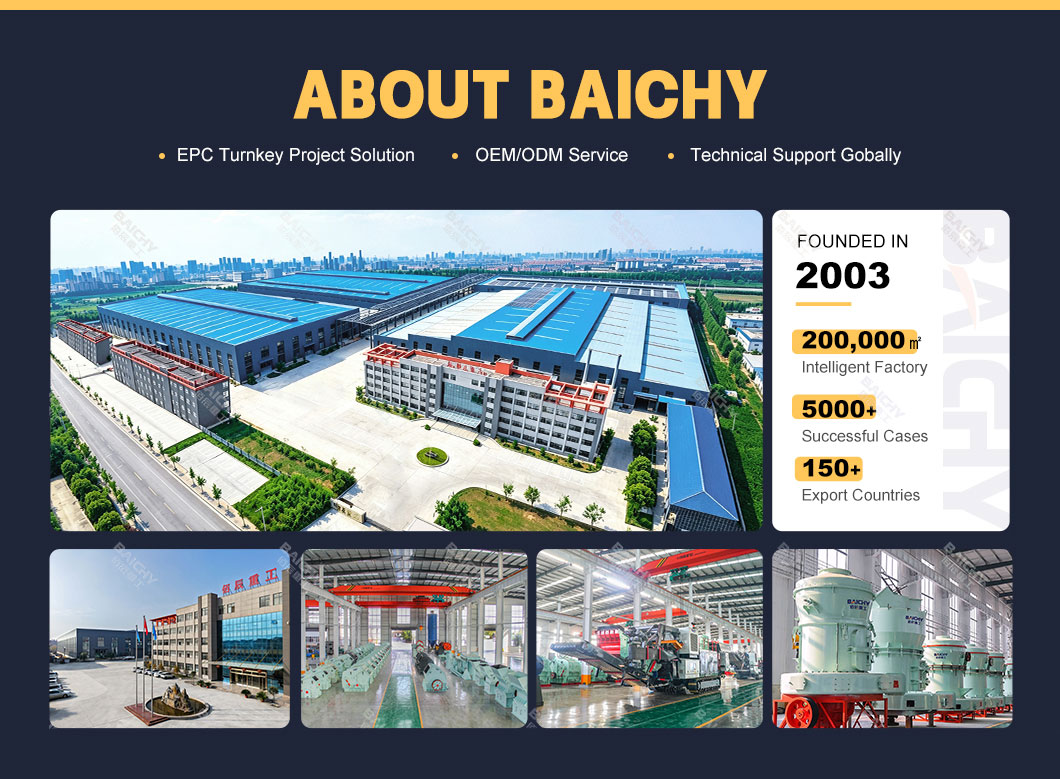
As an experienced basalt crushing plant manufacturer, Baichy designs complete basalt stone crushing plants according to different project requirements, including raw material characteristics, production capacity, and final aggregate specifications.
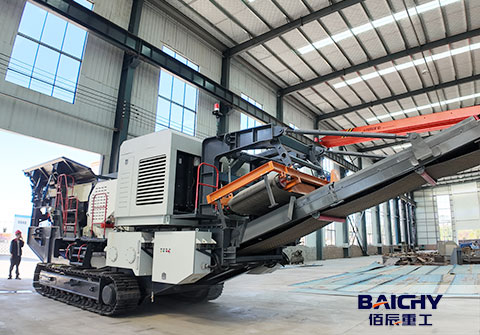
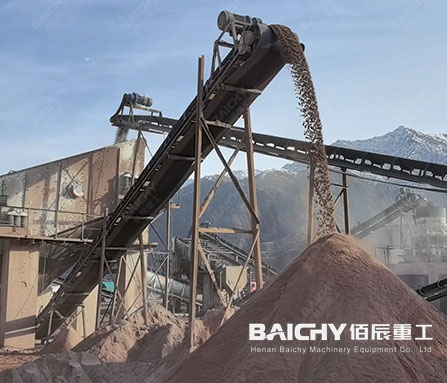
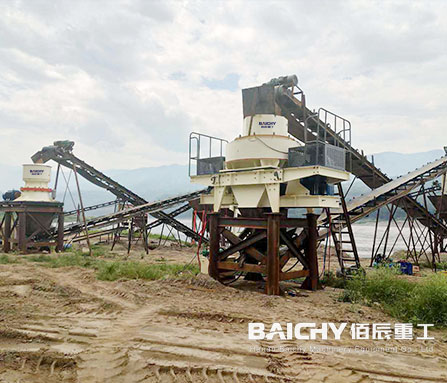
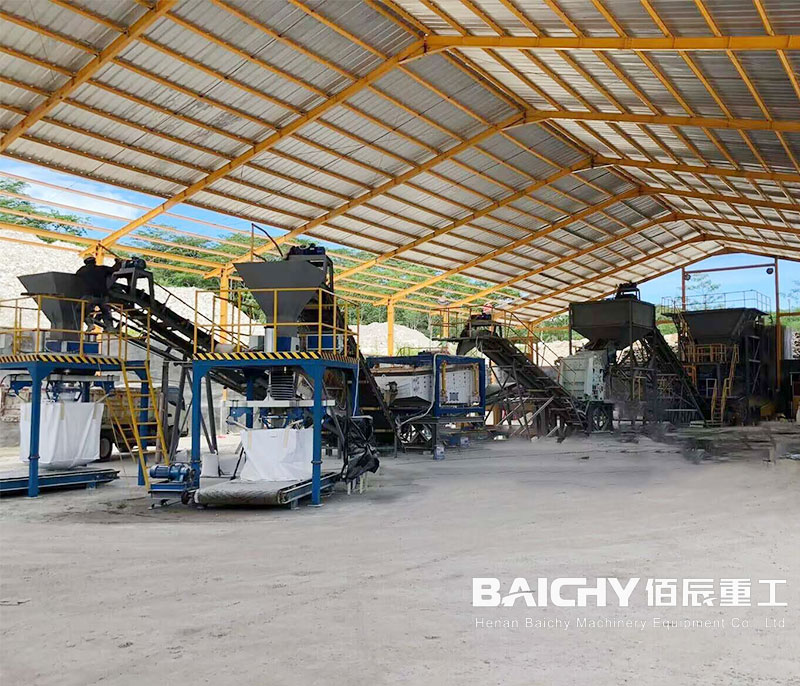
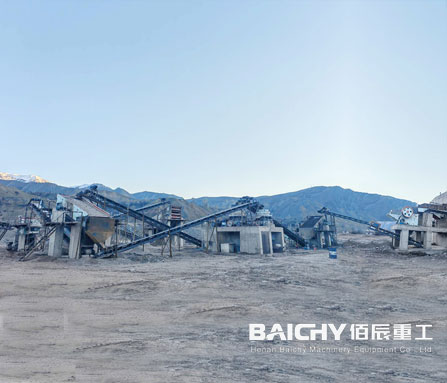
A typical basalt aggregate production line from Baichy may include jaw crushers for primary crushing, cone crushers for secondary crushing, vibrating screens for size classification, and belt conveyors for efficient material transportation.
With professional engineering design, equipment manufacturing, installation guidance, and after-sales service, Baichy helps customers build reliable and efficient basalt crushing plants for long-term operation.
FAQ About Basalt Crusher
1. What crusher is best for basalt?
For most basalt crushing applications, a jaw crusher combined with a cone crusher is the best choice. The jaw crusher handles large basalt rocks, while the cone crusher provides efficient secondary crushing with better wear resistance.
2. Can an impact crusher crush basalt?
Yes, an impact crusher can crush basalt, but it is usually selected for applications requiring better particle shape. Due to basalt’s high abrasiveness, wear costs may be higher compared with cone crushers.
3. Is basalt harder to crush than limestone?
Yes. Basalt is harder and more abrasive than limestone, so it requires stronger crushing equipment with more durable wear parts.
4. Can basalt be used to produce manufactured sand?
Yes. After crushing and shaping with equipment such as a VSI sand making machine, basalt can be processed into manufactured sand for concrete and construction applications.




 2026-10-10





 86-15093113821
 86-15093113821