Mobile jaw crushers have become increasingly popular in mining, construction, and recycling industries. These self-contained units mounted on wheels or tracks bring crushing capabilities directly to the material source, eliminating the need to transport raw materials to a fixed plant . But is a mobile jaw crusher the right investment for your operation? Like any major equipment decision, there are significant trade-offs to consider. This guide breaks down the pros and cons of mobile jaw crushers from a buyer's perspective, helping you make an informed choice based on your project requirements, budget, and operational goals.
What Is a Mobile Jaw Crusher?
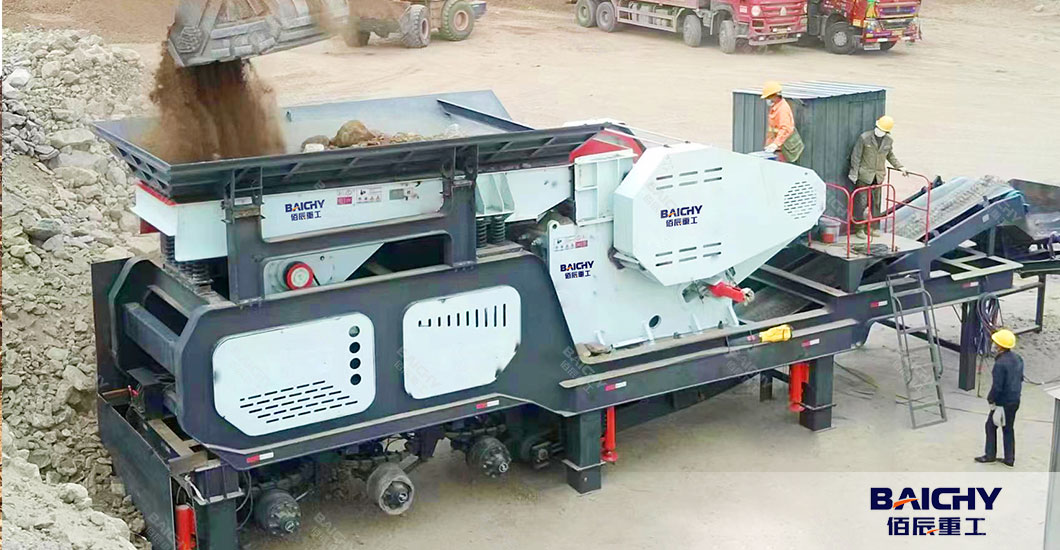
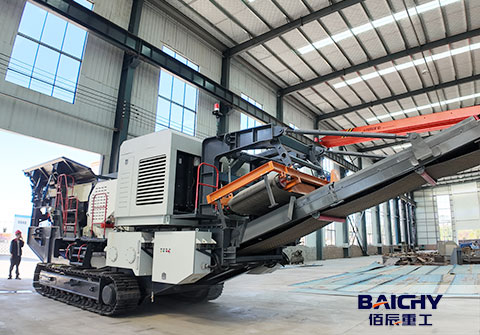
A mobile jaw crusher is a complete crushing plant integrated onto a movable chassis. Instead of sitting on a concrete foundation, it drives on heavy-duty crawler tracks or rubber tires, allowing the machine to travel directly to the rock face and crush materials exactly where they are blasted or demolished .
These units typically combine a hopper, vibrating feeder, jaw crusher, conveyor belts, and optional screening equipment into a compact, integrated system . They are designed for rapid deployment and can often start crushing within hours of arrival at a new site .
The Pros of Mobile Jaw Crushers
1. Unmatched Portability and Flexibility
The greatest strength of a mobile jaw crusher is its ability to move between sites with minimal effort . Whether you're handling multiple short-term projects, working in remote locations, or need to process material at different points within a quarry, the mobility advantage is substantial.
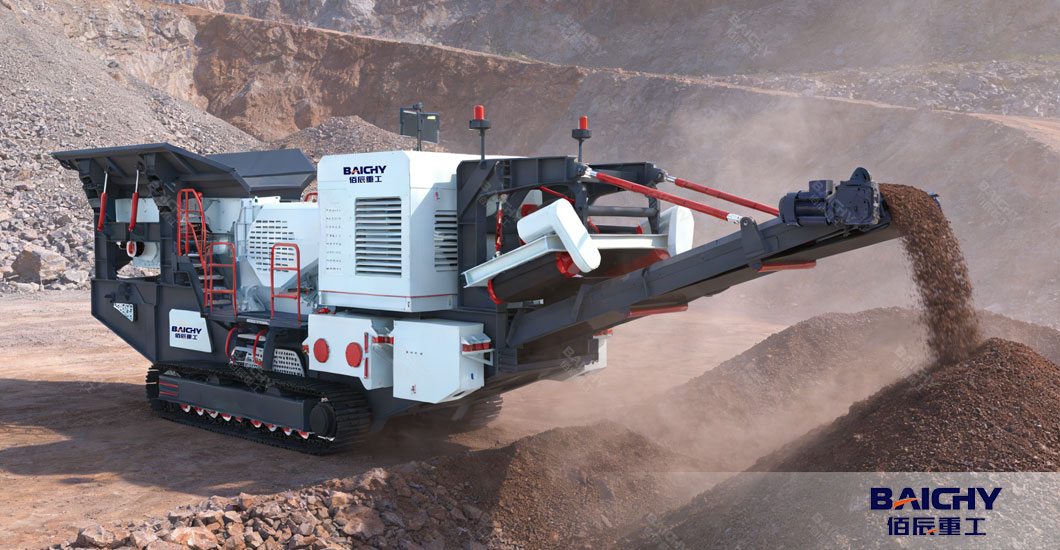
Tracked models excel in rough, off-road terrain and can handle steep inclines, while wheeled units offer easy highway transport between sites . This flexibility makes mobile crushers ideal for:
● Road construction projects with multiple work zones
● Urban demolition and recycling operations
● Short-term mining contracts
● Temporary aggregate production needs
2. Drastically Reduced Material Hauling Costs
A massive benefit of mobile crushers is the ability to reduce haul truck distance significantly. Since the crusher moves to the material, you save on truck fuel, driver wages, and vehicle maintenance .
In many operations, this mobility reduces transport costs by 50–70% by eliminating the need to haul raw blasted rocks from the pit to a fixed crusher . For projects spread across multiple locations, these savings can quickly offset the higher purchase price.
3. Quick Setup and Zero Civil Engineering
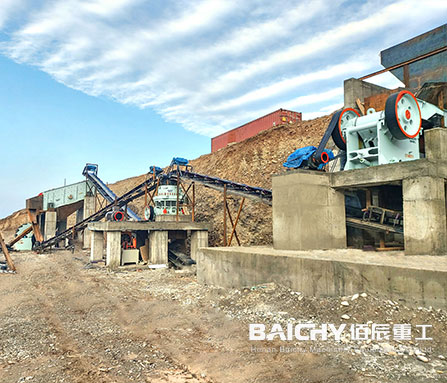
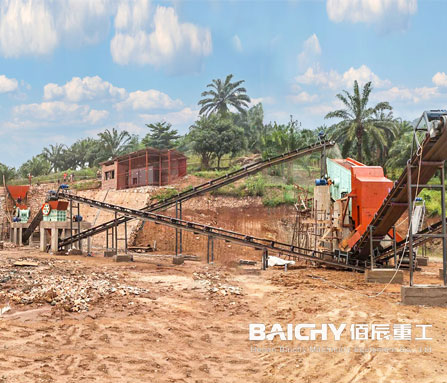
Installing a stationary crusher requires pouring concrete, building steel structures, and wiring complex electrical grids—a process that can take weeks or months .
Mobile jaw crushers, in contrast, are essentially plug-and-play. They require minimal site preparation and can start crushing within hours of arrival. Setup time for many models is under 30 minutes, making them ideal for projects where time is critical .
4. High Resale Value
Mobile jaw crushers tend to hold their value well in the used equipment market . Their modular, self-contained design and versatility make them attractive to a wide range of buyers, which can be beneficial if you plan to upgrade or sell the equipment after completing a project.
5. Capable of Handling Hard Materials
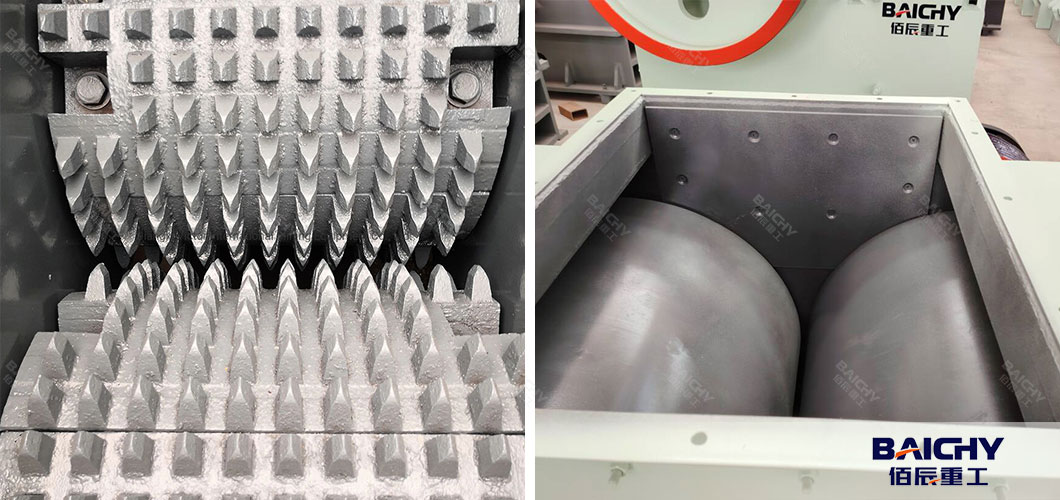
Mobile jaw crushers are designed to handle materials with medium to high hardness, including granite, basalt, concrete with rebar, and various ores . The simple, robust mechanical design of jaw crushers makes them extremely reliable in challenging applications.
The Cons of Mobile Jaw Crushers
1. Higher Initial Purchase Cost
Mobile jaw crushers are significantly more expensive than their stationary equivalents—typically 20–50% higher due to the integrated chassis, hydraulic systems, and mobility components
Compact models under 30 tons can fall in the $150,000–$350,000 range, but for most commercial operations, the investment is substantial .
2. Limited Crushing Capacity
While mobile jaw crushers are efficient, they generally offer lower production capacity compared to large-scale stationary crushers . Compact designs often limit maximum feed size (typically 500–800 mm vs. 900mm+ for stationary models) .
Most mobile jaw crushers handle 50–300 tons per hour (tph) . If your project requires over 300 tph—common in large quarries or continuous mining operations—fixed systems or multi-stage mobile configurations are more efficient. For large-scale operations processing thousands of tons daily, a stationary setup may be the only viable solution .
3. Higher Operating Costs and Fuel Consumption
Mobile jaw crushers generally consume more energy than stationary units because diesel engines must power both the heavy tracks and the crusher itself . Traditional diesel-hydraulic models burn 20–40 liters per hour, making daily fuel costs a major expense .
While newer hybrid diesel-electric models can cut fuel consumption by up to 40%, electricity is almost always cheaper than diesel per kWh, especially in regions with stable power supply . Stationary crushers connect directly to the local power grid, offering significantly lower unit energy costs over long-term operations .
4. More Frequent Maintenance Requirements
The complex design, constant movement, and vibration of mobile crushers make them more prone to wear and tear than stationary units . Dust, vibration, and rough terrain accelerate wear on tracks, bearings, and hydraulic systems .
Key maintenance considerations:
● Annual wear-part budgets: $15,000–$45,000 depending on tonnage and material
● On-site repairs often require specialized technicians, increasing downtime
● Frequent relocation and road travel take a toll on portable equipment
● More service intervals compared to stationary units, typically every few hundred operating hours vs. monthly or quarterly
5. Reduced Efficiency in Certain Applications
Mobile jaw crushers are most effective when frequent relocation and on-site crushing are required. However, in some situations, their efficiency may be reduced compared to stationary crushers :
● Hard, abrasive materials over extended periods: Continuous operation and smaller crushing chambers lead to increased component wear
● Fine particle size requirements: Jaw crushers produce coarse to medium particles (typically 10–150 mm) and lack the fine-tuning capabilities of cone or impact crushers for strict product specifications
● Long-term stationary projects: For sites operating 5+ years without relocation, the mobile chassis adds unnecessary complexity and cost
6. Limited Customization
Mobile systems offer fewer customization opportunities compared to stationary plants. Their compact design is constrained by the size of the chassis, offering a fixed, pre-set workflow . Stationary plants can be easily customized with extra screens, conveyors, and multiple crushing stages.
Mobile Jaw Crushers vs. Stationary Crushers: A Summary
| omparison |
Mobile Jaw Crusher |
Stationary Jaw Crusher |
| Mobility |
Can move between sites |
Fixed installation |
| Setup time |
Short |
Longer |
| Foundation requirement |
Minimal |
Required |
| Best for |
Flexible projects |
Long-term production |
| Transportation cost |
Lower at crushing site |
Higher material hauling cost |
| Capacity range |
Medium production |
Small to very large production |
| |
|
|
| The choice depends mainly on project duration, production requirements, and site conditions. |
|
|
Key Considerations Before Buying
1. Project Duration and Frequency of Relocation
If your project requires frequent relocation, a mobile crusher is the clear choice. For long-term, fixed-location operations (5+ years), stationary crushers typically offer better ROI .
2. Production Volume Requirements
Under 300 tph: Mobile units are generally sufficient
Over 300 tph: Stationary systems or hybrid configurations are more efficient
3. Material Characteristics
Mobile jaw crushers excel with hard, abrasive materials like granite, basalt, and concrete with rebar . However, if you require fine particle sizes (below 10 mm), consider pairing the jaw crusher with secondary crushing equipment .
4. Site Conditions and Accessibility
Rough terrain: Tracked mobile crushers are ideal
Paved surfaces and highway transport: Wheeled models offer easier road movement
5. Total Cost of Ownership (TCO)
Consider the full picture:
● Purchase price
● Fuel and energy costs
● Wear parts and maintenance budgets ($15,000–$45,000 annually)
● Labor costs (haulage savings vs. additional operator requirements)
● Resale value
A compact hybrid jaw crusher can pay for itself in 18–24 months at 150 tph with modest fuel savings .
Conclusion: Is a Mobile Jaw Crusher Right for You?
Mobile jaw crushers offer unmatched flexibility, rapid setup, and significant haulage savings—making them ideal for contractors managing multiple short-term projects, demolition and recycling operations, or mining sites with frequent relocation needs.
However, the higher initial purchase price, limited capacity for large-scale operations, higher fuel consumption, and more demanding maintenance requirements mean they aren't the best choice for every application.
Choose a mobile jaw crusher if:
● Your project requires frequent relocation
● You need on-site crushing with reduced haulage costs
● Production needs are under 300 tph
● Quick setup and deployment are priorities
Consider a stationary crusher if:
● Your operation is fixed for 5+ years
● ou require high-volume production (500+ tph)
● Long-term operating costs are your primary concern
● You need extensive customization and integration
Assess your material properties, production goals, site conditions, and budget thoroughly. When in doubt, consult with equipment specialists who can tailor a solution that balances efficiency and cost-effectiveness for your specific needs .




 2026-10-10





 86-15093113821
 86-15093113821