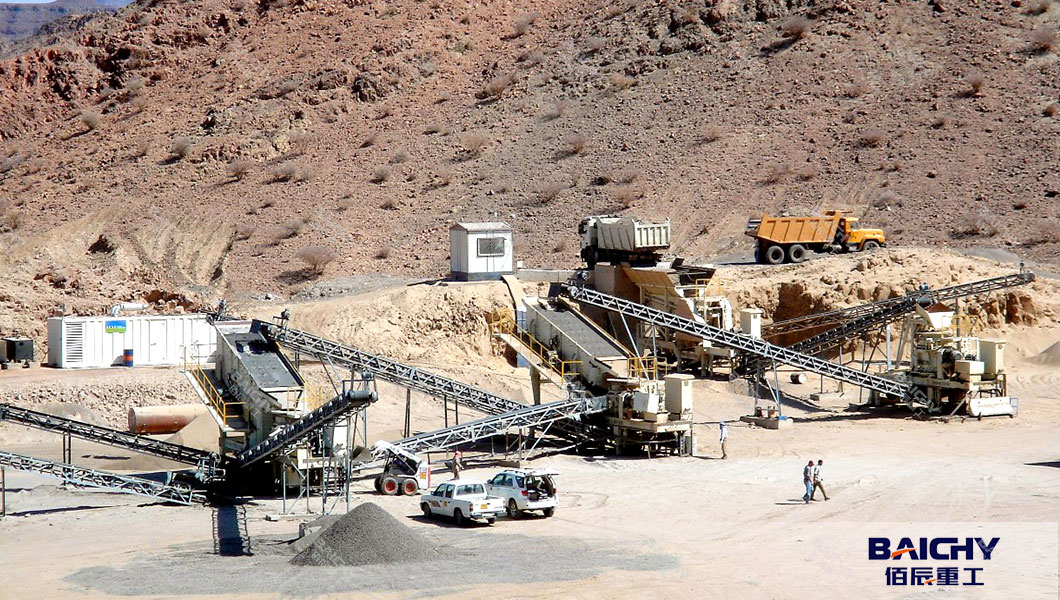
Stone and gravel are essential raw materials used in construction, road building, concrete production, and infrastructure projects. However, natural rocks are usually too large and irregular to be used directly. They must go through a series of breaking, crushing, and screening processes to become qualified aggregates. The complete process of breaking and crushing stone and gravel usually includes rock extraction, primary crushing, secondary crushing, screening, and final product transportation. The crushing method and equipment selection depend on the type of stone, hardness, feed size, and required final product size.
What Is the Process of Breaking and Crushing Stone and Gravel?
The stone and gravel crushing process transforms large rocks from quarries into smaller aggregates with controlled sizes.
A typical crushing process includes:
1. Breaking large rocks from natural deposits
2. Primary crushing to reduce rock size
3. Secondary or fine crushing for further reduction
4. Screening and classification
5. Stockpiling and transportation
Each stage has a specific purpose to improve crushing efficiency and product quality.
Step 1: Rock Breaking and Extraction
Before crushing begins, raw stones must first be removed from natural deposits.
In quarry operations, common methods include:
● Drilling and blasting for hard rocks
● Excavation for softer materials
● Mechanical breaking using hydraulic equipment
The extracted materials may include:
● Limestone
● Granite
● Basalt
● River gravel
● Construction waste
After extraction, large rocks are transported to the crushing area by dump trucks or loaders.
The size of raw materials can often exceed several hundred millimeters, making them unsuitable for direct use in construction.
Step 2: Primary Crushing — Breaking Large Rocks into Smaller Pieces
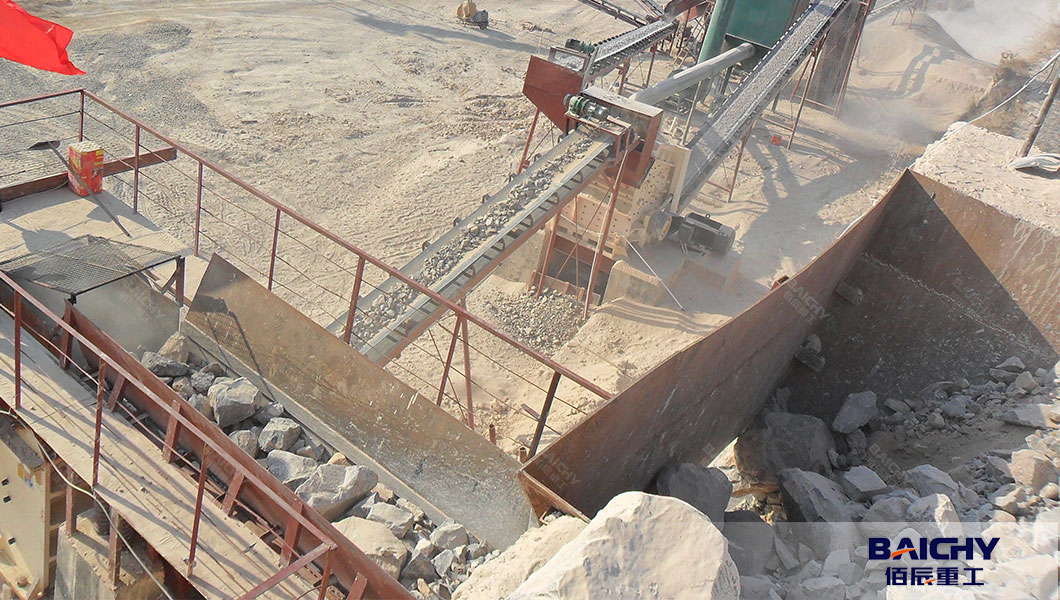
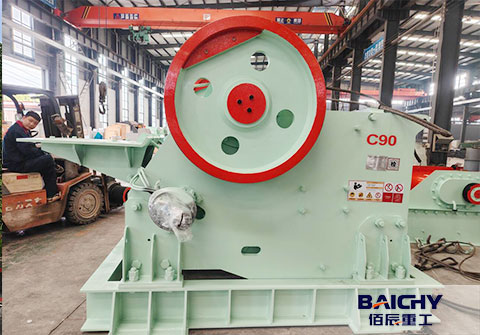
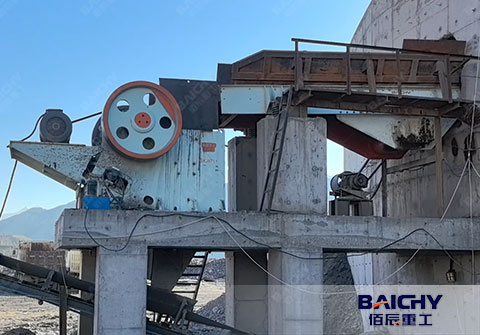
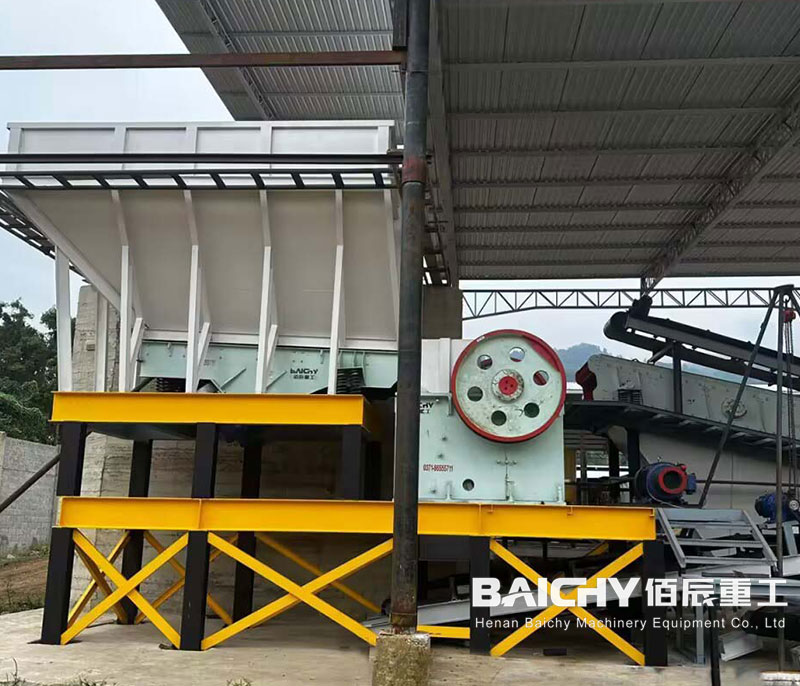
The first crushing stage is called primary crushing. Its purpose is to reduce large rocks into manageable sizes for further processing. A jaw crusher is commonly used as the primary crusher because it can handle large feed sizes and hard materials.
The working principle is based on compression crushing:
● The movable jaw moves toward the fixed jaw
● Large rocks are squeezed and broken
● Smaller stones are discharged through the outlet
After primary crushing, the material size is usually reduced to approximately 50–150 mm, depending on the equipment settings and application requirements.
Advantages of primary crushing:
● Handles large feed materials
● High crushing strength
● Simple operation and maintenance
● Stable production performance
Step 3: Secondary Crushing — Improving Aggregate Size and Shape
After primary crushing, the crushed stone enters the secondary crushing stage.The purpose of this stage is to further reduce particle size and improve the shape of aggregates.
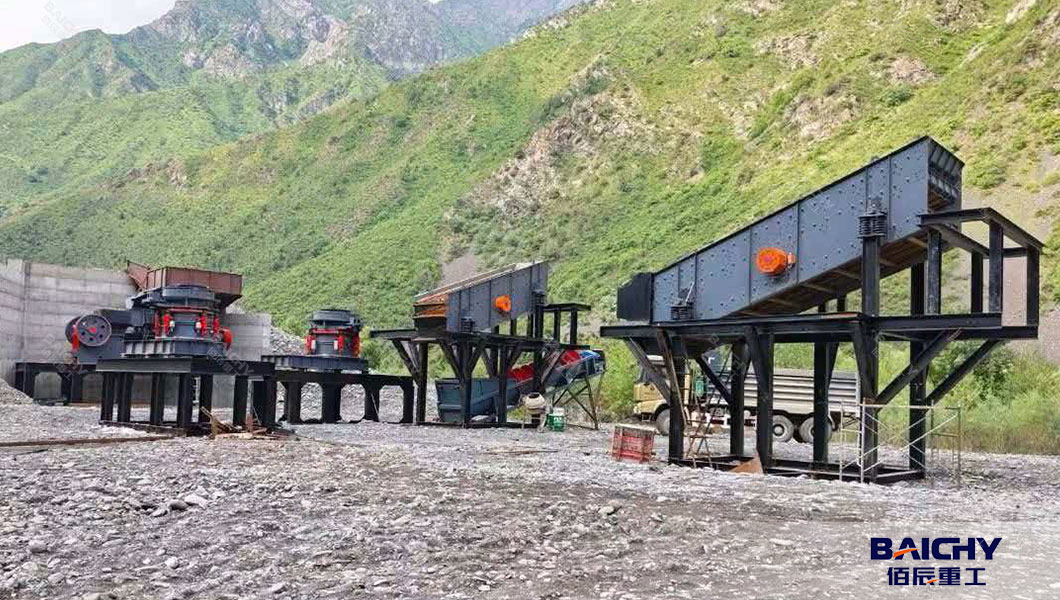
Common secondary crushers include:
Impact Crusher
Impact crushers use high-speed impact force to break materials. They are widely used for limestone and medium-hard stones because they produce good cubic-shaped aggregates.
Cone Crusher
Cone crushers use compression between the mantle and concave to crush hard and abrasive materials such as granite and basalt.
The secondary crushing stage typically produces:
● 0–40 mm aggregates
● Construction gravel
● Road base materials
Step 4: Fine Crushing and Sand Making (Optional)
For customers who need manufactured sand, an additional fine crushing stage is required. A VSI sand making machine is commonly used to convert crushed stone into high-quality artificial sand.
The VSI crusher works through high-speed rock impact, improving:
● Particle shape
● ● Sand grading
Surface quality
The final product can reach approximately 0–5 mm, suitable for:
● Concrete production
● Asphalt mixing
● Building materials
● Road construction
Step 5: Screening and Size Classification
After crushing, the materials need to be separated according to size.
A vibrating screen is used to classify crushed stone into different grades.
Typical aggregate sizes include:
● 0–5 mm manufactured sand
● 5–10 mm fine gravel
● ● 10–20 mm medium gravel
20–40 mm large aggregate
Oversized materials can be returned to the crusher for further processing, creating a closed-loop crushing system.
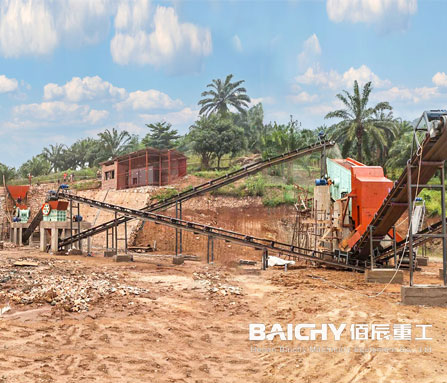
Baichy 200 TPH Limestone Crushing Plant Case in Indonesia
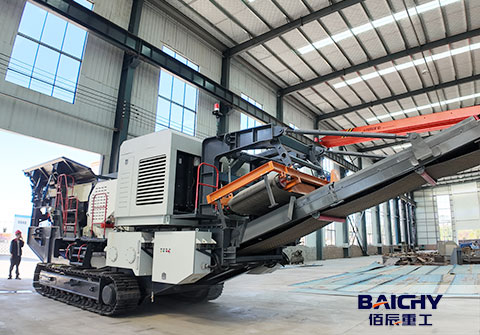
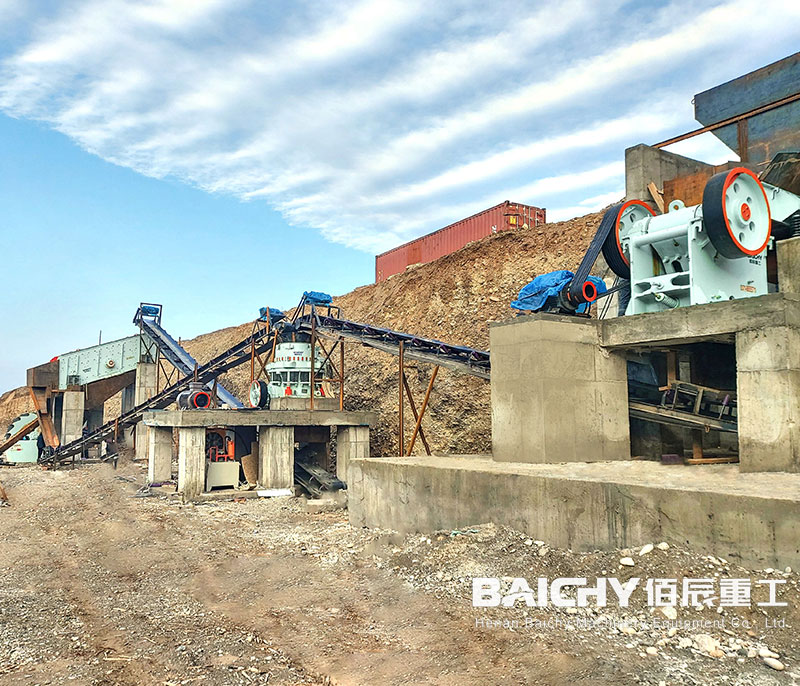
A local quarry customer in Indonesia purchased a 200 tph limestone crushing plant from Baichy Machinery for aggregate production. Based on the customer's requirements for stable output and high-quality aggregates, Baichy designed a complete solution including a PE600×900 jaw crusher, PF1214 impact crusher, 3YK1860 vibrating screen, and belt conveyors.
The plant processes limestone into different sizes of aggregates used for road construction and building materials. After installation and commissioning, the crushing line achieved stable operation with reliable performance and efficient production.
Customer Feedback:
“The Baichy crushing plant meets our production requirements. The equipment runs smoothly, the aggregate quality is good, and Baichy’s technical support helped us complete the project successfully.”
This Indonesia project shows Baichy’s capability to provide customized and efficient crushing solutions for global quarry customers.
FAQ About Stone and Gravel Crushing Process
1. What is the first step in the stone crushing process?
The first step is rock extraction and breaking. Large rocks are removed from quarries through blasting, excavation, or mechanical breaking before entering the crusher.
2. Which crusher is used for primary crushing of stone?
Jaw crushers are commonly used for primary crushing because they can process large and hard rocks efficiently.
3. How does gravel become construction material?
Gravel is processed through crushing and screening. The crushing process reduces rock size, while screening separates different particle sizes for different applications.
4. Can a stone crusher produce sand?
Yes. By adding a VSI sand making machine, crushed stone can be further processed into manufactured sand with controlled particle size.




 2026-09-29





 86-15093113821
 86-15093113821