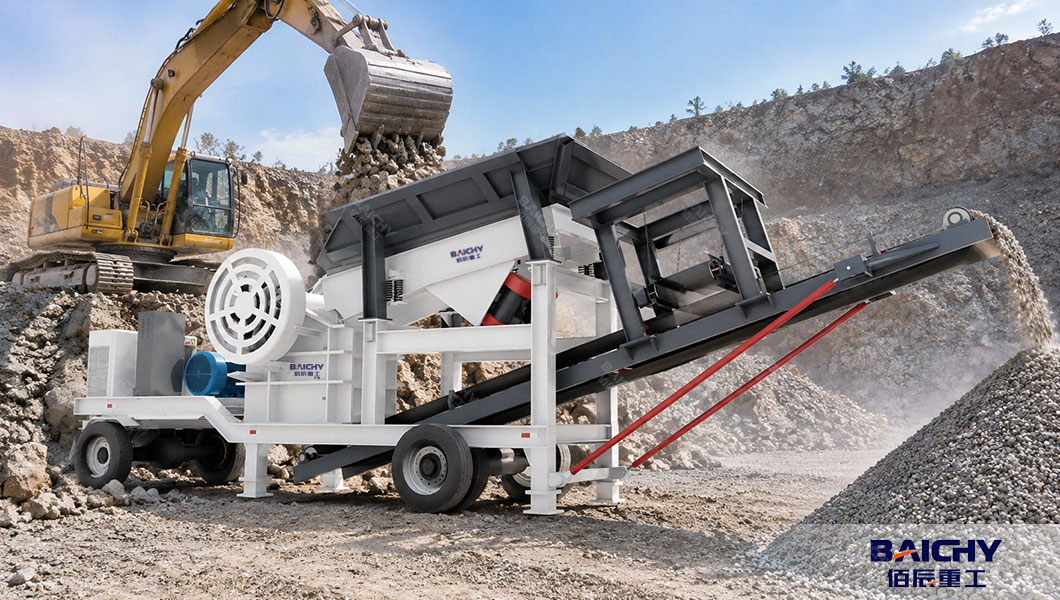
A mobile screening plant to separate construction materials sorts mixed materials into different particle sizes directly at a construction site, demolition project, quarry or recycling yard. It helps operators recover reusable aggregates and prepare materials for further processing. Unlike a stationary screening plant, a mobile screener can move between working areas or project sites. Most units combine a feeding system, a vibrating screen, discharge conveyors and a wheeled or tracked chassis. The equipment is particularly useful when contractors need to process concrete rubble, crushed bricks, gravel, soil and mixed construction debris without building a permanent screening installation.
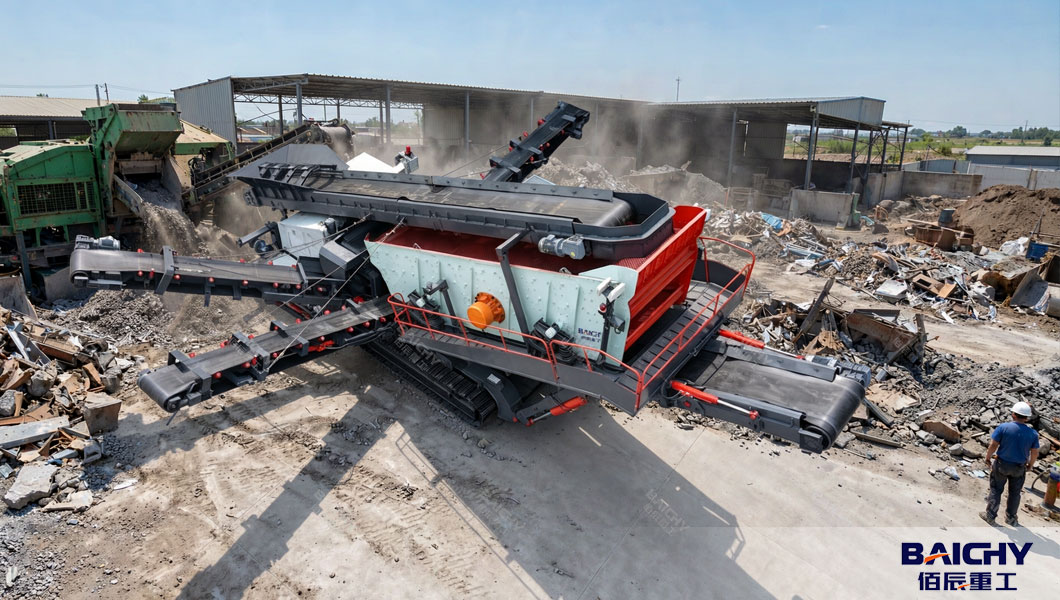
Mobile screening plant to separate construction materials
What Construction Materials Can It Separate?
A mobile screening plant can process many materials, including:
-
Crushed concrete: Separates fine material from coarser recycled aggregate.
-
Brick and masonry waste: Classifies crushed brick and masonry into different sizes.
-
Mixed demolition debris: Screens mineral fractions after appropriate sorting and preparation.
-
Sand and gravel: Produces different aggregate grades for construction applications.
-
Soil and stones: Separates oversized stones from finer soil where the material conditions permit.
One important distinction: screening separates particles mainly by size, not by material composition. Steel rebar, wood, plastic and other contaminants may require manual sorting, magnetic separation or additional equipment.
How Does a Mobile Screening Plant Separate Construction Materials?
The best screening results come from matching the feed preparation, screen openings and downstream equipment to the final product requirements.
Step 1: Feed and Pre-Screen the Material
Start by inspecting the incoming material. Construction and demolition waste can contain oversized concrete blocks, reinforcing steel, timber, plastic and soil.
Remove unsuitable objects before feeding the plant. If the material contains a high proportion of small particles, a suitable pre-screen can remove fines before they enter the main crushing or screening stage.
This step helps reduce unnecessary equipment loading and makes the remaining material easier to process.
Step 2: Separate Materials by Particle Size
The screen deck determines the size separation points. Material smaller than an opening can pass through, while larger particles generally remain on the deck until they reach the discharge end.
For example, consider a screening plant fitted with two decks using nominal 20 mm and 40 mm openings. Under suitable conditions, the plant can produce three approximate fractions:
-
Below 20 mm: Fine material.
-
20–40 mm: Intermediate-sized aggregate.
-
Above 40 mm: Oversized material for further processing or separate use.
These are illustrative size ranges, not guaranteed product specifications. Particle shape, moisture, feed rate, screen condition and material distribution all affect the actual results.
Step 3: Collect Reusable Materials and Handle Oversize
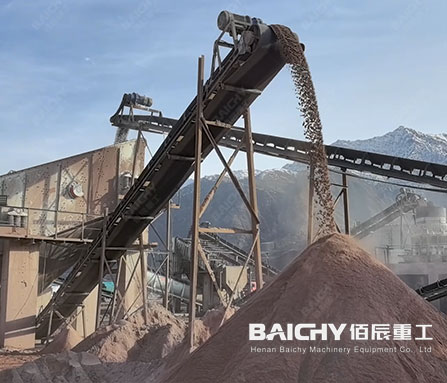
Discharge conveyors move each fraction to a separate stockpile. Keeping the products apart makes it easier to measure output, inspect quality and supply material for different applications.
Oversized material can be sent to a mobile crusher if it needs further size reduction. The crushed material can then return to the screening stage.
For reinforced concrete, a magnetic separator may be needed to remove steel after crushing. If the feed contains significant clay or adhered dirt, washing or other cleaning equipment may also be necessary.
Which Types of Mobile Screening Plants Are Suitable?
Different screening technologies handle different materials and operating conditions. The right choice depends on the feed characteristics, required product sizes and site conditions.
Mobile Vibrating Screen for Crushed Concrete and Aggregates
A mobile vibrating screen is a common choice for classifying crushed concrete, gravel and other granular materials.
Its main advantages include:
-
Multiple screen decks for producing several size fractions.
-
Adjustable configurations to match different product requirements.
-
Integration with mobile jaw crushers or impact crushers.
-
Separate discharge conveyors for organized stockpiling.
However, wet, sticky material can clog screen openings and reduce throughput. Screen media should be selected according to particle size, moisture and the abrasiveness of the feed.
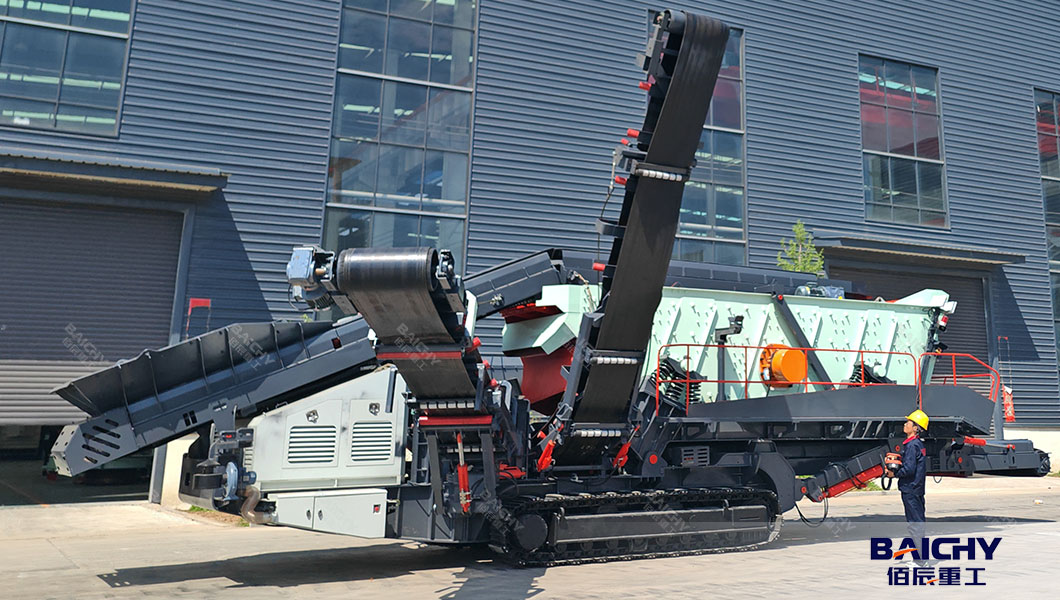
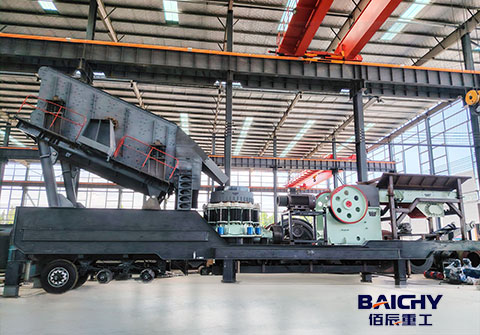
Mobile screening plant
Trommel Screen for Sticky or Mixed Materials
A trommel screen uses a rotating perforated drum to separate materials by size. It can be useful for selected soil-rich, organic or mixed waste applications.
Compared with a vibrating screen, a trommel may suit certain sticky feeds better, depending on drum design and material conditions. It is not automatically the better choice for every construction waste project.
Before purchasing, test representative material if moisture, clay or irregular particle shapes are likely to affect performance.
Standalone Screener vs. Mobile Crushing and Screening Plant
| Equipment |
Best suited for |
Main consideration |
| Standalone mobile screen |
Material that is already small enough to screen |
Feed must meet the screen's size limits |
| Mobile jaw crusher and screen |
Concrete blocks and other hard, oversized feed |
Crushing and screening must be balanced |
| Mobile impact crusher and screen |
Suitable concrete, masonry and other materials requiring impact crushing |
Wear, feed properties and target product shape |
| Mobile trommel screen |
Selected soil-rich or sticky mixed materials |
Performance depends on moisture and material composition |
Practical rule: If the material already meets the maximum feed size and only needs classification, a standalone screener may be sufficient. If large concrete blocks need size reduction, a mobile crushing and screening plant is usually the more appropriate solution.
5 Benefits of Using a Mobile Screening Plant on Construction Sites
1. Reduce Material Hauling and Handling
Screening material close to where it is generated can reduce unnecessary transportation to an off-site processing facility. Contractors may also reduce repeated loading and unloading.
Actual savings depend on haul distance, equipment utilization, fuel consumption and the amount of material recovered.
2. Recover Reusable Aggregates
Concrete, bricks and masonry can provide reusable mineral materials after appropriate sorting, crushing and screening.
Depending on the material quality and local specifications, recycled aggregates may be suitable for road sub-base, backfill, working platforms and other approved construction uses.
3. Move Between Projects
Tracked mobile screening plants can travel around suitable working areas under their own power. Wheeled and trailer-mounted units can also be transported between projects.
Before selecting a chassis, check site access, ground conditions, transport dimensions and the time required to relocate the machine.
4. Produce Different Product Sizes
Multi-deck screening allows operators to produce several particle-size fractions from the same feed stream.
This flexibility is useful when a contractor needs different aggregate grades for roadwork, general construction or further processing.
5. Adapt to Changing Site Requirements
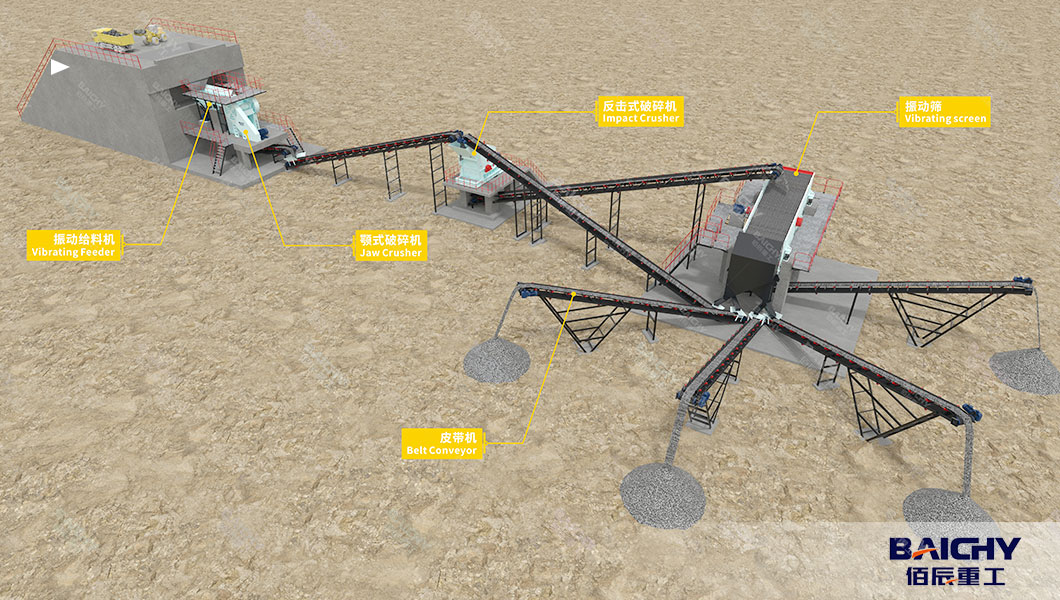
A mobile screening plant can be repositioned as demolition or excavation work progresses. Some units can also operate as part of a larger crushing, screening and conveying line.
For projects near residential areas, evaluate dust suppression, noise levels and operating restrictions before choosing the equipment.
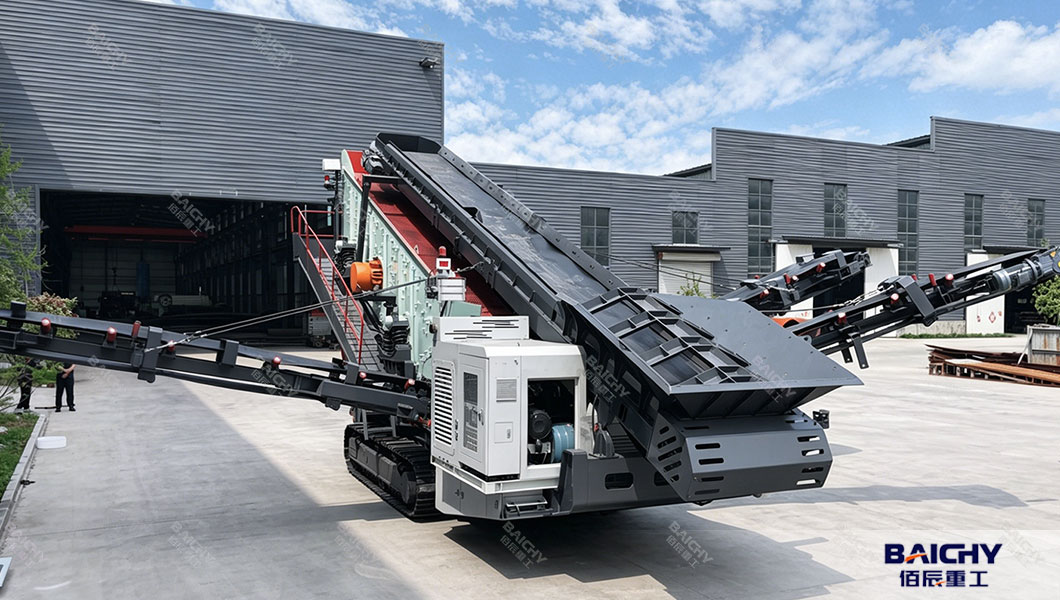
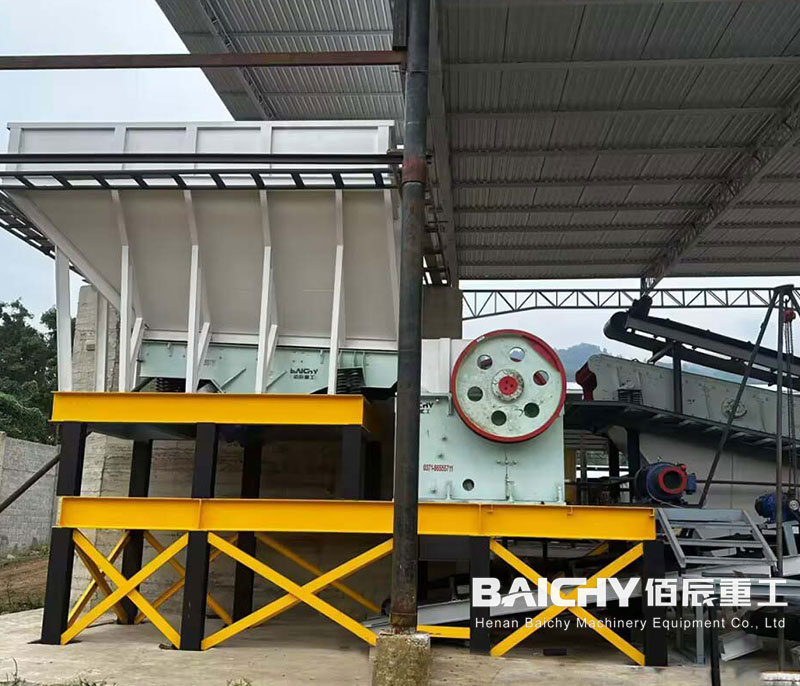
Mobile vibrating screen
How to Choose the Right Mobile Screening Plant
The correct machine is the one that meets your actual production requirements, not simply the one with the largest advertised capacity.
1. Match the Plant to Your Feed Material
Record the following information before requesting a quotation:
-
Material type and approximate composition.
-
Maximum feed size and particle-size distribution.
-
Moisture content and clay contamination.
-
Presence of steel, timber, plastic or other unwanted materials.
-
Expected daily operating hours.
For example, clean crushed concrete and soil-rich demolition waste may require different screen media and feed preparation.
2. Select Screen Decks and Mesh Sizes
Start with the required final products. If you need two size fractions, one screening deck may be enough. If you need three or four fractions, a multi-deck configuration may be more suitable.
Confirm the required screen openings with the equipment supplier. The nominal aperture does not guarantee that every particle will fall within an exact size range, particularly when the material contains elongated or irregular particles.
3. Check Capacity, Mobility and Operating Costs
Do not select equipment based on rated tonnes per hour alone. Actual throughput depends on the feed material, screen area, number of decks, moisture and separation requirements.
Compare these factors before making a decision:
-
Capacity: Can the plant handle your expected hourly feed rate?
-
Screen area: Is there enough usable screening surface for the required separation?
-
Mobility: Does the chassis suit your site and relocation frequency?
-
Power supply: Is diesel, electric or another available configuration appropriate?
-
Maintenance: How easily can operators replace screen media and service conveyors?
-
Operating cost: What are the expected fuel or electricity, wear-part, labor and transport costs?
Ask the supplier to explain the assumptions behind any quoted capacity and, where possible, provide performance data for similar material.
4. Decide Whether You Need a Crusher or Washing System
A screening plant cannot reduce oversized concrete blocks to smaller particles. If the feed exceeds the required size, add a suitable crusher before the screening stage.
If the finished aggregate must contain less attached soil or fine contamination, assess whether washing, scrubbing or additional separation is necessary.
A practical selection process:
-
Define the feed material and maximum size.
-
Specify the target product sizes and hourly production requirement.
-
Determine whether crushing, metal removal or washing is necessary.
-
Select the screen type, deck configuration and mobility system.
-
Confirm the proposed layout, operating costs and maintenance requirements.
Typical Construction Material Screening Applications
Concrete and Brick Waste Recycling
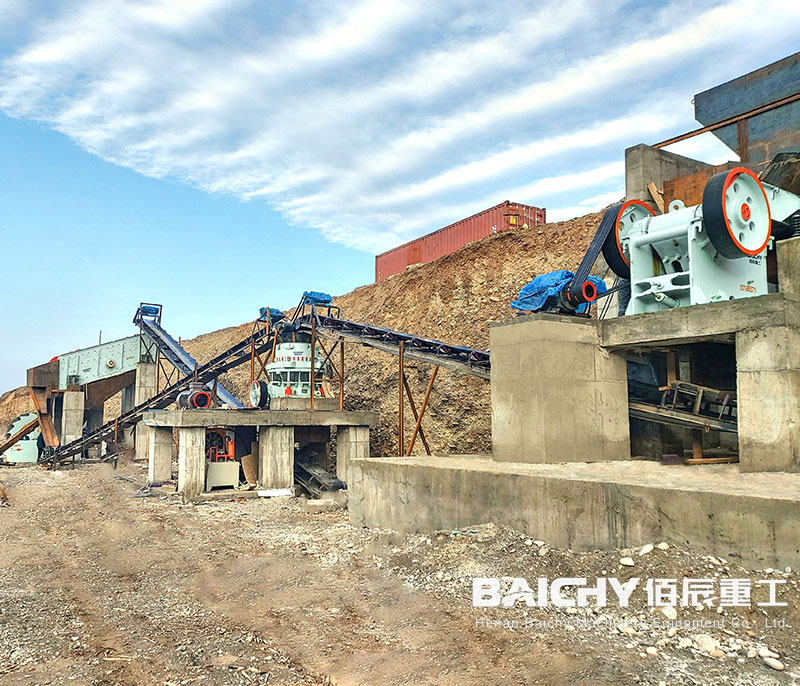
A typical recycling process starts with sorting and removing unsuitable debris. Concrete and masonry are then crushed when necessary, screened into product sizes and directed to separate stockpiles.
A magnetic separator can remove ferrous metal from the processed material. Further cleaning may be required if the finished aggregate contains excessive soil or other contaminants.
The final application depends on product quality and local construction standards.
Road Construction and Aggregate Production
Mobile screening plants can classify crushed stone and recycled aggregates close to road construction or maintenance sites.
For example, a contractor may need separate coarse and fine fractions for different layers of a road project. A multi-deck screen can produce these fractions in one operation, provided its capacity and configuration suit the material.
Illustrative Case Study: A Small Demolition Project
Consider a contractor processing 80 tonnes of mixed demolition material per hour. The incoming material contains concrete fragments, brick, soil and occasional metal.
This is a hypothetical example, not a verified customer installation.
A possible process would include:
-
Sort the incoming material and remove large unwanted objects.
-
Use a crusher to reduce oversized concrete and masonry.
-
Remove ferrous metal with a magnetic separator.
-
Screen the crushed material into fine, intermediate and coarse fractions.
-
Reprocess oversized particles where necessary and inspect the final products.
The 80 TPH figure represents the assumed incoming feed rate, not a guaranteed finished aggregate output. Actual production and recovery rates would depend on the material composition, equipment configuration and operating conditions.
Choosing the right mobile screening plant starts with understanding your material and the products you need to recover. Baichy Machinery can help you evaluate a mobile screening solution based on your feed material, target capacity, finished particle sizes and site conditions. If you are planning a construction waste recycling project, share your material type, maximum feed size, required output and expected hourly capacity. These details provide a practical starting point for evaluating a standalone mobile screen or a complete mobile crushing and screening plant.
Frequently Asked Questions
1. Can a mobile screening plant separate concrete from soil?
It can separate concrete fragments from finer soil when their particle sizes differ sufficiently. However, screening alone cannot reliably separate soil adhering to concrete or distinguish all materials by composition. Sorting, crushing or washing may be necessary.
2. What screen size is best for construction waste?
There is no single screen size for all construction waste. The correct opening depends on the required finished aggregate sizes, feed distribution, moisture and intended use. A supplier should evaluate these factors before recommending a configuration.
3. Can a mobile screening plant work without a crusher?
Yes. A standalone mobile screening plant can classify material that already meets its feed-size requirements. A crusher is needed when oversized concrete, bricks or stones must be reduced before screening.
4. How much does a mobile screening plant cost?
The price depends on screen dimensions, number of decks, chassis type, power system, conveyor configuration and optional equipment. Transportation, installation and operating costs also affect the total investment. Provide your material specifications and production target to obtain a project-specific quotation.




 2026-10-27






 86-15093113821
 86-15093113821