A 400 tons-per-hour limestone crushing plant sits squarely in the medium-to-large capacity range—large enough to supply commercial aggregate operations or cement plant raw material demands, yet manageable enough to remain economically viable for quarry owners who don’t need a million-ton-per-year monster plant.
Limestone is relatively soft (compressive strength typically around 150 MPa), which opens up multiple flowsheet options. Unlike hard rock operations that are locked into jaw-plus-cone configurations, limestone processors can choose between impact crushers for better particle shape or cone crushers for lower wear costs. That flexibility is both an advantage and a trap: choosing the wrong configuration for your specific limestone conditions can quietly destroy your per-ton profitability. This guide breaks down the real-world configurations, equipment selections, and cost factors for a 400 TPH limestone plant, drawing on documented project cases and engineering rules of thumb.
Understanding Your Limestone Before Choosing Equipment
Not all limestone is created equal. The two critical variables are abrasiveness and clay/moisture content.
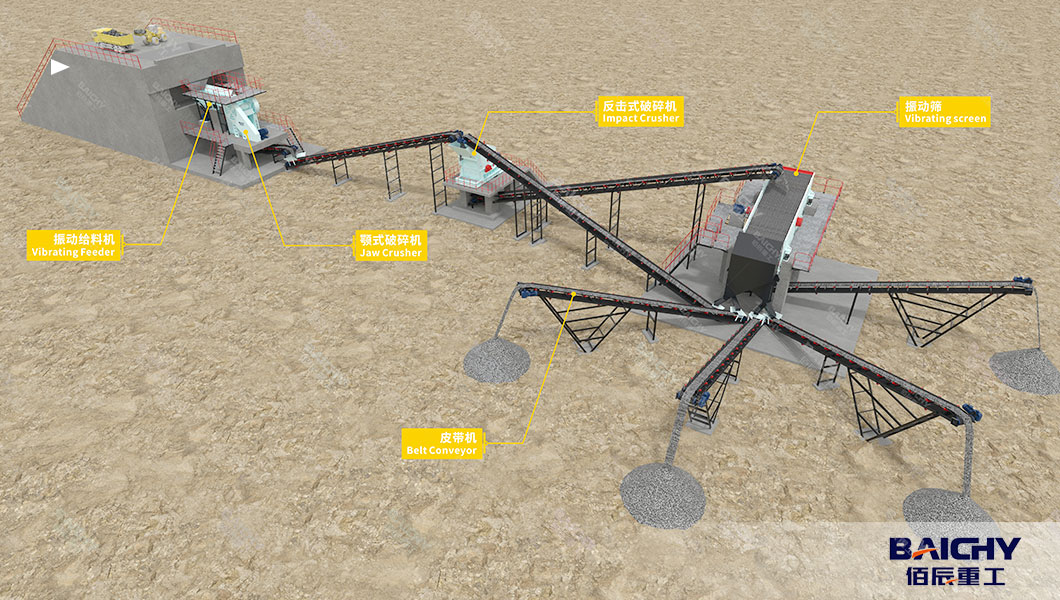
Soft, low-silica limestone is ideal for impact crushers. The impact action produces a more cubical product with fewer flaky particles, which commands better prices in concrete aggregate markets. A typical impact-based configuration for 400 TPH might use a primary jaw crusher followed by one or two impact crushers in series, with vibrating screens closing the circuit.
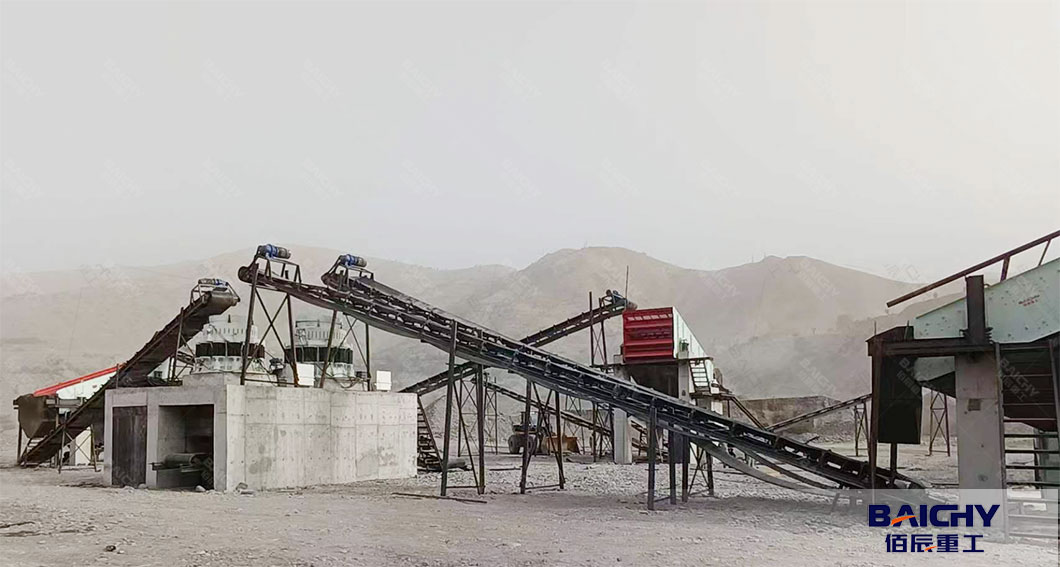
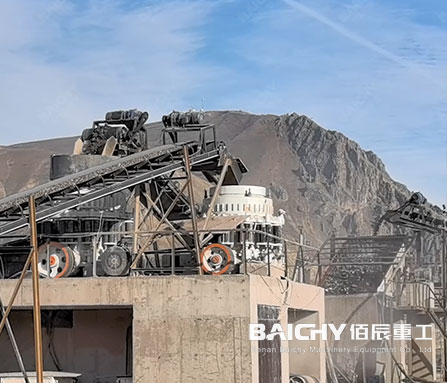
Harder, more abrasive limestone—especially material with high silica content—chews through impact crusher blow bars quickly. In these cases, cone crushers are the economically rational choice despite their higher capital cost. A documented 400 TPH project in Kazakhstan used a PEW1100 European jaw crusher for primary crushing and a CS160B cone crusher for secondary reduction, producing 0-5mm and 5-90mm products for concrete aggregate and cement raw material.
If your limestone carries significant clay or soil, a vibrating feeder with a grizzly section ahead of the primary crusher is essential. The feeder performs preliminary scalping, removing fines and clay before they reach the crushing chamber—a small design detail that prevents major headaches downstream.
Two Proven Flowsheet Configurations for 400 TPH
Configuration A: Jaw + Cone + Screen (for Hard/Abrasive Limestone)
This is the conservative, wear-resistant choice. Material flows from the hopper through a vibrating feeder into a primary jaw crusher. The jaw reduces run-of-mine limestone (typically up to 850-1000mm) to a conveyable size. A cone crusher then performs secondary reduction, and a closed-circuit vibrating screen separates final products, returning oversize to the cone.
The Kazakhstan project mentioned above is a textbook example: PEW1100 jaw + CS160B cone, producing 0-5mm and 5-90mm specification material. The trade-off is product shape—cone crushers produce more flaky particles than impact crushers—but for cement raw meal or base course applications, that’s rarely a dealbreaker.
Configuration B: Jaw + Impact + Screen (for Soft/Medium Limestone)
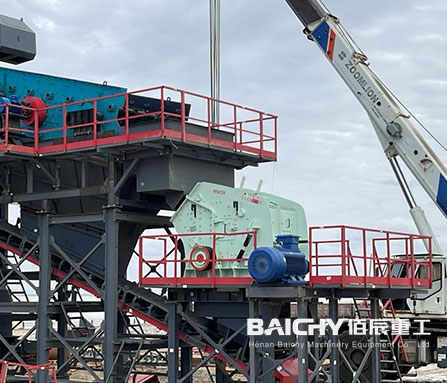
When limestone quality permits, the impact route offers better product shape and often lower capital cost. A 300-400 TPH Nigerian project used a different variant: vibrating feeder → 900×1200 jaw crusher → two impact crushers in series (1520 and 1315 models) → two-stage screening producing 0-6mm, 6-13mm, 13-19mm, and 19-25mm products.
The dual-impact arrangement is worth noting. The first impact crusher handles the bulk of reduction; the second refines the material and processes screen oversize. This “two impacts + closed circuit” approach maximizes the proportion of saleable product while maintaining acceptable wear costs on softer stone.
A word of caution: impact crushers are not suitable for limestone with high silica or free quartz content. If your wear parts budget is spiraling, the rock is telling you something.
Capacity Balancing: The Rule Most Plant Buyers Learn Too Late
A 400 TPH plant does not mean every machine in the circuit is rated at exactly 400 TPH. This is the single most common specification mistake.
Engineering practice calls for sizing each stage with a margin, because the recirculating load from screening must be carried by conveyors and crushers. A typical equipment arrangement includes the following components:
| Equipment |
Main Function |
| Vibrating feeder |
Controls the feed rate and removes excessive fines when equipped with a grizzly section |
| Primary jaw crusher |
Reduces large limestone blocks to a manageable size |
| Secondary impact crusher |
Produces well-shaped aggregates and reduces particle size |
| Vibrating screens |
Separates crushed material into different size fractions |
| Belt conveyors |
Transfers material between crushing, screening, and stockpiling stages |
| Electrical control system |
Coordinates equipment operation and supports safe, stable production |
If you buy a 400 TPH-rated jaw crusher and feed it 400 TPH of limestone, it will nominally keep up—until you account for downtime, wear, and the fact that crusher ratings assume ideal feed conditions. The plant will average well below nameplate. Sizing the primary at 520 TPH costs more upfront but delivers the actual 400 TPH you’re paying for.
What Does a 400 TPH Limestone Plant Cost?
Cost figures for crushing plants vary wildly by region, configuration, and what’s included in the quote. A rough industry range for a 400 TPH fixed limestone plant is $2.2 million to $2.8 million for equipment including secondary cone and tertiary VSI stages. Simpler two-stage jaw-plus-impact configurations can fall below that range, while mobile configurations run higher.
Chinese-manufactured equipment typically offers a lower capital cost than European or Turkish equivalents, though after-sales support and spare parts logistics deserve careful scrutiny. One Chinese supplier quotes “several hundred thousand to 2.5 million RMB” for a 400 TPH line depending on configuration—a range so wide it’s only useful as a starting point for discussions, not a budget figure.
The more important number is cost per ton over the plant’s life. A plant that saves $200,000 on capital but burns through $50,000 more in wear parts annually will lose that “savings” in four years. Ask suppliers for wear part consumption rates in grams per ton for your specific limestone, not generic claims about “long life.”
Site Layout and Practical Considerations
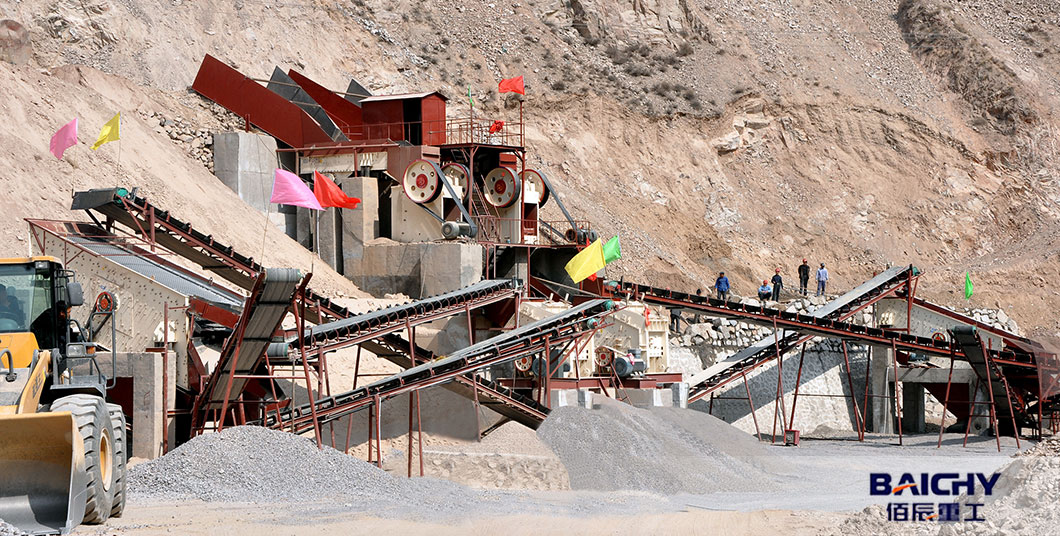
A 400 TPH plant needs space—not just for the equipment, but for stockpiles, truck traffic, and maintenance access. Key layout decisions include:
●Stockpile configuration. Multiple product sizes require separate conveyors and stockpile zones. A plant producing four fractions needs roughly twice the stockpile area of a single-product operation.
●Surge capacity. A small surge bin between primary and secondary stages smooths out feed variations and prevents the secondary crusher from starving when the primary is temporarily down or waiting for trucks.
●Maintenance access. Cone crushers need overhead clearance for liner changes. Impact crushers need access to the rotor from both sides. Designing the steel structure without these clearances is a painful and expensive mistake discovered only during the first maintenance shutdown.
●Dust control. Limestone crushing generates significant dust. Water sprays at transfer points and enclosed conveyors are standard; baghouse systems are more effective but add capital and operating cost. Local environmental regulations will dictate how far you need to go.
Stationary or Mobile Crushing Plant: Which Is Better?
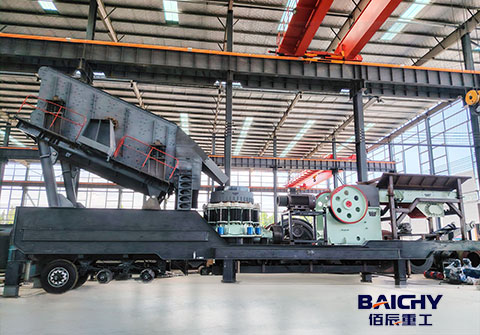
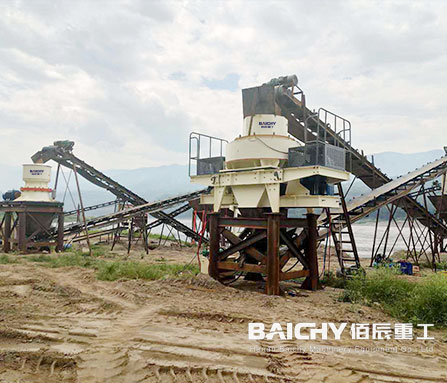
For a limestone project targeting 400 TPH, a stationary crushing plant is often worth considering when the quarry has a long service life, a stable production location, and sufficient space for foundations, conveyors, and stockpiles.
A stationary plant allows the layout to be designed around the quarry's material flow. It can also support larger feed hoppers, longer conveyors, and integrated screening systems.
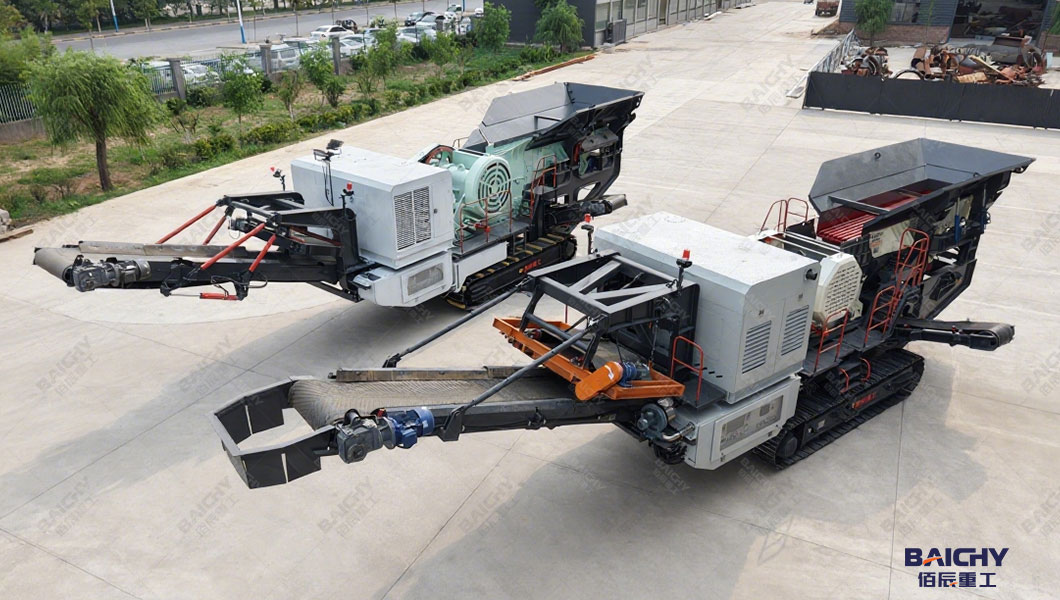
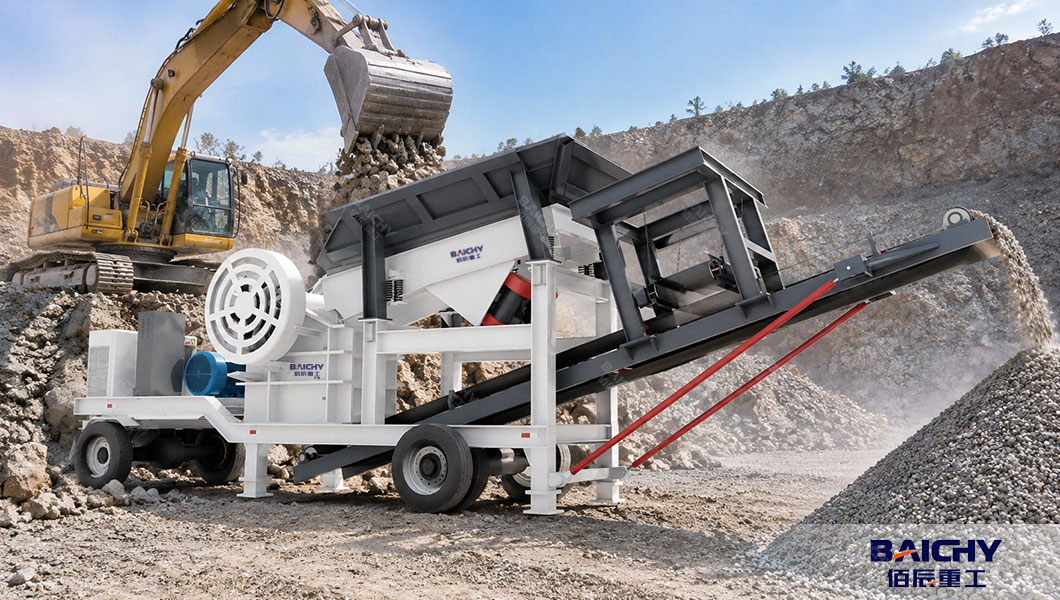
A mobile or modular configuration may be preferable when the project requires relocation, phased construction, or reduced civil works. However, achieving 400 TPH with mobile equipment depends on the capacity of each unit, the material properties, and whether multiple machines operate together.
Before choosing a layout, compare installation requirements, relocation costs, fuel or electricity consumption, maintenance access, and the expected project lifespan.
Key points buyers should pay close attention to
● Match the crusher to the rock, not to the brochure. Impact crushers excel on soft, clean limestone; cone crushers win on abrasive material. Get a petrographic analysis or at minimum an abrasion index test before committing to a flowsheet.
● Size every stage above nameplate. A 400 TPH plant needs a 500+ TPH primary crusher and conveyors rated for recirculating loads. The upfront premium pays back in actual delivered tonnage.
● Visit a reference plant running your material type. Not a showroom, not a video—a working plant processing limestone similar to yours. Talk to the operator about wear parts, downtime, and product consistency.
● Budget for the whole plant, not just the crushers. Feeders, screens, conveyors, steel structures, electrical systems, and installation can easily exceed the crusher cost. A quote that lists only crushers is not a plant quote.
Baichy Machinery provides crushing equipment and production-line solutions for aggregate and mining applications. For a 400 TPH limestone project, the equipment configuration should be developed around the customer's feed conditions, product requirements, and site layout rather than selected by capacity alone. Contact Baichy Machinery with your limestone feed size, target aggregate sizes, and site requirements to discuss a suitable limestone crusher plant configuration.
Frequently Asked Questions
1. Can a 400 TPH limestone crushing plant produce several aggregate sizes?
Yes. A properly designed screening system can separate crushed limestone into multiple fractions. The exact sizes and production proportions depend on screen configuration, crusher settings, and feed characteristics.
2. Is an impact crusher suitable for limestone?
An impact crusher is often suitable for limestone because it can produce well-shaped aggregates. For highly abrasive material or other demanding conditions, a cone crusher may be a better option. The final choice depends on operating costs and product specifications.
3. How many crushing stages are needed for 400 TPH?
Many limestone plants use primary jaw crushing followed by secondary impact or cone crushing. Additional crushing or screening stages may be necessary when the feed is large or the required final product is particularly fine.
4. What information is needed to design a 400 TPH limestone plant?
The key information includes maximum feed size, desired output sizes, limestone properties, required finished-product proportions, site conditions, and available power supply. These details help determine the appropriate crushers, screens, and conveying capacity.




 2026-10-26






 86-15093113821
 86-15093113821