A 120 TPH mobile crushing plant is designed to process approximately 120 tons of raw material per hour under suitable operating conditions. A typical configuration combines a jaw crusher for primary crushing, a cone crusher for secondary crushing, and a vibrating screen for product classification. Compared with a stationary crushing plant, a mobile system can be relocated as project requirements change. It is suitable for quarries, mining operations, road construction, and aggregate production projects where flexible equipment deployment is important. Actual output depends on material hardness, feed size, moisture content, crusher settings, and required product grading. Buyers should evaluate the complete crushing circuit rather than relying on nominal capacity alone.
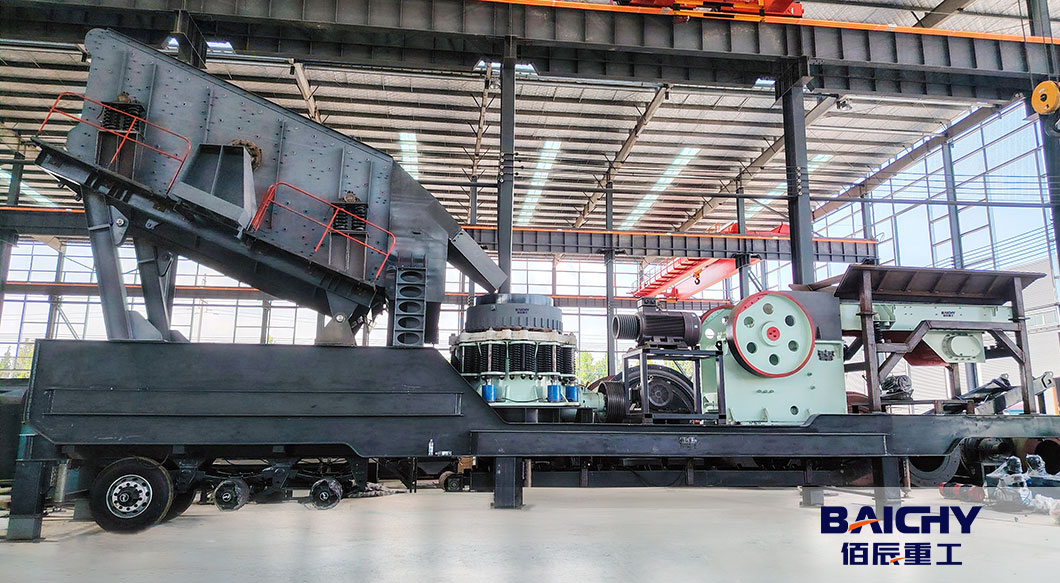
1. How Does a 120 TPH Jaw and Cone Crushing Plant Work?
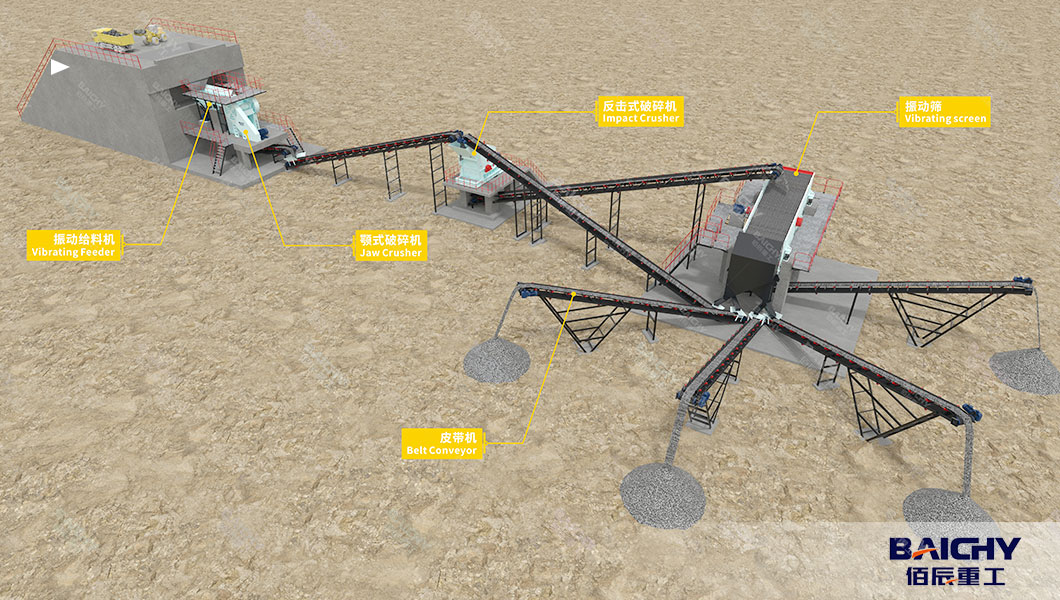
A typical two-stage crushing process includes feeding, primary crushing, secondary crushing, screening, and material conveying.
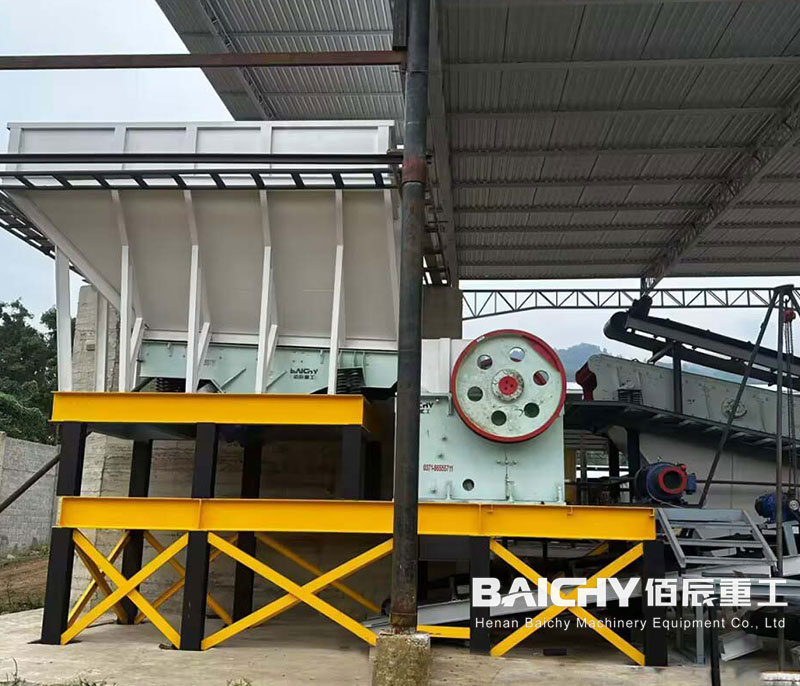
Primary Crushing: Jaw Crusher
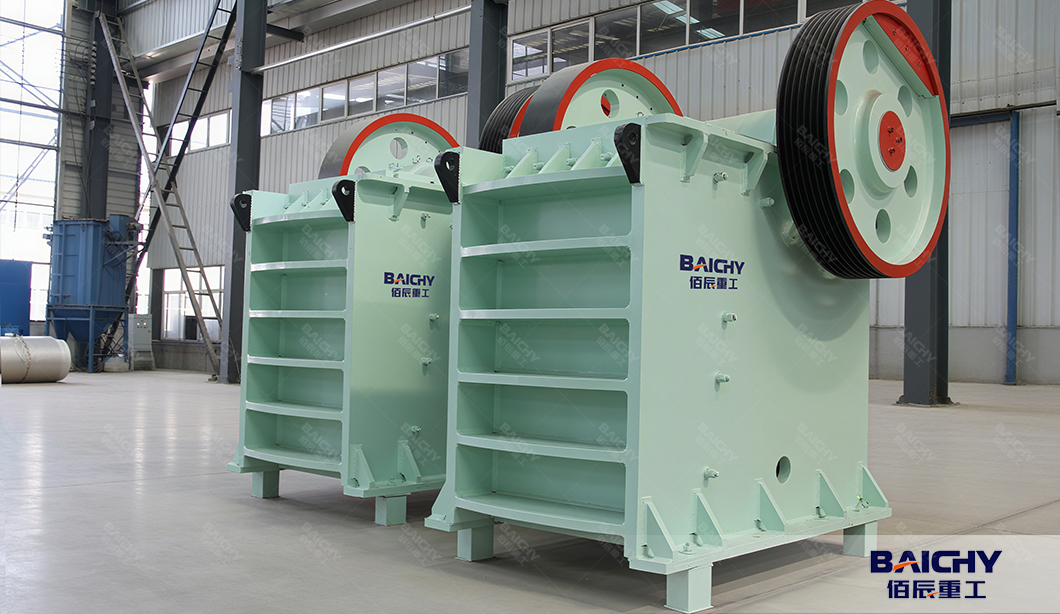
The vibrating feeder delivers raw material to the jaw crusher. The jaw crusher reduces large rocks into smaller pieces suitable for secondary crushing.
For example, a PE500×750 jaw crusher has a nominal feed opening of 500 × 750 mm. Its maximum feed size must be checked against the actual crusher design and material characteristics before selection.
The maximum feed size is not determined by the opening dimensions alone. Oversized rocks, irregular shapes, and excessive fines can affect feeding stability and production efficiency.
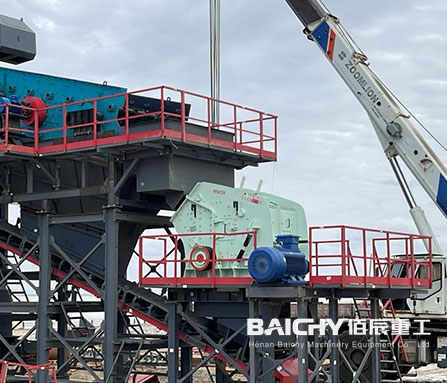
Secondary Crushing: Cone Crusher
The cone crusher further reduces the material discharged from the jaw crusher. It is particularly suitable for hard and abrasive rocks such as granite and basalt.
A CS-series cone crusher can be considered for this stage, provided its allowable feed size, crushing chamber, and capacity match the actual operating conditions.
Screening and Material Return
A vibrating screen separates crushed material into different size fractions. Material that does not meet the required specifications can be returned to the cone crusher for further reduction when the plant is designed with a closed-circuit configuration.
This arrangement helps control the final product grading. The required screen area, number of decks, conveyor capacity, and recirculating load must all be considered when designing a 120 TPH plant.
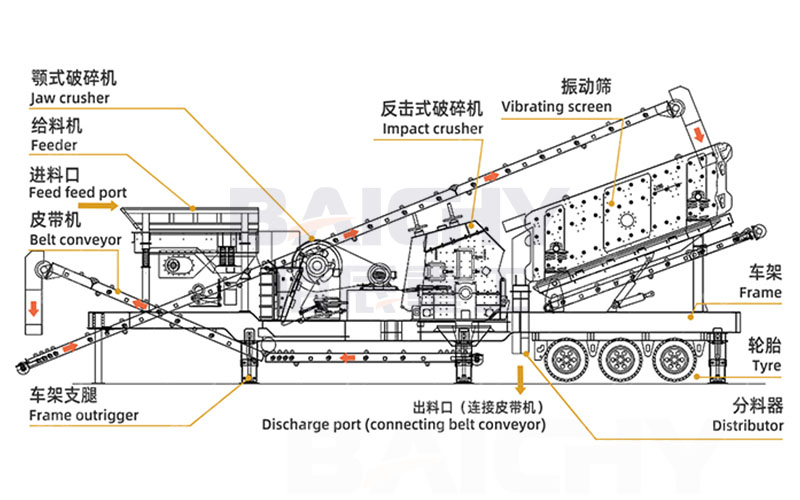
2. Example Equipment Configuration and Specifications
The following table provides a preliminary equipment reference for a mobile crushing plant targeting approximately 120 TPH.
| Equipment |
Example Model |
Key Parameters |
Main Function |
| Jaw crusher |
PE500×750 |
Feed opening: 500×7500mm; Max feed size: 425mm; Power: 45kW |
Primary crushing |
| Cone crusher |
CS75 |
Max feed size: 150mm; Capacity: 27–163 tph; Power: 75kW |
Secondary crushing |
| Vibrating feeder |
ZSW8530 |
Feeding capacity: 80-120 tph; Power: 7.5kW |
Controlled feeding |
| Vibrating screen |
3YK1848 |
Feeding capacity: 200–300 tph; Power: 18.5kW |
Aggregate classification |
| Mobile chassis |
Project-specific |
15800X2200X5850mm |
Equipment transport and deployment |
Note: This is an example configuration, not a verified production guarantee. The PE500×750 jaw crusher, CS75 cone crusher, feeder, screen, and conveyors must be checked as a complete system. In particular, the cone crusher's allowable feed size must match the jaw crusher's discharge material.
For an accurate quotation, confirm the raw material, maximum feed size, target capacity, finished aggregate sizes, installed power, and site conditions.
4. Key Advantages of a Mobile Jaw and Cone Crusher Plant
Processes Hard and Abrasive Rock
The jaw-and-cone combination is suitable for many granite, basalt, and other hard-rock applications. The jaw crusher handles primary size reduction, while the cone crusher performs secondary crushing.
Wear-part selection, feed grading, and proper crusher operation remain essential to controlling operating costs.
Reduces Material Handling
A mobile plant can be positioned closer to the quarry face, mining area, or construction site. Shorter material transport distances may reduce hauling requirements, although actual savings depend on site layout, relocation frequency, and transport arrangements.
Adapts to Changing Project Locations
Mobile crushing equipment can be useful for contractors working across multiple sites or projects with limited permanent infrastructure. Before choosing a tracked or wheeled configuration, evaluate ground conditions, road access, relocation frequency, and transport regulations.
Supports Different Product Sizes
With suitable crusher settings and screening arrangements, the plant can produce several aggregate fractions for concrete, road base, asphalt, or other applications.
The final grading depends on the feed material, crusher settings, screen mesh sizes, and whether the process includes a return conveyor.
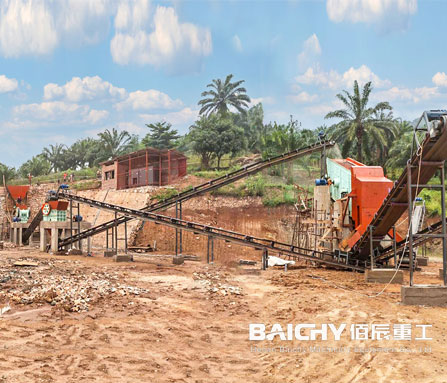
3. Baichy Case Study: 120 TPH Mobile Limestone Crushing Plant in Ethiopia
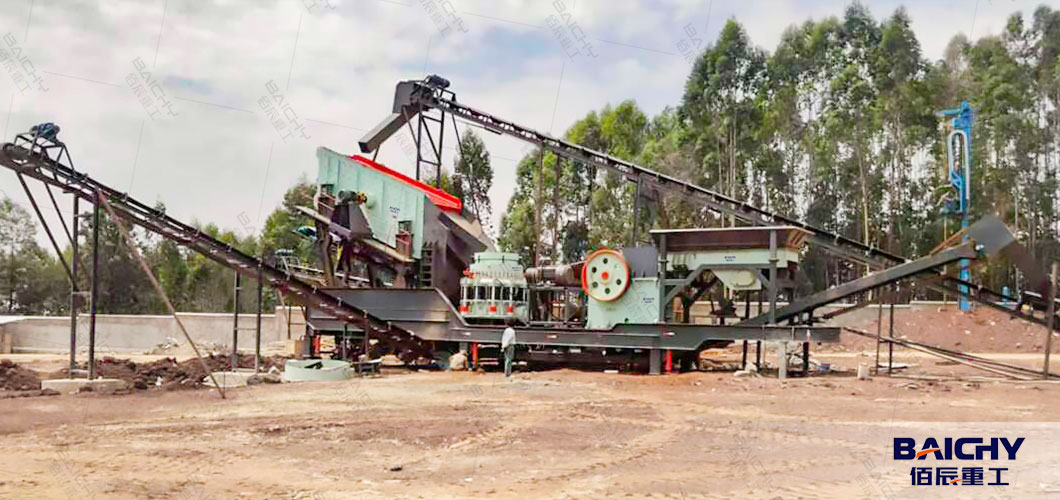
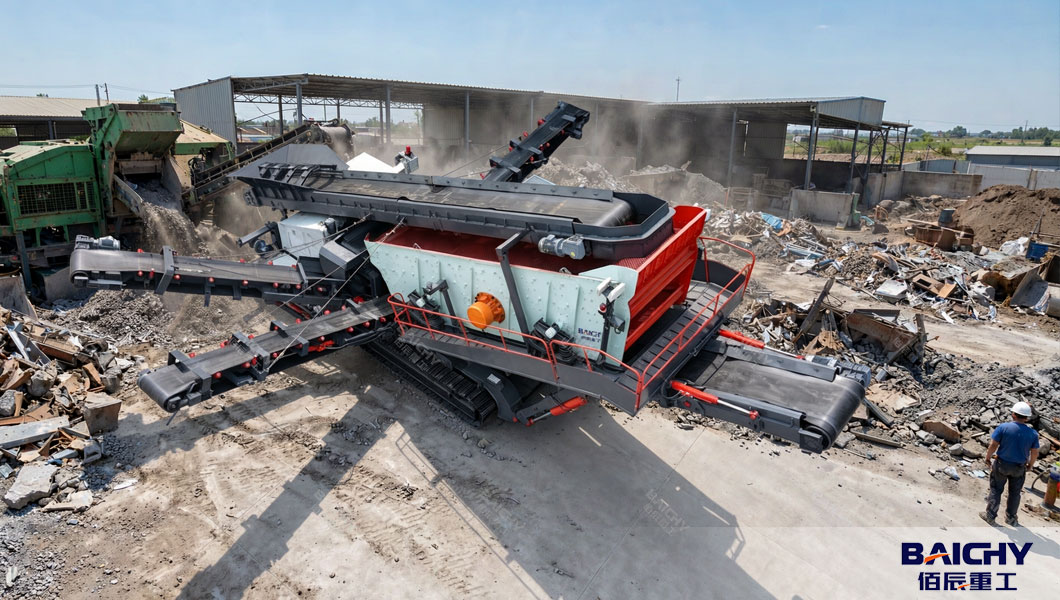
Baichy supplied a combined mobile crushing solution for a construction project in Ethiopia. The customer needed a reliable supply of graded limestone aggregates for highway construction, including road base and asphalt applications.
The quarry was located in a remote area with limited existing infrastructure. The project required a mobile system capable of processing approximately 120 tons of limestone per hour while producing several aggregate sizes for different construction requirements.
The plant was designed for a capacity of 100–150 TPH, with approximately 120 TPH as the project target. Its specified product sizes were:
-
0–5 mm
-
5–10 mm
-
10–20 mm
-
20–40 mm
The four-deck screen allows the plant to classify crushed limestone into multiple fractions. Actual output by size depends on feed grading, crusher settings, screen performance, and operating conditions.
Why Was a Mobile Solution Selected?
● The project required aggregate production near the material source without the extensive civil works associated with a conventional stationary plant. Integrating the major crushing and screening components on a mobile chassis simplified equipment transportation and on-site arrangement.
● The jaw-and-cone combination also suited the project's need to reduce limestone in stages before screening it into specified sizes.
● This case illustrates how a mobile crushing plant can support infrastructure projects where production capacity, product grading, and site flexibility must be considered together.
Read the full Ethiopia mobile limestone crushing plant case study for more project details.
Get a Mobile Crushing Solution from Baichy Machinery
A suitable mobile crushing plant should match the material, production target, final aggregate specifications, and working environment. The Ethiopia project demonstrates how a jaw crusher, cone crusher, and multi-deck screen can be combined for mobile limestone aggregate production.
Baichy Machinery provides mobile crushing and screening solutions for quarrying, mining, and construction projects. Share your material details and production requirements to discuss a suitable configuration.
Contact the Baichy Machinery technical team for equipment recommendations and a customized quotation.
Frequently Asked Questions
1. Is a 120 TPH mobile crushing plant suitable for granite?
Yes. A properly designed jaw-and-cone plant can process granite. The actual capacity depends on rock hardness, feed size, crusher selection, and the required finished product.
2. What is the maximum feed size?
There is no universal maximum for all 120 TPH plants. The limit depends on the primary crusher, feeder opening, and material characteristics. Confirm the permitted feed size with the equipment supplier.
3. Can a 120 TPH plant produce 5–20 mm aggregates?
Yes, with suitable crushing settings and screening arrangements. The exact grading and production rate depend on the material and process design.
4. How do I choose the right mobile crushing plant?
Provide five basic details: raw material, maximum feed size, target hourly output, required finished sizes, and site conditions. These details help determine the crusher combination, screening system, power requirements, and chassis type.




 2026-10-30






 86-15093113821
 86-15093113821