For contractors, landscapers, and demolition crews, hauling away concrete debris is a costly and logistical headache. A low price small mobile concrete crusher offers a practical escape from dump fees and aggregate purchase costs by processing concrete, brick, and block directly at the job site. This guide covers what these compact machines can do, realistic pricing, and how to choose one that fits your operation.
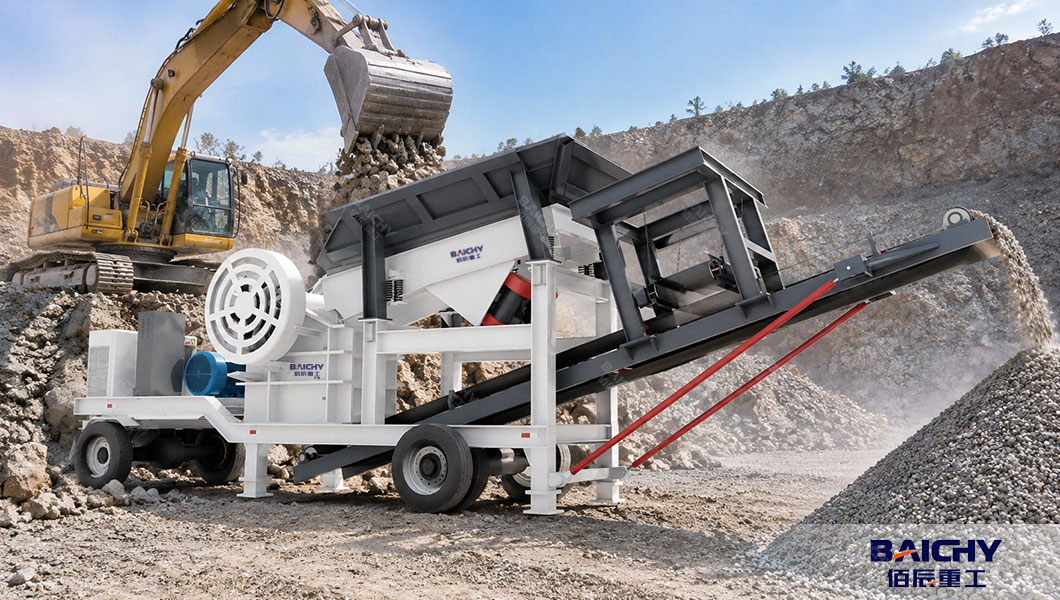
What a Small Mobile Concrete Crusher Does
These machines are built for small jobs and tight spaces. They are not scaled-down quarry equipment. They are designed to go where big machines cannot.
Take the mobile crusher BDP250-GZ40 as an example. It processes about 8 tons per hour. Its jaw opening is 400 × 250 mm. Its width is only 800 mm, which means it can fit through a side yard or an alley.
Most small crushers use simple gas or diesel engines with mechanical drives. This means fewer electronic parts, fewer breakdowns, and easier repairs by a local mechanic. You can move the crusher directly to the pile. There is no need to load and haul raw concrete away.
The cost logic is simple. If you pay to dump concrete and then pay again to buy backfill, a compact crusher combines both steps into one. One manufacturer says the machine "starts paying for itself the first week" for crews already paying haul-away fees.
What "Low Price" Really Means
Prices in this category vary a lot. Let us look at real numbers.
Entry-level micro crushers from U.S.-supported brands cost about $21,500 to $32,900, depending on setup and dealer. Other micro crushers in the same 6–9 ton-per-hour class often cost $55,000 to $79,000. So the low end of the market has become more competitive in recent years.
If you buy from international suppliers, especially Chinese manufacturers, prices can be lower. Alibaba listings show mini hammer crushers with 1–3 ton-per-hour capacity starting at around $798. But be careful. You must add shipping, import duties, and the cost of getting parts. A realistic budget for a track-mounted mini jaw crusher with real after-sales support in North America is about $20,000–$35,000.
One important warning: very cheap imports may lack CE or regional certification. Parts can also be hard to find. For a machine you use every day, downtime and part lead times often cost more than the money you save upfront.
Where Baichy Fits In
If you are considering Chinese manufacturers, Baichy Heavy Industrial Machinery from Zhengzhou is worth a look. Their product line matches the concrete recycling and demolition jobs described above.
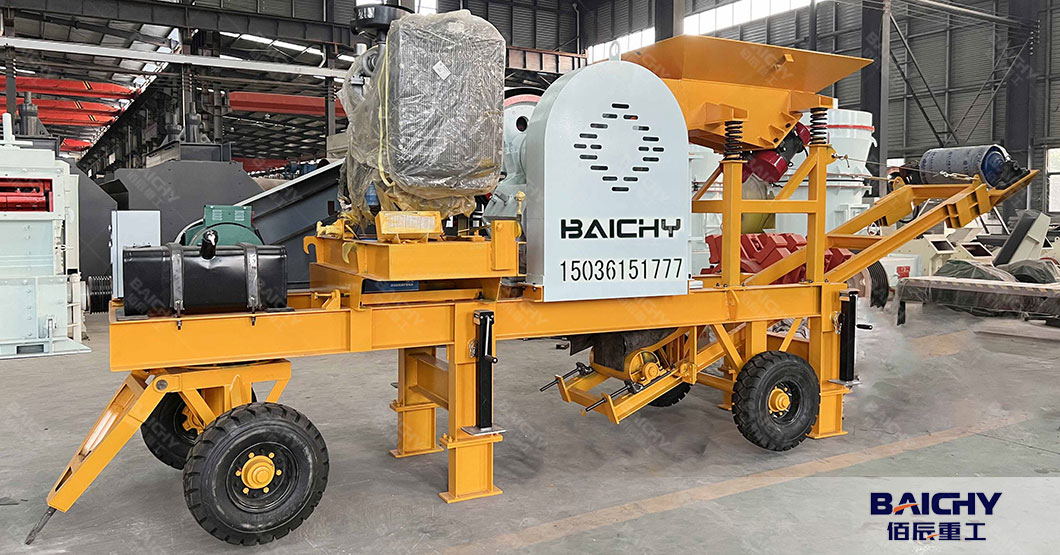
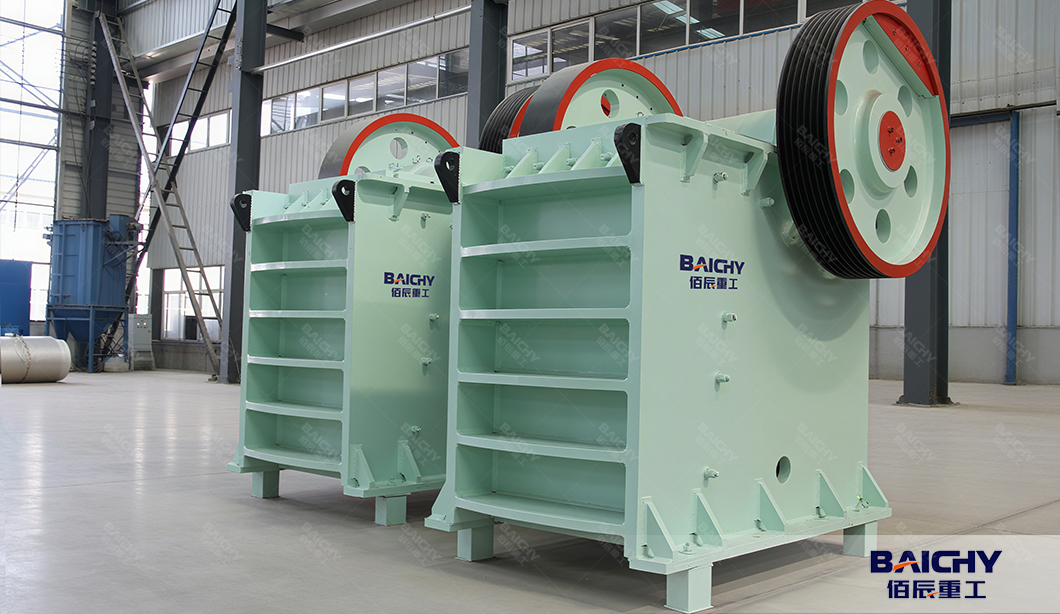
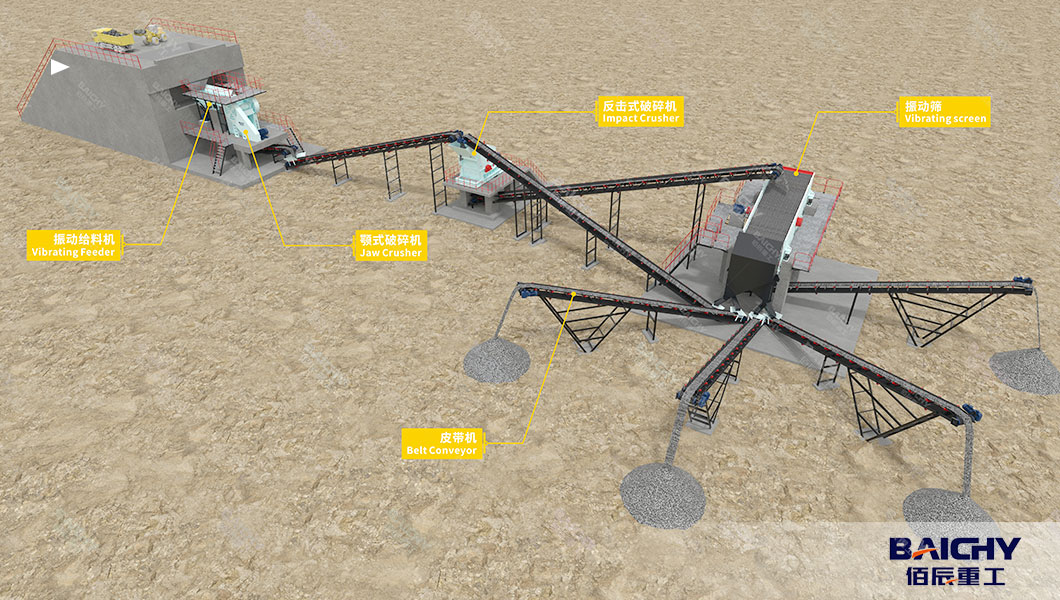
Baichy's small portable concrete crushers use the PE400×600 jaw crusher as the main unit. Capacity is 15–60 t/h, and discharge can be adjusted from 40–90 mm. This is a step above the micro class, but the unit is still towable and compact enough to move between job sites. It is wheel-mounted, with feeder, jaw crusher, belt conveyor, and steel frame all on one chassis. Baichy designed it for "limited sites and frequent transfer of work sites," which fits the way small contractors actually work.
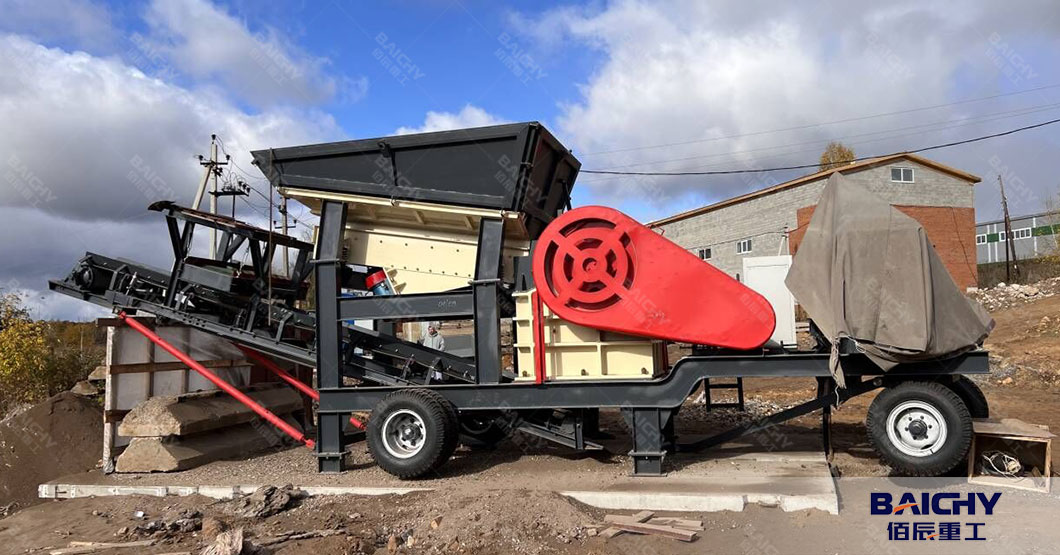
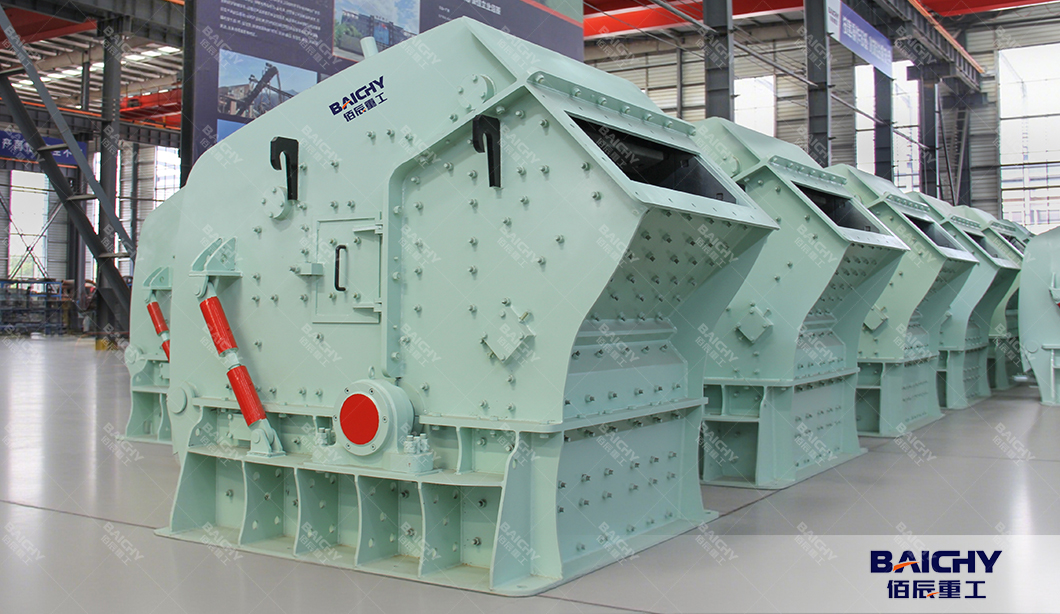
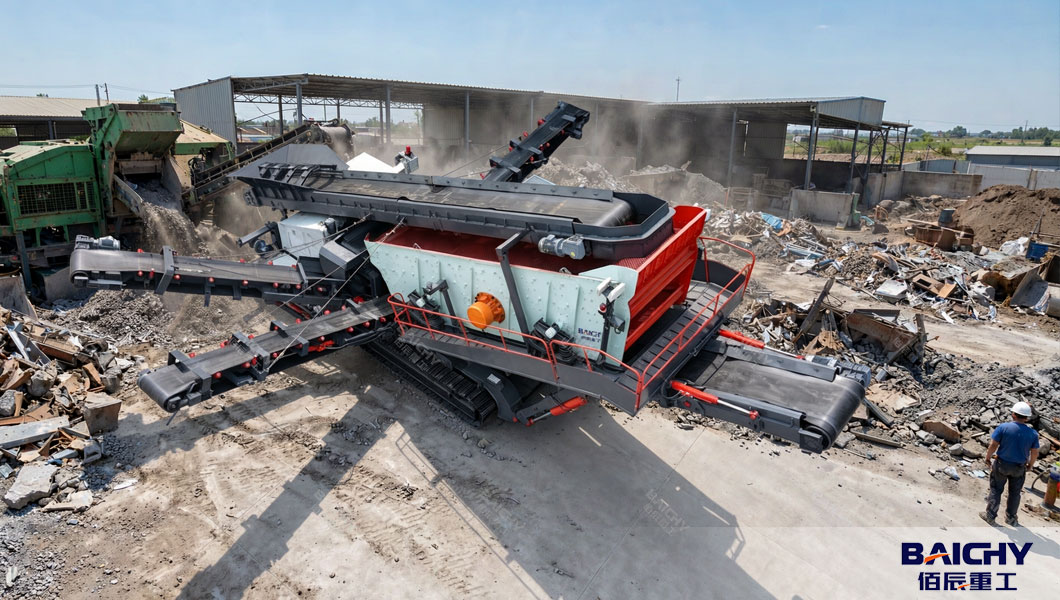
Baichy also offers tracked mobile crushing stations with hydraulic chassis and wireless remote control. These are useful on uneven demolition ground or when you need to move the machine without a tow vehicle. If your concrete contains rebar, Baichy recommends impact crusher configurations with an overhead magnetic separator to remove steel from the crushed material. This is a practical choice because rebar can damage the machine.
On support, Baichy states that its equipment carries ISO 9001:2015 certification and that it has 20 years of manufacturing experience behind its spare parts system. Still, check regional parts availability and confirm that the specific model has the certification your market requires. Do this before you buy, not after.
Specs That Matter
When you compare low price small mobile concrete crushers, whether from Baichy or other suppliers, focus on these points:
| Specification |
What to Look For |
Why It Matters |
| Feed opening |
400 × 250 mm or similar |
Sets the largest concrete piece you can feed |
| Output adjustment |
10–50 mm range |
Decides whether you make base fill or drainage stone |
| Throughput |
1–8 TPH micro class; 15–60 TPH compact jaw units |
Match it to your daily debris volume |
| Transport width |
Under 800 mm for tight access |
Gets you into side yards and alleys |
| Engine type |
Simple gas or diesel, mechanical drive |
Fewer failure points, easier field repairs |
| Weight |
2,000–3,000 lbs for towable micro units; more for compact jaw plants |
Affects towing and transport |
A jaw crusher PE250X400 with 10–50 mm adjustable output handles sidewalk slabs, brick, and CMU block without trouble. Baichy's jaw crusher PE400×600-based unit takes larger feed and produces material faster. It is a better fit if you regularly process full concrete slabs or demolition debris instead of small batches. If rebar is present, check that the crusher can handle it or plan to cut it first. An impact setup with magnetic separation is the more practical choice for rebar-heavy material.
Where These Machines Work Best
Small mobile concrete crushers are useful in several situations:
● Residential and tight-access demolition. Backyard patio removals, pool deck tear-outs, and side-yard walkways create concrete waste that is hard to haul. A 760 mm-wide tracked crusher can enter spaces where skid steers and mini-excavators already work. For slightly larger residential or light commercial jobs, a wheel-mounted unit like Baichy's portable jaw plant can be towed in and set up without a concrete foundation.
● Landscaping and hardscape base. Broken concrete and brick can be crushed into base material for retaining walls, paths, and driveway sub-bases. This reduces the need to buy quarried aggregate.
● Small contractor yards. Instead of renting roll-off container after roll-off container, you can process the rubble pile in your own yard into reusable or sellable material.
● Where they do not fit: high-volume demolition with thousands of tons of material, dense rebar mats, or jobs that need certified aggregate gradations. For those jobs, use a larger track-mounted impact crusher or a stationary plant. That is simply the right tool for the job.
Maintenance and Support
A low price means little if the machine sits idle waiting for a part. Before you buy:
- Confirm parts availability. Ask for real lead times on jaw plates, belts, and bearings. U.S.-supported brands often ship in 2–3 days. Imports may take weeks. If you consider Baichy, ask for a written parts commitment for your region before ordering.
- Check certification. CE marking is required in Europe, and other regions have their own rules. Non-certified imports can create liability and resale problems. Baichy states ISO 9001:2015 certification, but verify model-specific compliance yourself.
- Think about serviceability. Mechanical drives with common parts are easier for local mechanics to repair than proprietary hydraulic or electronic systems.
- See the machine run. Ask for a demo or video. Performance changes with concrete hardness and rebar content. Make sure it handles your material. Baichy's Zhengzhou factory offers on-site material testing for prospective buyers.
The Bottom Line
A low price small mobile concrete crusher is a good tool for contractors who produce moderate amounts of concrete waste and want to stop paying for haul-away and aggregate. Do your homework on certification and regional parts support first. Match the machine's capacity and access size to your actual job sites. Confirm that parts and service exist before the machine goes to work. Do this, and the machine can pay for itself in weeks, not years.
Frequently Asked Questions
1. What is the cheapest small mobile concrete crusher?
The lowest-priced option depends on the crusher type, capacity, mobility system, and included equipment. A basic mobile jaw crusher may cost less than a fully equipped tracked crushing and screening plant. Request comparable quotations with the same technical specifications.
2. Can a small mobile crusher process reinforced concrete?
Yes, some mobile crushers can process reinforced concrete, but acceptable rebar size, feed conditions, and separation requirements vary by model. Confirm these limits before purchasing.
3. Is a mobile concrete crusher suitable for a small demolition business?
It can be suitable if the business processes enough concrete to justify equipment ownership. Compare the purchase and operating costs with subcontracted crushing, waste disposal fees, and aggregate transportation expenses.
4. Can crushed concrete be reused?
Yes. Depending on its quality and local regulations, recycled concrete aggregate can be used for road subbase, backfilling, temporary roads, and other approved applications. Additional testing or processing may be needed for more demanding uses.
5. What information is needed for a price quotation?
Provide the feed material, maximum feed size, required capacity, output sizes, mobility preference, power requirements, and delivery location. These details allow the supplier to estimate the equipment configuration and total project cost more accurately.




 2026-10-30






 86-15093113821
 86-15093113821