To crush rocks into powder, you typically need two stages: crushing to reduce large rocks into smaller pieces, followed by grinding to achieve the required fineness. The right equipment depends on rock hardness, feed size, target particle size, and production capacity. For small samples, manual tools or laboratory pulverizers may be sufficient. For commercial production, a combination of crushers, grinding mills, classifiers, and dust collection equipment is usually more effective.
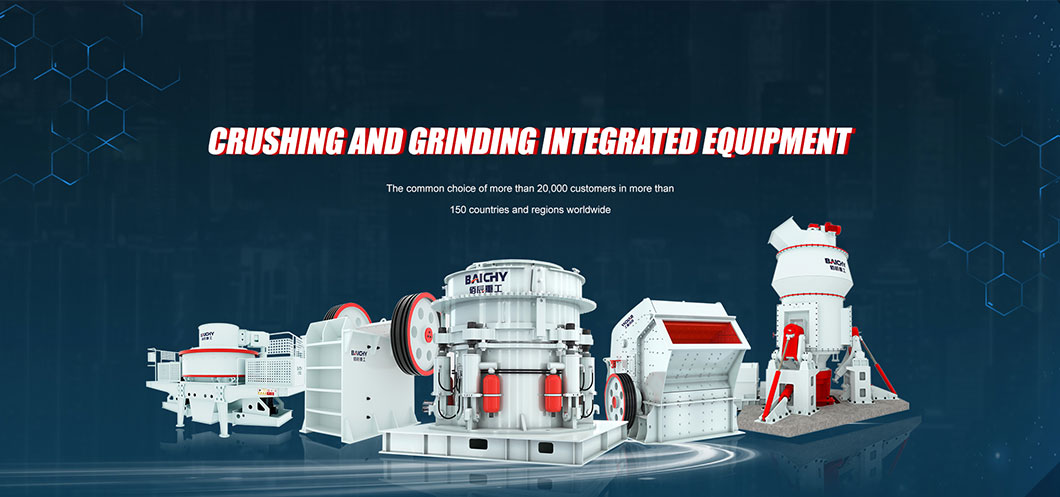
1. What Equipment Do You Need to Crush Rocks into Powder?
Different machines perform different jobs. A crusher reduces large rocks, while a grinding mill turns crushed material into fine powder.
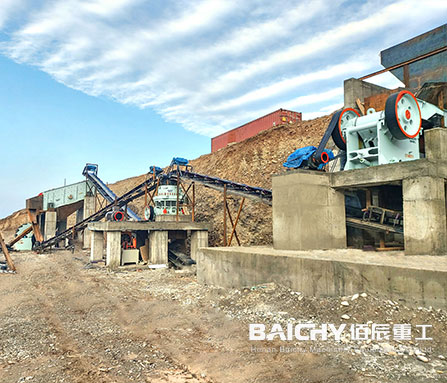
Jaw Crushers for Breaking Large Rocks
A jaw crusher is commonly used for primary crushing. It compresses rocks between fixed and moving jaw plates, reducing large pieces to a size suitable for further processing.
Jaw crushers are widely used for hard materials such as granite and basalt. When selecting one, consider the maximum feed size, discharge setting, required capacity, and wear resistance.
A jaw crusher alone usually cannot produce consistently fine powder. Additional crushing or grinding is generally necessary.
Impact, Cone, and Hammer Crushers
Choose a crusher based on the material's hardness and abrasiveness.
-
Impact crushers: Suitable for limestone and other relatively low-abrasion materials.
-
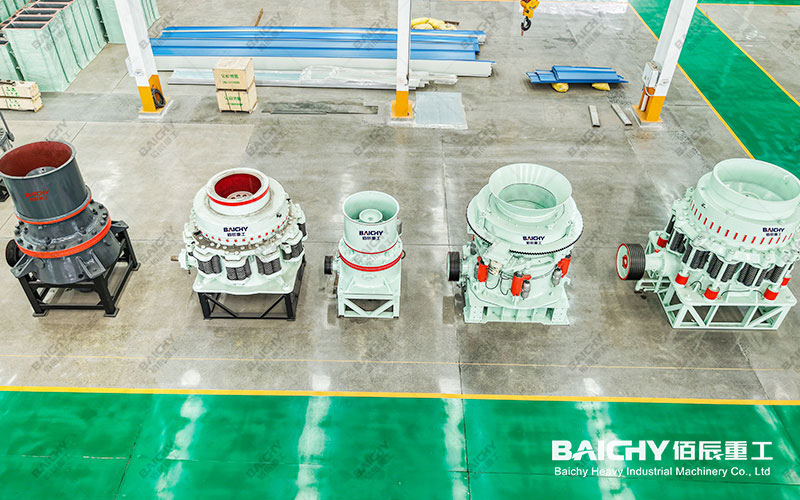
Cone crushers: Commonly used for secondary crushing of hard, abrasive rocks such as granite and basalt.
-
Hammer crushers: Suitable for certain brittle materials where substantial size reduction is required.
For example, a granite processing plant may use a jaw crusher followed by a cone crusher before grinding. A limestone plant may use an impact crusher instead, depending on the required product size and operating conditions.
Grinding Mills for Fine Rock Powder
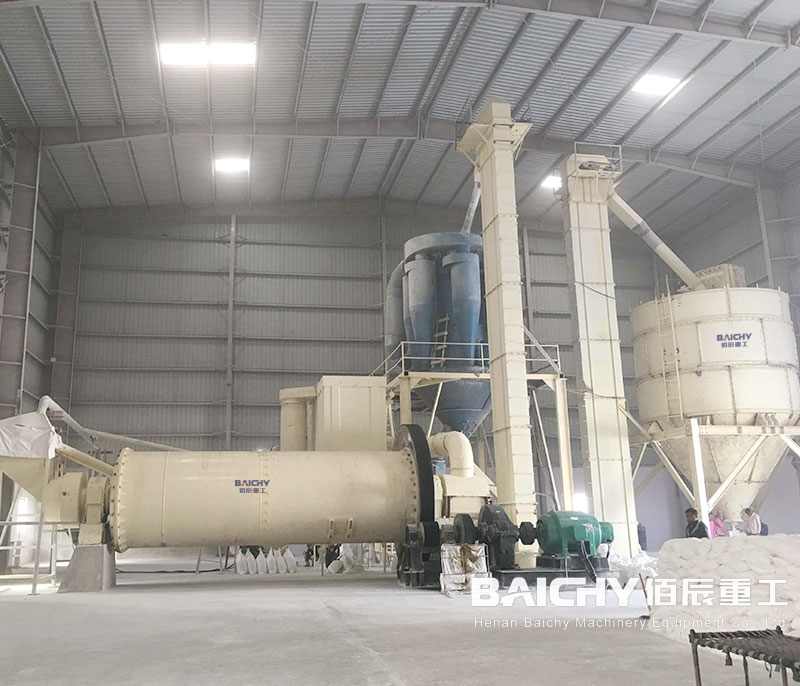
After crushing, select a grinding mill based on the desired fineness and output.
| Equipment |
Typical application |
| Raymond mill |
Dry grinding of suitable minerals, including limestone and gypsum |
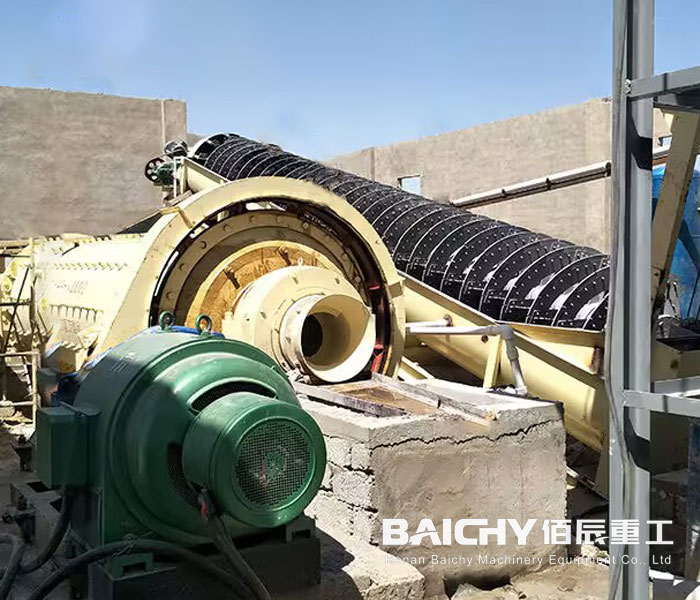
| Ball mill |
Fine grinding in mineral processing and wet or dry grinding applications |
| Hammer mill |
Size reduction of suitable brittle materials |
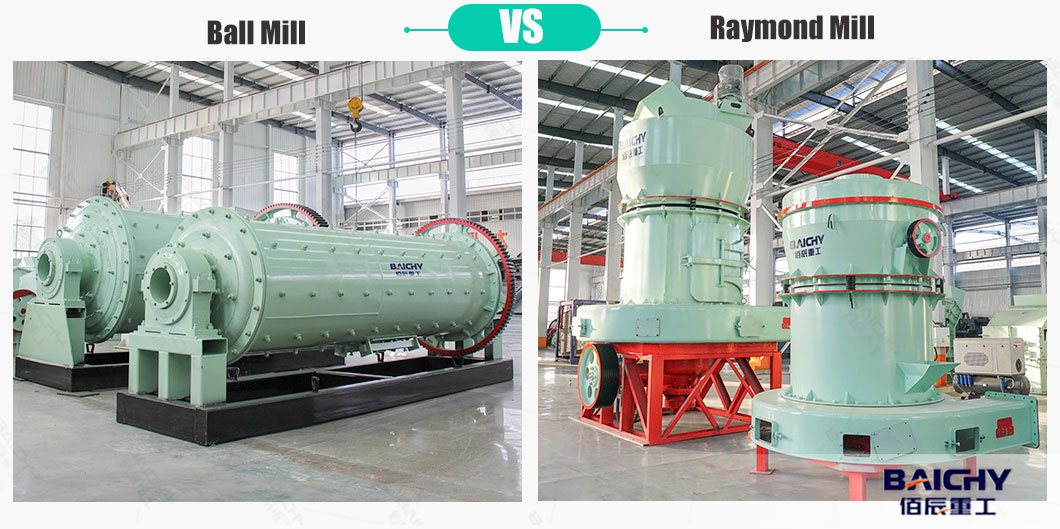
A Raymond mill may suit dry mineral powder production, while a ball mill may be appropriate for fine grinding in mineral processing. Confirm the feed specifications and achievable product size with the manufacturer before purchasing.
2. How to Crush Rocks into Powder Step by Step
A staged process is usually more practical than attempting to grind large rocks directly into powder.
Step 1: Identify the Rock and Target Particle Size
Determine the material type, maximum feed size, target fineness, and required production capacity.
Granite is generally harder and more abrasive than limestone, so it may require different crushing equipment and more wear-resistant components.
Define the final product clearly. For example, 150 μm equals 0.15 mm, which is much finer than ordinary crushed stone.
Step 2: Break Large Rocks into Smaller Pieces
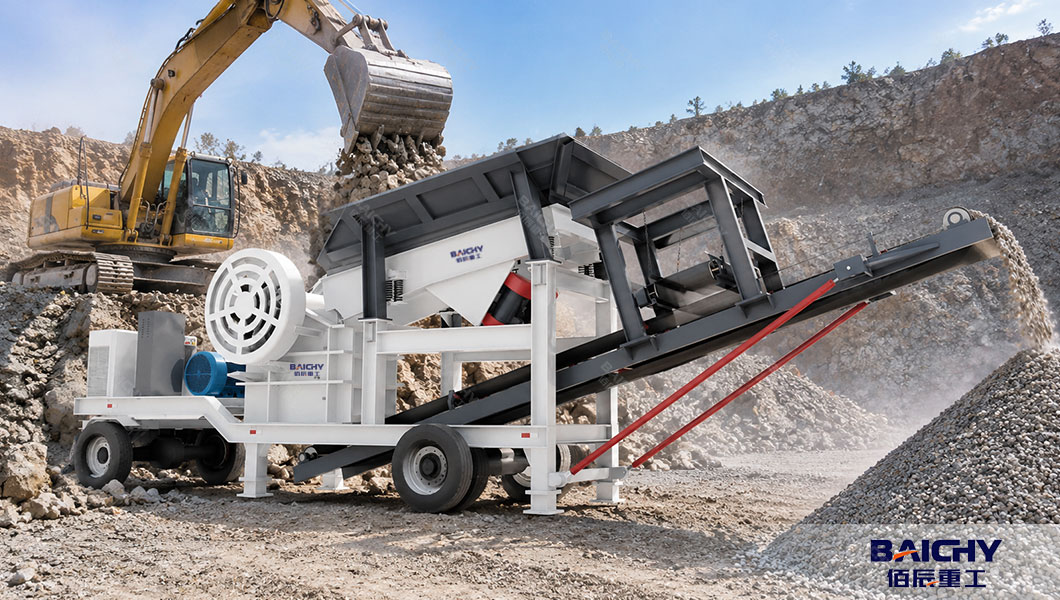
Use a suitable primary crusher to reduce large rocks. A jaw crusher is a common choice for industrial applications, while laboratory equipment may be sufficient for small samples.
The maximum feed size must remain within the crusher's design limits. Check the actual discharge size before choosing the next machine.
Step 3: Perform Secondary Crushing if Necessary
If the primary crusher produces material that is too large for the grinding mill, add a secondary crushing stage.
Hard, abrasive rocks may require cone crushing. For suitable limestone, an impact crusher may be more appropriate.
Screening can separate material that already meets the next stage's feed requirements, reducing unnecessary recirculation.
Step 4: Grind the Crushed Rock into Powder
Feed the prepared material into a suitable grinding mill. Maintain a consistent feed rate and follow the manufacturer's operating instructions.
The achievable output depends on rock properties, feed size, mill configuration, and target fineness. Finer powder generally requires more grinding energy and may reduce throughput.
Step 5: Classify and Collect the Powder
Use screening or classification equipment to separate particles according to the required size range. Some systems return oversized particles to the mill for further grinding.
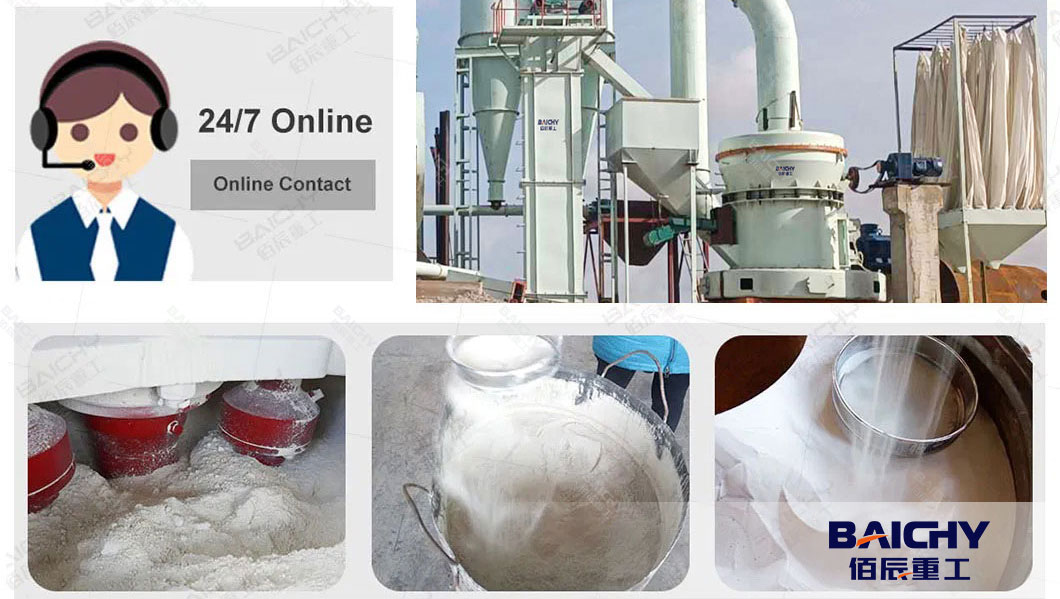
For dry processing, suitable dust collection equipment helps control airborne particles and recover the finished powder.
3. Which Machine Is Best for Different Types of Rocks?
There is no single machine that suits every rock. Consider the following starting points.
| Rock type |
Equipment to evaluate |
Main consideration |
| Granite |
Jaw crusher + cone crusher + grinding mill |
Hardness and abrasive wear |
| Basalt |
Jaw crusher + cone crusher + grinding mill |
Wear resistance and energy use |
| Limestone |
Suitable crusher + grinding mill |
Product size and required fineness |
| Gypsum |
Suitable crusher + Raymond mill |
Moisture and target fineness |
These are general configurations, not fixed requirements. The final selection depends on feed size, mineral properties, product specifications, and production capacity.
For small samples, laboratory crushers and pulverizers are often sufficient. For continuous industrial production, a properly sized crushing and grinding line provides better control over throughput and product consistency.
4. How Fine Can You Grind Rocks into Powder?
The achievable fineness depends on the material and grinding technology. Before selecting equipment, clarify whether the target refers to a maximum particle size or a particle-size distribution.
Common units include:
-
1 mm = 1,000 μm
-
150 μm = 0.15 mm
-
75 μm = 0.075 mm
Mesh size is also used, but its relationship with microns depends on the applicable sieve standard.
A Raymond mill may be suitable for certain fine mineral powders, while a ball mill may be appropriate for other grinding requirements. Very fine products may require specialized grinding and classification equipment.
Ask the supplier to confirm both target fineness and production capacity. A mill that achieves a fine particle size may not maintain the same throughput at a coarser setting.
5. How to Choose a Rock Crushing and Grinding Solution
For industrial production, choose a complete process rather than selecting equipment based on its name alone.
Before requesting a quotation, prepare these details:
-
Rock or mineral type
-
Maximum feed size
-
Required final particle size
-
Expected output in tons per hour
-
Material moisture and operating conditions
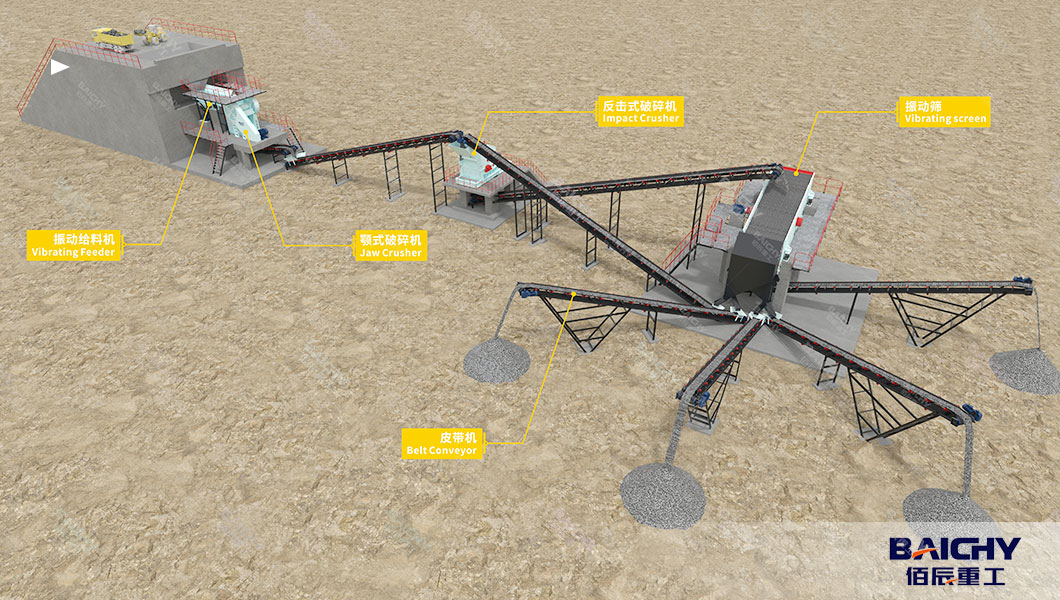
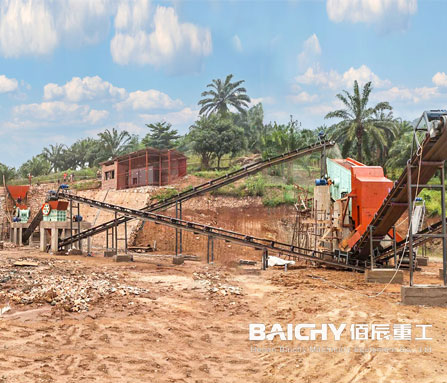
A complete plant may include a feeder, jaw crusher, secondary crusher, grinding mill, classifier, conveyors, and dust collection system. Not every project needs all these components.
For example, a project producing 3 tons of limestone powder per hour needs equipment sized for both the required fineness and the target output. The supplier should evaluate the material and confirm whether the proposed configuration can meet those requirements.
Baichy Machinery supplies crushing and grinding equipment for mineral and aggregate processing projects. If you are planning a rock powder production line, share your material type, feed size, target fineness, and capacity requirements to get a suitable solution.
Frequently Asked Questions
1. Can You Crush Rocks into Powder at Home?
Yes. Small samples can be processed with suitable manual tools or laboratory equipment. However, rock crushing can generate hazardous dust and flying fragments, so use appropriate containment and protective equipment.
2. What Is the Best Machine for Turning Rocks into Fine Powder?
It depends on the material and target particle size. Raymond mills suit certain dry mineral powder applications, while ball mills are commonly considered for fine grinding in mineral processing.
3. Can a Jaw Crusher Turn Rocks Directly into Fine Powder?
Usually not. A jaw crusher reduces large rocks into smaller pieces. A grinding mill is generally needed to produce fine powder.
4. How Long Does It Take to Grind Rocks into Powder?
Grinding time depends on rock hardness, feed size, target fineness, and equipment capacity. Industrial systems should be evaluated by their sustained throughput and final product specifications.




 2026-10-26





 86-15093113821
 86-15093113821