Many aggregate producers encounter the same problem during sand production: raw sand often contains clay, soil, dust, and other impurities that affect the quality of the final product. These unwanted materials can reduce the strength and performance of aggregates, making them difficult to meet market requirements. An aggregate spiral sand washing machine is commonly used to clean and classify sand by removing fine impurities during the production process. For quarry owners and sand-making plants, selecting the right sand washing equipment helps improve product quality, reduce material loss, and optimize the overall washing process.
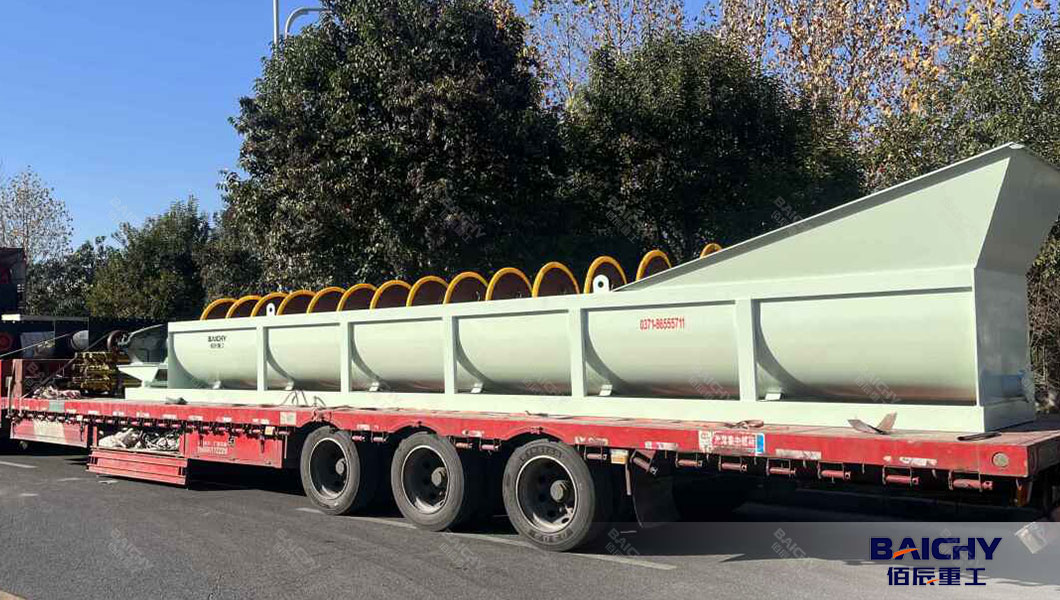
What Is an Aggregate Spiral Sand Washing Machine?
An aggregate spiral sand washing machine is equipment used for washing, grading, and removing impurities from manufactured sand and natural sand. It is widely installed in aggregate production lines, stone crushing plants, artificial sand plants, and mineral processing projects.
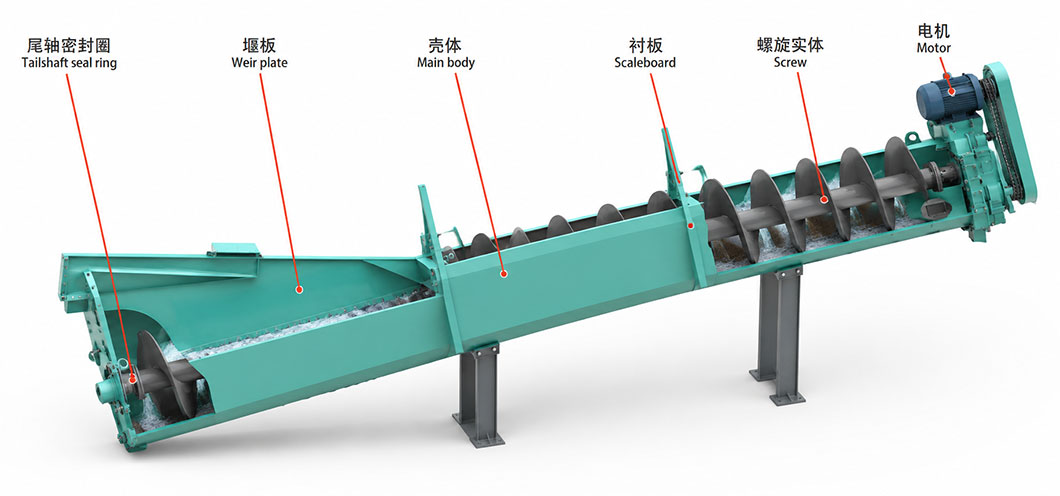
The machine consists of a spiral blade installed inside an inclined trough. During operation, the spiral rotates continuously to stir and move the material. Clean sand is lifted toward the discharge end, while clay, dust, and lighter impurities are separated and discharged with wastewater.
Compared with simple screening methods, a spiral sand washer provides better cleaning performance for materials containing mud and fine particles.
How Does a Spiral Sand Washing Machine Work?
The working process of a spiral sand washer mainly includes feeding, washing, conveying, classification, and discharge.
1. Material Feeding
After crushing and screening, sand enters the spiral sand washing machine through the feeding inlet. The feeding rate needs to be controlled according to the equipment capacity and material conditions to ensure stable operation.
2. Material Scrubbing and Cleaning
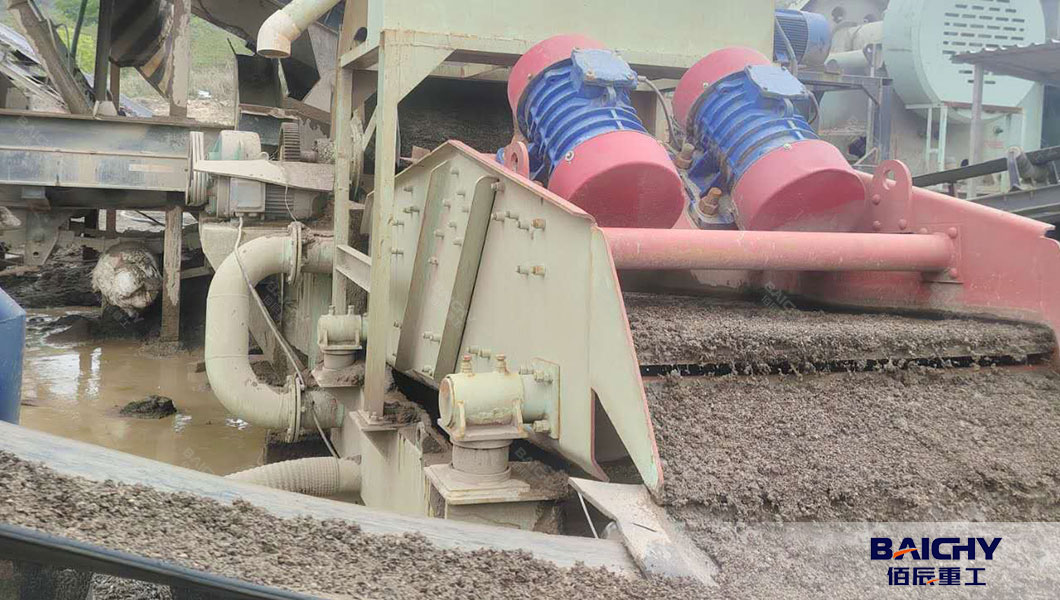
Inside the inclined washing tank, the rotating spiral blades continuously mix and scrub the sand. During this process, clay, dust, and other impurities attached to the particle surface are separated through friction and water flow.
The cleaning effect depends on factors such as material composition, impurity content, water volume, and spiral speed.
4. Spiral Conveying and Separation
The spiral blades push the cleaned sand upward along the inclined trough while excess water and fine impurities move downward. This continuous movement separates clean aggregate from unwanted particles.
The spiral speed can be adjusted according to different material conditions to achieve better washing performance.
5. Classification and Overflow Control
The overflow system controls the separation of fine particles and impurities. Proper adjustment helps reduce the loss of useful sand while improving the cleanliness of the finished product.
For projects requiring higher fine sand recovery, additional equipment such as hydrocyclones or fine sand recovery units can be added.
6. Clean Sand Discharge and Water Recycling
After washing and dewatering, the finished sand is discharged from the upper outlet and transported for stockpiling or further processing.
In areas with limited water resources, a closed-loop water recycling system can be used to reduce fresh water consumption and lower operating costs.
How to Choose the Right Aggregate Washing Equipment?
When selecting a spiral sand washing machine, buyers should consider material characteristics, production capacity, maintenance requirements, and operating conditions.
1. Wear-Resistant Spiral Blade Design
The spiral blade is one of the main wearing parts of a sand washer. For abrasive materials such as granite sand and manufactured sand, wear-resistant materials can extend blade service life and reduce replacement frequency.
A suitable wear protection design helps maintain stable performance during long-term operation.
2. Reliable Bearing and Drive System
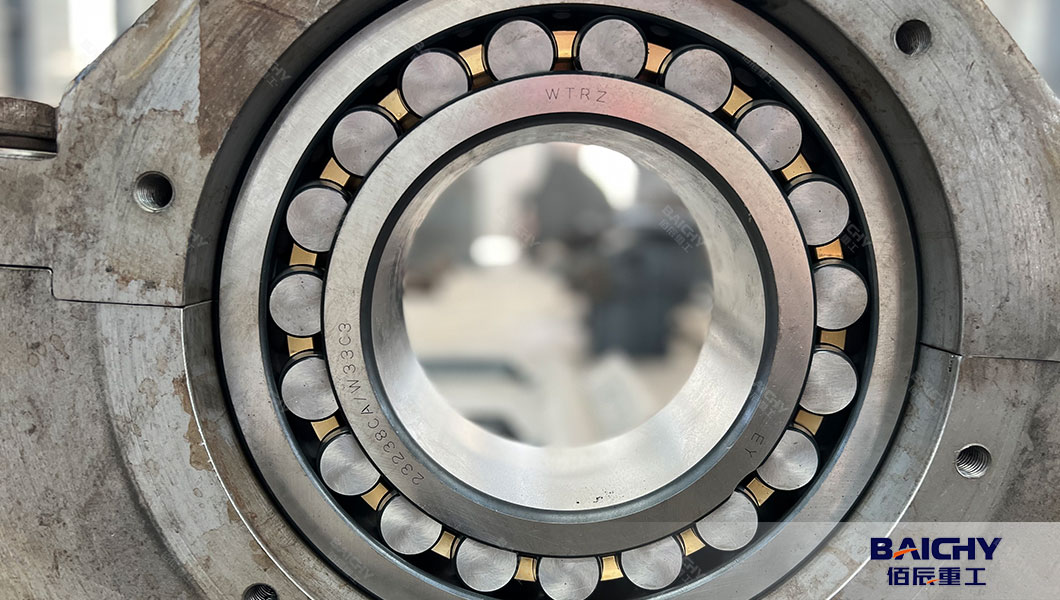
The bearing system works under wet and abrasive conditions, so effective sealing is important. A reliable sealing structure prevents water and sand from entering the bearing area, reducing maintenance problems and improving equipment availability.
3. Adjustable Operating Parameters
Different raw materials require different washing conditions. A flexible drive system allows operators to adjust operating speed according to material moisture, clay content, and production requirements.
This helps maintain consistent sand quality while improving energy efficiency.
4. Water Recycling System
Water consumption is an important consideration for modern aggregate plants. A recycling system can recover and reuse washing water, reducing water demand and helping plants meet environmental requirements.
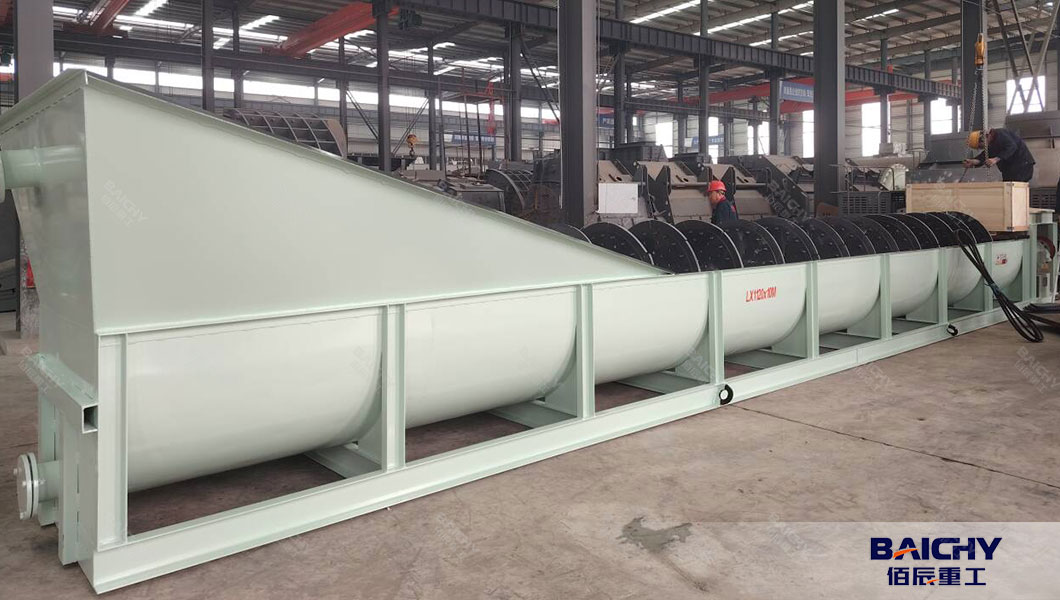
Applications of Spiral Sand Washing Machine
Aggregate spiral sand washing machines are commonly used in:
1. Manufactured sand production
Removes dust and fine impurities from machine-made sand to improve product quality.
2. Quarry aggregate processing
Cleans crushed stone and sand produced from granite, limestone, basalt, and other rocks.
3. River sand processing
Separates mud, clay, and unwanted particles from natural sand.
4. Mining and mineral processing
Used for material cleaning and classification in various mineral processing applications.
Why Choose a Spiral Sand Washing Machine?
A properly selected spiral sand washer can bring several practical benefits to aggregate producers:
● Improve the cleanliness and quality of finished sand
● Reduce the amount of clay and fine impurities
● Increase the value of final aggregate products
● Reduce material loss during washing
● Lower maintenance requirements with proper equipment selection
The actual performance depends on raw material properties, equipment configuration, and production conditions. A suitable sand washing system should be selected according to the specific requirements of each project.
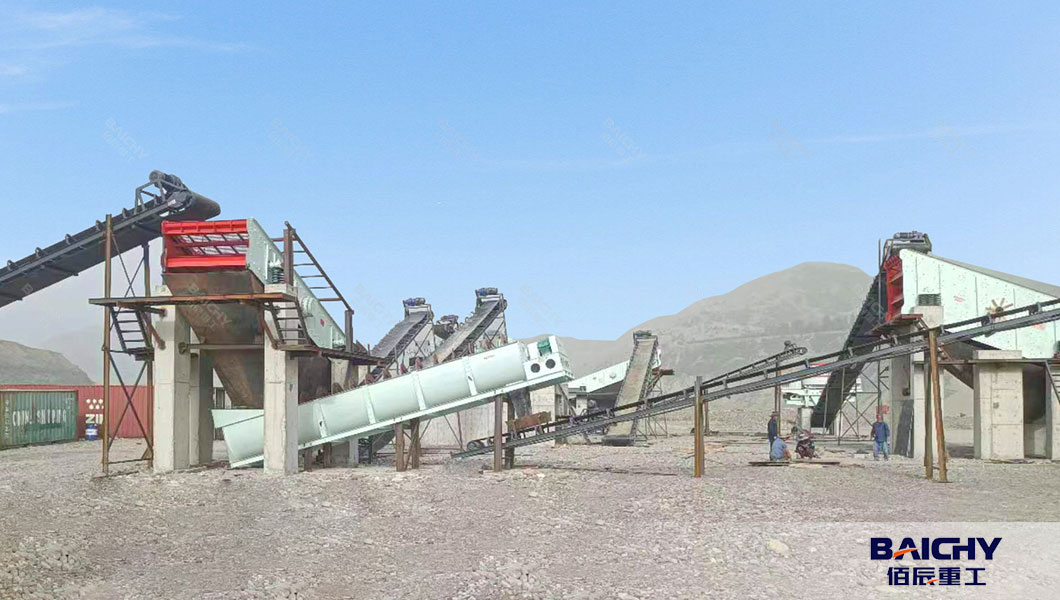
An aggregate spiral sand washing machine plays an important role in improving sand quality in modern aggregate production. By combining washing, classification, and sand conveying functions, it provides a practical solution for removing impurities from natural and manufactured sand. For quarry and sand-making plant owners, choosing the right equipment based on material characteristics and production needs is the key to achieving stable operation and long-term efficiency.




 2026-10-22





 86-15093113821
 86-15093113821