What Equipment Is Used for Aggregate and Concrete Production?
Aggregate and concrete production require different but closely connected equipment systems. Aggregate plants process rock into graded sand and stone, while concrete plants combine these materials with cement, water, and other ingredients to produce concrete.
Aggregate Crushing Equipment
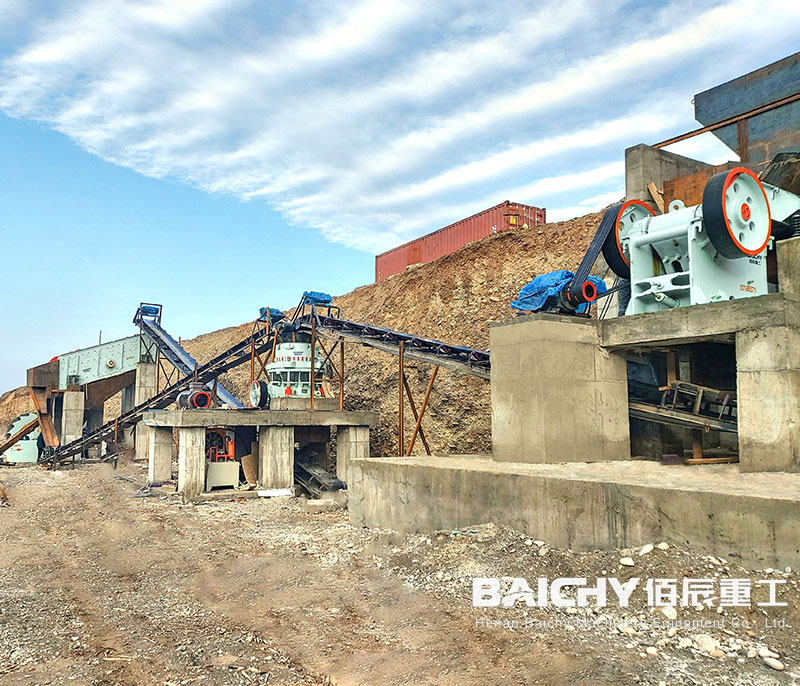
A typical aggregate production line uses several types of crushing equipment, selected according to rock properties, feed size, and required output.
-
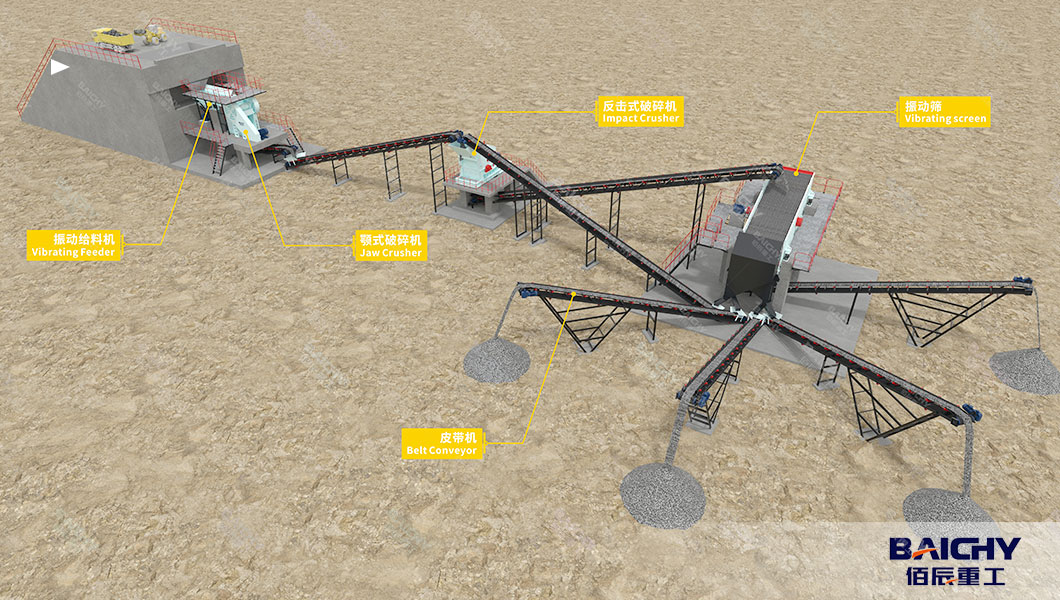
Jaw crusher: Handles primary crushing of large rocks such as granite, basalt, and limestone.
-
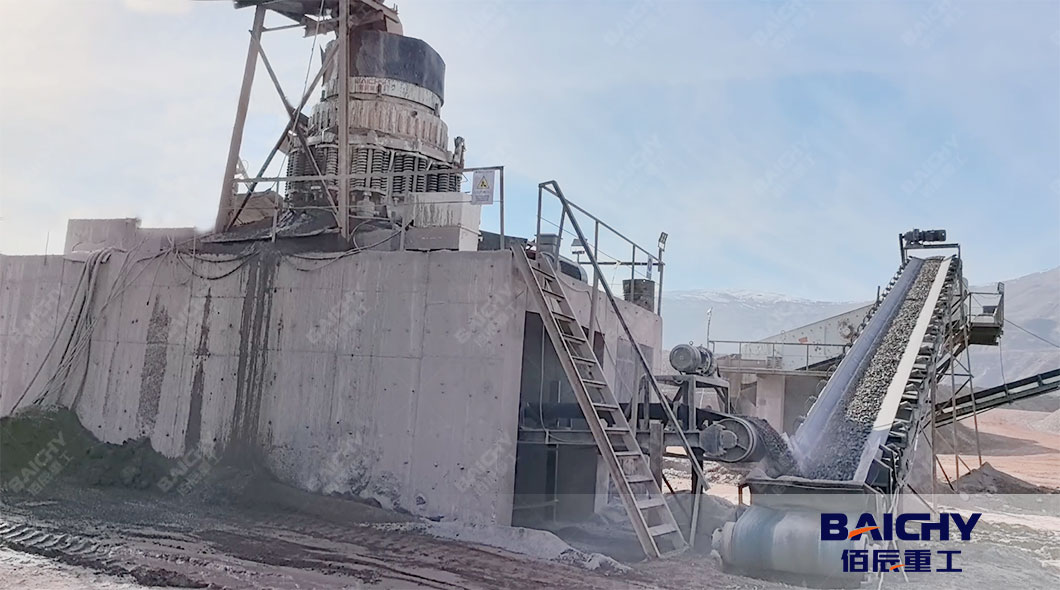
Cone crusher: Reduces hard, abrasive rock to smaller sizes during secondary or tertiary crushing.
-
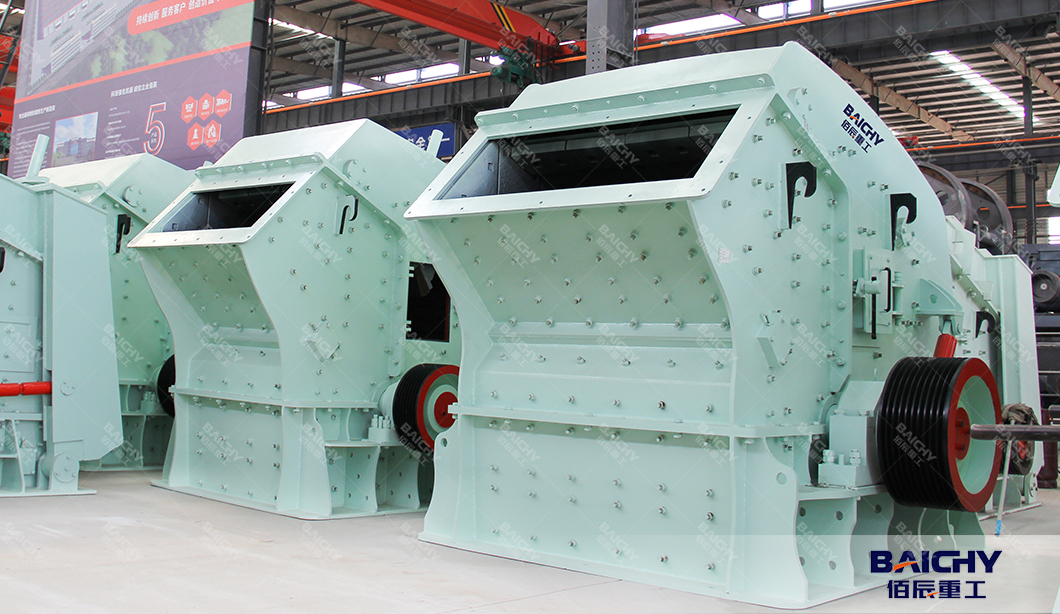
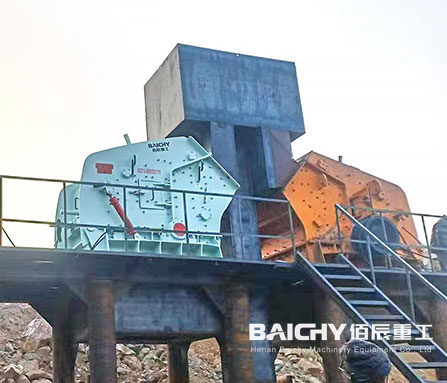
Impact crusher: Processes suitable materials and produces aggregates with a more cubical shape.
-
VSI sand making machine: Produces manufactured sand and improves particle shape when the project requires it.
The correct combination depends on the material. Hard, abrasive granite often suits a jaw crusher followed by a cone crusher, while limestone projects may use an impact crusher for secondary crushing.
Screening, Washing, and Concrete Mixing Equipment
Other equipment prepares the material for its final application.
-
Vibrating screens separate aggregates into different size fractions.
-
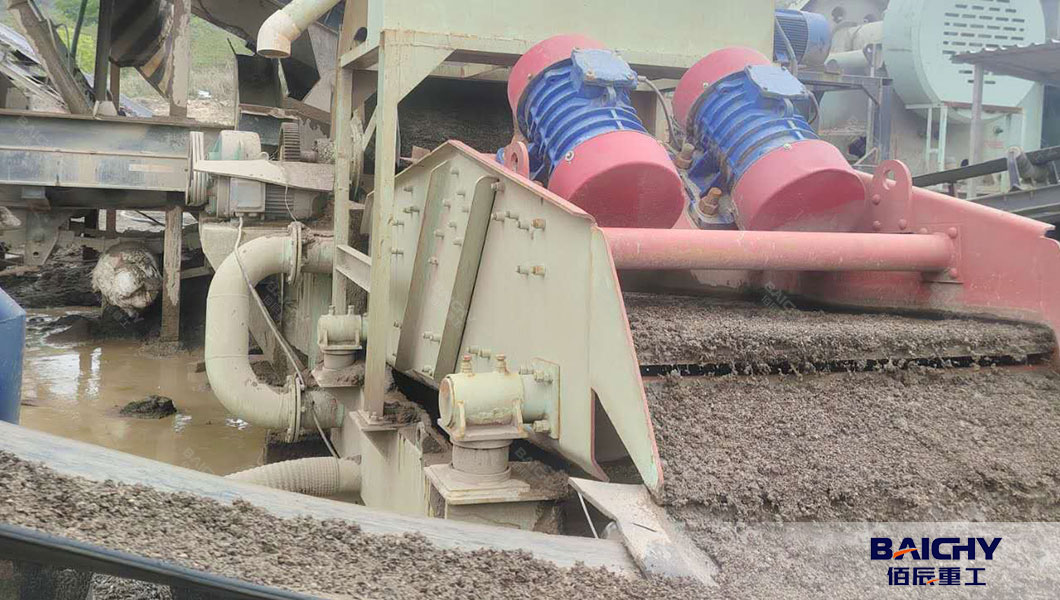
Sand washing machines remove clay, silt, and other unwanted materials when washing is required.
-
Fine sand recovery systems recover usable fine particles from washing wastewater.
-
Concrete batching plant equipment measures aggregates, cement, water, and admixtures before mixing.
-
Concrete mixers combine the ingredients to produce a consistent concrete mixture.
Equipment selection should follow the required product specifications rather than simply the number of machines in a supplier's catalog.
How Does an Aggregate and Concrete Production Line Work?
The production process normally has two stages: manufacturing aggregates and using them in concrete production. Each stage needs sufficient capacity to avoid restricting the entire operation.
Aggregate Crushing and Screening Process
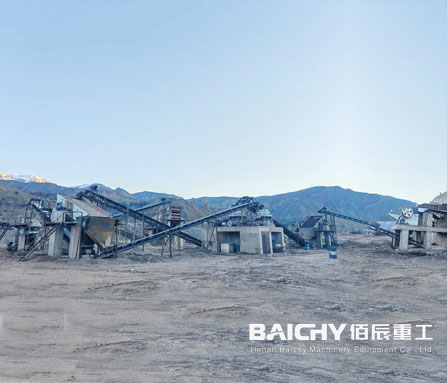
A conventional aggregate crushing plant follows these steps:
-
Feeding: A vibrating feeder delivers raw material to the primary crusher at a controlled rate.
-
Primary crushing: A jaw crusher reduces large rocks to a manageable size.
-
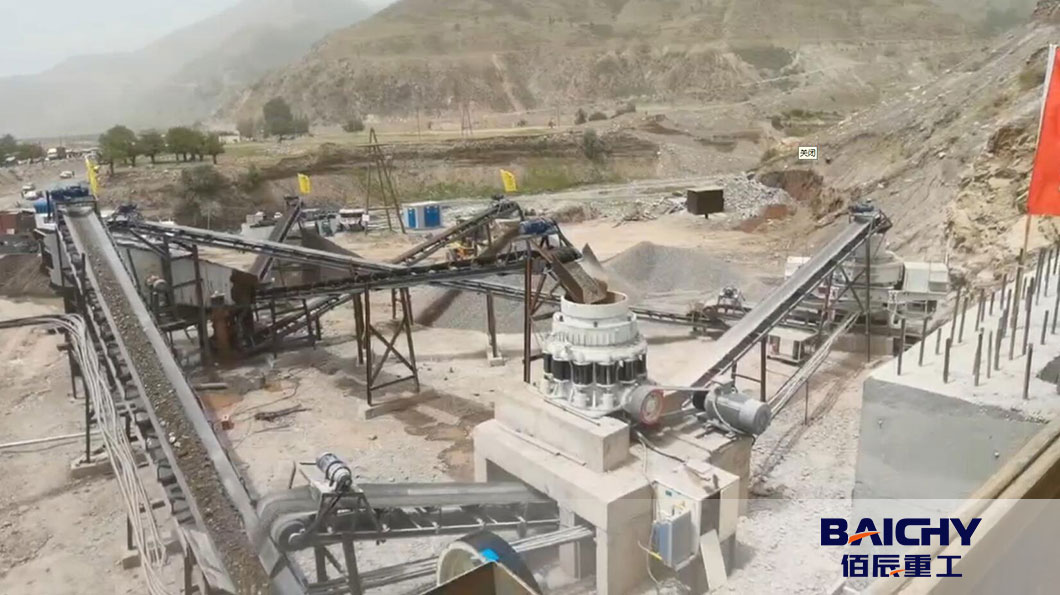
Secondary crushing: A cone or impact crusher reduces the material further.
-
Screening: Vibrating screens separate the crushed material into specified sizes.
-
Recirculation: Oversized particles return to the crusher when a closed-circuit arrangement is used.
-
Stockpiling: Conveyors transport finished aggregates to separate storage piles or bins.
Sand washing and manufactured sand production can be added when the project requires cleaner aggregates or a controlled fine-particle grading.
Concrete Batching and Mixing Process
Concrete production begins when aggregates enter storage bins or hoppers. The batching system measures each ingredient according to the approved mix design.
The plant then combines the aggregates with cement, water, and any required admixtures. Accurate weighing, moisture correction, and mixing control help maintain consistent concrete quality.
Important: The aggregate plant and concrete batching plant do not have to be built together. An existing quarry can supply aggregates to a separate ready-mix concrete plant, provided the material meets the customer's specifications.
How to Choose the Right Production Equipment
The best equipment configuration depends on three primary factors: raw material, required output, and operating conditions.
Match Equipment to Raw Materials and Capacity
Start by identifying the rock type, maximum feed size, required product sizes, and target throughput in tons per hour (TPH).
For example, a plant producing 150 TPH of crushed limestone may need a different configuration from a plant processing highly abrasive basalt at the same nominal capacity.
Before selecting equipment, establish:
-
Raw material type, hardness, and abrasiveness.
-
Maximum feed size and expected feed gradation.
-
Required finished sizes, such as 0–5 mm, 5–10 mm, and 10–20 mm.
-
Target hourly output and daily operating hours.
-
Required sand quality and aggregate grading.
Do not size a complete plant using the primary crusher's rated capacity alone. The actual production rate also depends on downstream equipment, material characteristics, recirculating load, and operating conditions.
Stationary vs. Mobile Crushing Equipment
A stationary crushing plant generally suits long-term quarry operations with stable production requirements. It allows operators to arrange multiple crushing and screening stages around a fixed material flow.
A mobile crushing plant offers greater flexibility for temporary projects, construction sites, and operations that need to move between locations. Tracked units can reduce the need to transport material to a distant fixed plant, depending on site conditions.
Consider site preparation, transport, relocation frequency, maintenance access, and total operating costs before choosing between the two options.
Typical Aggregate and Concrete Production Equipment Configurations
A production line should match the final product requirements, not follow a standard equipment list regardless of the project.
Equipment for Quarry and Concrete Aggregate Supply
A typical hard-rock aggregate line may include:
Vibrating feeder → Jaw crusher → Cone crusher → Vibrating screen → Finished aggregate stockpiles
Oversized material can return to the cone crusher for further reduction. If the project also requires manufactured sand, a sand-making stage and appropriate screening or washing equipment may be added.
For softer limestone, an impact crusher may replace the cone crusher where material properties and product specifications make it suitable.
Equipment for Integrated Aggregate and Concrete Production
An integrated project connects aggregate processing with storage, conveying, and concrete batching equipment.
The aggregate plant produces the required size fractions, which are stored separately and delivered to the batching plant as needed. The batching system then weighs and mixes the materials according to the concrete mix design.
The aggregate plant must supply enough material to meet the concrete plant's actual consumption. Designers should account for the proportions of different aggregate sizes, storage capacity, delivery schedules, and possible production interruptions.
Real Project Example: 300 TPH Bluestone Crushing Plant
Baichy has project information for a 300 TPH bluestone crushing configuration in Mexico, using a YMC116 mobile crushing unit and a YMS20 mobile screening unit.
Project Configuration
The configuration combines crushing and screening equipment to process bluestone into aggregates for construction applications. The crushing unit reduces the incoming rock, while the screening unit separates the material into required size fractions.
For a project of this type, the final configuration should be checked against the feed size, rock properties, target product gradations, and site operating conditions.
Practical Lessons from the Project
This configuration illustrates why crushing and screening should be planned as one system. The crusher must deliver material at a rate the screen can handle, and the screen must separate the products without creating excessive recirculation or bottlenecks.
The 300 TPH figure describes the reported project configuration, not a guaranteed output under every operating condition. Actual production depends on feed characteristics, equipment settings, product specifications, and site conditions.
For a similar project, buyers should provide their raw material details and target aggregate sizes before requesting a final equipment proposal.
How Much Does Aggregate and Concrete Production Equipment Cost?
There is no single price for aggregate and concrete production equipment. The total investment depends on plant capacity, machine types, automation, site conditions, and the scope of supply.
Main Factors Affecting Equipment Costs
Key cost factors include:
-
Equipment configuration: A multi-stage crushing plant costs differently from a single mobile crusher.
-
Production capacity: Higher throughput may require larger machines, additional screens, or more conveyors.
-
Material characteristics: Hard and abrasive rock can increase wear-part consumption and operating expenses.
-
Installation requirements: Foundations, steel structures, electrical systems, and transportation affect project costs.
-
Operating expenses: Electricity, labor, maintenance, and replacement parts contribute to long-term spending.
When comparing quotations, distinguish the price of individual machines from the total cost of a complete production line. Ask suppliers to clarify which equipment, installation services, and auxiliary systems are included.
Planning an aggregate production plant or looking for equipment to supply your concrete batching operation? Your raw materials, target capacity, and required aggregate sizes will determine the right configuration. Contact Baichy Machinery to discuss your project requirements and explore suitable crushing, screening, and sand-making solutions for your application.
Frequently Asked Questions
1. What equipment is needed for aggregate production?
A typical plant needs a feeder, crusher, vibrating screen, and belt conveyors. Depending on the raw material and product requirements, it may also need a secondary crusher, sand-making machine, washing equipment, and fine sand recovery system.
2. What is the difference between aggregate production and concrete production?
Aggregate production crushes, screens, and sometimes washes rock to make sand and stone. Concrete production weighs and mixes aggregates with cement, water, and other ingredients according to a specified mix design.
3. How do I choose the right capacity for an aggregate plant?
Start with the required hourly output, raw material properties, maximum feed size, and finished product specifications. Then check the capacity of every processing stage to identify potential bottlenecks.
4. Can aggregate production equipment be integrated with a concrete batching plant?
Yes. An aggregate plant can supply graded materials to a concrete batching plant through conveyors, storage bins, or other material-handling systems. The two plants should be coordinated according to aggregate demand and concrete production schedules.




 2026-10-23






 86-15093113821
 86-15093113821