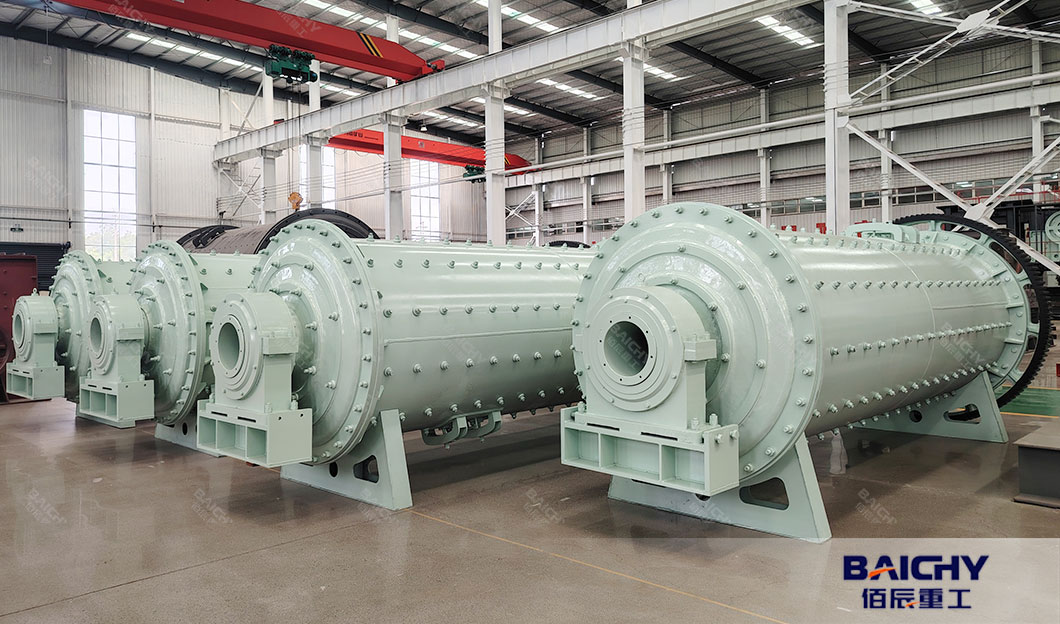
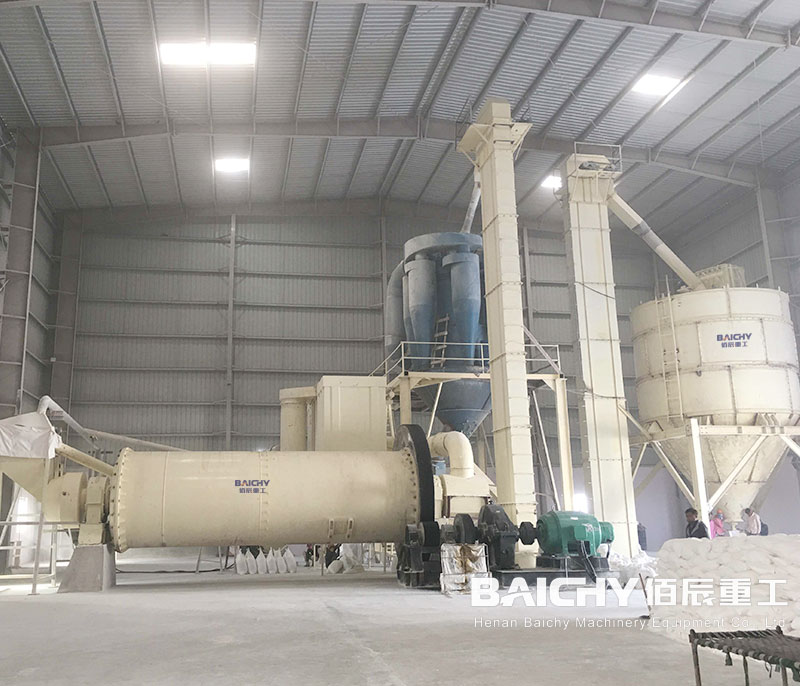
A ball mill is used to grind solid materials into finer particles through the impact and friction of rotating grinding media. It plays a key role in mineral processing, cement production, ceramics manufacturing, and several other industrial applications. The right ball mill depends on the material, feed size, required product fineness, and processing capacity. Understanding these factors helps plant operators choose suitable equipment, control operating costs, and maintain consistent product quality.
1. What Is a Ball Mill Used For?
The primary purpose of a ball mill is particle size reduction. Inside a rotating cylindrical drum, steel or other suitable grinding media lift and tumble, breaking down material through repeated impact and friction.
Ball mills commonly process:
-
Metallic ores: gold, copper, iron ore, and other minerals.
-
Industrial minerals: limestone, gypsum, phosphate rock, and quartz.
-
Construction materials: cement clinker and selected mineral additives.
-
Ceramic materials: feldspar, clay, and glaze ingredients.
A ball mill usually follows a primary or secondary crusher. The crusher reduces large rocks to a manageable feed size, while the ball mill performs finer grinding to meet the requirements of the next processing stage.
For example, a gold processing plant may crush ore before sending it to a ball mill. The mill reduces the ore to a suitable size for mineral liberation, allowing subsequent gravity separation, flotation, or leaching to recover gold more effectively.
2. Seven Common Ball Mill Uses Across Industries
1. Ball Mill Uses in Mining and Mineral Processing
Ore grinding is one of the most important uses of ball mills. In mineral processing plants, the mill reduces crushed ore to a size that allows valuable minerals to separate from the surrounding waste rock.
Typical applications include:
-
Gold ore: preparing ore for gravity separation, flotation, or leaching.
-
Copper ore: grinding feed for flotation and copper mineral recovery.
-
Iron ore: reducing particle size before suitable beneficiation processes.
-
Polymetallic ores: preparing complex ores for downstream separation.
The target particle size must match the mineral's liberation characteristics. Grinding too coarsely may leave valuable minerals locked inside waste rock, while excessive grinding can increase energy consumption and create fine particles that complicate separation.
Practical example: A gold ore plant processing 20 tonnes per hour may evaluate a ball mill based on ore hardness, feed size, target grind, and the recovery process. The required mill size cannot be determined from throughput alone; laboratory grinding tests and process design help establish the appropriate configuration.
2. Ball Mill Uses in Cement Production
In cement manufacturing, cement ball mills grind cement clinker into fine powder, often together with gypsum and other permitted constituents, depending on the cement formulation.
The grinding process affects particle-size distribution, production efficiency, and the final cement's performance. Operators monitor product fineness, mill loading, separator performance, and energy consumption to maintain stable production.
Ball mills can also grind selected cement raw materials. However, the best grinding system depends on plant capacity, material moisture, energy costs, and the required product specifications.
3. Ball Mill Uses in Ceramics and Glass Manufacturing
Ceramice ball mills help prepare fine, consistent powders for ceramic bodies, glazes, and selected glass-related formulations.
Common feed materials include feldspar, quartz, clay, and ceramic glaze ingredients. Grinding can improve particle-size uniformity and help produce a consistent mixture for subsequent forming or firing.
For applications that require strict control of iron contamination, operators should evaluate grinding media and liner materials carefully. The wrong material combination can introduce unwanted impurities into the finished product.
4. Ball Mill Uses in Chemical and Pigment Processing
Certain chemical materials, pigments, and mineral fillers require controlled grinding to achieve their specified particle sizes.
A ball mill can provide repeated contact between the feed material and grinding media, helping reduce particle size and distribute solid ingredients during suitable milling processes.
Equipment selection should account for chemical compatibility, contamination limits, temperature, and explosion or dust hazards where applicable. Not every pigment or chemical product is suitable for conventional steel-ball milling; the process may require specialized media, liners, or alternative equipment.
5. Ball Mill Uses in Fertilizer and Phosphate Processing
Ball mills can grind phosphate rock and selected mineral feedstocks used in fertilizer production.
In phosphate processing, the required grinding fineness depends on the downstream process and the characteristics of the ore. Some plants use ball milling to prepare material for further beneficiation, while other process routes use different grinding equipment.
The key selection factors include ore hardness, feed size, throughput, and the required particle-size distribution. These factors determine whether a ball mill fits the process better than other grinding systems.
6. Ball Mill Uses in Power Generation
Specialized ball-tube mills can grind coal into fine particles for combustion in certain power-generation systems.
As the mill rotates, grinding media reduce the coal to a powder that can be transported and burned in the boiler. Operators must control feed rate, product fineness, temperature, and ventilation.
Coal grinding also involves combustible dust and fire or explosion risks. Systems require appropriate engineering controls and operating procedures, so a conventional mineral-processing ball mill should not automatically be considered suitable for coal applications.
7. Ball Mill Uses in Building Materials and Industrial Powders
Ball mills also process selected materials such as gypsum, limestone, slag, and other industrial minerals.
Their role varies by application. A mill may prepare a mineral powder for a downstream process, grind a material to a specified fineness, or support a closed-circuit production system with a classifier.
Before choosing a mill, confirm the intended product size and production rate. Some applications are better served by vertical mills, Raymond mills, or other grinding technologies, particularly when drying requirements or energy efficiency strongly influence the decision.
3. How Does a Ball Mill Work?
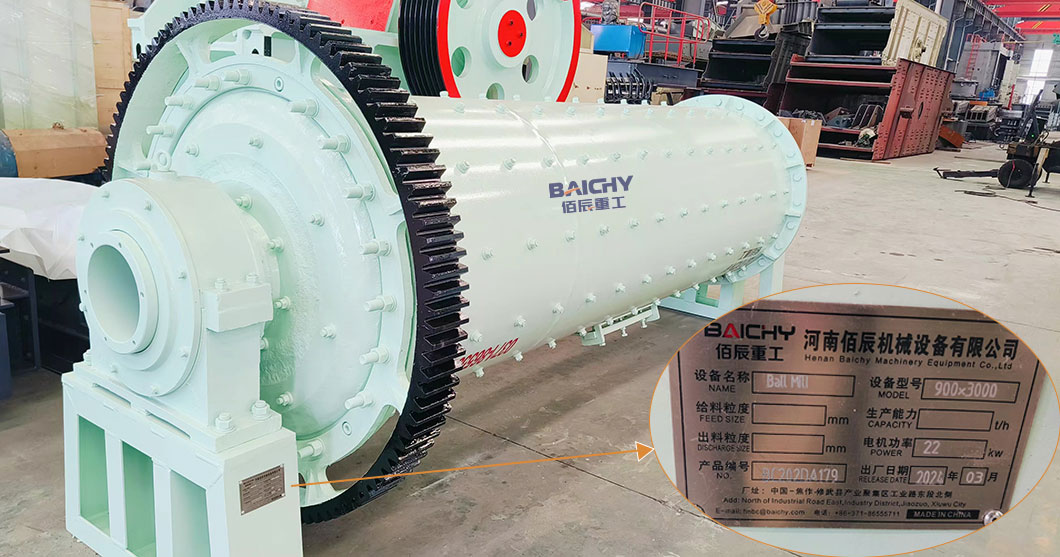
A ball mill reduces particle size through impact and attrition. As the cylindrical shell rotates, the grinding media rise and fall, repeatedly striking and rubbing the material.
The basic process follows four steps:
-
Feeding: Crushed material enters the mill at a controlled rate.
-
Grinding: Rotating steel balls break down particles inside the drum.
-
Discharging: Ground material leaves through the mill's discharge system.
-
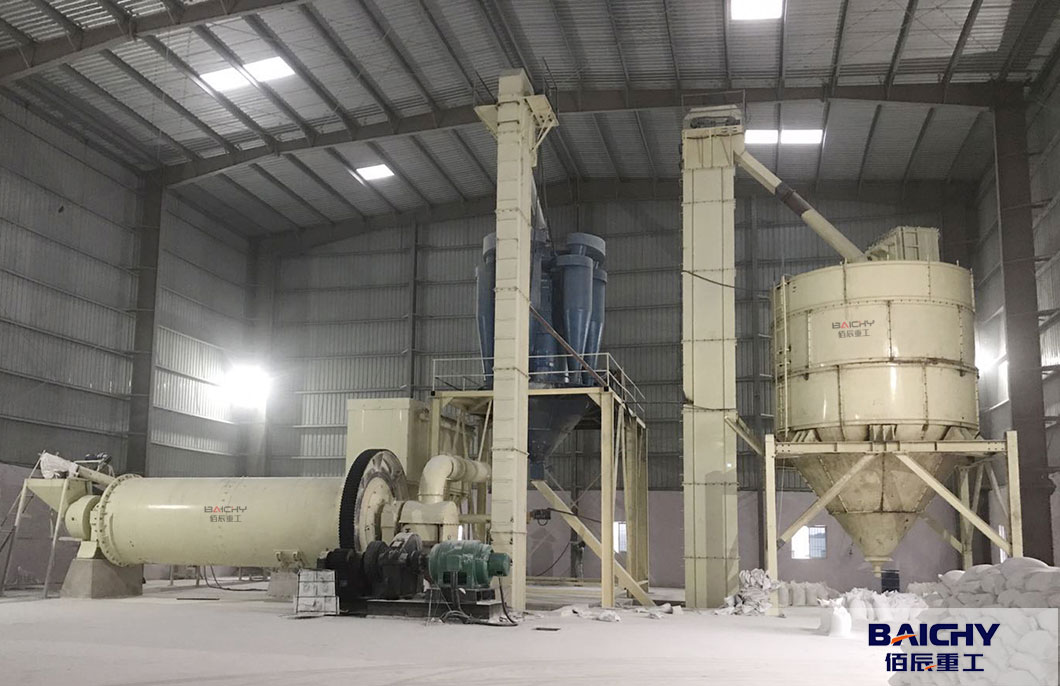
Classification: A classifier or hydrocyclone separates particles by size when the process uses a closed grinding circuit. Coarse particles return for further grinding.
Wet Grinding vs. Dry Grinding
| Factor |
Wet Ball Mill |
Dry Ball Mill |
| Grinding medium |
Water or another suitable liquid |
No added process liquid |
| Typical use |
Ore beneficiation and slurry processing |
Cement and dry powder production |
| Main consideration |
Slurry handling and dewatering |
Dust collection and ventilation |
How to choose: Wet grinding often fits mineral-processing circuits that feed flotation or leaching. Dry grinding suits processes that require dry powder or must avoid adding water. The choice should follow the entire process flow, not the mill alone.
4. How to Choose the Right Ball Mill
Choosing a ball mill requires more than matching the machine to a target tonnage. Feed properties and required product fineness directly affect grinding performance and capacity.
Before requesting a quotation, prepare these five details:
-
Material: Identify the ore or industrial material and its hardness.
-
Feed size: Specify the typical feed size and maximum particle size.
-
Required fineness: Define the target particle size for the next process.
-
Capacity: State the required throughput in tonnes per hour.
-
Grinding method: Confirm wet or dry operation and the downstream process.
For example, a plant processing 20 TPH of gold ore may need a different grinding configuration from a plant producing 20 TPH of limestone powder. Even at the same throughput, differences in hardness, target fineness, and process requirements can change the equipment specification.
For reliable selection, use representative material samples and grinding tests where appropriate. These help engineers estimate the required grinding power, mill dimensions, and circuit configuration.
5. What Are the Main Advantages and Limitations of Ball Mills?
Ball mills offer several practical advantages:
-
Versatile applications: Suitable designs can process many ores and industrial materials.
-
Flexible operation: Wet and dry configurations support different production requirements.
-
Process integration: Mills can operate with classifiers and other equipment in closed-circuit systems.
However, operators must also manage electricity consumption, grinding-media wear, liner replacement, and noise. Poorly matched operating conditions can reduce throughput or produce excessive fines.
Regularly monitor motor power, feed rate, product fineness, bearing temperature, and abnormal vibration. Comparing these records over time helps identify performance changes before they cause prolonged downtime.
The right ball mill should match your material, production target, and downstream process. A suitable configuration can help maintain product quality while controlling grinding and maintenance costs. Are you planning a new grinding plant or upgrading an existing production line? Contact Baichy Machinery to discuss your material, feed size, target fineness, and required capacity. Our team can help you evaluate a suitable ball mill and grinding solution for your project.
Frequently Asked Questions About Ball Mill Uses
1. What materials can a ball mill grind?
Ball mills can grind gold ore, copper ore, iron ore, limestone, gypsum, cement clinker, quartz, and ceramic raw materials. Suitability depends on material properties, feed size, target fineness, and equipment design.
2. What is the main use of a ball mill in mining?
Its main role is to grind crushed ore to a suitable size for mineral liberation and downstream recovery. The ground ore may then undergo flotation, gravity separation, magnetic separation, or leaching.
3. What is the difference between wet and dry ball milling?
Wet milling uses liquid to form a slurry, while dry milling operates without added process liquid. Wet milling often suits ore beneficiation; dry milling suits applications that require a dry product.
4. How do I choose the right ball mill capacity?
Start with the required tonnes per hour, then evaluate feed size, ore hardness, target fineness, and operating conditions. Grinding tests and process calculations help establish a suitable mill size and power requirement.




 2026-10-30






 86-15093113821
 86-15093113821