A ball mill is an essential piece of heavy machinery in mineral processing and building material production. Its main job is simple but vital: taking crushed rocks and turning them into a fine, valuable powder. When setting up a new plant, size matters. A 10 TPH (Tons Per Hour) ball mill hits the perfect sweet spot. It is a highly efficient, small-to-medium scale grinder that offers incredible performance without breaking your equipment budget. This complete guide will explain the core specifications, top applications, and how to choose the best 10 TPH ball mill for your business.
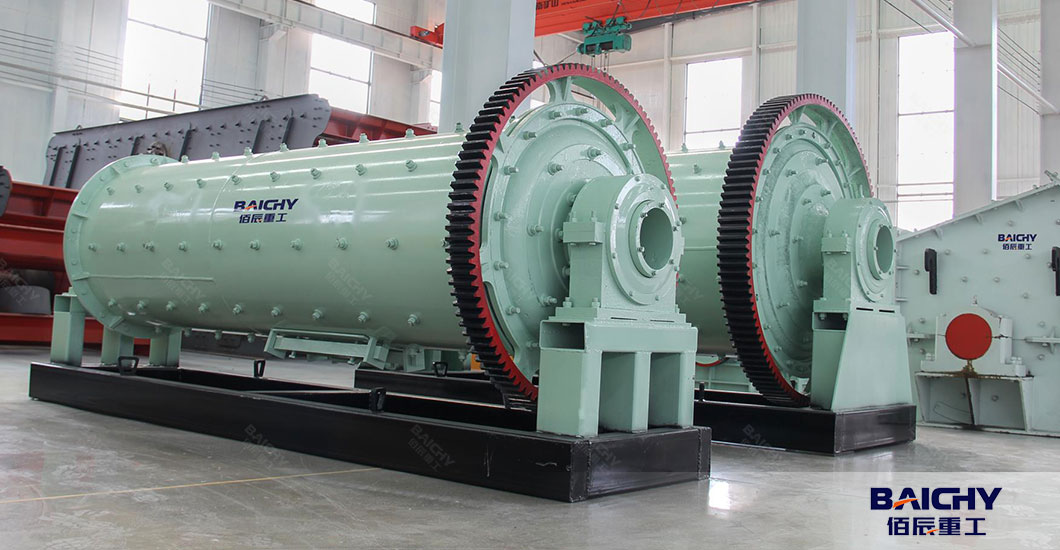
Core Specifications of a 10 TPH Ball Mill
When purchasing an industrial grinder, understanding the technical specifications is critical to your plant's success. A standard 10 TPH ball mill, such as the popular 1.5m x 3m model, features a massive steel cylinder that is roughly 1.5 meters in diameter and 3 meters long. Inside this heavy rotating drum, you typically load between 1.5 to 3 tons of forged steel grinding balls.
This powerful machine usually requires a robust motor, often ranging from 90 kW to 110 kW, to continuously turn the heavy cylinder at a steady speed of 27 to 30 revolutions per minute (RPM). It easily accepts pre-crushed rocks that are 20mm to 25mm in size. Through violent impact and grinding friction, the machine can aggressively reduce these rocks down to an adjustable output size as fine as 0.074mm (200 mesh).
Top Applications for a 10 Ton Per Hour Ball Mill
Because of its incredibly versatile design, a 10 TPH ball mill is widely used across several different heavy industries. Its ability to process hard, abrasive materials makes it highly sought after by mining engineers and factory managers around the globe. Here are the three most common and profitable applications for this specific size of grinding machine.
1. Gold Ore and Mineral Processing
In the mining industry, recovering precious metals is impossible without ultra-fine grinding. A 10 TPH wet ball mill is the absolute perfect choice for processing gold, copper, and iron ores. By mixing water with the crushed rock, the mill creates a fine, flowing slurry. This perfectly ground slurry is then pumped directly into hydrocyclones and flotation tanks, ensuring maximum mineral recovery.
2. High-Purity Quartz and Glass Making
Producing high-purity quartz sand for glassmaking or advanced electronics requires extreme precision. Any iron contamination from the grinding process will instantly ruin the final product. To solve this, a specialized 10 TPH quartz ball mill is completely lined with silica or high-alumina ceramic plates instead of steel. This clever design guarantees the quartz powder remains perfectly pure and bright white.
3. Cement Clinker Grinding
A 10 TPH ball mill is highly effective in the building materials sector, especially for small-scale cement plants. It serves as an excellent finishing mill. The machine takes hard, nodular cement clinker and smoothly grinds it together with gypsum to produce high-quality Portland cement. Its highly reliable, continuous operation ensures a steady flow of building materials for local construction projects.
Dry vs. Wet Grinding: Which is Right for 10 TPH?
When choosing a 10 TPH ball mill, you must decide between a dry or wet grinding system. A wet ball mill uses water to create a slurry. This method is highly energy-efficient, produces zero airborne dust, and is the absolute standard for metal ore beneficiation. The water helps cool the machine and moves the fine particles out of the chamber much faster.
Conversely, a dry ball mill operates entirely without water. It is strictly required when moisture would ruin the material, such as when grinding cement clinker or specific chemicals. However, dry grinding always creates massive amounts of stone dust. Therefore, a dry ball mill must be heavily equipped with an expensive, industrial-grade dust collection and ventilation system to keep the factory safe and clean.
Pricing and Investment: How Much Does a 10 TPH Ball Mill Cost?
Investing in a 10 TPH ball mill is a major financial decision for any business. Because these machines are highly customizable, prices can vary drastically. Depending on the brand, the thickness of the steel shell, and the quality of the motor, a new unit typically costs between $20,000 and $50,000 USD.
However, you must remember that the sticker price is not your final cost. You must also budget for the heavy steel grinding balls, wear-resistant inner liners, and the electrical control cabinet. To get the absolute best return on your investment, always buy directly from a reputable manufacturer. Factory-direct purchasing eliminates expensive middleman markups and guarantees you receive high-quality, reliable machinery.
A 10 TPH ball mill is an incredibly smart investment for startup mining companies, specialized quartz producers, and small cement plants. It delivers powerful, continuous grinding performance while remaining highly affordable and easy to maintain. By carefully matching the machine's specifications to your specific raw material, you can instantly boost your production and maximize your daily profits.
Are you looking for a reliable, energy-saving 10 TPH ball mill for your mining or cement plant? Do not settle for inefficient equipment that slows down your business. Contact Baichy Machinery today! Our expert engineering team will provide a customized technical solution and a highly competitive, factory-direct quote tailored perfectly to your project needs.
Frequently Asked Questions (FAQ)
Q1: How much power does a 10 TPH ball mill consume?
A: A standard 10 TPH ball mill typically requires a main motor ranging from 90 kW to 110 kW. The exact electricity consumption depends on the hardness of your raw material and your target output size. To help lower your daily operating costs, modern mills use advanced, energy-saving roller bearings that reduce mechanical friction and save up to 30% in power.
Q2: How many steel grinding balls do I need to load into the machine?
A: For a 10 TPH machine (which is usually a 1.5m x 3m cylinder), you will need an initial load of approximately 1.5 to 3 tons of forged steel balls. To achieve the best crushing efficiency, you must use a carefully calculated mixture of large, medium, and small balls. As the steel naturally wears down over time, you will simply add new balls to maintain peak performance.
Q3: How fine can a 10 TPH ball mill grind my rocks?
A: This machine is highly effective at producing an ultra-fine powder. Depending on the specific hardness of your ore, a 10 TPH ball mill can easily grind crushed gravel down to an output size of 0.074 mm (200 mesh) or even finer. You can easily adjust this final fineness by slightly changing the feed rate or altering the size of the steel balls inside the drum.




 2026-09-29





 86-15093113821
 86-15093113821