Gypsum (CaSO₄·2H₂O) is a soft mineral with Mohs hardness of 2, making it ideal for roller grinding. However, traditional ball mills often cause over-grinding, wasting energy and reducing throughput. The market now demands:
● Finer powders (200–1250 mesh) for plaster, drywall, and cement additives
● Lower energy consumption per ton
● Reduced maintenance downtime
Selecting the right mill can cut your energy costs by 20–40% and improve product uniformity. Below are the three best options, ranked by application fit.
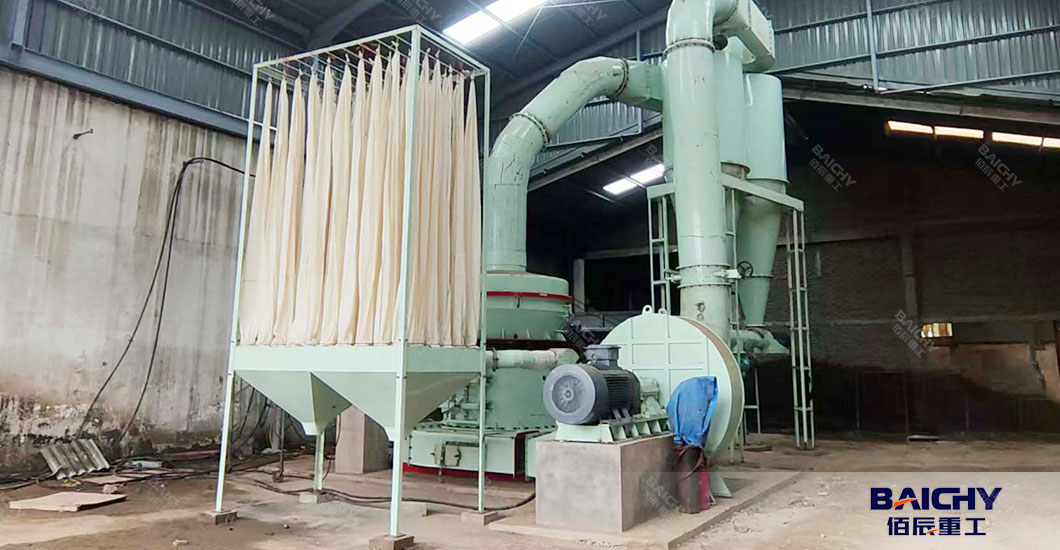
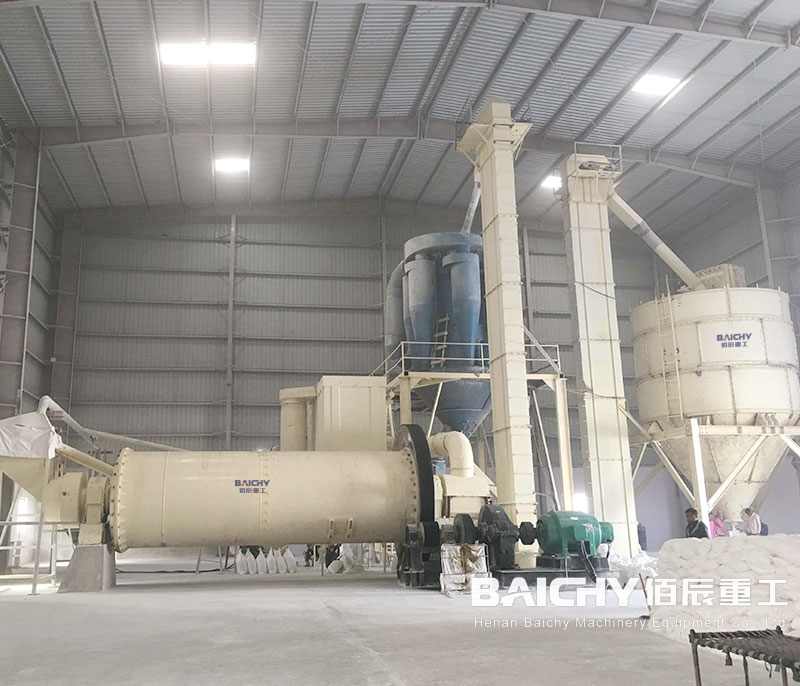
The Raymond mill (also called Raymond roller mill) appears in 7 of top 10 SERP results for gypsum grinding. It combines grinding, classifying, and (optionally) drying in one machine.
Fineness range: 80–400 mesh (adjustable)
Capacity: 1–9 t/h (for 4R3216 model)
Suitable moisture: <6%
Hardness limit: Mohs <5 (gypsum at 2 is ideal)
Roller-to-ring contact produces minimal over-grinding compared to ball mills
Integrated air classifier eliminates external screening equipment
Low wear cost – grinding rollers last 300–500 hours on gypsum
Small to medium producers (5,000–50,000 tons/year)
80–200 mesh gypsum powder for cement retarder or basic plaster
Operations with limited floor space
Lower efficiency below 200 mesh vs. ultrafine mills
Requires manual roller adjustment every 200–300 hours

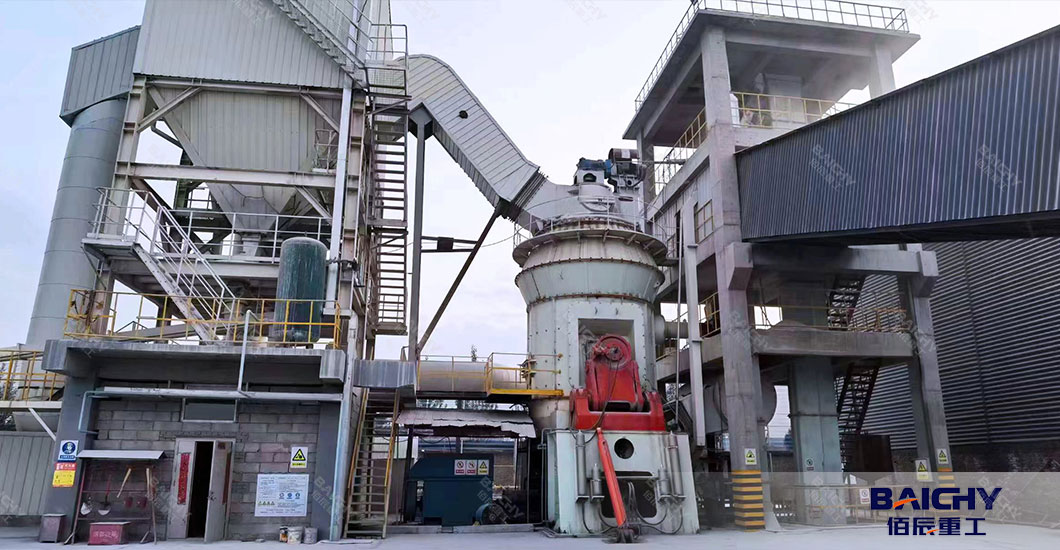
Vertical roller mills are rapidly replacing ball mills in large gypsum plants. According to SERP Position 5 (cementl.com), VRMs offer 20–30% lower energy consumption than Raymond mills at scale.
Fineness range: 200–600 mesh
Capacity: 10–50 t/h
Drying capacity: Can dry gypsum from 15% moisture to <1%
Power consumption: 18–22 kWh/t (vs. 25–30 kWh/t for Raymond)
Integrated drying – uses waste heat to dry FGD gypsum (synthetic gypsum from power plants)
Hydraulic roller pressing – higher grinding pressure per unit area
Dynamic classifier – sharper particle size distribution (PSD)
Large-scale plasterboard plants ( >100,000 tons/year)
FGD gypsum (synthetic, often wet) requiring drying
Energy-conscious operations with access to cheap electricity or waste heat
Higher initial capital cost (2–3x Raymond mill)
Requires skilled maintenance for hydraulic system

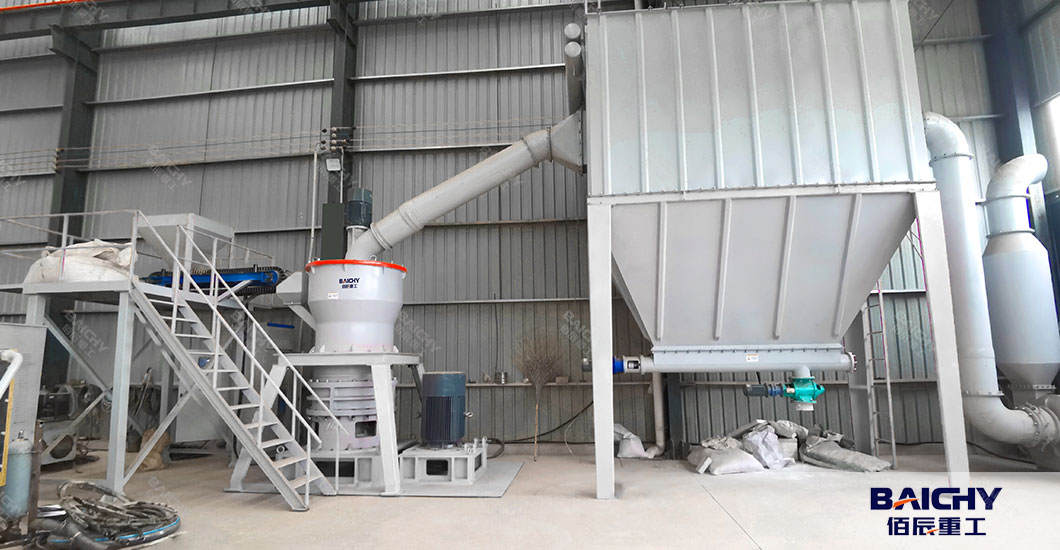
For gypsum powder below 400 mesh (e.g., 600–1250 mesh fillers), the ultrafine mill is the only efficient option. SERP Position 1 highlights “SCM Ultrafine Mill (45-5μm)” as a leader in this category.
Fineness range: 400–1250 mesh (down to 5 microns)
Capacity: 0.5–4.5 t/h
Multi-stage classification: 2–3 air classifiers in series
Material suitability: Gypsum, calcite, talc (Mohs <4)
Ring-roller milling with turbo classifier – achieves D97 <10μm without extra equipment
Pulse dust collection – captures 99.9% of fine powder, minimizing waste
No heat generation – crucial for gypsum (which can dehydrate to bassanite above 120°C)
High-gloss paint filler or premium joint compound production
Pharmaceutical or food-grade gypsum
Operations where powder whiteness and uniformity command premium pricing
Lowest throughput among the three options
Highest energy per ton (30–40 kWh/t for 800 mesh)
More frequent liner changes

A (from SERP Position 3): Yes. Raymond mills produce less over-grinding and consume ~30% less energy than ball mills for the same 150-mesh gypsum powder. Ball mills only make sense if you also need to grind harder materials.
A: No. Raymond mills require feed moisture <6%. Above that, use a vertical roller mill with an integrated drying chamber, or pre-dry the gypsum.
A: Ultrafine mill with ceramic rollers (optional upgrade). Metal contact in Raymond or VRM can cause slight grey discoloration above 600 mesh.
Save Time! Get A Detailed Quotation Quickly.