The MTW175 Trapezium Grinding Mill is a high-efficiency grinding equipment widely used in limestone processing. Designed to meet the growing demand for fine limestone powder in construction, chemical, and industrial applications, this mill combines advanced technology with energy-saving performance. Choosing the right grinding mill is crucial for limestone processing. A high-quality mill ensures uniform powder size, consistent production, and reduced operating costs. With the MTW175, operators achieve all these benefits and more, making it a preferred choice for modern limestone plants.
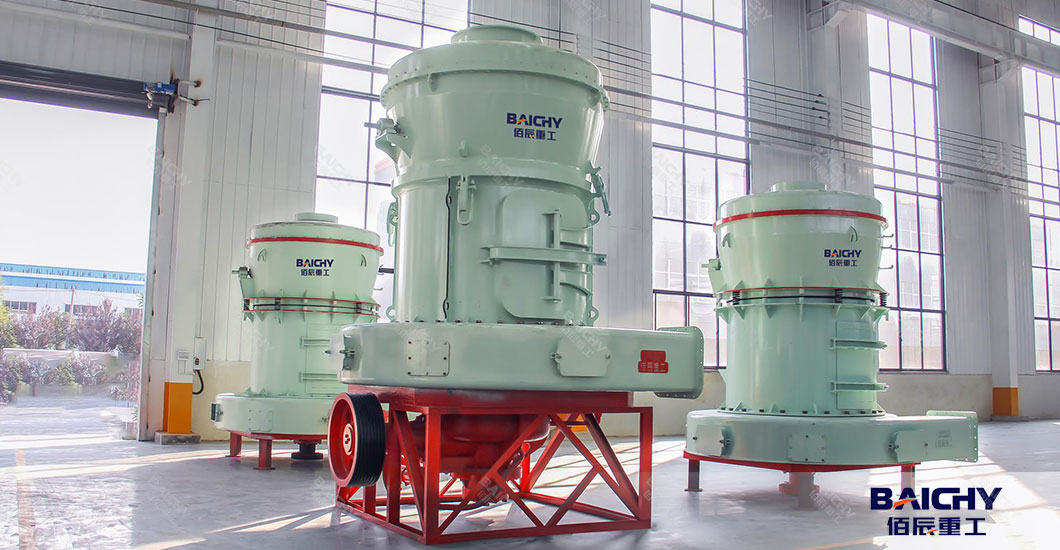
Technical Specifications of MTW175 for Limestone
To understand why the MTW175 outperforms competitors, let’s break down its key technical parameters and configurations:
● Basic Parameters (Limestone-Specific)
● Feed size: 30-40 mm (compatible with standard jaw crusher output)
● Finished fineness: 0.038-1.6 mm (120-2500 mesh, adjustable without part replacement)
● Output capacity: 20-35 T/H (13-23.8 T/H for 150-325 mesh, the most common range for limestone)
● Rated power: 117.5-397 KW (varies by fineness and output requirements)
● Applicable material humidity: Up to 8% (suitable for high-humidity limestone in rainy regions)
Core Configuration & Technology
The MTW175’s performance is driven by four innovative components:
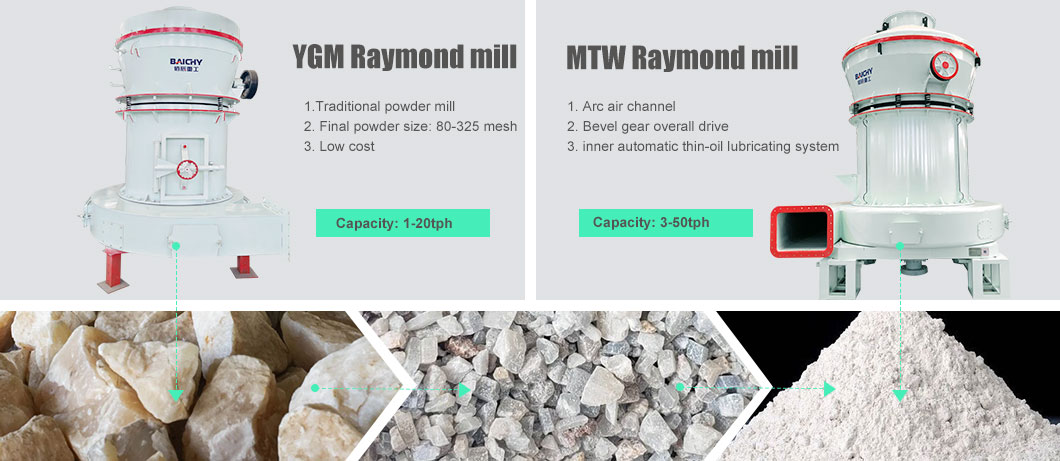
● Bevel gear integral transmission: Reduces energy loss by 15% compared to belt transmission, ensuring stable power transfer for continuous grinding.
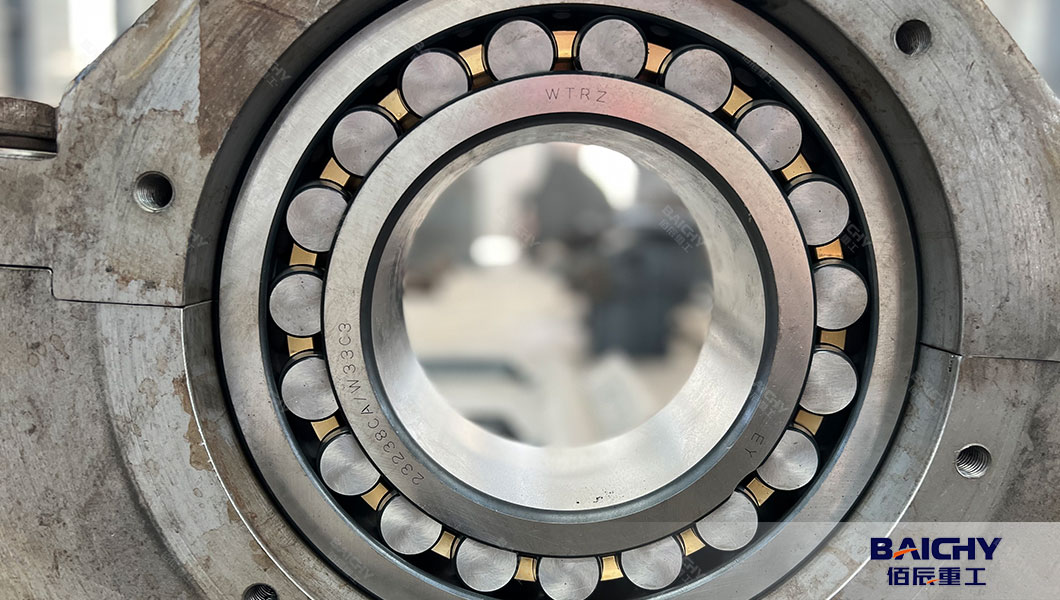
● Internal thin oil lubrication system: Automatically controls oil temperature and flow, extending bearing life by 300% and simplifying maintenance.
● Arc air duct design: Lowers air resistance by 19% (vs. traditional straight ducts), accelerating material flow and improving classification efficiency.
● PLC intelligent control: Enables remote monitoring of output, fineness, and equipment status, with automatic alerts for potential issues.
6 Core Advantages of MTW175 for Limestone Processing
The MTW175 is an upgrade grinding mill for limestone grinding plant. Here are its six standout benefits:
1. High Efficiency & Large Output
Equipped with grinding roller linkage pressure-boosting technology and an arc air duct, the MTW175 delivers 20% higher output than traditional Raymond mills and 30% higher than ball mills. For example, when processing 325-mesh limestone (ideal for power plant desulfurization), it achieves 13-15 T/H—far exceeding the 8-10 T/H of a standard Raymond mill. The secret lies in its optimized material-to-material grinding principle, which mimics the efficiency of column mills while maintaining finer fineness .
2. Energy Saving & Low Operational Cost
With an energy consumption of just 31.5 KWh/ton, the MTW175 cuts energy costs by 34.4% compared to traditional mills (48 KWh/ton for Raymond mills, 55+ KWh/ton for ball mills). Its thin oil lubrication system also extends the oil change cycle to 1,800 hours (vs. 500 hours for traditional mills), reducing maintenance expenses by 40%. For a medium-sized limestone plant processing 100,000 tons annually, this translates to $80,000+ in energy savings alone.
3. Eco-Friendly Performance (Meets Global Standards)
Environmental compliance is non-negotiable in limestone processing—and the MTW175 delivers. It features a pulse dust collector with a 99.99% dust removal rate, resulting in emissions of less than 10 mg/m³ (well below EU and US EPA limits of 30 mg/m³). Additionally, its low-noise design (72 dB(A)) is 20-30 dB quieter than ball mills, creating a safer working environment. This makes it ideal for urban or eco-sensitive areas where noise and dust pollution are strictly regulated.
4. Stable & Durable for Long-Term Operation
Limestone grinding requires equipment that can withstand continuous use—and the MTW175’s 16MnCr5 alloy grinding rollers are built for durability. This high-strength material resists wear even after 1,800 hours of operation (vs. 2 weeks for traditional mill rollers). The mill’s robust structure also minimizes vibration, ensuring consistent fineness (±3% D80) —a critical factor for calcium carbonate production, where particle size uniformity directly impacts product quality.
5. Versatile Application (No Part Replacement Needed)
One of the MTW175’s biggest advantages is its flexibility. It can adjust fineness from 80 mesh (0.2 mm) to 425 mesh (0.038 mm) without changing grinding parts—covering all key limestone applications:
80-200 mesh: Construction materials (cement, concrete)
120-150 mesh: Calcium carbonate (plastic, paint)
325 mesh: Power plant desulfurization
It also handles high-humidity limestone (up to 8%) without clogging—solving a common problem in regions with frequent rainfall.
6. Economic Investment & Small Footprint
The MTW175 costs less and smaller floor space than a ball mill. For small to medium-sized enterprises, this means lower upfront investment and reduced factory rental costs. Its modular design also allows for easy expansion—you can add additional mills to scale output as your business grows.
Limestone Processing Process with MTW175
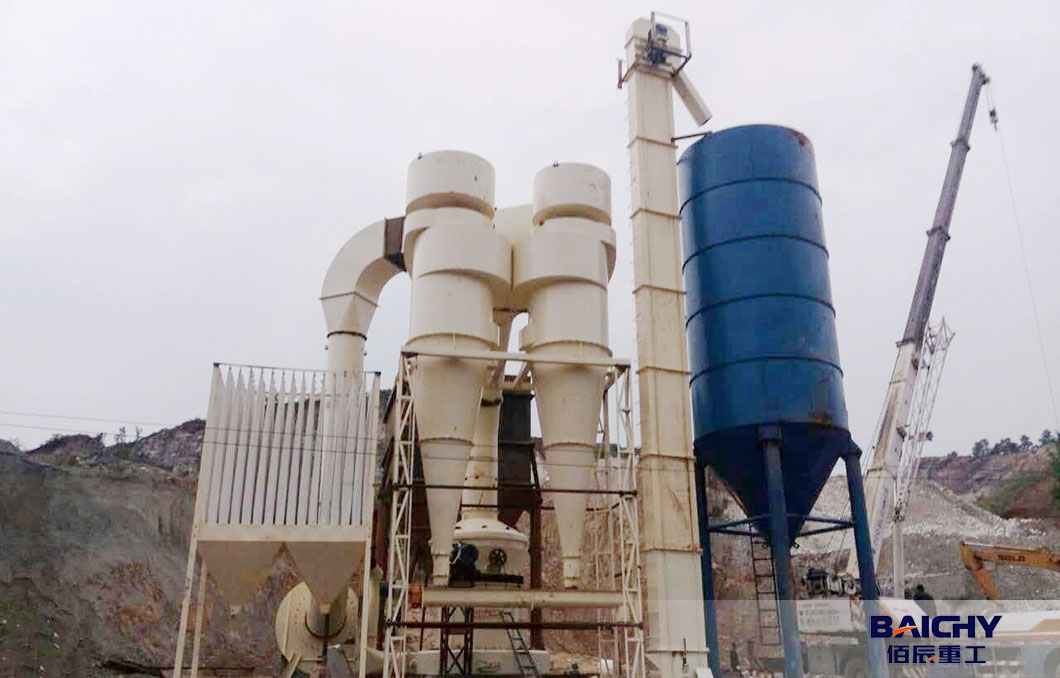
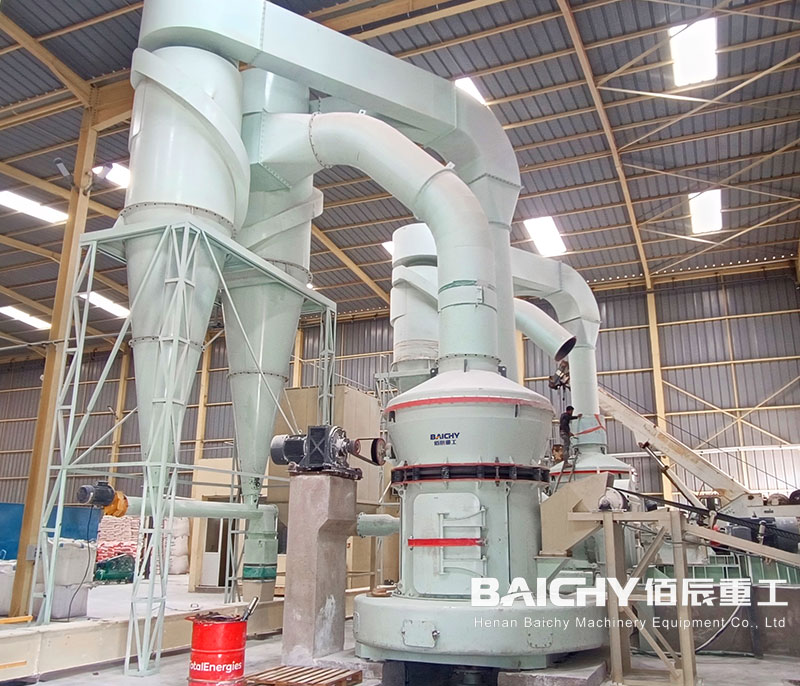
The Ryamond mill MTW175 operates as part of a complete limestone processing system, optimized for efficiency and simplicity:
Complete System Composition
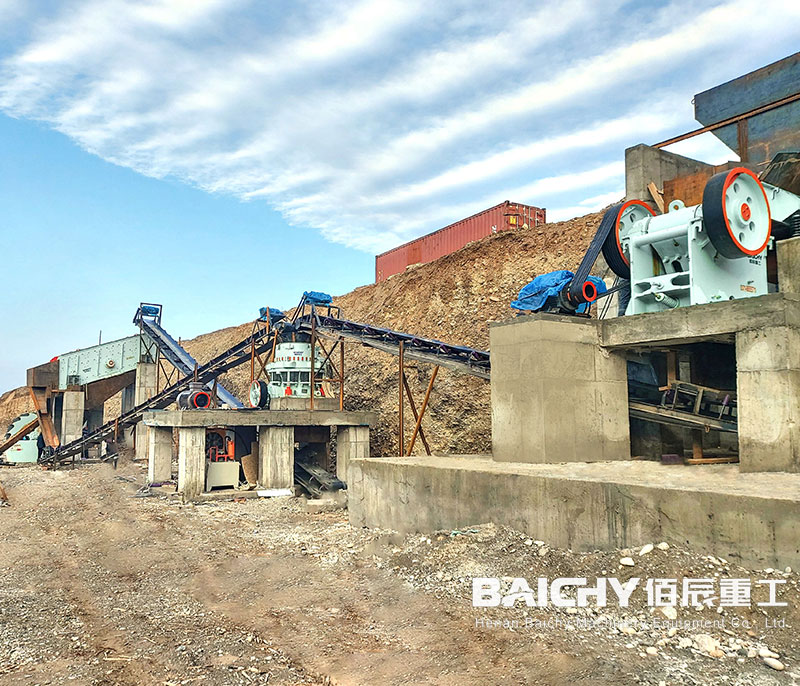
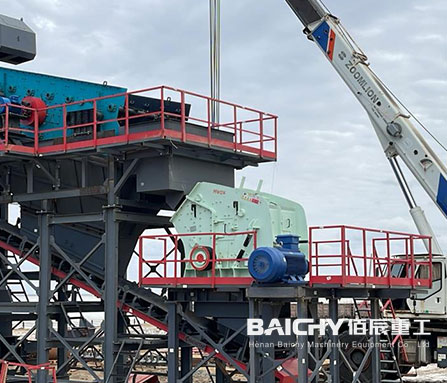
● Jaw crusher: Reduces raw limestone (50-100 mm) to 20-25 mm feed size.
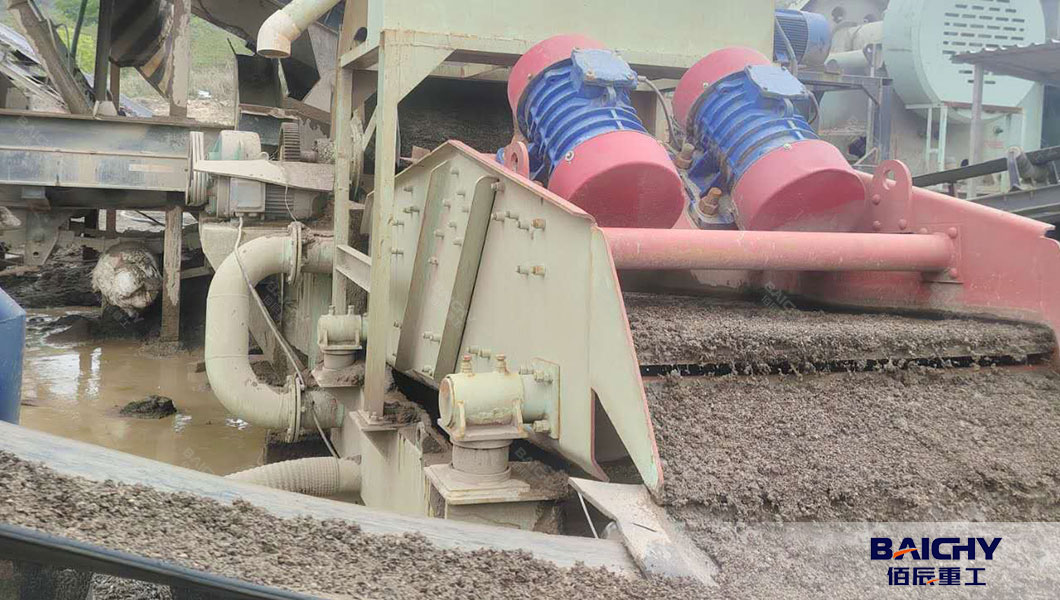
● Vibrating feeder: Uniformly feeds material into the main mill, preventing overload.
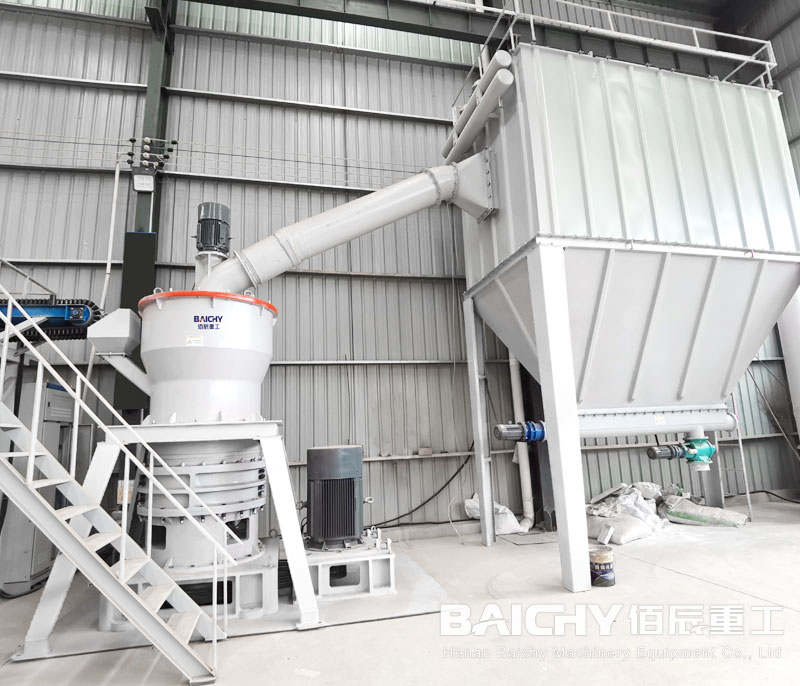
● MTW175 main mill: Grinds limestone into powder using the roller-ring system.
● Turbo classifier (PLC-controlled): Separates powder by fineness, returning oversize particles for re-grinding.
● Pulse dust collector: Captures 99.99% of dust, ensuring clean emissions.
● Cyclone collector: Collects finished powder, which is then stored or packaged.
Workflow Optimization for Limestone
The system’s arc air duct and non-resistance air inlet volute work together to create smooth airflow, reducing material buildup and improving classification accuracy. For desulfurization limestone, this ensures the final product meets the critical particle size distribution (0.1-1.0 mm, 60%+ passing 0.5 mm) required for CFB boiler efficiency . The PLC control system also allows operators to adjust fineness in real time—no manual intervention needed.
Real-World Application Case: Ethiopia Limestone Powder Plant
A leading Ethiopian building materials supplier deployed one set of MTW175 trapezium grinding mill to produce 80-200 mesh limestone powder for cement, concrete, and road construction—supporting the country’s infrastructure boom. Operating 24/7, the mill delivers 14.2 T/H (6% above target) even with 6-7% humidity limestone, producing uniform powder that boosts concrete strength by 12%. With 99.99% dust removal (7.8 mg/m³ emissions) and 71 dB(A) low noise, it meets local environmental standards while cutting annual energy costs by $70,000. Over 18 months, it maintained 98.5% uptime, supplying 180,000+ tons of powder for highways and affordable housing projects.
Maintenance for Limestone Raymond Mill Plant
Proper maintenance is key to maximizing the MTW175’s lifespan and performance. Here’s a practical guide:
Routine Maintenance Checklist
● Grinding roller/ring inspection: Every 500-800 hours, check for wear. Replace when the roller diameter is reduced by 10 mm or the ring thickness by 8 mm.
● Oil change: Replace lubricating oil every 1,800 hours (or as indicated by the PLC system). Use ISO VG 46 hydraulic oil for optimal performance.
● Air duct cleaning: Clean the arc air duct and cyclone collector every 3 months to prevent powder accumulation, which can reduce airflow and output.
● Filter replacement: Change the pulse dust collector filters every 6 months to maintain 99.99% dust removal efficiency.
Ready to Upgrade Your Limestone Grinding Line?
● Get a customized solution: Our team will design a complete processing line tailored to your output, fineness, and budget.
● Free test grinding: Send us your limestone sample, and we’ll provide a detailed performance report (output, fineness, energy consumption).
● Plant design support: Receive 3D layout drawings and installation guidance to minimize downtime.
Contact us today to learn how the MTW175 can transform your limestone processing—save costs, boost output, and stay ahead of the competition!




 2026-10-22





 86-15093113821
 86-15093113821