Crushing gold ore is a crucial step in gold mining. By reducing large ore chunks into smaller particles, the crushed material becomes suitable for the subsequent milling and gold extraction processes. Choosing the right type of gold crusher can improve operational efficiency and enhance gold recovery rates. Therefore, understanding the different types of crushers is essential for selecting the best equipment for your mining operations.
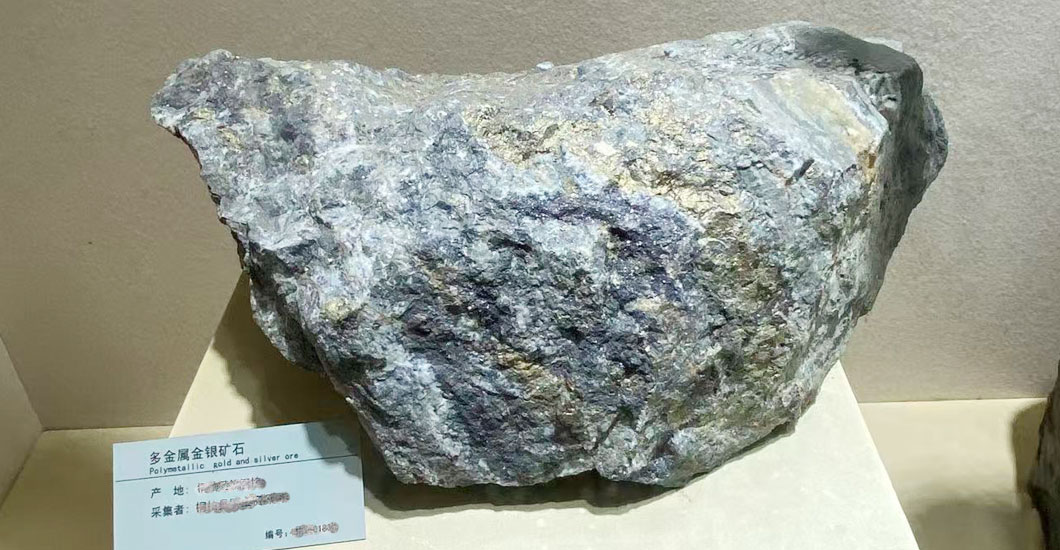
Types of Gold Ore Crushers
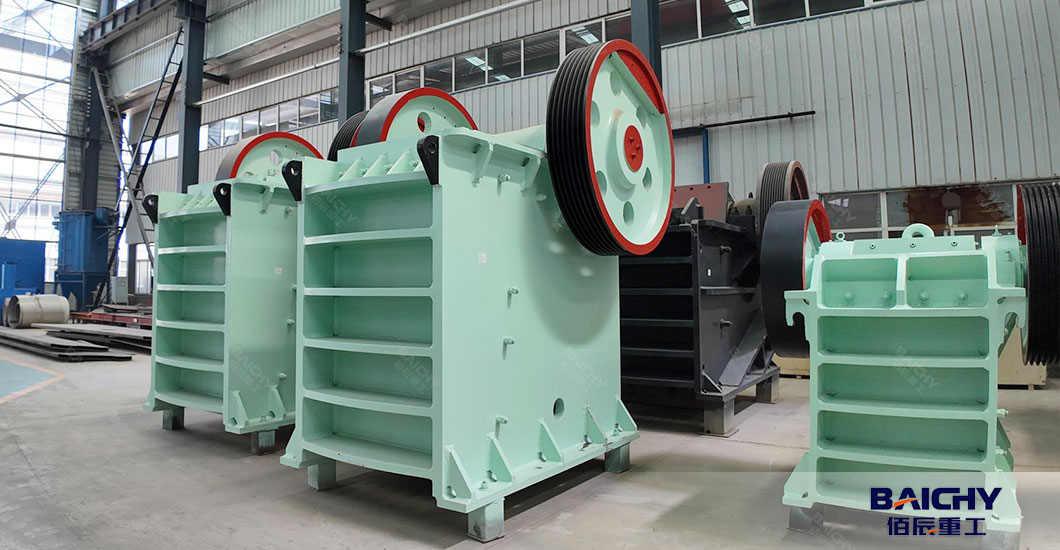
Jaw Crusher
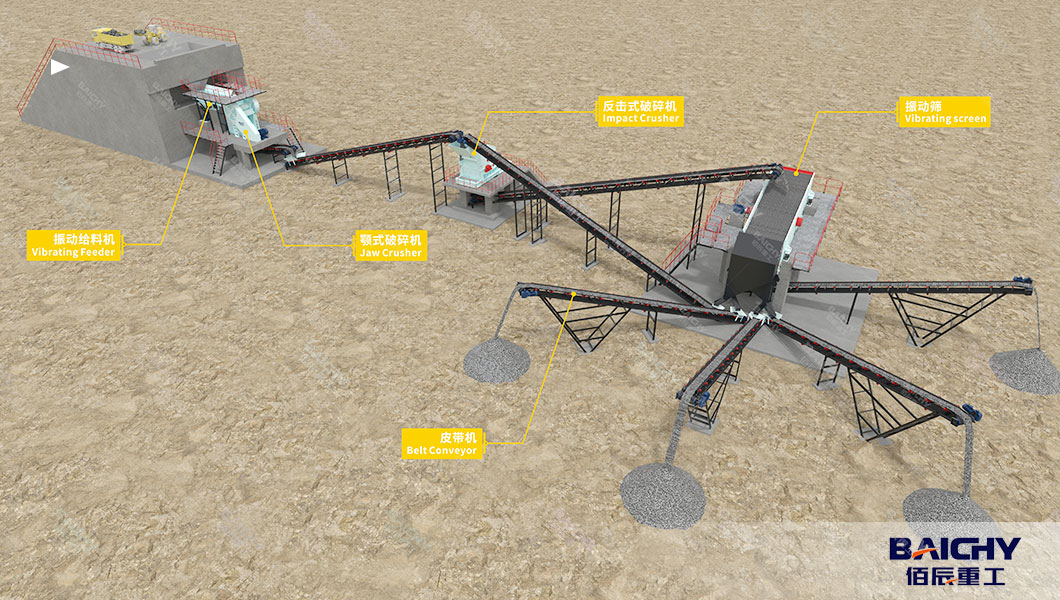
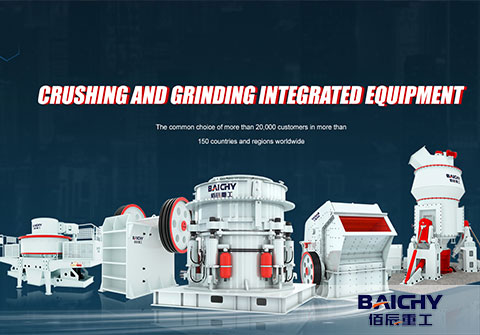
The jaw crusher is commonly used for primary crushing in gold ore processing. It uses a pair of jaws—one fixed and one movable—that compress the ore to break it into smaller pieces. Jaw crushers are ideal for handling hard ores, such as gold-bearing rock, as they can process large volumes of material with a high throughput rate. This crusher type is widely used in the first stage of gold ore crushing, where large chunks need to be reduced to manageable sizes.
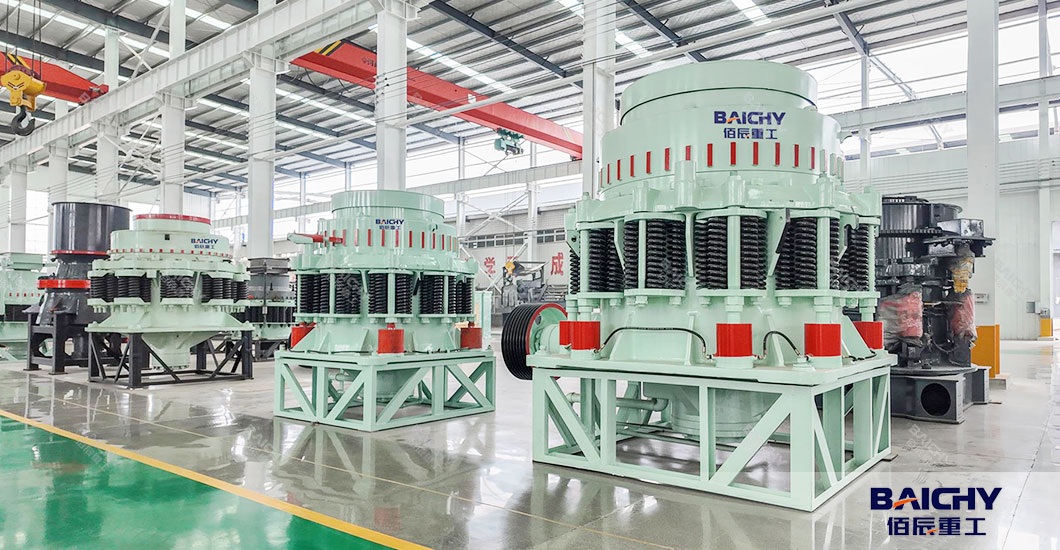
Cone Crusher
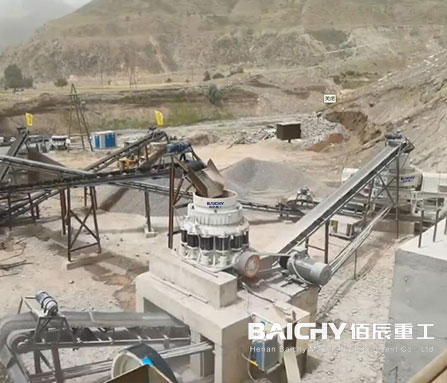
Cone crushers are typically used for secondary and tertiary crushing stages in gold ore processing. They work by compressing the ore between a rotating cone and a fixed outer surface. The cone crusher produces finer particles and is highly efficient for crushing medium to hard ores. This crusher type is suitable for refining the size of material already crushed by a jaw crusher or for fine crushing harder ore in the later stages of processing.
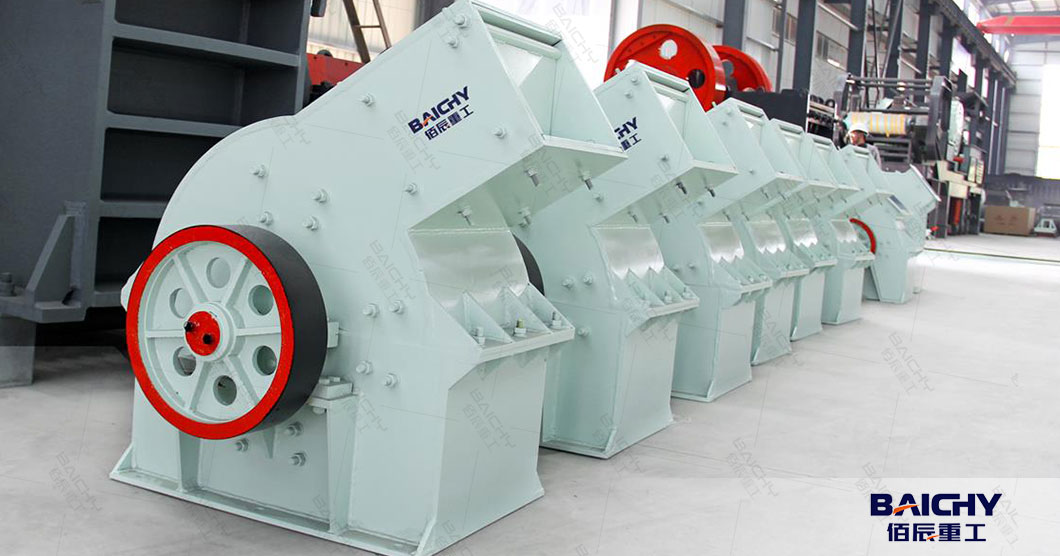
Hammer Crusher
The hammer crusher is used primarily in the first stage of gold ore crushing, particularly for soft or medium-hard ores. It works by striking the ore with rapidly rotating hammers, breaking the material into smaller pieces. While hammer crushers are efficient in handling softer ores, their primary disadvantage is that they are not as effective on hard ores. This crusher is ideal for initial crushing in smaller-scale operations where lower hardness gold ores are processed.
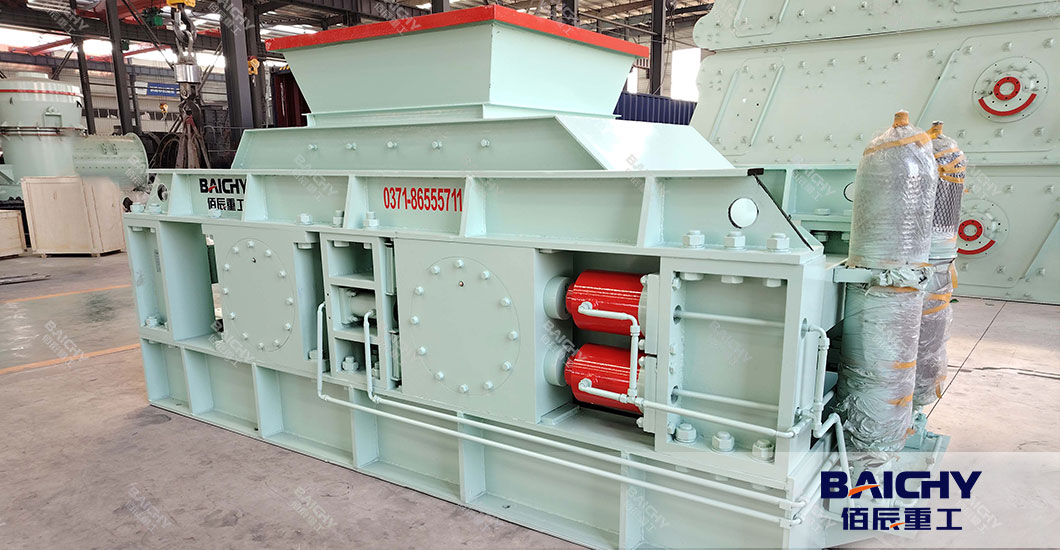
Roll Crusher
Roll crushers are suitable for the secondary crushing stage, particularly in processing gold ores that are wet or soft. They use two cylindrical rollers to crush the ore through compression. Roll crushers are not as common as other crushers but can be effective in specific conditions, such as smaller mines or where low throughput is required. Their ability to crush wet ores makes them particularly useful in certain gold ore processing applications.
How to Choose the Right Gold Ore Crusher
Selecting the appropriate gold ore crusher depends on several factors, including the hardness of the ore, the required output size, and the processing stage. For example, jaw crushers are excellent for primary crushing because they can handle large, hard chunks of ore. Cone crushers, on the other hand, are better suited for secondary and tertiary crushing, as they produce finer material. Hammer crushers are ideal for soft ores in the first stage, while roll crushers are effective in handling wet or soft ores. Consideration of these factors will ensure the optimal crusher choice for your specific gold ore processing needs.
Pros and Cons of Different Gold Ore Crushers
Jaw Crusher: Pros and Cons
● Pros:
Jaw crushers are known for their high throughput capacity, making them ideal for primary crushing of large gold ore chunks. They are simple in design, which ensures easy maintenance and minimizes downtime. This makes them well-suited for large-scale gold ore processing, as they can handle hard, abrasive materials effectively and reliably in challenging conditions.
● Cons:
However, jaw crushers tend to consume more energy, leading to higher operational costs. They also suffer from wear and tear on components like the jaw plates, increasing maintenance costs. Moreover, jaw crushers are less effective on softer ores, as their crushing mechanism is optimized for harder materials, limiting their versatility.
● Primary Crushing Stage: Jaw crushers are used to break large chunks of gold ore into smaller pieces for further processing.
Cone Crusher: Pros and Cons
● Pros:
Cone crushers are highly efficient, providing finely crushed gold ore with a consistent particle size. They are perfect for secondary and tertiary crushing stages, especially for medium to hard ores. Cone crushers handle large volumes of material with a high crushing ratio, improving throughput and recovery rates in gold ore processing.
● Cons:
Cone crushers are more complex and expensive to maintain compared to jaw crushers. Their intricate design requires regular servicing of internal parts like the bearings and conical mechanism, which can result in higher maintenance costs. Additionally, while effective for medium-hard ores, cone crushers may struggle with extremely hard materials.
● Secondary and Tertiary Crushing Stages: Cone crushers are typically used to refine the size of material crushed by jaw crushers or to handle finer gold ore particles.
Hammer Crusher: Pros and Cons
● Pros:
Hammer crushers are simple, cost-effective, and easy to maintain, making them ideal for small to medium-scale gold ore processing. Their design is straightforward, allowing for quick repairs and minimal downtime. Hammer crushers work well on soft to medium-hard ores, applying high impact forces to break down gold ore efficiently in the primary crushing stage.
● Cons:
The main downside is that hammer crushers are inefficient for hard ores. Their high-impact mechanism struggles with tougher materials, leading to lower processing speeds and potential product quality issues. Moreover, they require frequent maintenance due to wear on hammers and other parts, which can increase operating costs.
● Primary Crushing Stage: Hammer crushers are often used in the first crushing stage, particularly for soft and medium-hard ores in small to medium-scale mining operations.
Roll Crusher: Pros and Cons
● Pros:
Roll crushers are known for their low energy consumption and efficiency when dealing with soft or wet ores. Their simple design is easy to maintain, offering reliability over time. Roll crushers gently crush material with minimal fines generation, which is beneficial in controlling particle size during processing.
● Cons:
However, roll crushers have lower throughput capacity, making them less suitable for large-scale operations. They also perform poorly with hard ores, as their compression-based mechanism isn’t effective on tough materials. For processing harder ores, roll crushers may require more frequent maintenance or alternative equipment for initial crushing stages.
● Secondary Crushing Stage: Roll crushers are used in secondary crushing to handle wet or soft gold ores and reduce material size for further processing.
Gold Ore Crusher Market and Pricing
The price of gold ore crushers varies based on factors such as brand, capacity, and maintenance requirements. Generally, higher-capacity and more advanced crushers come with a higher upfront cost, but they offer better long-term value through greater efficiency and durability. When selecting a gold ore crusher, it's essential to balance the initial investment with the operational costs, including energy consumption, wear parts replacement, and maintenance. It's important to assess not just the purchase price but also the total cost of ownership to ensure the chosen crusher meets both budget and operational needs.
Choosing the right gold ore crusher is crucial for efficient and cost-effective gold mining operations. Jaw crushers are ideal for primary crushing, handling large and hard ores. Cone crushers excel in secondary and tertiary crushing, offering finer material output. Hammer crushers are best for soft ores in the primary stage, while roll crushers are effective for wet ores. By understanding the strengths and limitations of each crusher type, you can make an informed decision to optimize your gold ore processing and enhance production efficiency.




 2026-10-26





 86-15093113821
 86-15093113821