Gravel processing plants are essential for producing high-quality aggregates used in construction, mining, and various industrial applications. These plants take raw materials such as clay, sand, and rock, and turn them into usable gravel and aggregates for infrastructure projects like roads, buildings, and landscaping. In this article, we will explore how gravel processing works, the equipment used, common challenges, and how to choose the right plant for your needs.
1. Overview of Gravel Processing
Gravel processing is the process of transforming raw materials like sand, clay, and rocks into aggregates that can be used for construction or other industrial purposes. The process involves multiple stages, including extraction, crushing, screening, washing, and sorting. Each of these steps ensures that the final product meets specific quality standards, whether it’s for use in roads, concrete, or other materials.
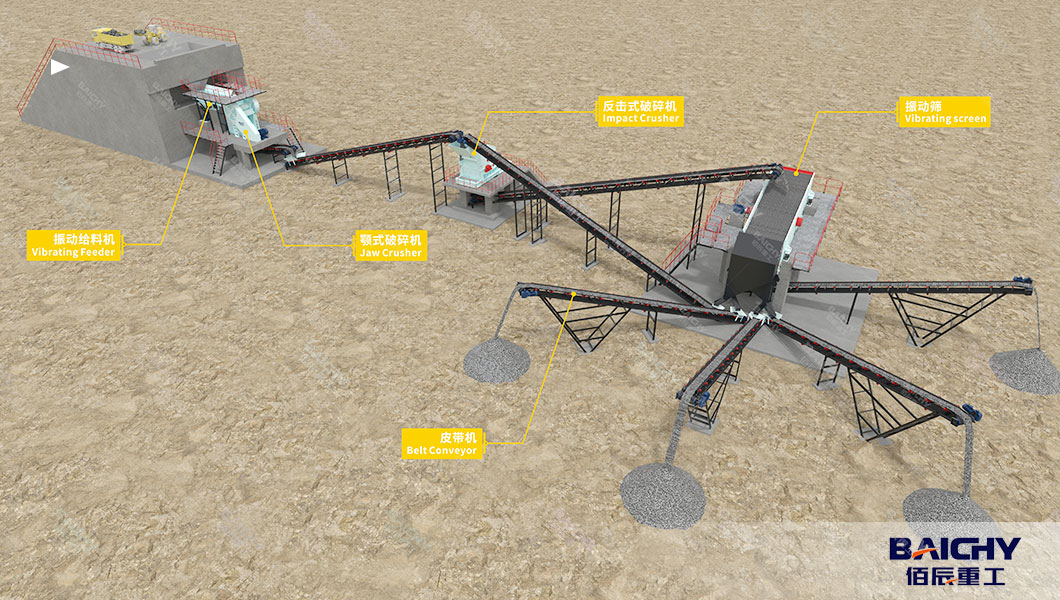
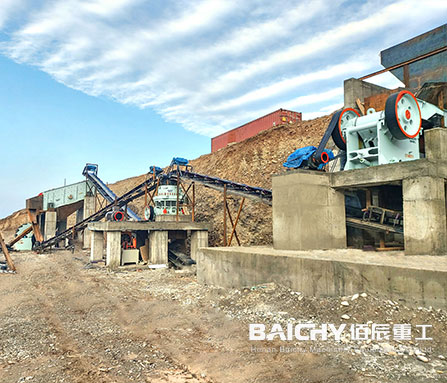
The flow of the gravel processing plant typically follows a straightforward pattern: raw materials are mined, crushed into smaller pieces, screened for size, and washed to remove impurities. The result is a clean, sorted aggregate ready for use in various applications.
2. Key Components of a Gravel Processing Plant
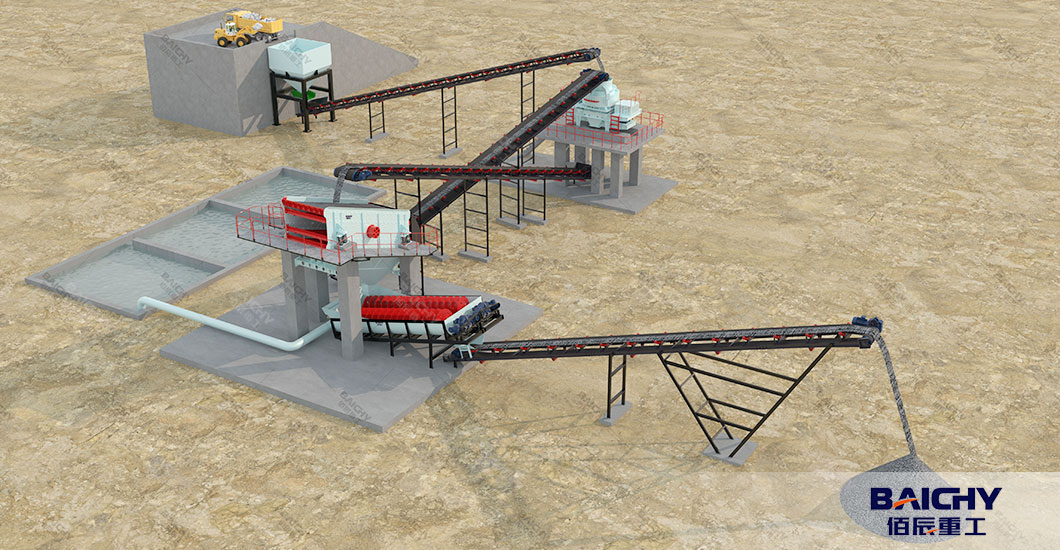
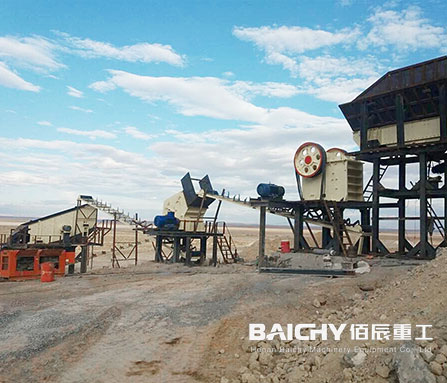
A gravel processing plant is equipped with various machines designed to handle different stages of processing. Here are the key components:
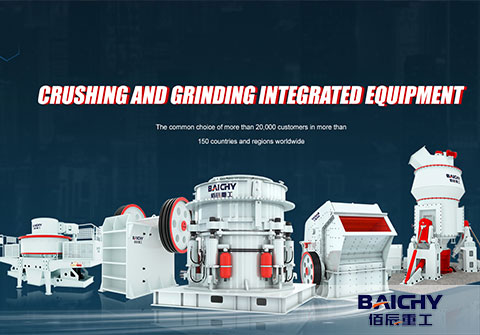
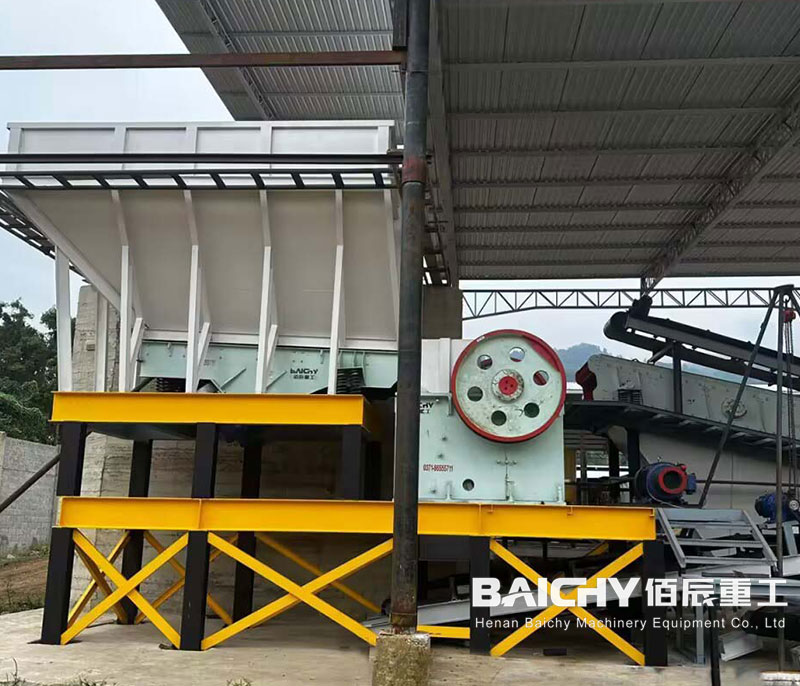
● Crushers: Crushers like jaw crushers, cone crushers, and impact crushers are used to break down large materials into smaller pieces. Jaw crushers are typically used for primary crushing, while cone and impact crushers handle secondary crushing, creating finer particles.
● Screens: Screens are used to sort gravel by size. Vibrating screens, trommel screens, and inclined screens are the most common types used in gravel processing. These machines separate materials into different grades, ensuring the product is the right size for its intended use.
● Conveyors: Conveyor systems are critical for moving material throughout the plant. These belts transport raw materials to crushers, screens, and other equipment, reducing manual labor and increasing efficiency.
● Washers: Gravel often contains dirt, clay, and other contaminants that need to be removed. Washing equipment, such as log washers and rotary scrubbers, is used to clean the gravel, ensuring it meets industry standards for purity.
3. Types of Screening Equipment
Gravel processing requires efficient screening equipment to ensure that materials are sorted into the correct sizes. Here’s a breakdown of the most commonly used screening equipment:
● Vibrating Screens: Vibrating screens are commonly used in gravel processing because they efficiently sort materials into different sizes. They are ideal for dry, non-sticky materials and can handle large volumes of material.
● Trommel Screens: These screens are best suited for wet or sticky materials. They consist of a rotating drum that separates material based on size. Trommels are commonly used when processing muddy or clay-bound gravel.
● Inclined Screens: Inclined screens are used for higher-capacity operations. They can handle large quantities of material and are often used for coarse aggregate screening.
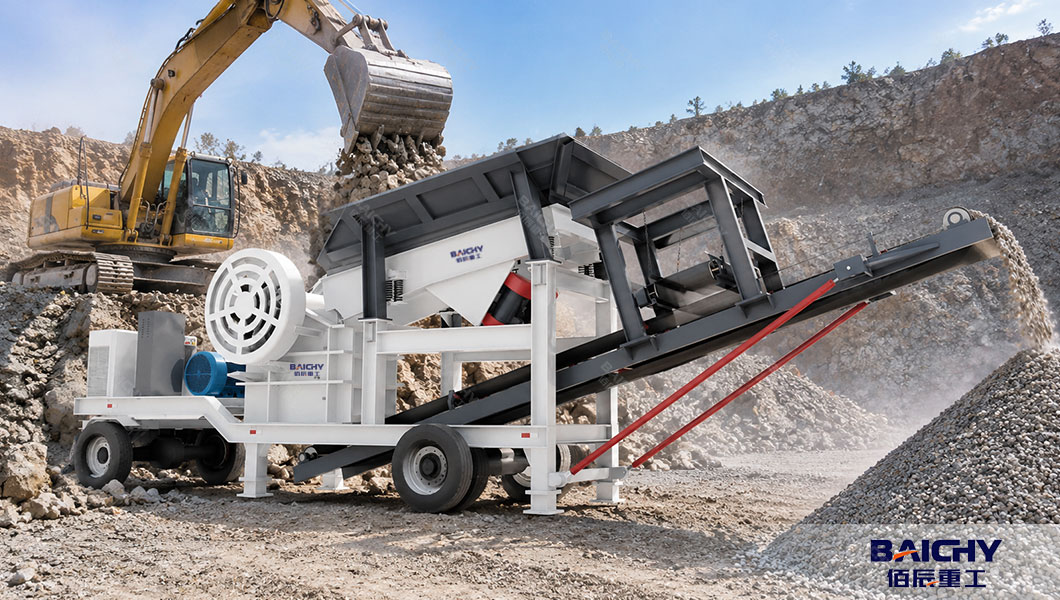
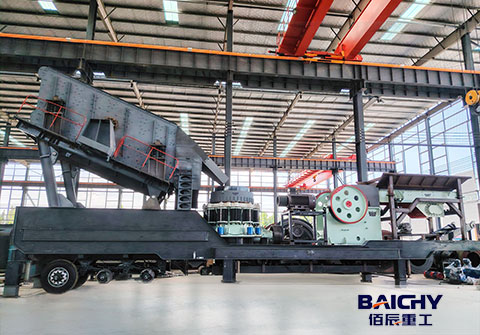
● Mobile Screening Plants: For smaller operations or sites where flexibility is important, mobile screening plants are an excellent choice. These portable units allow for on-site processing, reducing transportation costs and improving overall efficiency.
4. Gravel Processing Techniques
Gravel processing involves several important techniques to ensure high-quality products:
● Crushing: The first step in gravel processing is crushing large rocks into smaller, more manageable pieces. Crushers break down raw materials into various sizes, which are then further processed and sorted.
● Screening: After crushing, the gravel is passed through screens to separate it by size. This is an important step as it ensures the gravel meets the specifications for its intended use. Materials that are too large or too small are removed.
● Washing: Washing is a crucial step in removing clay, dirt, and dust from the gravel. It improves the quality of the material by ensuring it’s free of contaminants. The washing process may involve the use of log washers, rotary scrubbers, or other specialized equipment.
● Sorting and Stockpiling: Once the gravel is processed, it is sorted into different grades based on size. These grades are stockpiled for different uses, such as in construction or landscaping.
5. Common Challenges in Gravel Processing and Solutions
Despite its efficiency, gravel processing comes with several challenges. Here are some of the most common issues:
● Clogging: Wet materials can cause clogging in screens and crushers. Using trommel screens or ensuring proper maintenance of equipment can help reduce this issue.
● Wear and Tear: Crushers and other equipment are prone to wear, especially when handling tough materials. Regular maintenance and using high-quality wear parts can extend the life of the equipment.
● Environmental Impact: Gravel plants produce dust and noise, which can have an environmental impact. Dust suppression systems, such as water sprays, and noise barriers can help minimize these effects.
6. Applications of Gravel Processing Plants
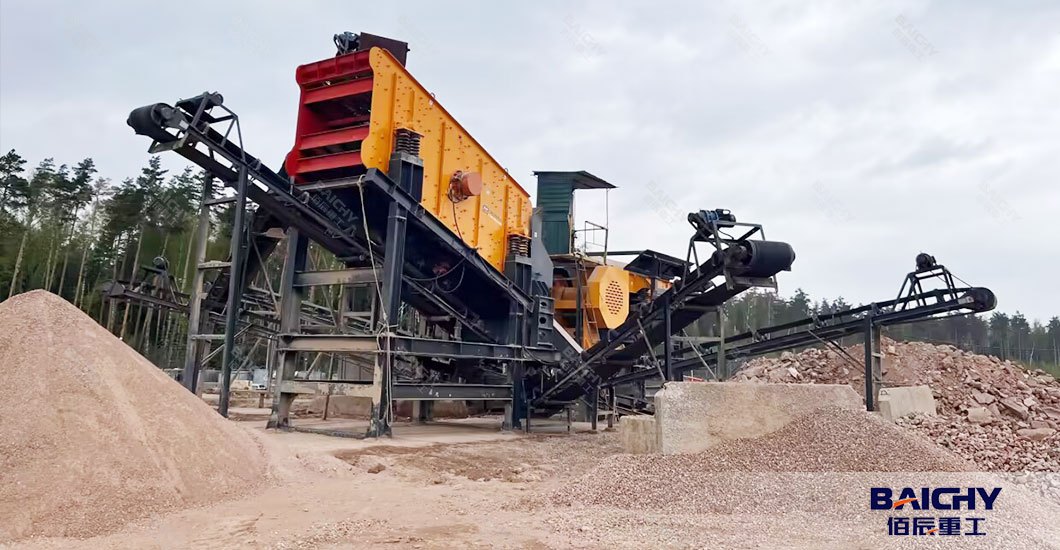
Gravel processing plants serve various industries and applications, including:
● Construction: Gravel is a key ingredient in the production of concrete and asphalt. It’s also used as a base material for roads, foundations, and drainage systems.
● Mining: In mining operations, gravel is often used to separate valuable ores from waste materials. Processing plants help streamline this extraction process.
● Recycling: Gravel plants are also used in recycling operations to process and reuse materials like glass, plastics, and metals.
● Waste Management: Gravel plants can process waste materials, separating recyclable aggregates from landfill-bound waste.
7. Benefits of Gravel Processing Plants
Investing in a gravel processing plant comes with several benefits:
● Efficiency: Modern gravel processing plants are designed for high efficiency. Automated systems reduce the need for manual labor and improve throughput, saving time and money.
● Quality Control: With advanced screening and washing techniques, gravel plants ensure that the final product meets the required quality standards for construction or other uses.
● Cost Savings: By optimizing production processes and reducing waste, gravel processing plants help minimize costs in the long run.
● Sustainability: These plants contribute to environmental sustainability by recycling materials and reducing the carbon footprint of extraction processes.
8. Choosing the Right Gravel Processing Plant for Your Needs
Selecting the right gravel processing plant depends on several factors:
● Material Type: Different plants are suited for different materials. Consider the types of raw materials you will be processing and choose equipment that suits those materials.
● Production Capacity: Depending on your project size, you may need a plant with higher capacity. Consider how much gravel you need to process and select equipment that can handle that volume.
● Customization: Some plants can be customized with additional features, like automated sorting or washing systems, to meet specific needs.
● Maintenance: Choose a gravel plant that is easy to maintain and provides long-term reliability. Regular maintenance ensures efficient operation and minimizes downtime.
9. Case Studies and Industry Examples
Real-world examples show how gravel processing plants can significantly improve operations. For instance, construction companies have used high-efficiency plants to process large amounts of material quickly, while mining companies use advanced crushing and sorting technology to improve ore extraction rates.
10. Future Trends in Gravel Processing
As the industry evolves, several trends are shaping the future of gravel processing:
● Automation and AI: The rise of automation is improving the speed and accuracy of processing plants. AI-driven systems can monitor equipment performance and optimize production.
● Sustainability Innovations: New technologies are being developed to reduce water usage, energy consumption, and environmental impact, making gravel processing more sustainable.
● Emerging Markets: With rapid infrastructure development in emerging markets, the demand for gravel and processing plants continues to grow, offering new opportunities for plant design and optimization.
Conclusion
Gravel processing plants play a crucial role in turning raw materials into valuable aggregates used in a variety of industries. By understanding the key components, challenges, and benefits of these plants, businesses can make informed decisions about which equipment and processes to use. With advancements in technology and sustainability, the future of gravel processing looks bright, with greater efficiency and environmental responsibility. If you’re considering investing in a gravel processing plant or looking to optimize your current operations, reach out for Baichy Machnery's expert advice and consultations on the latest equipment and technologies in the industry. For more information, explore additional resources on gravel processing and aggregate production.




 2026-10-26





 86-15093113821
 86-15093113821