In mining, quarrying, and aggregate production, transforming huge raw rocks into usable construction materials or industrial raw materials is never a one-step process. It is a multi-stage material reduction process. Among all crushing equipment, the jaw crusher, with its extremely robust structure and strong compressive resistance, has become the most popular choice. However, the jaw crusher is not used in just one way. Depending on their position in the production line, they are strictly classified as primary jaw crushers and secondary jaw crushers. Understanding the core differences between the two can not only help you avoid overloading and wearing out the equipment but also significantly enhance the efficiency and profitability of the entire crushing production line.
1. What is a Primary Jaw Crusher?
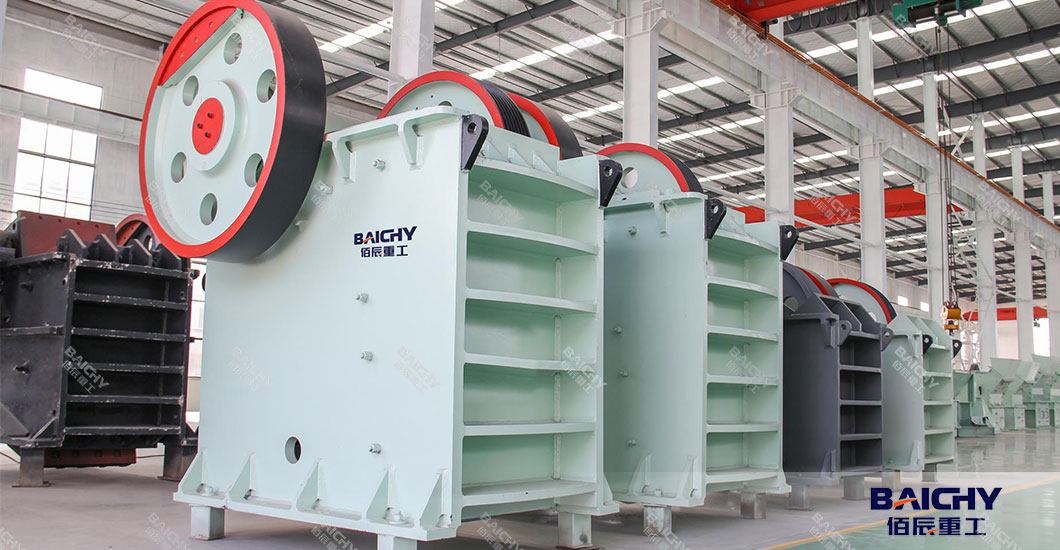
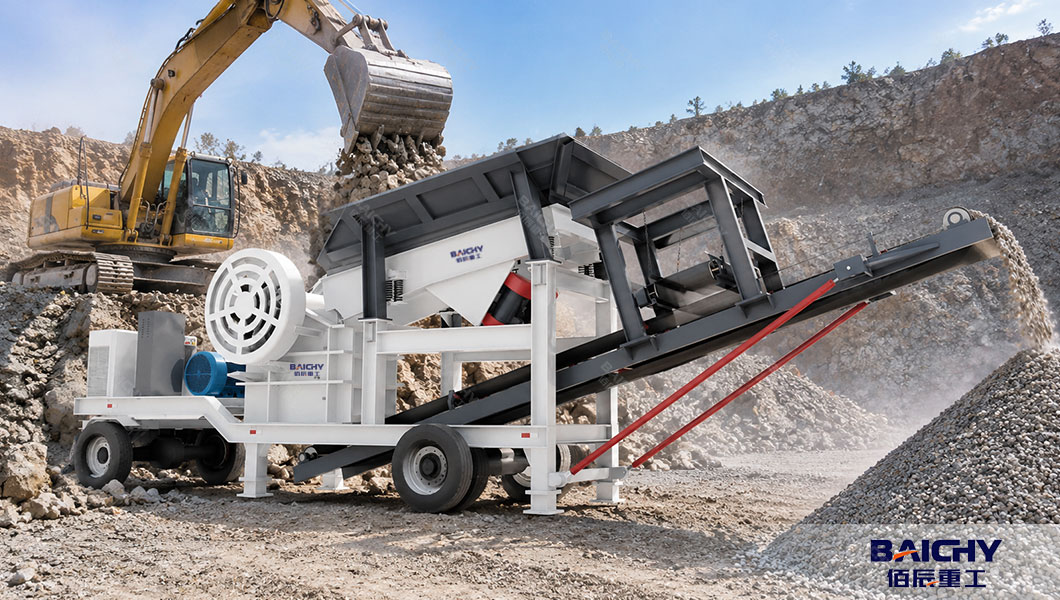
Primary crushing is the first stage of material volume reduction. Primary jaw crushers directly receive raw ore freshly mined from the mine.
● Strong feeding capacity: They are specifically designed to handle large volumes of material that is irregularly shaped and highly abrasive. Some large primary jaw crushers can even accept a maximum feed size of up to 1500 mm.
● Core design objective: Their core task is not to finely crush the stones but to achieve "initial reduction", breaking down the difficult-to-handle boulders into more manageable sizes that can be transported by conveyor belts. They typically operate in an open-circuit system, aiming for extremely high throughput and ultimate durability.
2. What is a secondary jaw crusher?
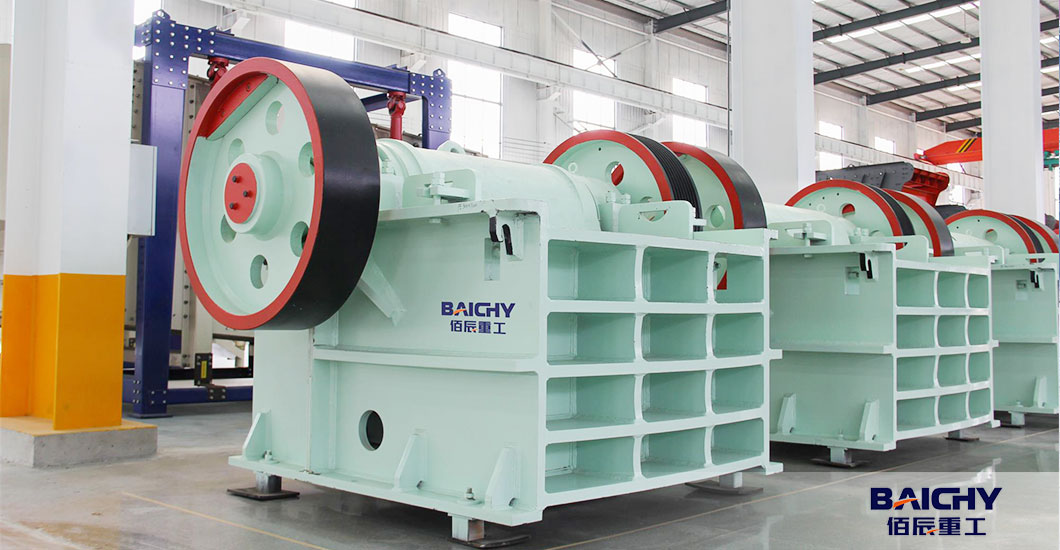
Secondary crushing is the second stage that follows primary crushing. The secondary jaw crusher takes over the materials that have already been roughly crushed by the primary equipment.
● Fine feed requirements: The feed size of the secondary crusher is usually around 150-200 mm (approximately 6-8 inches). Its task is to further refine these medium-sized stones.
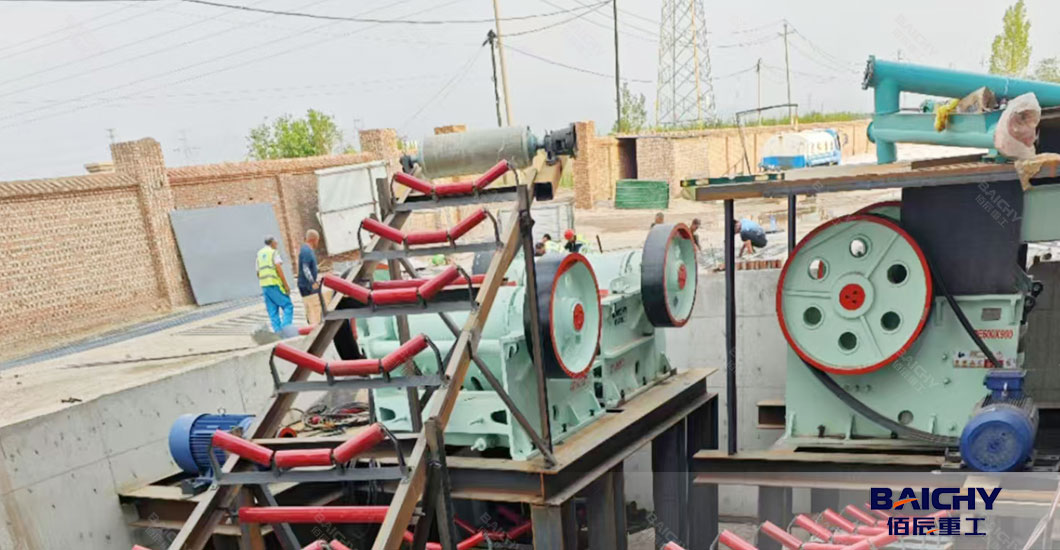
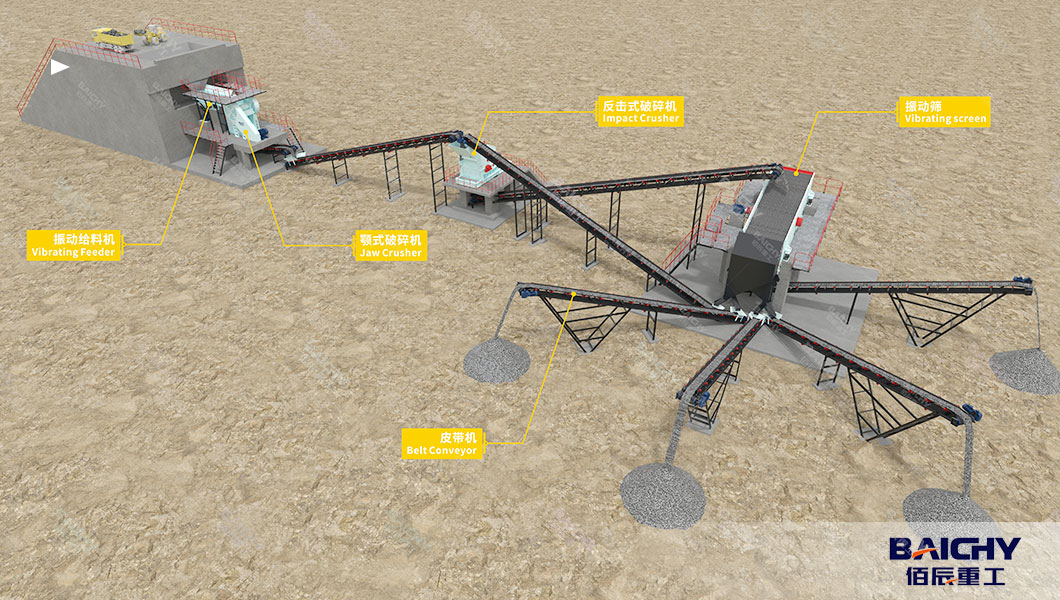
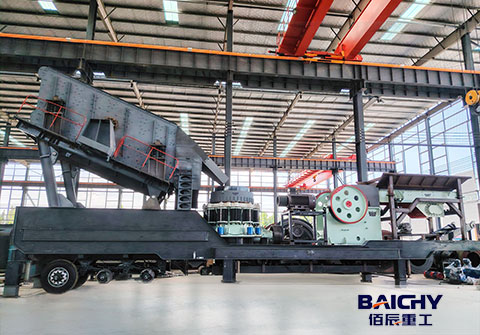
● Closed-circuit system: Unlike primary crushing, secondary jaw crushers do not typically operate alone. They are often combined with vibrating screens and distributors to form a closed-circuit system. Stones that do not meet the size requirements are screened out and returned to the secondary crusher for reprocessing to ensure uniform final product particle size.
3. 5 Key Differences Between Primary and Secondary Jaw Crushers
To understand more intuitively, we compare the two from the following five dimensions:
3-1. Role and stage in the production line
The primary jaw crusher plays the role of a "pioneer", dealing with the most destructive first wave of impact; while the secondary jaw crusher is a "refiner", dedicated to advancing the materials towards the final product specifications.
3-2. Comparison of feed and discharge size
| No |
Comparison |
Primary Jaw Crusher |
Secondary Jaw Crusher |
| 1 |
Stage |
First stage |
Second stage |
| 2 |
Maximum feed size |
Extremely large (up to 1000 mm) |
Moderate (typically 150 - 200 mm) |
| 3 |
Discharge size |
Coarse and large (300 mm) |
Relatively fine and uniform (20 - 60 mm) |
| 4 |
Material state |
Unprocessed raw ore |
Processed material after initial crushing |
| 5 |
System configuration |
Usually open-circuit system |
Usually closed-circuit system, equipped with vibrating screens |
3-3. Material toughness and state
The primary equipment faces completely unprocessed, hardness-unknown, and most abrasive materials, so its movable jaw assembly and frame are designed to be extremely heavy. The secondary equipment processes materials that have already been cleaved (the internal structure of the rock has been disrupted), although still hard, the impact force is significantly reduced.
3-4. Equipment structure and system integration
The closed side setting (CSS) adjustment of the secondary jaw crusher is usually more frequent and precise than that of the primary equipment, because the discharge size of the secondary crushing directly affects the efficiency of the next process (such as the tertiary crushing by cone crushers or impact crushers).
3-5. Actual use and maintenance experience
In daily operation, the jaw plates of the primary jaw crusher are subject to huge point impact wear; while the jaw plates of the secondary jaw crusher, due to the smaller size and full filling of the crushing cavity by the materials, are more subject to sliding friction wear. Therefore, the material selection and replacement cycle of the wear-resistant parts of the two are also different.
4. Synergistic Work: Why Are Both the Primary and Secondary Stages Necessary?
Many new customers often ask, "Why can't a single crusher directly turn large stones into fine sand?" The answer lies in the reduction ratio and physical limitations. The reduction ratio of a machine is limited (typically 4:1 to 6:1 for jaw crushers). If one insists on having a single piece of equipment handle the transformation from boulders to fine sand: The production capacity would drop sharply, leading to severe material blockages. The mechanical wear of the equipment would multiply, significantly shortening the machine's lifespan.
Therefore, a reasonable production line optimization must break down the tasks. The primary jaw crusher is responsible for "cracking the hard nuts", providing perfect feed for downstream equipment; secondary equipment (sometimes cone crushers or impact crushers are used as alternatives for the secondary stage) ensures the shape and output of the final product.
5. Purchasing Guide: How to Make the Right Choice?
When purchasing equipment for your crushing station, please evaluate the following three core questions in sequence:
● Max Feed Size (Maximum Feed Size): How large are the biggest stones you blast or mine? This will directly determine which model of primary jaw crusher you need.
● Desired Product Size (Target Product Size): What size of aggregate do you ultimately want to sell to your customers? This determines the setting of the discharge opening of your secondary crusher.
● Capacity and Material Hardness: For processing high-hardness rocks such as granite and basalt, the combination of a primary and secondary jaw crusher is a very economical and durable choice.
Although the primary jaw crusher and the secondary jaw crusher have similar working principles, they have essential differences in feed size, product size, system configuration (open circuit and closed circuit), and overall design purpose. They work together to form an efficient and stable modern mining aggregate processing system. Choosing the correct combination of primary and secondary crushing stages based on the characteristics of your raw ore and capacity requirements is crucial. Welcome to contact our crushing equipment experts to get a free material analysis and process flowchart design plan!
People Also Frequently Asked For - FAQ
Q1: What is the main difference between a primary and a secondary jaw crusher?
A: The main difference is the size of the rocks they handle and their role in the production line. A primary jaw crusher is built to handle massive, raw rocks straight from the mine (up to 1500 mm) and perform the initial size reduction. A secondary jaw crusher takes over the smaller rocks (around 150-200 mm) produced by the primary crusher and refines them into much smaller, uniform pieces.
Q2: Can I use a single jaw crusher to crush large rocks directly into final small products?
A: No, it is highly inefficient and not recommended. Every crusher has a limited "reduction ratio" (how much it can shrink a rock in one pass). Forcing one machine to do all the work will cause severe material blockages, massive wear and tear on the machine parts, and a huge drop in production capacity. Dividing the work between a primary and a secondary stage protects your equipment and maximizes efficiency.
Q3: Why do secondary jaw crushers often work in a "closed-circuit" system?
A: Because the secondary stage requires a more precise and uniform product size. By working in a closed-circuit system alongside a vibrating screen, any rocks that are still too big after passing through the crusher are automatically filtered out and sent back into the secondary crusher for another round. This continuous loop ensures that 100% of the final output meets your strict size requirements.




 2026-10-26





 86-15093113821
 86-15093113821