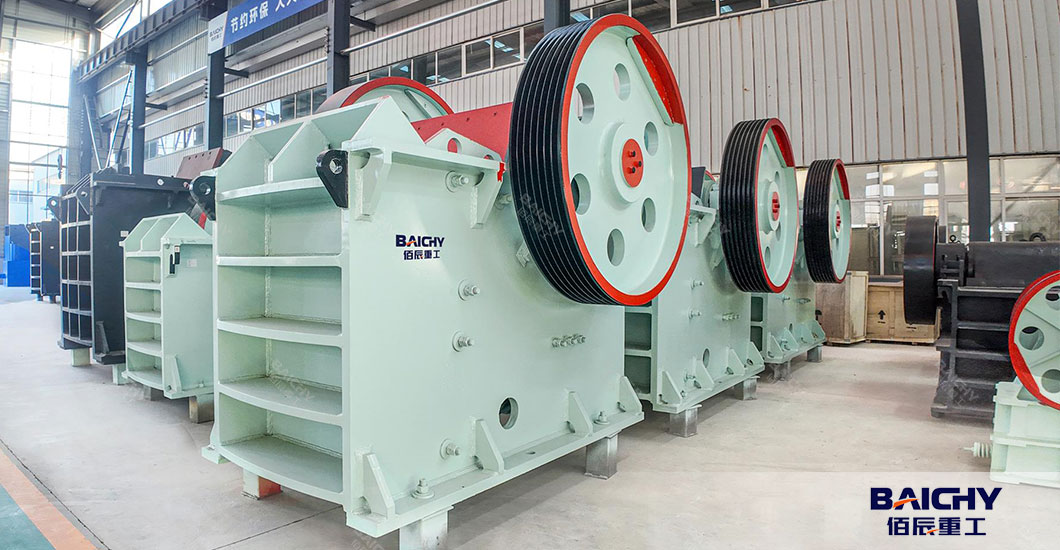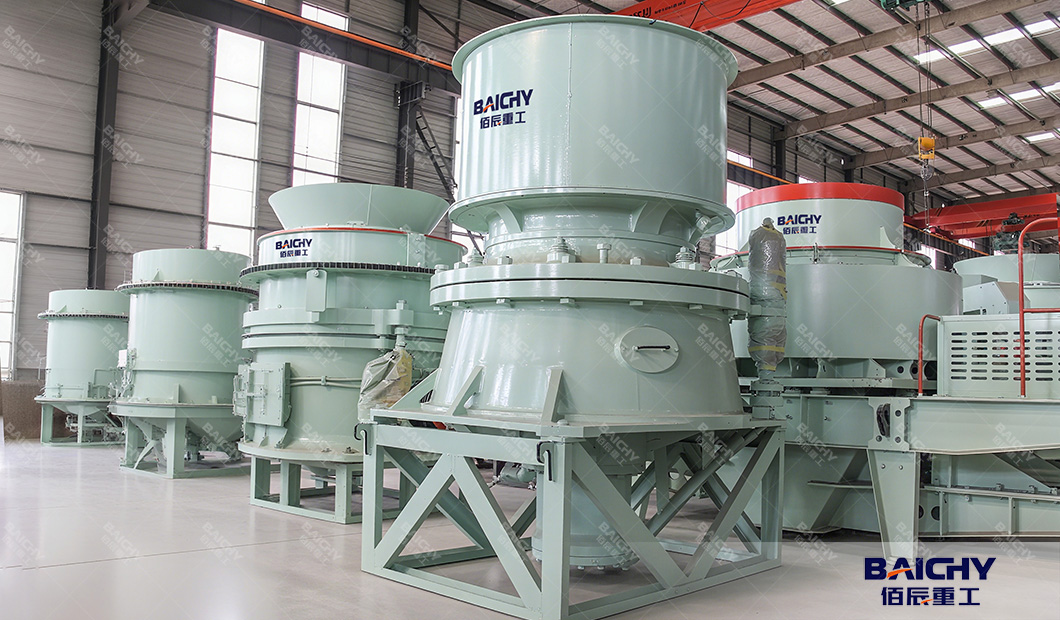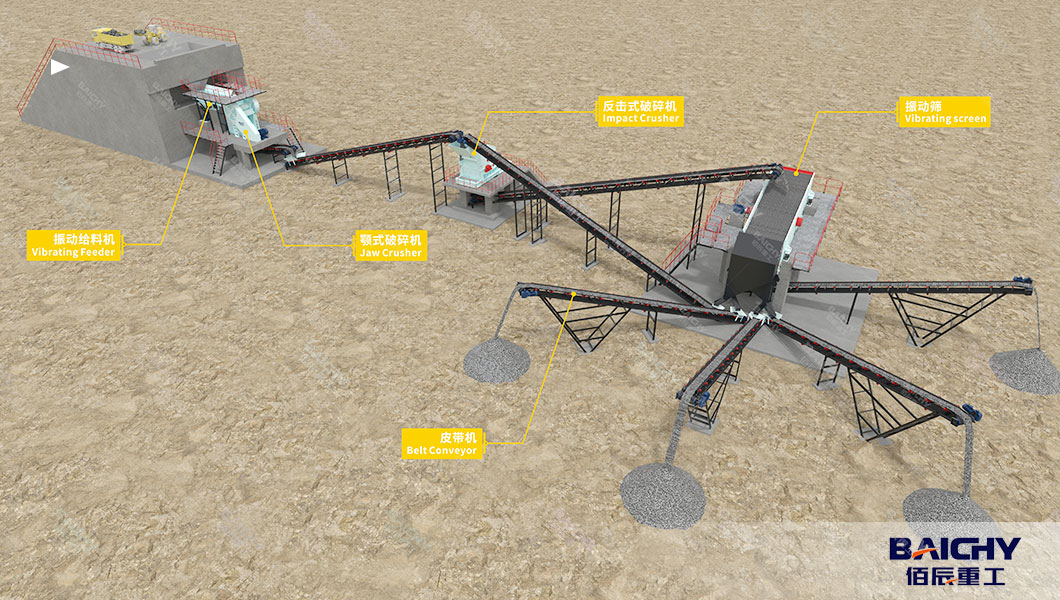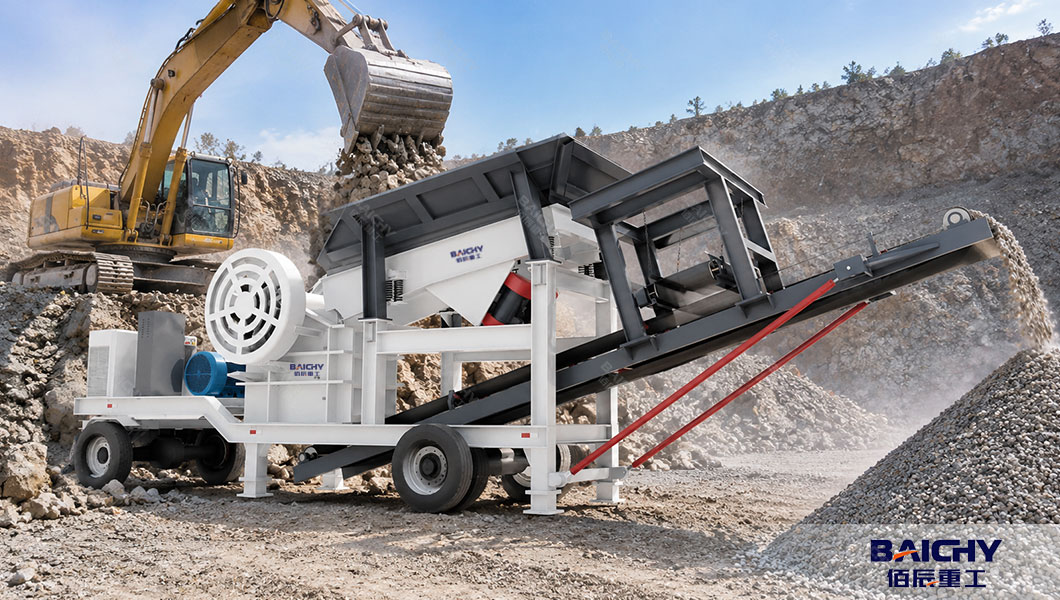
Jaw crushers are the undisputed kings of primary crushing due to their simple, heavy-duty compression design. However, they are not always the perfect fit for every operation. If you need massive continuous throughput, perfectly cubic-shaped aggregates, or are processing softer materials like concrete rubble, a jaw crusher might actually hold your production back. In these specific scenarios, finding the right alternative is crucial for maximizing efficiency. Depending on your rock hardness and whether you are in the primary or secondary crushing stage, the best substitutes are gyratory, impact, or cone crushers.

When your mining operation requires an astronomically high throughput that a standard jaw crusher simply cannot handle, the gyratory crusher is your ultimate alternative. Like jaw crushers, they use compression to break hard rocks. However, instead of a reciprocating motion, they operate continuously with a spinning, gyratory movement. This continuous feeding capability allows them to process massive volumes of hard rock without the intermittent pauses of a jaw machine. They are strictly designed for primary crushing in large-scale operations where sheer capacity is the top priority.

If you are processing softer materials like limestone or recycling construction waste, an impact crusher is a fantastic substitute. Unlike jaw crushers that squeeze rocks, impact crushers use high-speed strikes to shatter the material. This fundamental difference means impactors produce a beautifully uniform, cubic product, which is highly desirable for asphalt production. While a jaw crusher might produce flat or elongated rocks, an impactor ensures high-quality shapes. They can often handle both primary and secondary stages, making them incredibly versatile. However, they are not ideal for abrasive rocks, as their wear parts will degrade rapidly.

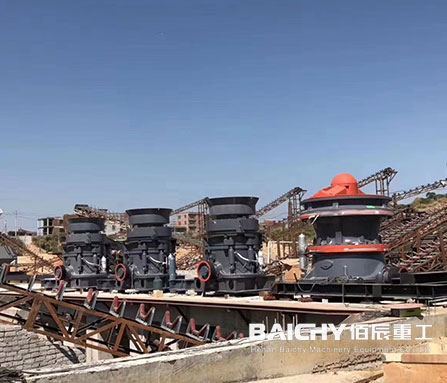
Some operators use smaller jaw crushers for their secondary crushing stage, but a cone crusher is almost always a superior alternative here. Designed specifically for secondary and tertiary stages, cone crushers excel at refining hard, abrasive rocks like granite and basalt. They operate via compression, squeezing the rock between a spinning mantle and a stationary bowl. When comparing equipment of similar sizes, a cone crusher usually delivers a significantly higher hourly processing capacity and better material refinement than a secondary jaw crusher.

There is no single machine that completely replaces a jaw crusher in every single scenario. Your choice depends entirely on your specific application. If you need extreme capacity for hard rock primary crushing, choose a gyratory crusher. If you are recycling concrete or processing soft rock and need perfect cubic shapes, an impact crusher is your best bet. Finally, if you need to crush hard, abrasive rock in a secondary stage, the cone crusher is the clear winner. Always analyze your material hardness and production goals before making a switch.
In summary: There is no "absolute" substitute for a jaw crusher, only a "better" choice in "specific scenarios." Gyratory crushers, impact crushers, and cone crushers each exhibit superior characteristics compared to jaw crushers at specific crushing stages, output requirements, and rock hardness Welcome to contact Baichy engineer to conduct material testing to determine which crushing equipment is best suited for their specific mining or recycling operations.
A: It depends on the material. For soft rocks such as limestone, it can completely replace a jaw crusher; however, for hard granite or quartz, a jaw crusher remains an essential primary crushing option.
A: Compression (jaw crusher/cone crusher/gyratory crusher) is like using pliers to crush stone; impact (impact crusher) is like using a hammer to violently strike stone.
Save Time! Get A Detailed Quotation Quickly.