Mineral processing, also called ore beneficiation, is a crucial step in mining to separate valuable minerals from gangue and harmful elements. Raw ore typically cannot be used directly as a metal or product; it must be processed to obtain high-grade concentrate. Mineral processing enables efficient resource utilization, maximizes recovery, and supports national economic development.
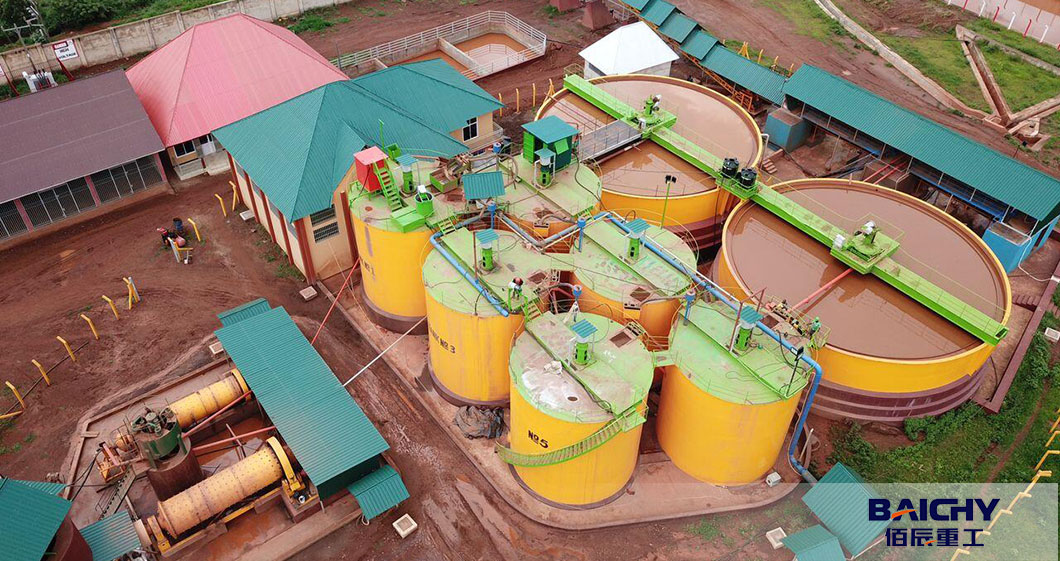
The purpose of mineral processing is the following
1. Enrich useful mineral components.
The lean iron ore with about 30% added iron can be beneficiated to obtain an iron concentrate with more than 30% added iron, and the useful mineral magnetite is enriched.
2. Separate two or more useful mineral components.
For example, sulfides of copper, lead, and zinc often coexist together, and they can be separated through mineral processing to obtain copper concentrate, lead concentrate, and zinc concentrate respectively.
3. Remove harmful impurities from materials.
For example, some or most of the harmful impurities sulfur and phosphorus in iron concentrate can be removed through beneficiation. In addition, the iron and titanium minerals in kaolin that affect its whiteness can be reduced through beneficiation to meet the required standards.
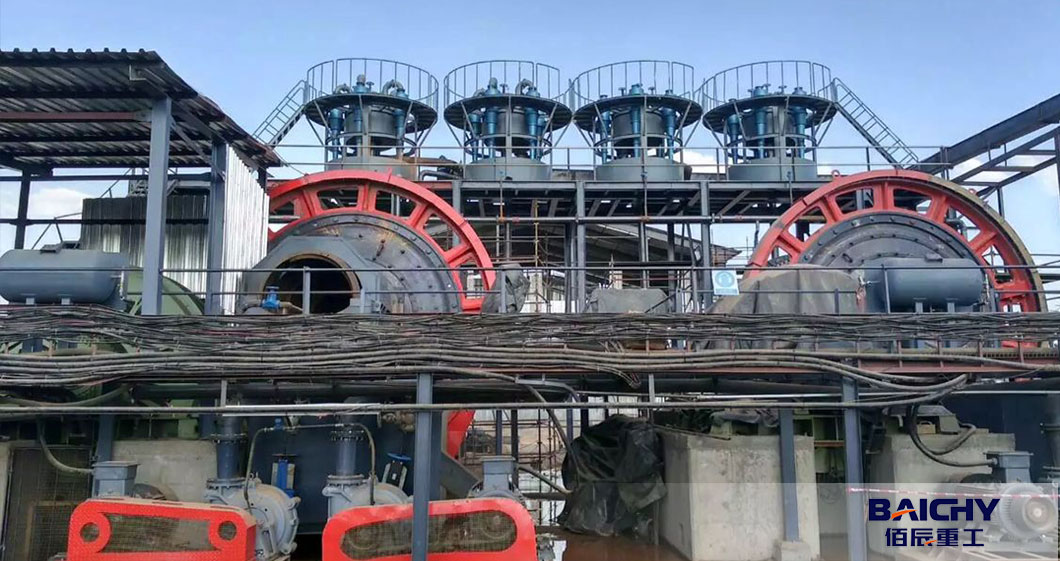
Methods of Mineral Processing
Mineral processing techniques are broadly divided into physical and chemical methods:
Physical Methods
1. Magnetic Separation:
Magnetic separation uses magnets to attract and remove magnetic minerals from the ore. It is simple, fast, and effective for ores like magnetite or other iron-containing minerals, separating valuable material from non-magnetic gangue.
2. Gravity Concentration:
Gravity concentration separates minerals based on differences in density. Heavier valuable minerals, like gold or tin, settle faster than lighter waste rock when mixed with water, allowing efficient separation in jigs, shaking tables, or sluices.
3. Screening / Classification:
Screening sorts ore particles by size using vibrating screens, sieves, or classifiers. It ensures that materials entering crushing, grinding, or flotation are uniform, improving efficiency and reducing equipment wear.
Chemical Methods
1. Flotation:
Flotation uses chemicals and air bubbles to selectively separate valuable minerals from waste. Minerals attach to bubbles and float to the surface, forming a froth that can be collected as concentrate. It is widely used for copper, lead, zinc, and sulfide ores.
2. Roasting:
Roasting involves heating ore in the presence of oxygen to change the chemical state of minerals. For example, sulfide ores can be converted to oxides, making them easier to extract metals like copper or lead.
3. Lixiviation (Leaching):
Lixiviation, or leaching, uses solvents like acids or cyanide to dissolve specific metals from the ore. The metal-rich solution is then collected and further processed to obtain pure metals, commonly used for gold, silver, or copper extraction.
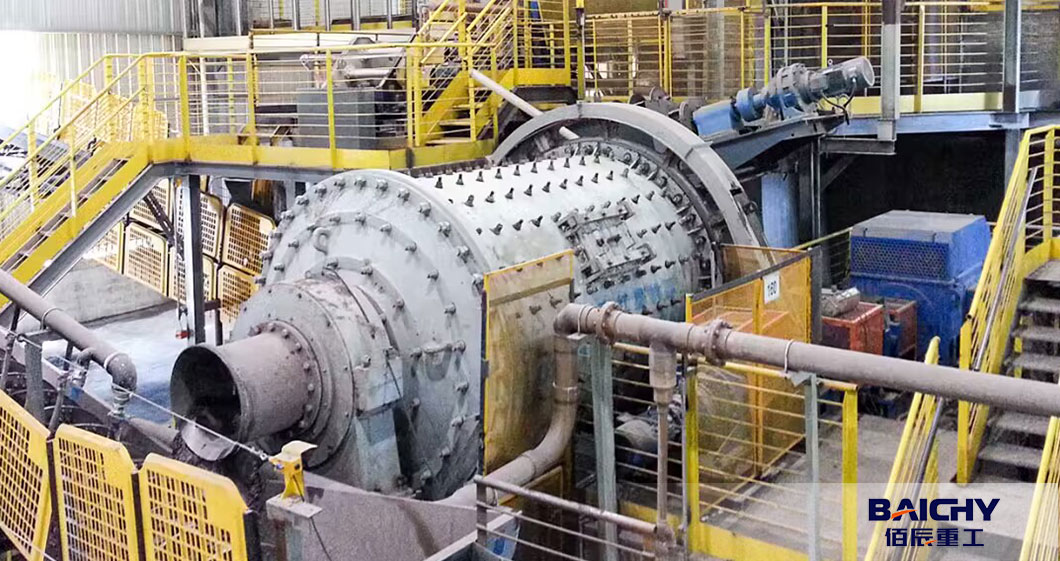
What are the commonly used equipment in mineral processing production lines?
Mineral processing production lines use a combination of specialized equipment. Below is a concise overview with function, typical parameters, and applications. Commonly used mineral processing equipment mainly includes crushing equipment, grinding equipment, screening equipment, mixing equipment, flotation equipment, drying equipment, etc.
| Equipment |
Function |
Typical Parameters |
Application / Notes |
Purpose |
| Vibrating Feeder |
Evenly delivers ore to crushers |
Feed rate: 50–500 t/h; adjustable speed |
Ensures uniform feed, prevents crusher overload |
Controlled feed |
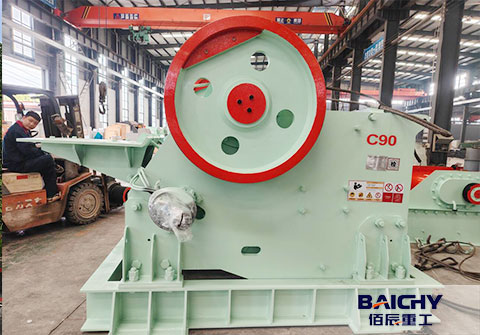
| Jaw Crusher |
Primary crushing of large ore |
Feed size: 600–1200 mm; Output: 50–200 mm; Capacity: 50–500 t/h |
Reduces ore to manageable size for secondary crushing |
Primary crushing |
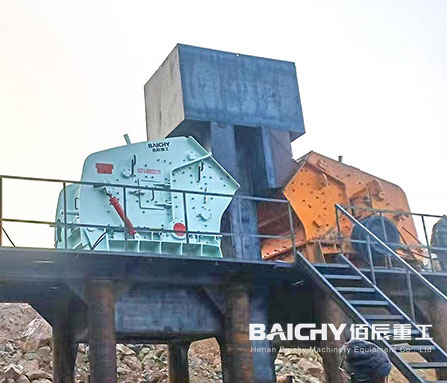
| Impact Crusher |
Secondary crushing and cubical particle production |
Feed: 100–500 mm; Output: 0–150 mm; Capacity: 30–400 t/h |
Produces uniform aggregate for flotation or construction |
Secondary crushing, cubical aggregate |
| Cone Crusher |
Tertiary crushing, fine and uniform product |
Feed: 50–300 mm; Output: 5–50 mm; Capacity: 40–600 t/h |
Produces high-quality fine ore for concentrate |
Tertiary crushing, fine aggregate |
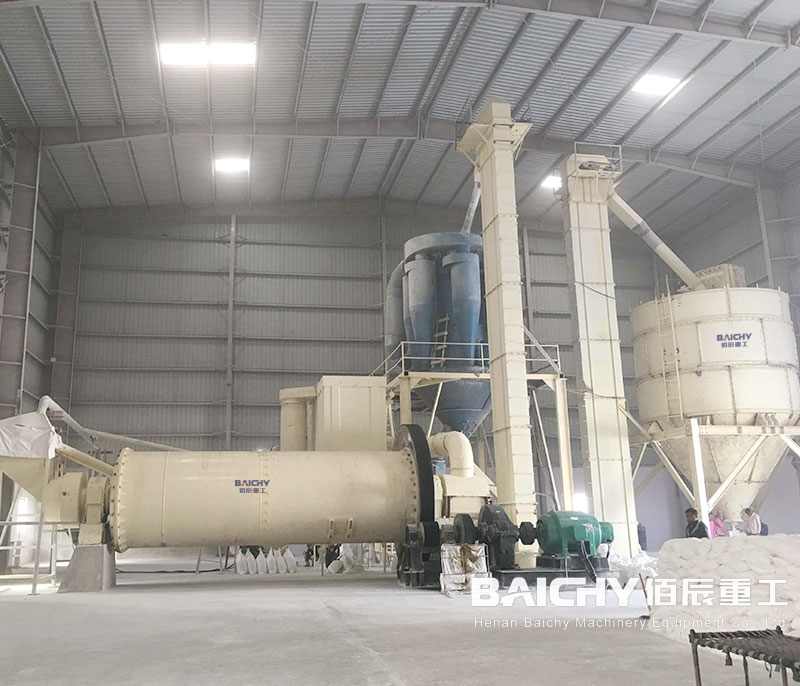
| Ball Mill |
Grinding ore to fine particles |
Diameter: 1–4 m; Length: 2–8 m; Capacity: 5–100 t/h |
Wet or dry grinding; often used in closed-circuit with classifiers |
Separation by size |
| Spiral Classifier / Screens |
Classify particles by size |
Feed rate: 10–200 t/h |
Separates fines for flotation or regrinding |
Transport to stockpile |
| Mixing / Stirring Tank |
Mix slurry with water and reagents |
Volume: 1–20 m³ |
Prepares slurry for flotation or chemical treatment |
|
| Flotation Machine |
Separates valuable minerals chemically |
Capacity: 1–50 m³ per cell |
Common types: K-type, SF-type; adjusts reagent dosage for target recovery |
|
| Thickener / Dryer |
Concentrate dehydration |
Volume: 20–200 m³; Output moisture <10% |
Prepares concentrate for storage or shipment |
|
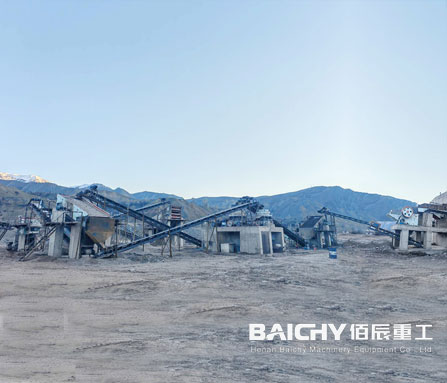
Step-by-Step Mineral Processing Workflow: 100–200 TPH Copper Ore Case
Here is a real-world example of a 100–200 TPH copper ore beneficiation line:
1. Raw Ore Preparation and Feeding
Ore is transported from the mine to the vibrating feeder.
Large rocks are removed, and feed is screened for uniformity.
Steady feed protects the jaw crusher from sudden surges.
2. Primary Crushing
Jaw crusher reduces ore from 600–1000 mm to 50–200 mm.
Provides manageable ore size for secondary crushing or grinding.
3. Secondary Crushing / Particle Shaping
Impact crusher further reduces ore and creates uniform, cubical particles (0–50 mm).
Adjustable rotor speed and impact plates allow size control.
4. Grinding
Ball mills grind ore to fine particles (0–200 µm).
Closed-circuit grinding with spiral classifiers ensures consistent size for flotation.
5. Mixing / Slurry Preparation
Ore is mixed with water and reagents in stirring tanks.
Prepares slurry for chemical separation in flotation machines.
6. Flotation / Chemical Separation
Flotation machines separate copper, lead, or zinc into concentrates.
Reagent dosage and flotation time are optimized for maximum recovery.
7. Dewatering / Drying
Concentrates are dewatered using thickeners or drum dryers.
Final concentrate has low moisture, suitable for shipment or smelting.
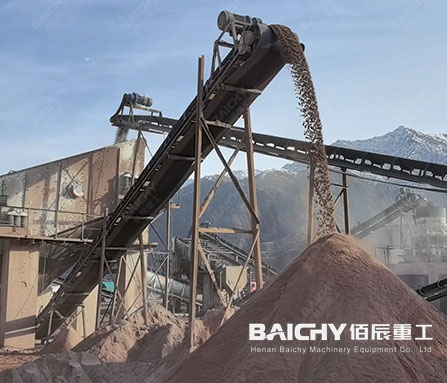
8. Stockpiling / Transportation
Belt conveyors transport dewatered concentrate to stockpiles.
Organized storage ensures continuous plant operation and efficient logistics.
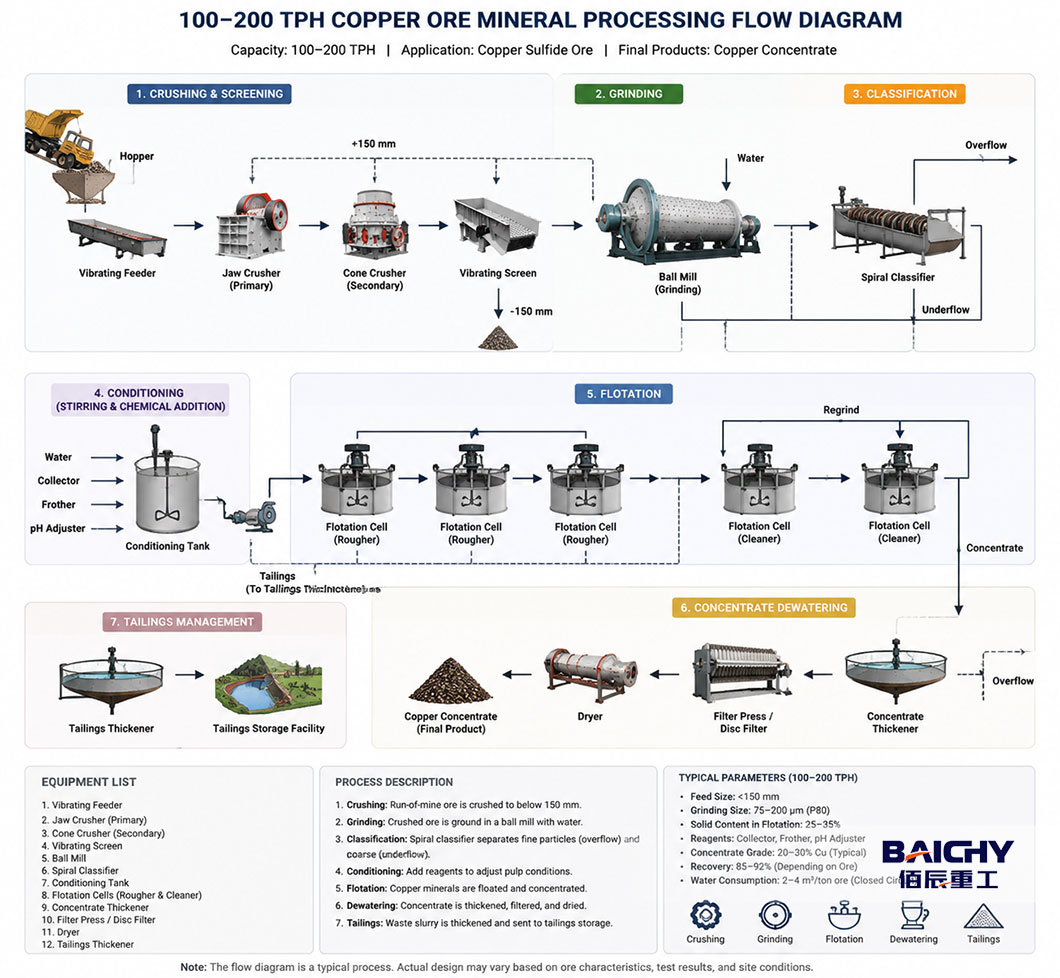
Mineral processing transforms raw ore into high-grade concentrates through crushing, grinding, separation, and dewatering. By selecting the right equipment—jaw crushers, impact crushers, cone crushers, ball mills, classifiers, flotation machines, and dryers—operators can maximize recovery, reduce impurities, and ensure high-quality products. Structured workflows, proper maintenance, and data-driven operation are key to efficiency and economic viability.
FAQ: Mineral Processing
Q1: Can raw copper ore be used directly?
A: No, primary ore must be processed through crushing, grinding, and flotation to obtain usable concentrate.
Q2: How is recovery maximized?
A: By optimizing crusher and grinder settings, flotation reagent dosage, and closed-circuit grinding.
Q3: Which equipment is best for fine particles?
A: Ball mills combined with classifiers, followed by flotation machines.
Q4: How often should equipment be maintained?
A: Crushers: daily inspection; Ball mills: check liners every 500–1000 hours; Flotation: monitor agitators and pumps regularly.




 2026-09-29





 86-15093113821
 86-15093113821