With the increasing scarcity of natural river sand, manufactured sand (M-sand) has become the gold standard for the construction and infrastructure industries. However, achieving the perfect fineness modulus and cubic shape requires more than just "breaking rocks." It requires a strategic 2-step crushing process. In this guide, we break down the most cost-effective and efficient way to transform raw stone—such as granite, limestone, or basalt—into high-quality construction sand.
Why Use a 2-Step Crushing Process?
While some small-scale operations attempt single-stage crushing, a professional 2-step stone to sand production line offers:
● Lower Wear Costs: Distributing the crushing ratio prevents premature wear on specialized sand-making parts.
● Superior Particle Shape: Step-by-step reduction ensures the final sand is cubic, not flaky, which is critical for high-strength concrete.
● Higher Throughput: Optimized stages prevent bottlenecks in the production flow.
Step 1: Primary Crushing – The Foundation (Coarse Reduction)
The first step is to take large, raw boulders (often up to 1000mm) and reduce them to a size manageable for a sand maker (usually below 50mm).
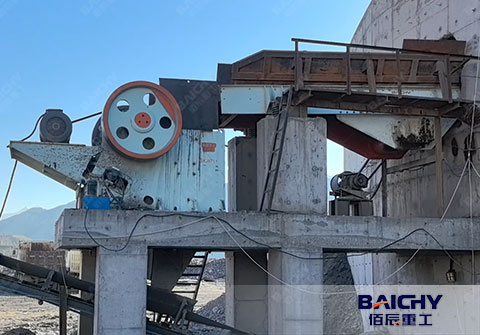
The Essential Equipment: PE Series Jaw Crusher
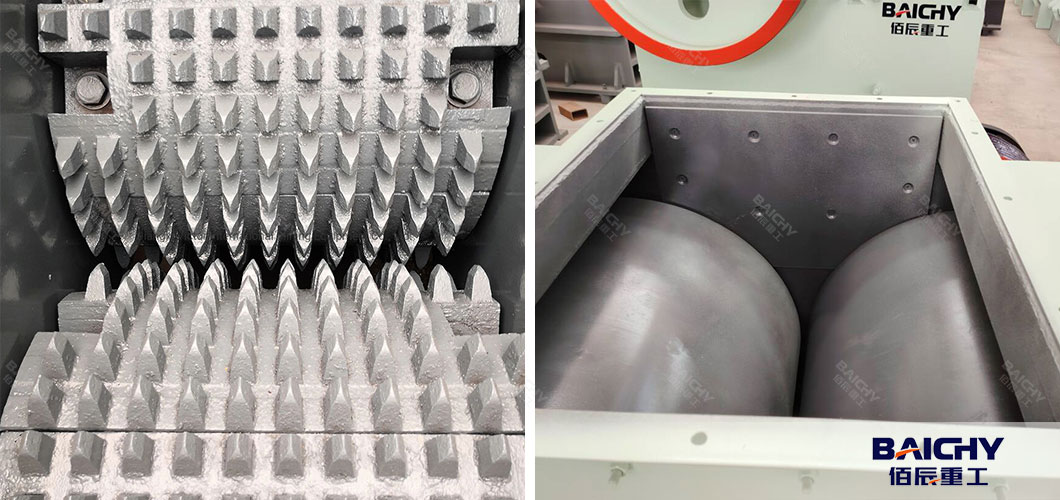
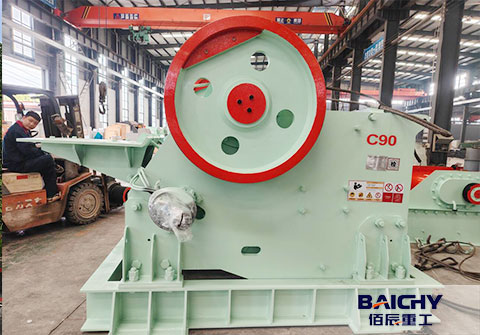
The Jaw Crusher is the "workhorse" of the first stage. Its primary role is to handle high-hardness materials and perform a massive volume reduction.
● How it works: Using a "chewing" action between a fixed and a moving jaw plate, it crushes stone into smaller aggregates.
● Why it’s Step 1: It is designed to handle high-compression strength materials without frequent maintenance, making it the most stable foundation for your sand plant.
● Technical Tip: Ensure your jaw crusher's discharge opening is tuned to match the optimal feed size of your secondary sand-making machine to maintain a continuous flow.
Step 2: Sand Making & Shaping – The Final Transformation
Once the stone has been reduced to aggregate size, it enters the core of the process: turning rock into sand.
The Essential Equipment: VSI (Vertical Shaft Impact) Crusher
The VSI Crusher (Sand Making Machine) is the industry standard for Step 2. Unlike traditional crushers, the VSI uses the "Stone-on-Stone" or "Stone-on-Iron" principle to achieve high-speed impact.
● Step 2 Action: The aggregate is accelerated inside a high-speed rotor and thrown against a crushing chamber. This intense impact breaks the stone along its natural cleavage planes.
● The Result: This stage produces sand with a consistent grain size (0-5mm) and an excellent cubic shape, which increases the workability of concrete and reduces cement consumption.
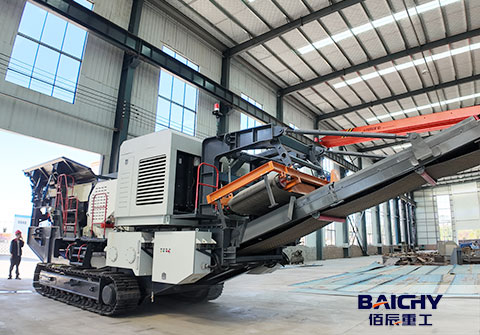
● Baichy Advantage: Modern VSI crushers often feature modular non-welding frames and specialized diesel-electric dual power options, perfect for remote sites in regions like the Philippines or Ghana.
Auxiliary Equipment: The Finishing Touches
To complete the 2-step process, two auxiliary components are necessary:
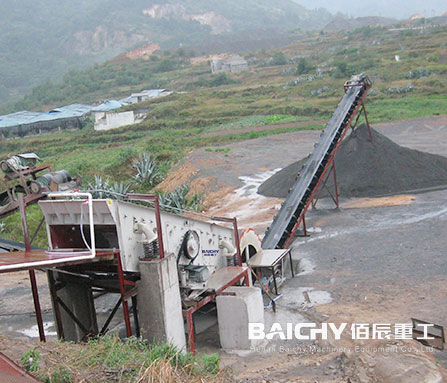
● Vibrating Screen: This "filters" the material. Anything larger than 5mm is sent back to the VSI crusher (Step 2) for re-crushing.
● Sand Washer: For high-end projects, a wheel or spiral sand washer removes clay and dust from the final product, ensuring "clean" sand that meets international standards.
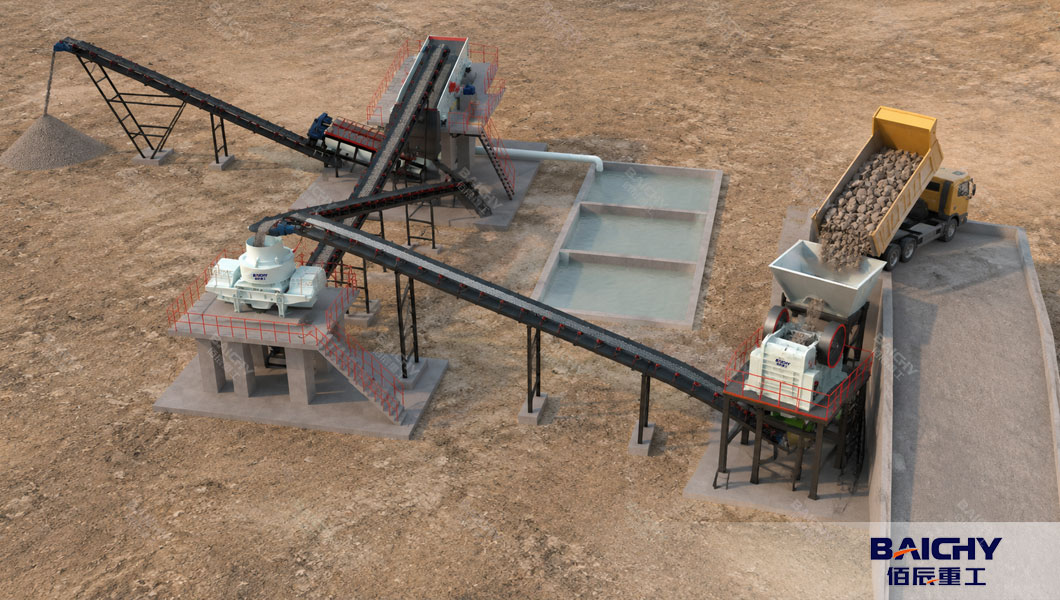
Typical 2-Stage Stone Crushing to Sand Production Line
A common stone-to-sand production configuration includes:
| Process |
Equipment |
Function |
| Feeding |
Vibrating feeder |
Sends raw stone evenly into crusher |
| Primary crushing |
Jaw crusher |
Breaks large rocks into smaller aggregates |
| Fine crushing & shaping |
VSI sand making machine |
Produces high-quality manufactured sand |
| Screening |
Vibrating screen |
Separates different particle sizes |
| Conveying |
Belt conveyor |
Transfers materials between equipment |
This simple 2-step crushing system is suitable for small and medium-scale sand production projects.
Baichy Solution for Stone Crushing and Sand Making
Baichy Machinery provides complete stone crushing and sand making solutions, including jaw crushers, impact crushers, cone crushers, VSI sand making machines, and screening equipment.
For customers who need to crush stone into sand, Baichy can customize the production line according to:
● Raw material type and hardness
● Required sand size
● Production capacity (such as 30–200 tph)
● Site conditions and investment budget
With professional equipment selection, installation guidance, and after-sales support, Baichy helps customers build efficient and stable sand production plants worldwide. Crushing stone to sand in 2 steps is the most balanced approach for investors looking for high ROI and low operational cost. By combining the raw power of a Jaw Crusher with the precision of a VSI Sand Maker, you can supply premium construction materials to any market. Looking for a customized 2-stage sand production layout? Contact Baichy’s technical team for a professional assessment and quotation based on your local material hardness and capacity requirements.
FAQ: Optimizing Your Stone to Sand Plant
1. Which stone is best for making sand?
Hard rocks like granite, basalt, and quartz produce the highest quality M-sand for high-strength concrete. Limestone is also widely used for general construction sand.
2. Can I use an Impact Crusher for Step 2?
Yes, for soft to medium-hard stones (like limestone), an Impact Crusher can serve as the second stage. However, for highly abrasive materials, a VSI Crusher or Cone Crusher is recommended to keep wear costs low.
3. How do I control the fineness of the sand?
The fineness modulus is primarily controlled by adjusting the rotor speed of the VSI crusher and the mesh size of your vibrating screens.




 2026-09-29





 86-15093113821
 86-15093113821