In modern aggregate production and mining operations, the jaw crusher is main force of the entire stone crushing line. As the first checkpoint for handling large and hard materials, its operating condition directly determines the smoothness of subsequent processes. However, many mining managers often encounter problems such as unmet equipment capacity, rapid wear of the jaw plates, and frequent unexpected shutdowns. Inefficient operation not only significantly reduces daily output but also incurs high maintenance costs.
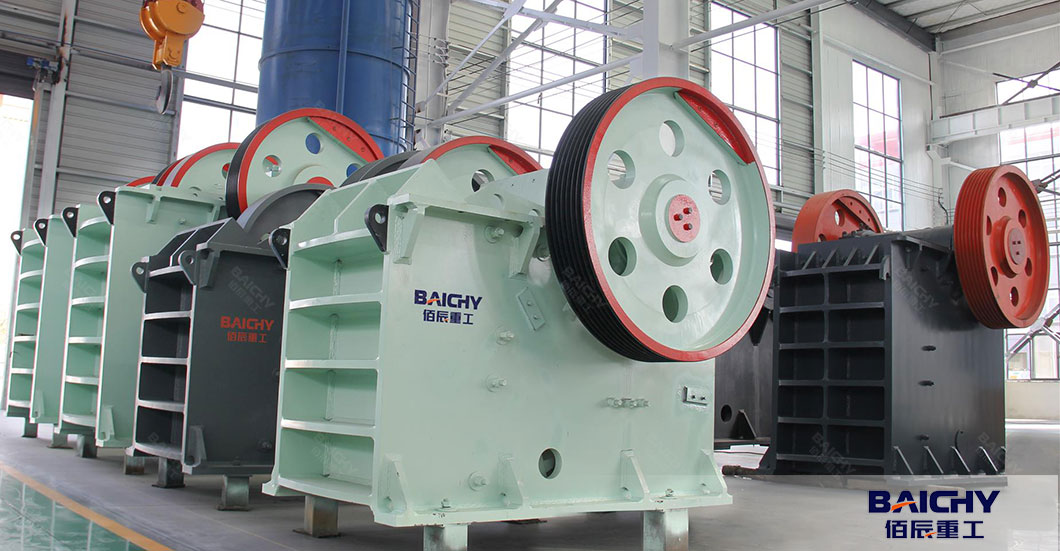
Improving the efficiency of the jaw crusher does not rely on a single magic button. It involves systematic optimization of feed management, parameter adjustment, component selection, and daily maintenance. This article will provide you with an in-depth analysis of the top five optimization strategies in the industry. Through scientific adjustment of feed size, implementation of full-load feeding, precise calibration of discharge ports, and introduction of modern preventive maintenance, you will be able to significantly increase the overall throughput of the crushing station and fully utilize the potential of the equipment.
1. Optimizing Feed Strategy
The feed process is often the most critical factor determining the efficiency of the jaw crusher. Many capacity bottlenecks actually are predetermined before the materials actually enter the crushing chamber. Therefore, the initial material management is of utmost importance.
● Implement Choke Feeding
In the daily operation of the jaw crusher, implementing choke feeding (Choke Feeding) is a widely proven and effective strategy for significantly increasing output. Choke feeding means continuously and uniformly feeding materials to keep the crushing chamber always filled. This approach may seem to increase the physical burden on the equipment, but in fact, it can maximize the utilization of the three-dimensional geometric space of the crushing chamber. When the crushing chamber is filled with stones, the crushing process through the mutual compression of the materials will produce a "stone-on-stone" secondary crushing effect, which significantly reduces the crushing pressure on the jaw plates. This not only greatly increases the overall throughput of the machine but also ensures that the final discharged particles are more uniformly shaped. On the contrary, if materials are fed in small amounts and intermittently, the equipment is mostly idle, not only wasting a huge amount of electrical energy but also causing local severe impacts on the jaw plates from large stones, thereby significantly reducing crushing efficiency and accelerating machine wear.
● Strict control Control Feed Size & Remove Oversize
Controlling the size of the materials entering the crusher is also a fundamental guarantee to prevent equipment from "getting stuck" and unexpected shutdowns. Before the materials are fed into the jaw crusher, it is strongly recommended to use a vibrating feeder or a pre-screening device (Scalping screen) for pre-processing. This step can effectively remove those stones larger than the maximum feed opening of the crusher, preventing them from directly getting stuck in the feed opening and causing severe material blockage. At the same time, pre-screening can also remove those qualified fine powder and wet soil. If a large amount of materials that do not need to be crushed are mixed into the crushing chamber, they will not only occupy the effective crushing space but also easily cause adhesion and clogging in the chamber under humid conditions, leading to a sharp increase in power consumption while not producing any output. Maintaining clean and size-compliant feed will allow the crusher to use every bit of power on the "hard nuts" that truly need crushing.
2. Adjusting and Optimizing Core Equipment Parameters
The jaw crusher is not a plug-and-play dumb device. Based on the actual conditions of the materials at the site, flexible adjustment of the core operating parameters is a necessary course for maintaining efficient operation.
● Monitor Closed Side Setting - CSS)
The discharge port setting (CSS) is the most crucial parameter that determines the final output size of the crusher and the overall throughput. Many operators have a misconception that the smaller the discharge port, the finer the output, and the higher the efficiency of the entire production line. However, this is not the case. Excessively narrowing the discharge port will cause the material to remain in the crushing chamber for an excessively long time, leading to severe over-crushing. This not only drastically increases the motor load and mechanical stress on components, but also causes the jaw plates to wear at an alarming rate, ultimately resulting in a significant drop in overall production capacity. The correct approach is to measure and calibrate the CSS regularly based on the requirements of the downstream secondary crushing equipment. As the jaw plates naturally wear, the discharge port will gradually increase in size. Therefore, operators need to dynamically compensate through gaskets or hydraulic systems to ensure that the equipment always operates at the optimal balance between efficiency and wear.
● Account for Hardness & Abrasiveness
You must clearly understand that crushing extremely hard granite is quite different from crushing relatively soft limestone in terms of equipment requirements. The hardness and abrasiveness of the materials directly determine the energy consumption level of the crusher in a unit of time. When processing highly hard ores, if one blindly pursues the same throughput as when processing soft rocks, it will inevitably lead to frequent overload of the motor and even burnout. Therefore, operators need to keenly observe changes in material characteristics and, when necessary, actively slow down the feeding speed or slightly increase the discharge port. This seemingly reduction in instantaneous feed volume may seem to compromise the instantaneous feed volume, but in the long run, it effectively avoids catastrophic shutdowns caused by overload of the equipment, thus truly ensuring stable and efficient operation throughout the day.
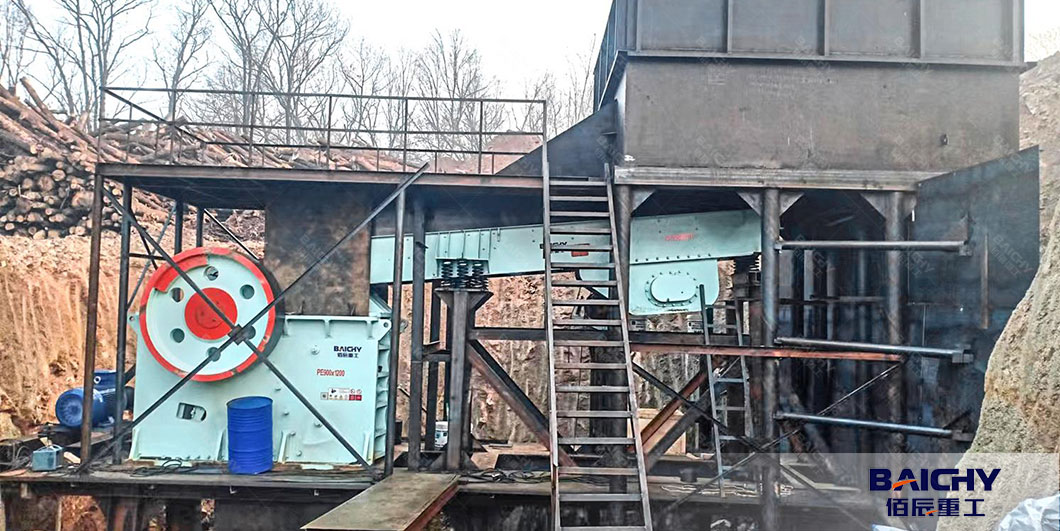
3. Selecting the Correct Jaw Plates and Tooth Profiles
The steel body of the machine also requires tailor-made weapons. The jaw plates (Jaw Dies) as the core component that directly meets the rock head-on, the selection of their shape and material has a decisive impact on the final crushing efficiency.
● Why is the jaw plate profile (Jaw Profiles) so crucial?
Many quarries, for the sake of convenience, have been using factory-installed standard toothed jaw plates for years, but this often deprives the equipment of the possibility of achieving higher output. The tooth profile of the jaw plates needs to be highly matched with the characteristics of the materials you are processing. For example, if you are processing sedimentary rocks that are prone to producing flaky materials, using a wavy tooth profile can provide better bite force, significantly improving the particle shape of the finished product; if facing extremely abrasive hard ores, you need to replace with a thickened design heavy-duty tooth plates to extend the service life. The appropriate jaw plate tooth profile not only enhances the machine's ability to grasp large rocks, prevents the material from slipping and bouncing in the chamber, but also optimizes the force transmission path, thus producing more materials with the same energy consumption. In addition, regularly flipping the jaw plates up and down to balance their wear degree is also an industry-standard secret for maintaining long-term high-efficiency crushing.
4. Preventive Maintenance: Minimizing Down Time
Even the best parameter adjustments cannot save a machine that lacks maintenance. The loss of efficiency often lies hidden in the unnoticed minor mechanical wear.
● Routine Inspections & Lubrication
Don't wait for the machine to make a loud noise before repairing it. Excellent maintenance is always prevention rather than treatment. Establish and strictly implement a daily inspection system is the foundation for maintaining the high efficiency of the jaw crusher. The operation team needs to check the tension of the transmission belt every day. A loose belt will cause a significant loss of power transmission, making the motor do useless work. Meanwhile, the lubrication condition of the core bearing is the lifeblood of the machine, and it must be regularly replenished with high-quality lubricating grease in accordance with the manufacturer's recommendations to remove dirt and reduce frictional heat. In addition, regular checks on whether the frame bolts are loose and whether the pull rod springs are normal can effectively prevent catastrophic structural damage caused by intense vibration. A routine daily inspection that only takes twenty minutes can often save days of downtime.
● Leverage Digital Maintenance Tools
In the current era of industrial Internet of Things, relying solely on traditional methods such as "listening to sounds and touching temperatures" to assess equipment status is no longer sufficient. More and more high-yield mines are beginning to introduce advanced digital maintenance tools and sensor technologies. By installing vibration analyzers and temperature sensors on the main bearings of the crusher and the motor, managers can monitor the health of the equipment in real time on their mobile phones or computer consoles. This predictive maintenance technology can issue alerts to the system in advance when bearings are about to fail or when tiny cracks form internally. This means that you can perform targeted replacements during planned downtime for warranty, completely eliminating the complete paralysis of the production line caused by sudden failures, thereby fundamentally safeguarding the overall operational efficiency of the equipment.
In summary, improving the efficiency of jaw crushers is a systematic project involving the optimization of the entire process. From resolutely implementing full-load feeding, strictly removing oversized materials, to scientifically regulating the discharge port and matching the best jaw plate tooth shape, and to proactive preventive maintenance, every small improvement in each step will directly translate into increased production capacity. Don't let your core equipment wear out in inefficiency. We recommend that you start today and conduct on-site parameter checks and try to optimize the feeding strategy. If you have deeper needs for equipment upgrades, please contact professional crusher equipment manufacturers for customized solutions!
Frequently Asked Questions (FAQs)
Q1: How to solve the problem of frequent blockage (sticking) in the jaw crusher?
The most effective solution is to add a pre-sieving stage (Scalping) at the feed inlet to remove large rocks larger than the feed opening size, as well as excess fine powder and soil. At the same time, ensure that the feed speed is uniform to avoid sudden large-scale dumping of materials causing the feed inlet to be instantly blocked. Adopting a full-load feeding strategy also helps the materials flow smoothly downward in the chamber, reducing blockages.
Q2: Why does one side of my jaw plate (moving jaw or fixed jaw) wear out particularly quickly?
This is usually due to the imbalance of force on the crushing chamber caused by the bias of the discharge position of the belt conveyor or the feeder, resulting in uneven operation (overload). Please adjust the deflector of the feed chute to ensure that the materials can fall evenly into the central position of the crushing chamber. This may also be due to the lack of regular flipping of the jaw plate, causing excessive cumulative wear in a localized area.




 2026-10-16





 86-15093113821
 86-15093113821