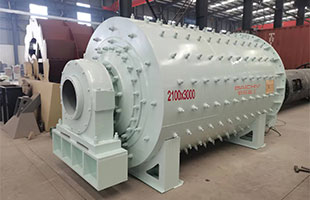
In the crushing and grinding industry, there is no single "best" method. There is only the method that fits your downstream process. While Dry Grinding (using Raymond Mills or Vertical Mills) is the standard for producing finished powders like cement or limestone filler, it has limitations. When it comes to Metal Mining (Gold/Copper/Iron), Ceramics, or Chemical Slurries, Wet grinding is undoubtedly the best choice.
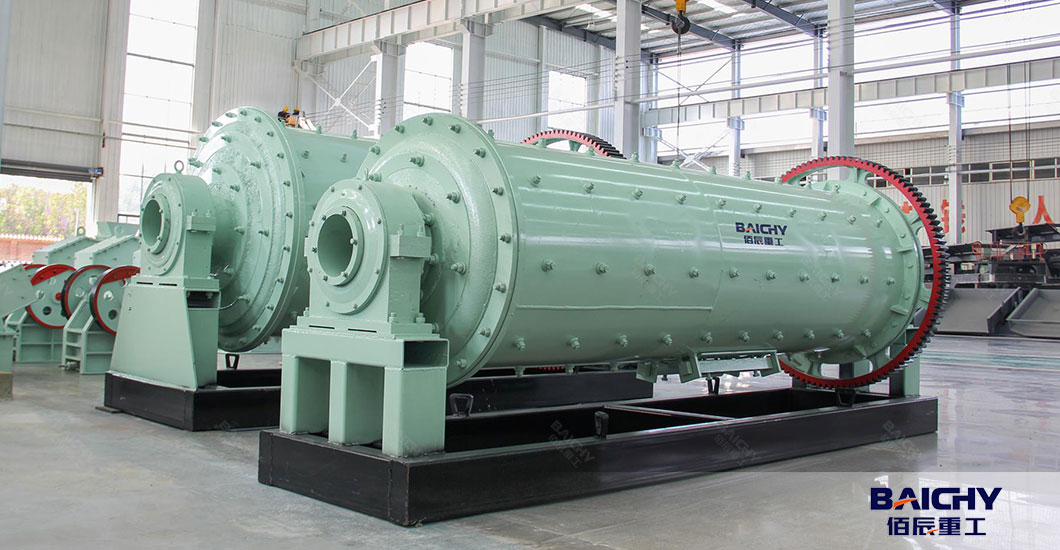
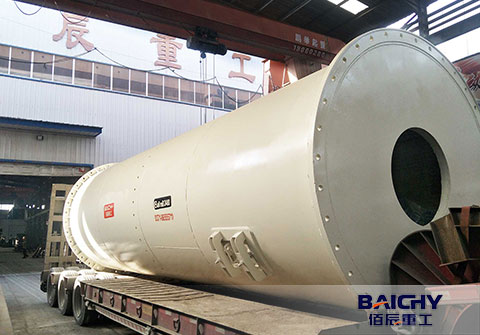
Why introduce water into the process? Is it just to suppress dust? No. At Baichy Machinery, we engineer wet ball mills because they offer specific physical and chemical advantages that dry mills simply cannot match. Here are the 4 distinct advantages of Wet Grinding.
1. Higher Energy Efficiency
From a mechanical perspective, wet grinding is superior because it eliminates the "Cushion Effect" common in dry mills. In dry grinding, fine powder tends to coat the steel balls and liners, creating a buffer layer that absorbs the impact energy intended for the rock. Wet grinding solves this by using water to flush fine particles away from the impact zone immediately. This allows the grinding media to strike the coarse ore directly with maximum force, ensuring every kilowatt of energy is dedicated to crushing rather than compressing dust.
Consequently, this direct impact results in significantly higher processing speeds. Without the interference of powder build-up, a wet ball mill usually delivers 20-30% higher capacity than a dry mill using the same power input. This makes wet grinding the most efficient and economical choice for applications where the final product needs to be a slurry, as it maximizes output while reducing energy waste.
2. Seamless Process Integration
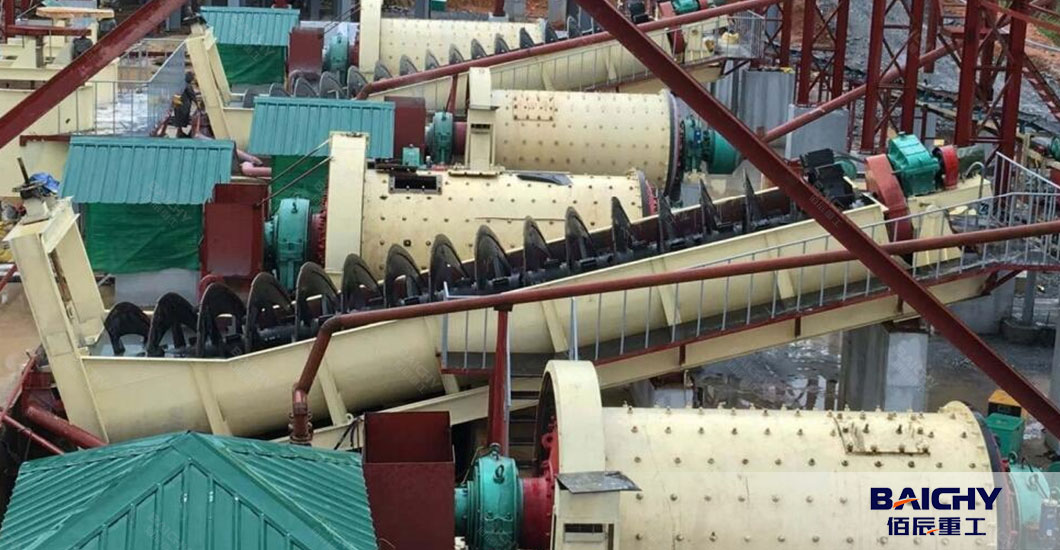
For metal mining operations processing Gold, Copper, or Molybdenum, downstream separation methods—such as Froth Flotation, Magnetic Separation, or Leaching—generally require the ore to be suspended in a liquid slurry. Using dry grinding in this case causes process redundancy: operators must grind the rock dry, dealing with dust and noise, only to add water in a separate mixing stage later. This adds an unnecessary step and reduces efficiency of the production line.
Wet grinding simplifies this process by producing the exact slurry density needed for separation directly inside the mill. Instead of separate grinding and mixing steps, the output is immediately ready for flotation cells or chemical tanks. This smooth integration greatly cuts plant complexity and equipment costs, which is why wet ball mills are the standard choice for over 90% of metal beneficiation plants.
3. Prevention of Agglomeration (The Ultra-Fine Advantage)
When targeting ultra-fine particle sizes (below 10 microns), dry grinding often hits a physical limit due to Agglomeration. As particles become smaller, increased surface energy and electrostatic forces cause them to clump back together. Instead of reducing particle size, the dry mill ends up wasting energy merely compressing these clusters, making further reduction inefficient or impossible for high-precision applications.
Wet grinding eliminates this issue by utilizing water and surfactants as natural dispersants. This liquid environment keeps individual particles suspended and separated, preventing them from re-clustering. This allows the grinding media to impact particles effectively, enabling the mill to achieve ultra-fine sizes of 1 micron or less—a level of fineness that is critical for high-tech materials like ceramic glazes and paint fillers.
4. Environmental Safety (Dust, Noise, and Explosion Risks)
For hazardous or reactive materials, wet grinding is often a safety necessity rather than a choice. By keeping the process submerged, it eliminates the heat and static electricity that can cause dust explosions in materials like aluminum, coal, or sulfide ores. Additionally, the water acts as a natural containment system, trapping toxic particulates (such as silica or lead) and significantly dampening operational noise, thereby ensuring a safer, compliant working environment without the need for expensive air filtration systems.
Ultimately, the decision between wet and dry grinding should be dictated by your downstream process rather than just mechanical efficiency. Wet grinding is the perfect fit if your operation involves froth flotation, chemical leaching, or requires an ultra-fine ceramic slurry. Conversely, if your final product must be a dry powder—such as cement or mineral fillers—dry grinding is essential, as the massive energy costs required to dry a wet slurry later in the process would quickly destroy your profit margins.
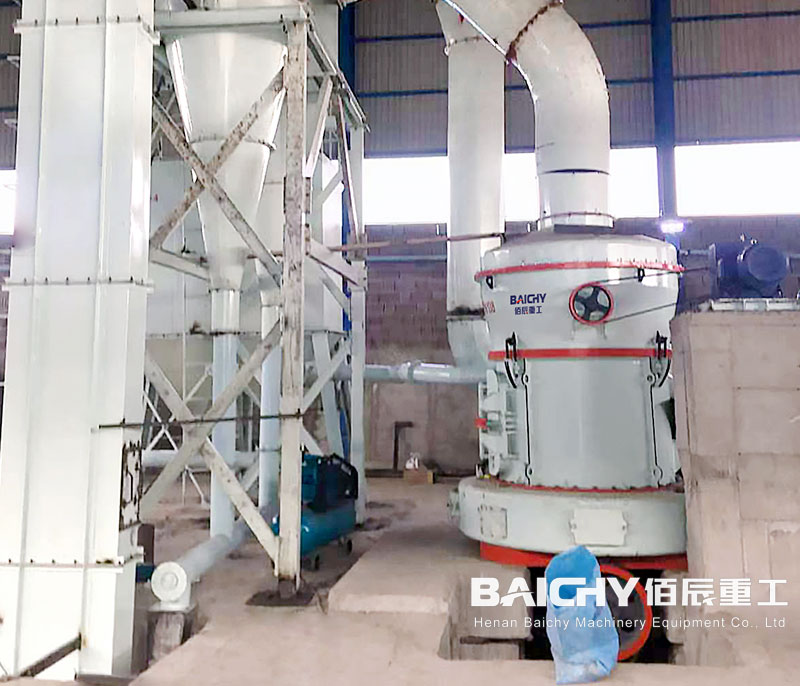
If you are still finalizing your plant design, let our experts review your flow chart to ensure maximum profitability. Because Baichy Machinery manufactures both advanced Dry Grinding Mills (such as the Raymond and HGM series) and robust Wet Ball Mills, we can provide completely objective advice tailored to your specific material. Contact Baichy’s engineering team today to request a custom grinding process analysis and discover which technology will save you the most money.
People Also Frequently Asked For - FAQ:
1. Is wet grinding always more energy-efficient than dry grinding?
Answer: Solely within the milling machine, yes—wet grinding typically consumes 20-30% less power because water prevents the "cushion effect." However, if your final product needs to be a dry powder, the total energy cost of wet grinding becomes much higher due to the massive fuel required to dry the slurry afterward. Therefore, wet grinding is only efficient if the downstream process requires a liquid pulp.
2. Can dry grinding achieve the same ultra-fine particle size as wet grinding?
Answer: Generally, no. Dry grinding becomes inefficient below 10 microns because static electricity causes particles to clump together (Agglomeration). Wet grinding uses water and dispersants to keep particles separated, allowing the mill to efficiently reduce materials to 1 micron or less, which is essential for high-tech applications like ceramic inks and nano-materials.
3. How do I decide between a dry mill and a wet ball mill for my project?
Answer: The decision depends entirely on your downstream process. If your next step involves chemical separation (like Froth Flotation or Leaching), you must use a Wet Ball Mill to produce the necessary slurry. If your final product is a saleable powder (like Cement, Limestone Filler, or Coal dust), you must use a Dry Mill (Raymond or Vertical Mill) to avoid expensive dewatering and drying costs.




 2026-10-16





 86-15093113821
 86-15093113821