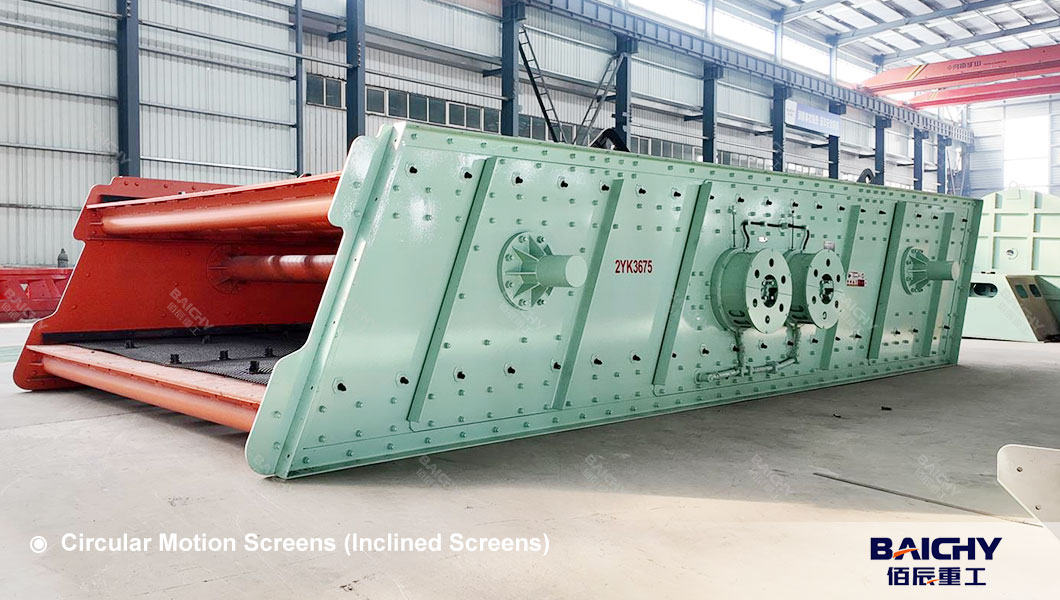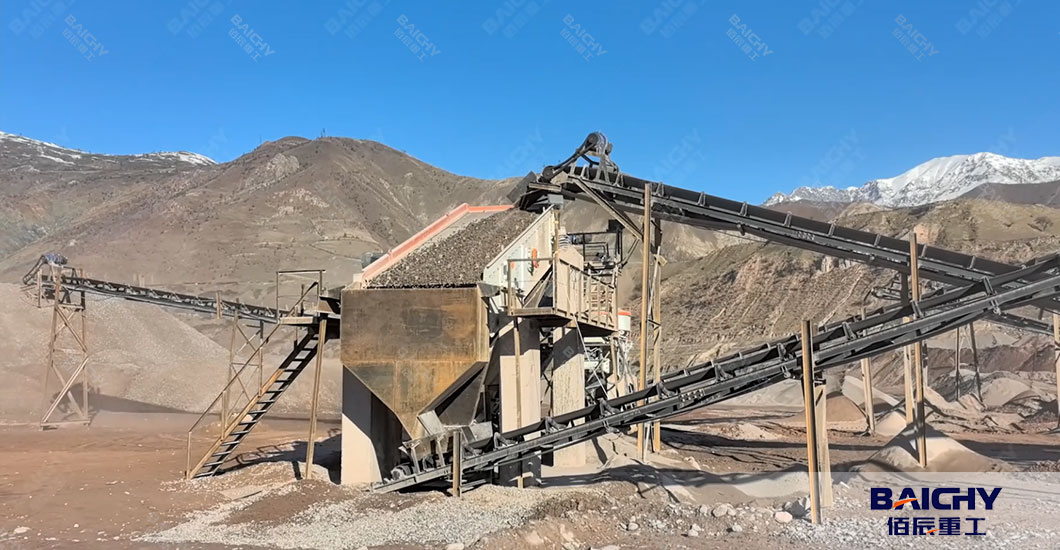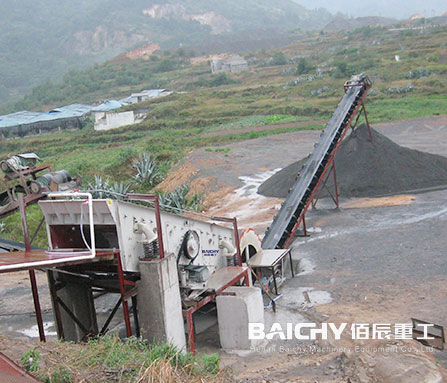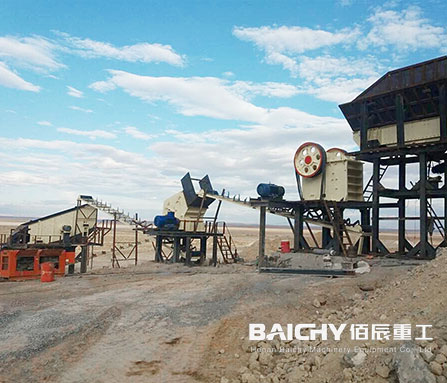
If you work in mining, aggregate processing, or industrial manufacturing, you've likely encountered vibrating screens—the workhorses of material separation. But what exactly are they used for? At its core, a vibrating screen is a machine that uses vibration to separate materials by particle size . It rapidly agitates a bed of mixed material, causing smaller particles to migrate down through larger ones and pass through screen openings. This simple yet powerful principle makes vibrating screens essential across dozens of industries .

While the primary motion is vibration, the industrial applications are divided into four distinct processes:
A. Sizing (Classification)
This is the most common use. The screen separates a mix of materials into specific size fractions. By using multiple decks with different mesh sizes, you can produce several products (e.g., 0-5mm, 5-10mm, 10-20mm aggregate) in a single pass.
B. Scalping (Primary Removal)
Scalping occurs at the beginning of the crushing circuit. The goal is to remove "undersize" material before it enters a crusher. This prevents the crusher from being choked by material that is already small enough, significantly reducing wear and energy consumption.
C. Dewatering & Desliming
In wet processing—common in iron ore and silica sand washing—vibrating screens are used to remove water and silt from the solid product. High-frequency vibration creates a dry, transportable cake, which is vital for environmental compliance and shipping.
D. Trash Removal (De-dusting)
Used to remove unwanted fines or foreign debris from a product stream to ensure purity, especially in chemical and recycling industries.
Mining & Quarrying
In the production of limestone, granite, and basalt, vibrating screens ensure that the final aggregate meets strict construction standards (such as ASTM or local Philippine standards). Baichy’s inclined vibrating screens are preferred here for their high throughput and circular motion that aids stratification.
Recycling & Waste Management
Separating construction waste, plastic, or metals. Vibrating screens allow for the recovery of valuable materials from mixed waste streams, driving the circular economy.
Chemical & Fertilizer Production
Precision is key here. Fine-mesh vibrating screens ensure uniform particle size in fertilizers, which is critical for consistent nutrient release in agriculture.

Both screens separate materials, but work very differently :
● Vibrating screens use rapid vibration to stratify and separate—excellent for fine sizing and dry applications.
● Trommel screens rotate a cylindrical drum—ideal for coarse sizing and handling wet, sticky materials that might clog vibrating screens .
Choose a vibrating screen when you need precise fine separation. Choose a trommel for high-volume coarse screening of materials with high moisture or contamination
Vibrating screens are versatile, essential tools for material processing across mining, construction, recycling, and manufacturing. Whether you need high-volume scalping with a circular screen, precise dewatering with a linear screen, or fine particle recovery with a high-frequency unit, there's a vibrating screen designed for your specific application Need help selecting the right vibrating screen for your operation? Contact us for expert guidance.
Save Time! Get A Detailed Quotation Quickly.