Mica is a natural mineral widely used in electrical insulation, coatings, plastics, rubber, cosmetics, and construction materials due to its excellent heat resistance, chemical stability, and high aspect ratio. To meet the growing demand for fine mica powder, many mineral processing plants choose a mica ball mill 10TPH as the core grinding equipment. A 10 tons per hour mica ball mill is designed for medium-scale mica powder production, providing stable capacity, uniform particle size, and continuous operation. Combined with crushing, feeding, classification, and dust collection systems, it can form a complete mica powder production line.
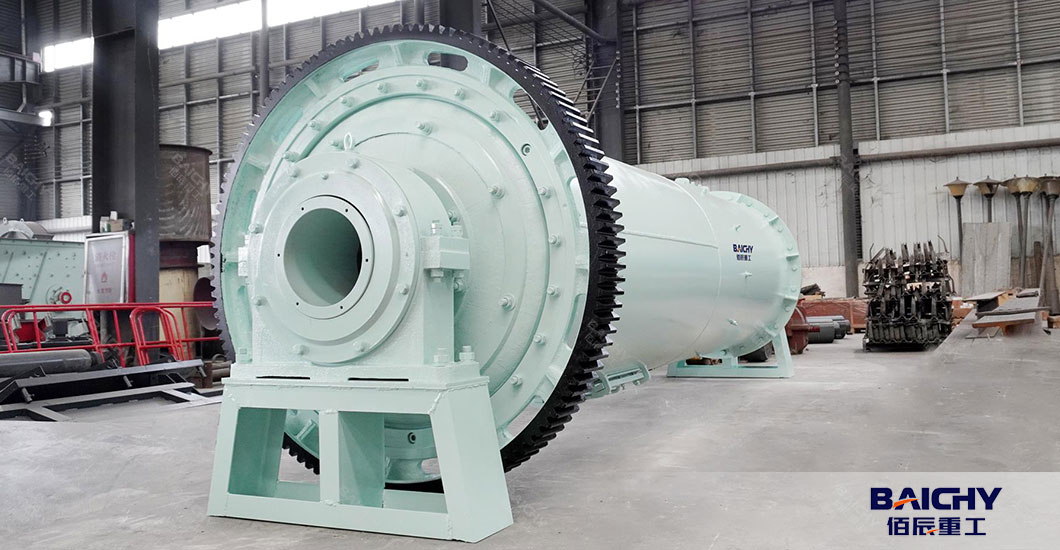
What Is a Mica Ball Mill?
A mica ball mill 10TPH is a horizontal cylindrical grinding machine used to reduce crushed mica ore into fine powder through impact and grinding between steel balls and the material.
The equipment capacity is approximately:
● Model: φ2.2m × 7.0m (or similar)
● Input material: Crushed mica ore ≤ 20-25 mm
● Feed size: Usually below 20 mm (depending on upstream crushing equipment)
● Output capacity: Around 10 tons per hour
● Final product size: Commonly 100-325 mesh mica powder (adjustable according to application requirements)
● Grinding method: Dry grinding or wet grinding
● Motor power: Customized according to mill size and production requirements
The final product quality depends on mica characteristics, grinding time, ball loading ratio, and classification accuracy.
Why Choose a Ball Mill for Mica Grinding?
For mica processing plants requiring continuous production, a 10TPH ball mill provides a reliable balance between investment cost and output.
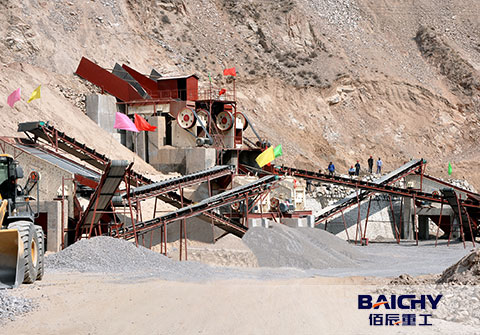
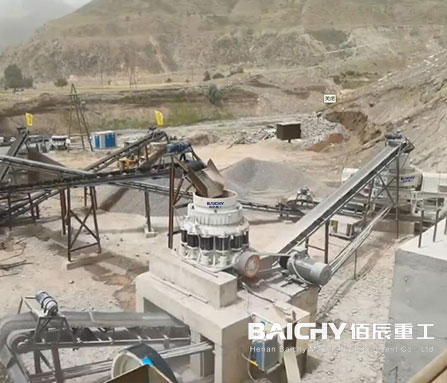
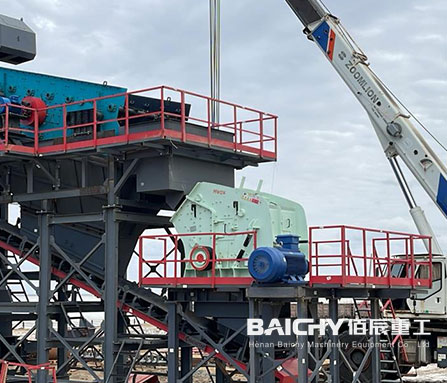
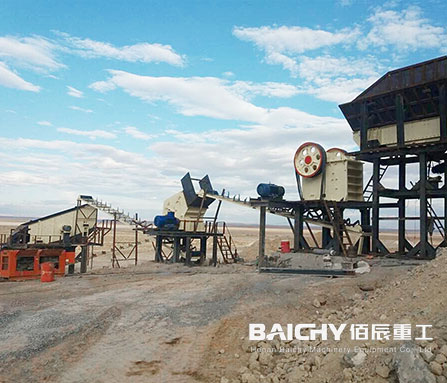
A typical mica powder production process includes:
Mica ore → Jaw crusher → Fine crusher → Ball mill → Classifier → Dust collector → Finished mica powder
| Component |
Specification |
Function |
| Feed Hopper |
5-10 m3 capacity with vibrating feeder |
Ensures uniform, controlled feed into the mill. |
| Air Classifier (Separator) |
Dynamic high-efficiency classifier |
Separates fine particles from coarse ones; oversized material is returned to the mill for re-grinding. |
| Dust Collector |
Pulse-jet bag filter (Filter area 300-400 m2) |
Captures fine dust, ensuring compliance with environmental regulations. |
| Air Blower |
Centrifugal blower, 55-75 kW |
Provides the airflow to carry the fine powder to the classifier and collector. |
With proper equipment matching, the production line can achieve:
● Continuous operation for industrial production
● Stable powder quality
● Reduced manual operation
● Lower production fluctuations
Application of Mica Ball Mill 10TPH
A mica ball mill 10TPH is mainly used to produce fine mica powder from crushed mica ore. The finished powder is widely used in coatings, plastics, rubber, construction materials, and electrical insulation products because of its heat resistance, chemical stability, and good insulation properties.
Different industries require different mica powder sizes. Therefore, the grinding system needs to be selected according to the final application, required fineness, and production capacity. A 10TPH ball mill is suitable for medium-scale mica powder production where stable output and consistent product quality are required.
Mica Ball Mill 10TPH Working Process
A complete mica grinding plant usually includes several stages.
A typical mica powder production line starts with crushing, followed by grinding, classification, and collection. The purpose of each stage is to gradually reduce the mica ore size while maintaining stable product quality.
The process begins with raw mica ore being fed into a primary crusher. The crusher reduces large pieces of ore into smaller particles that are suitable for the grinding stage. Proper crushing helps improve grinding efficiency because the ball mill can process more uniform feed material.
After crushing, the material enters the 10TPH mica ball mill for fine grinding. Inside the ball mill, the rotating cylinder drives the grinding media to move and impact the mica particles. Through repeated impact and friction, the material is gradually reduced into fine powder. The grinding parameters, including grinding time, feed size, and media selection, influence the final powder quality.
After grinding, the mica powder usually passes through a classification system to separate particles according to size. The classifier allows qualified fine powder to enter the product collection system, while larger particles return for further grinding. A dust collection system is also commonly installed to reduce material loss and improve the working environment.
A complete mica powder production line with a 10TPH ball mill is usually customized according to the raw material properties, required fineness, and production conditions. Different mica ores may require different equipment configurations to achieve stable output.
Engineering Performance and Application Data
To demonstrate the reliability of this system, we provide real-world operational data from existing mica processing plants.
1. Energy Consumption
The specific power consumption is a critical factor in calculating operational costs.
Average Power Draw: For a 10 TPH mica ball mill (200 mesh fineness), the power consumption is typically 18-22 kWh per ton of mica powder produced.
This includes: The main mill motor, classifier, blower, and feeder.
At 10 TPH: The plant will consume approximately 180-220 kWh per hour of continuous operation.
2. Steel Ball Wear and Liner Life
Wear parts are a significant operational cost.
Ball Consumption Rate: For grinding mica (Mohs hardness 2.5-3.0), the wear rate is approximately 80-150 grams of steel balls per ton of mica powder. This means for a 10 TPH line, you would consume about 0.8-1.5 kg of balls per hour.
Liner Life: With proper maintenance and using high-manganese steel liners, the lifespan is typically 6-12 months, depending on the feed abrasiveness.
3. Achieving Fineness Control
A closed-circuit system with an air classifier ensures precise particle size control.
Target (200 mesh): The system can maintain a passing rate of 90-95% through a 200-mesh screen.
Adjustability: The classifier speed (typically 80-120 RPM) can be adjusted to produce finer powder (e.g., 325 mesh) at a reduced capacity or coarser powder at a higher capacity.Engineering Performance and Application Data
If your production plan requires a stable, efficient 10 tons per hour of high-quality mica powder (200 mesh or finer), a ball mill system is the most proven solution. The combination of low operating costs, minimal maintenance, and high uptime makes it an excellent investment.
FAQ About Mica Ball Mill 10TPH
1. Can a ball mill produce fine mica powder?
Yes. A ball mill combined with a classification system can produce mica powder with adjustable fineness, commonly from 100 to 325 mesh depending on requirements.
2. What is the capacity of a mica ball mill?
A mica ball mill capacity depends on equipment size, material properties, and product fineness. A 10TPH ball mill is suitable for medium-scale mica powder production.
3. Is dry grinding suitable for mica?
Dry grinding is commonly used for industrial mica powder production because it simplifies material handling and reduces drying requirements. However, the best method depends on the final product requirements.
4. What equipment is needed for a mica powder production line?
A complete line usually includes a crusher, feeder, ball mill, classifier, dust collector, and material conveying system.




 2026-10-16





 86-15093113821
 86-15093113821