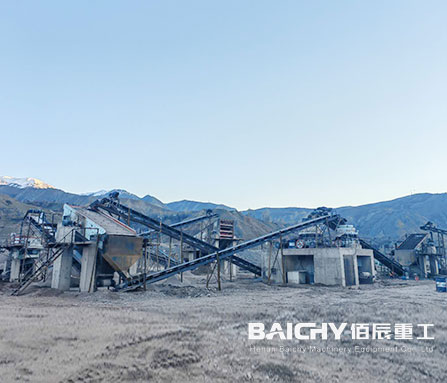
A quarry stone crushing plant is an industrial processing facility designed to reduce large rocks extracted from quarries into smaller, usable aggregates. These finished products—ranging from fine manufactured sand to larger gravel—are essential raw materials for:
Concrete production (ready-mix and precast)
● Asphalt paving (road construction and maintenance)
● Railway ballast (track foundation)
● Construction fill (foundation and backfill material)
● Water filtration (drainage and treatment systems)
A well-designed crushing plant transforms low-value raw rock into premium-priced construction materials. Depending on local market conditions, aggregate profit margins typically range from 15% to 30% or more, making it an attractive business opportunity for quarry owners and investors.
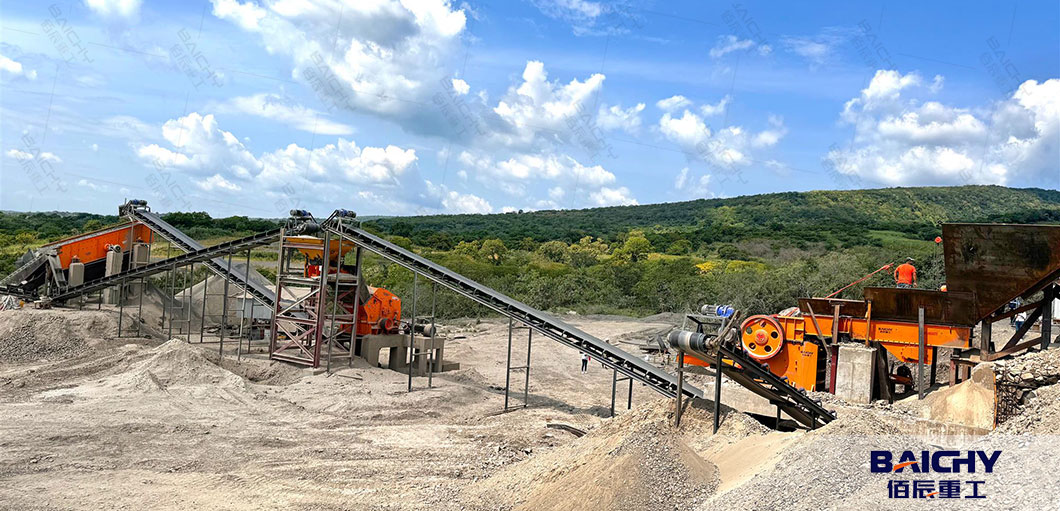
A typical quarry stone crushing process includes:
Raw Material Feeding → Primary Crushing → Secondary/Tertiary Crushing → Screening → Finished Product Storage
Each stage is designed to gradually reduce the rock size and produce aggregates that meet market requirements.
Basic Production Flow
Every stone crushing plant follows a standardized production sequence:
Raw Material → Primary Crushing → Secondary Crushing → Screening → Finished Products
↓ ↓
Oversized Material ────────→ Returned for Re-crushing
1. Raw Material Feed: Blasted rock is loaded into the primary crusher via a vibrating feeder.
2. Primary Crushing: Large boulders are reduced to manageable size (typically 200-300mm).
3. Secondary Crushing: Material is further reduced and shaped to meet specifications.
4. Screening: Crushed material is classified into different size fractions.
5. Closed-Circuit Return: Oversized material is returned for re-crushing, ensuring maximum utilization.
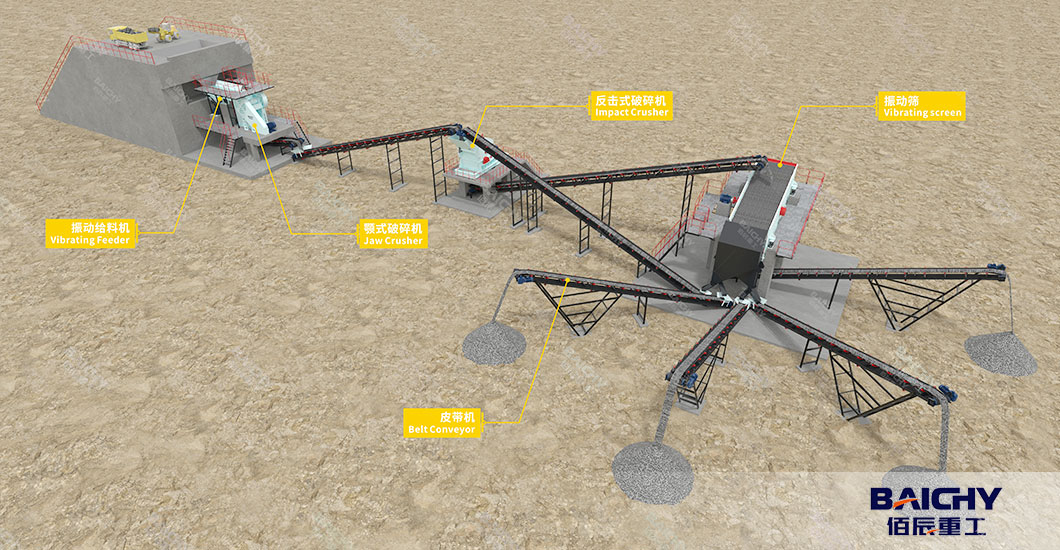
Core Equipment and Working Process
A complete quarry stone crushing plant consists of several key equipment systems. Each machine performs a specific function to ensure continuous and efficient production.
1. Feeding System: Vibrating Feeder and Hopper
● Function: Evenly and continuously transfers raw material from the hopper to the primary crusher.
● Key Feature: Built-in grizzly bars pre-screen fines and dirt, preventing blockages in downstream equipment.
● Capacity Range: 30-600 TPH.
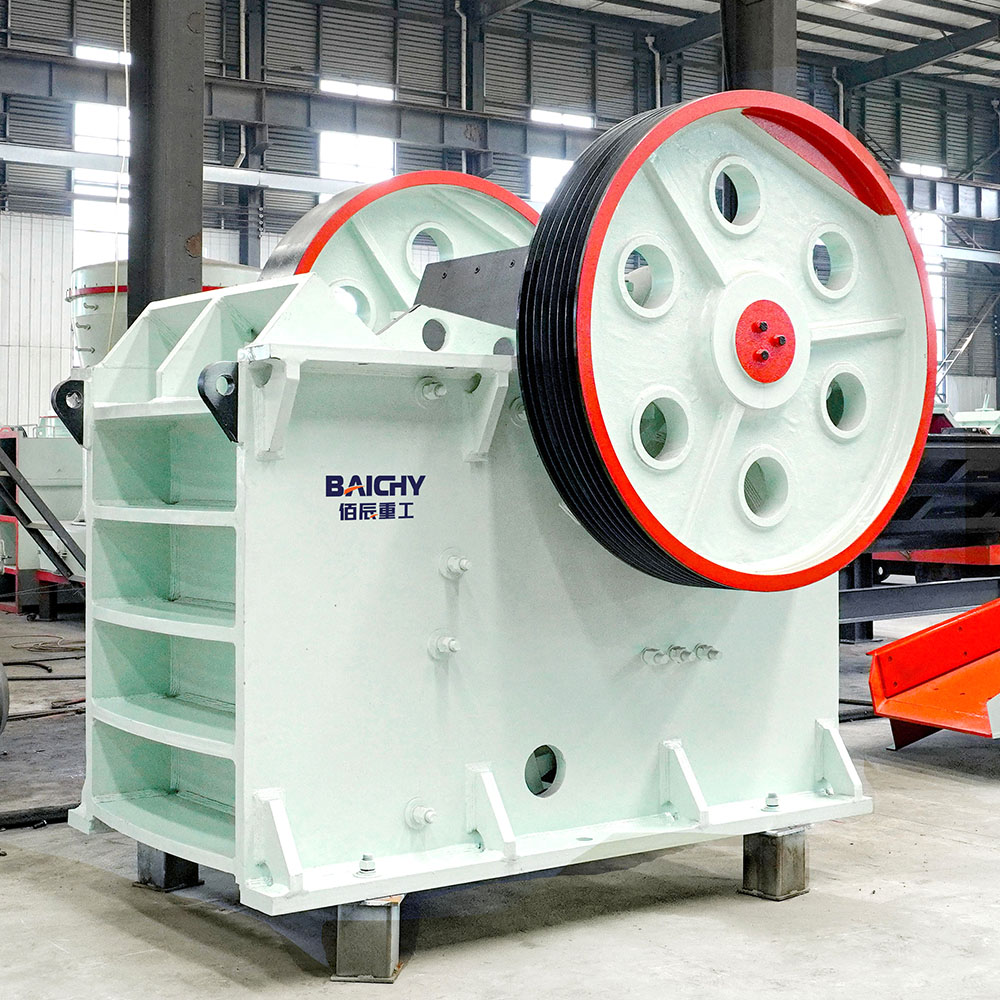
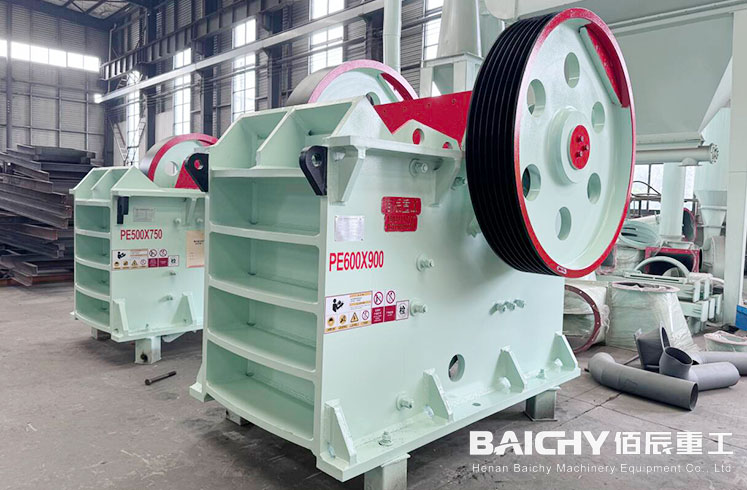
2. Primary Crushing: Jaw Crusher
● Function: The frontline workhorse that handles the initial impact of large, hard rocks.
● Operating Principle: Uses compression force between a fixed and moving jaw to break material.
● Benefits: Simple structure, high reliability, handles feed sizes up to 1000mm.
● Best For: All rock types during the primary crushing stage.
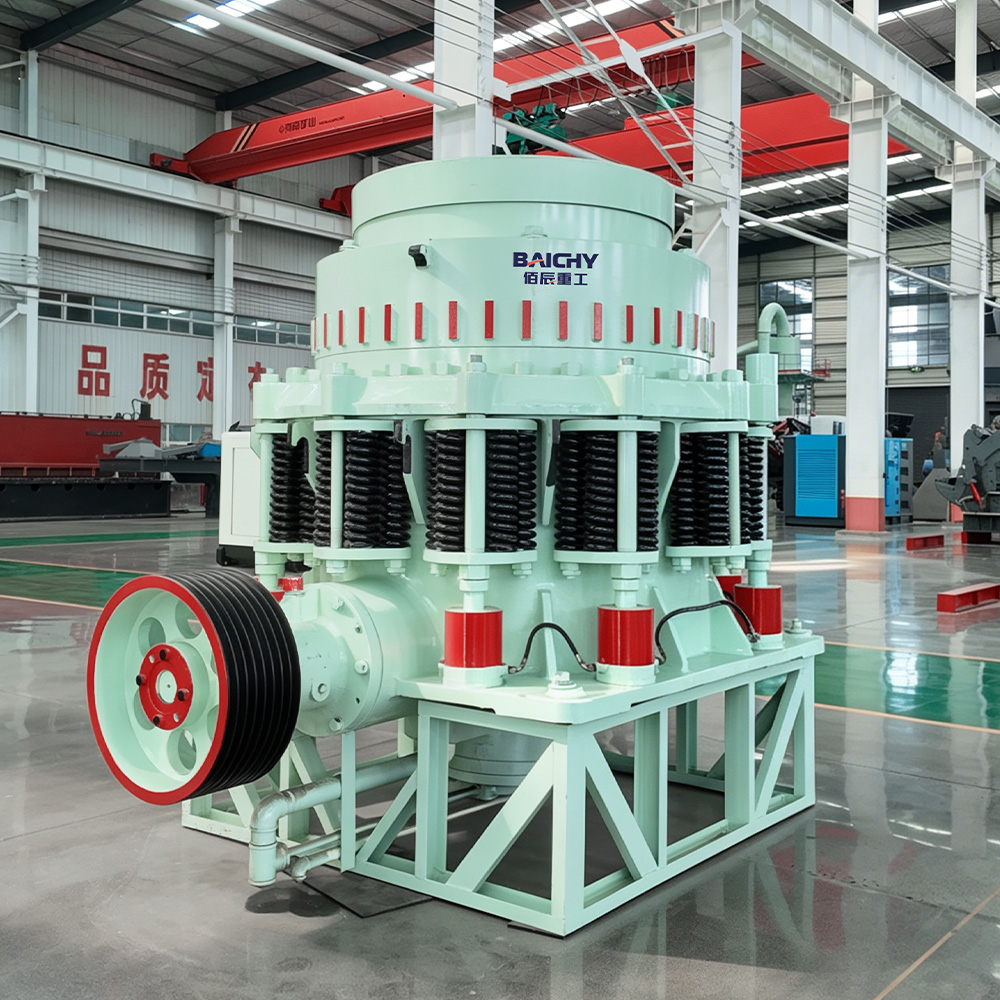
3. Secondary and Tertiary Crushing: Cone Crusher and Impact Crusher
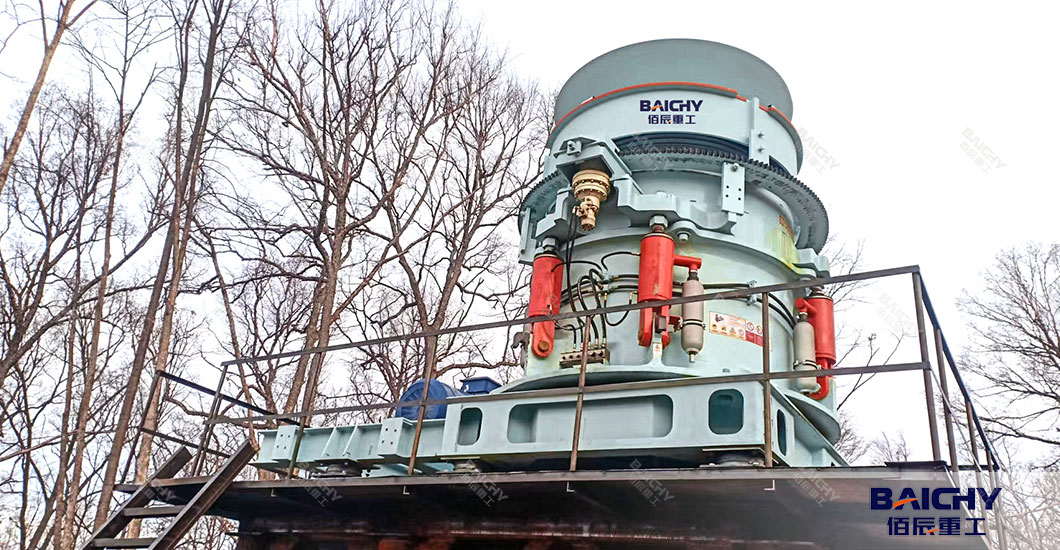
● Cone Crusher for Hard Rock Crushing
○ Function: Secondary or tertiary crushing for hard, abrasive materials.
○ Operating Principle: Lamination crushing—rock is compressed between a mantle and concave.
○ Benefits: Excellent for granite, basalt, and river pebble; lower wear part costs; produces well-shaped aggregates.
○ Best For: High-hardness materials requiring fine reduction.
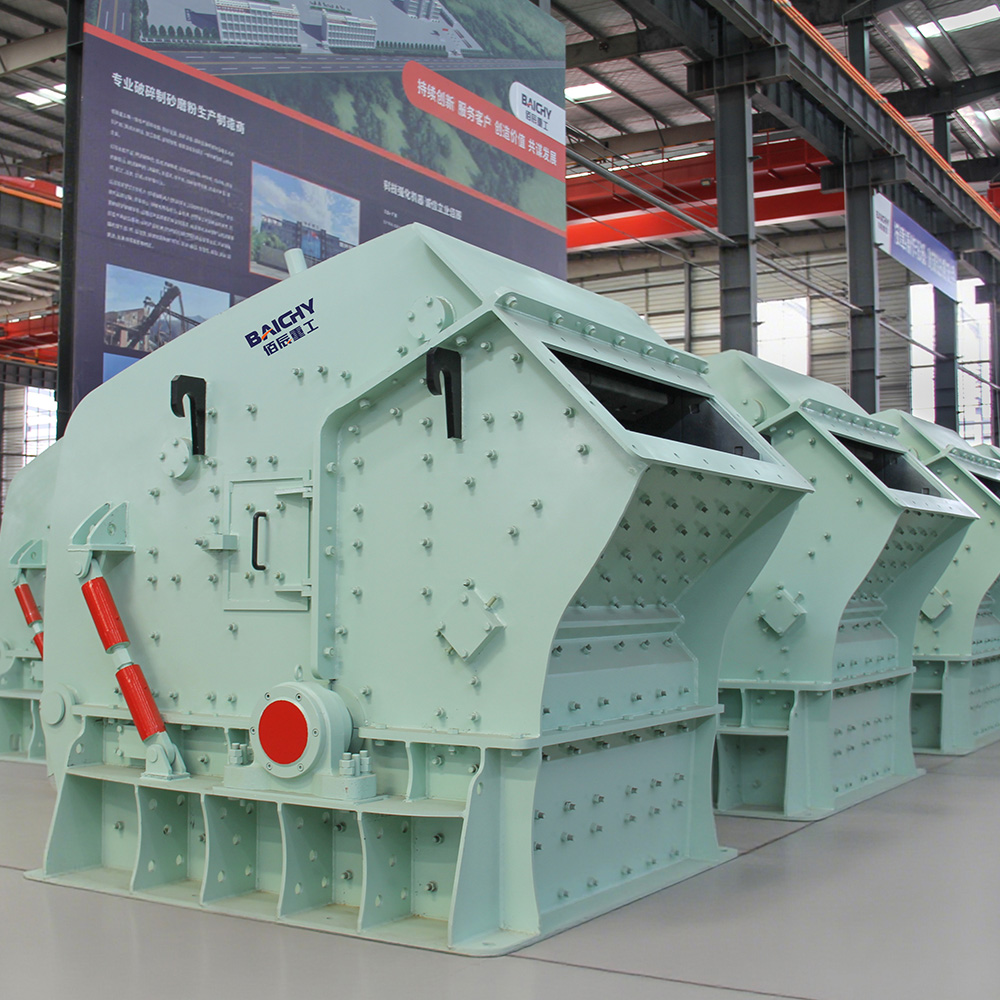
● Impact Crusher for Medium and Soft Rock
○ Function: Secondary crushing with exceptional shaping capability.
○ Operating Principle: Impact energy breaks rock along natural fault lines.
○ Benefits: High reduction ratio, excellent cubical shape, minimal flaky particles.
○ Best For: Limestone, dolomite, gypsum, and construction demolition waste.
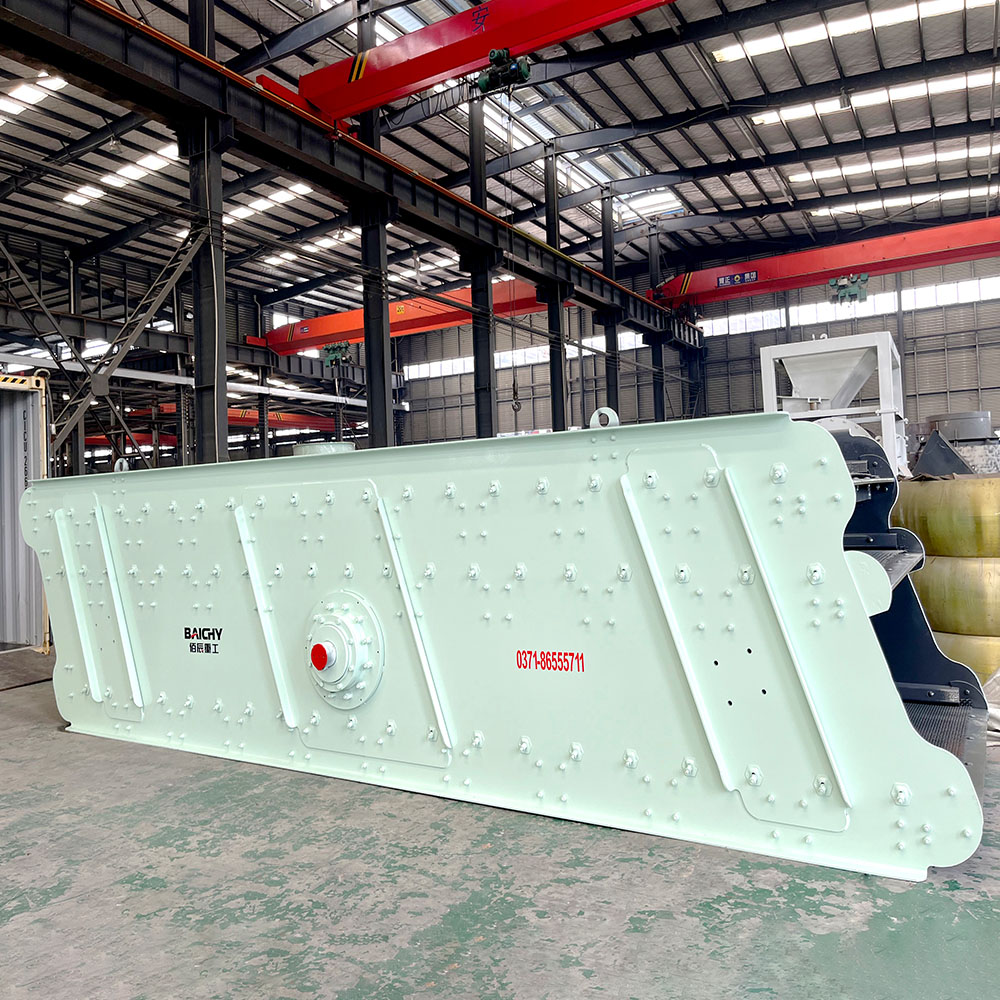
4. Screening System: Vibrating Screen
● Function: Classifies crushed material into multiple commercial size fractions.
● Typical Gradations: 0-5mm (manufactured sand), 5-10mm, 10-20mm, 20-30mm.
● Key Feature: Multi-deck design allows simultaneous production of 3-4 different products.
5. Conveying and Control System
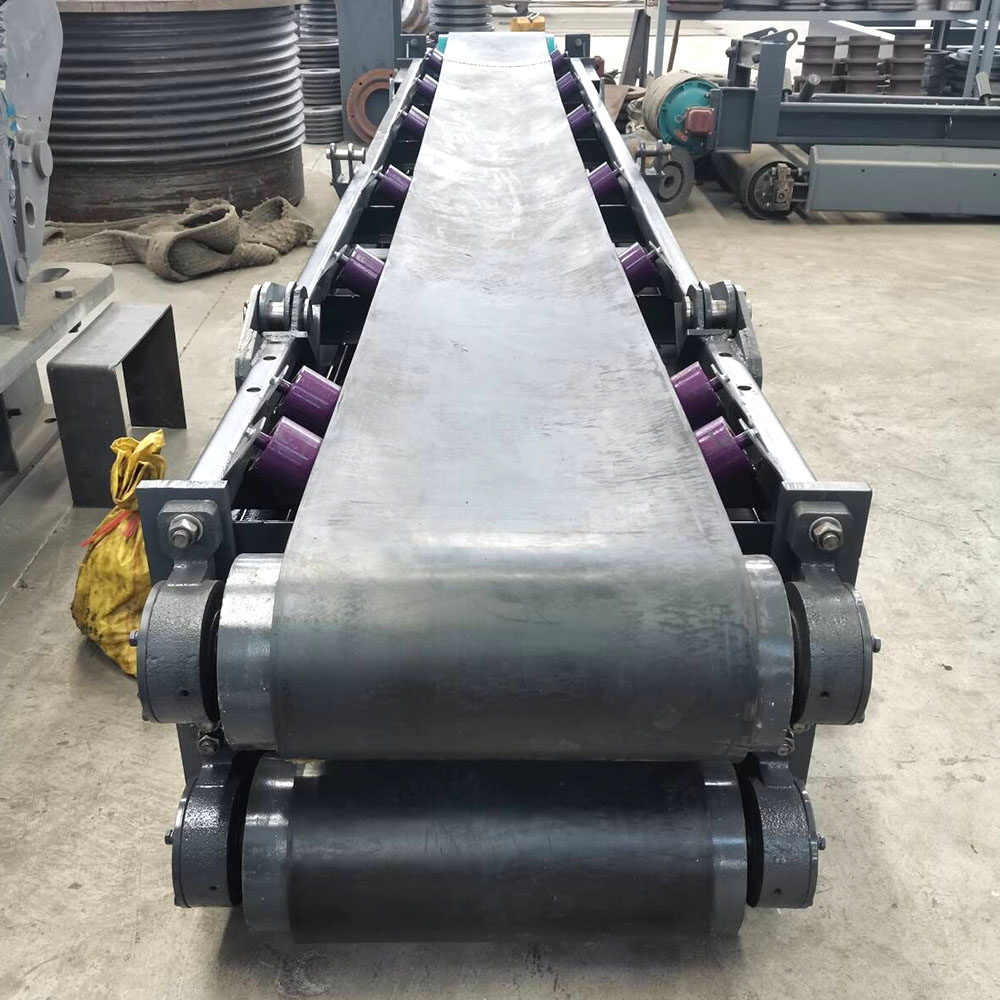
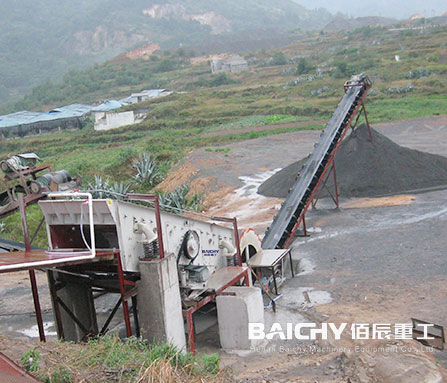
● Belt conveyors are used throughout the quarry crushing plant to transfer materials between different processing stages.
A well-designed conveyor system can:
○ Reduce material handling costs
○ Improve production efficiency
○ Create smoother material flow
● Modern crushing plants often use PLC centralized control systems to monitor equipment operation, adjust production parameters, and improve automation levels.
Core Equipment For Quarry Stone Crusher Plant
| Jaw crusher |
Impact crusher |
Cone crusher |
 |
 |
 |
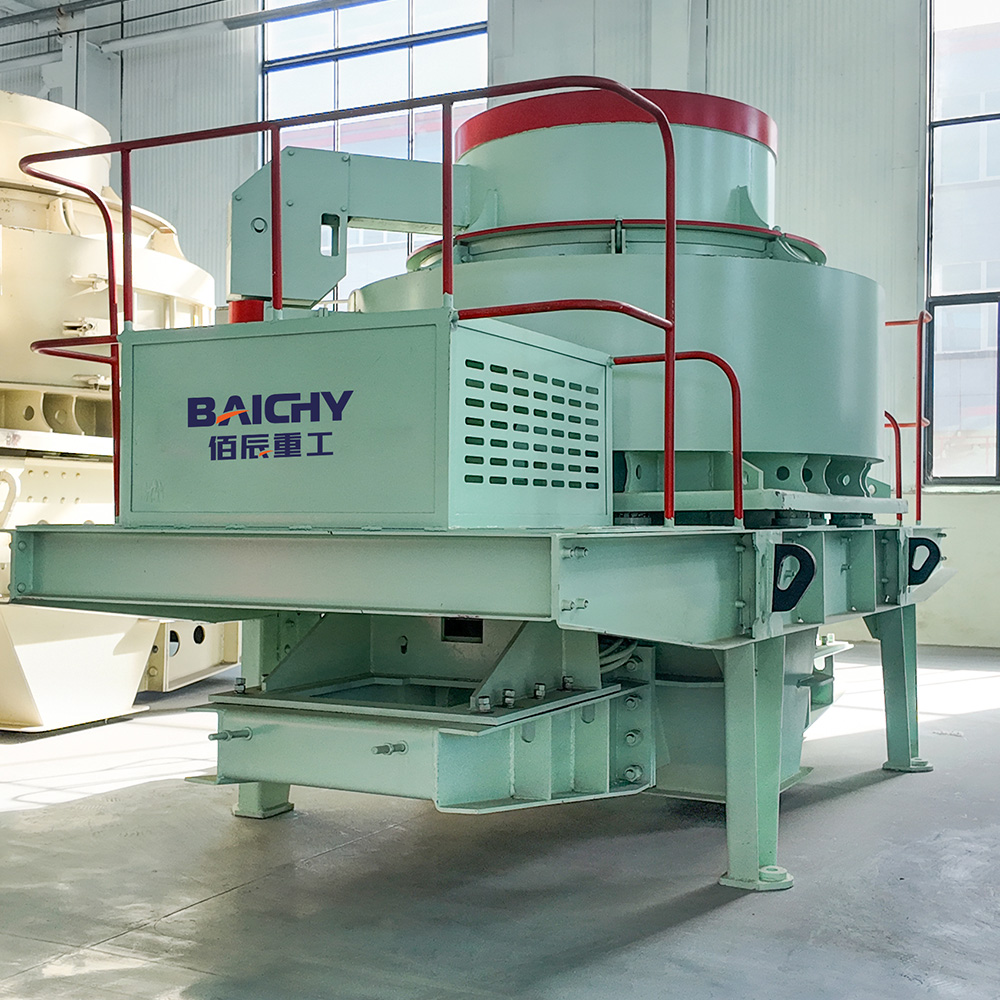
| VSI sand crusher |
Vibrating screen |
Belt conveyor |
 |
 |
 |
Choosing the Right Configuration for Your Quarry
Selecting the optimal crushing plant configuration requires evaluating production capacity, material hardness, and site characteristics. For production scale, manufacturers typically offer three tiers: small plants handling 50-150 TPH, ideal for startups and local projects with lower investment requirements; medium operations at 200-400 TPH, representing the industry "sweet spot" that balances capital expenditure with daily yield; and large-scale plants exceeding 500 TPH, engineered for 24/7 continuous operation at mega-quarries and national infrastructure projects.
Material hardness fundamentally determines equipment selection. For hard rocks like granite, basalt, and river pebble, the recommended configuration pairs a jaw crusher with a cone crusher. Cone crushers use lamination crushing principles, providing massive force while drastically reducing wear part costs—a critical advantage when processing abrasive materials. For soft and medium-hard rocks like limestone, dolomite, and gypsum, the optimal combination is a jaw crusher followed by an impact crusher. Impact crushers break rock along natural fault lines, delivering a high reduction ratio and exceptional cubical shaping that produces premium aggregates with minimal flaky particles, commanding top market prices.
How to Start a Stone Crushing Plant Project
Step 1: Market Research and Business Planning
Before investment, analyze:
● Local aggregate demand
● Competitor situation
● Product requirements
● Expected production capacity
A clear business plan helps determine the right plant scale and investment strategy.
Step 2: Site Selection and Raw Material Preparation
The quarry site should be close to sufficient raw material resources and have convenient transportation conditions.
Investors need to secure:
● Mining rights
● Raw material supply agreements
● Suitable land for plant construction
Step 3: Obtain Licenses and Environmental Approval
Necessary permits may include:
● Mining license
● Environmental Impact Assessment (EIA)
● Business registration
● Safety approvals
Completing these procedures is essential before construction begins.
Step 4: Choose a Reliable Equipment Manufacturer
Selecting an experienced crushing equipment manufacturer is one of the most important decisions.
A professional supplier should provide:
● Customized crushing solutions
● Process design
● 3D plant layout
● Complete equipment supply
● Installation guidance
● Technical support
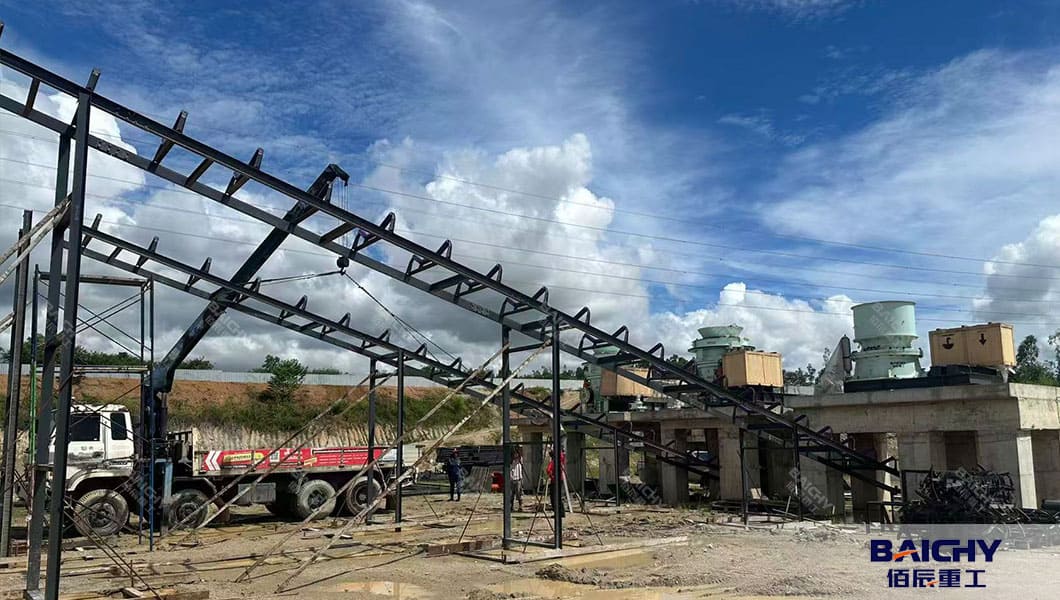
Step 5: Plant Construction and Commissioning
After equipment delivery, the project enters the construction stage.
Main activities include:
● Foundation construction
● Equipment installation
● Electrical connection
● Trial operation
● Operator training
After commissioning, the plant can gradually reach stable production capacity.
Building a successful quarry stone crushing plant requires comprehensive planning based on production capacity, raw material characteristics, site conditions, equipment selection, and environmental requirements. Whether you are planning a small 50 TPH crushing plant or a large 1000 TPH aggregate production system, choosing the right process design and reliable equipment supplier is essential for long-term profitability.
Before starting your project, provide information about your raw material, required capacity, final product sizes, and site conditions to a professional manufacturer. A customized crushing solution based on real project data can help reduce investment risks and create a more efficient aggregate production business. With experienced technical support and complete equipment solutions, Baichy Machinery can help investors design and build reliable quarry stone crushing plants with optimized performance and competitive operating costs.




 2026-09-18






 86-15093113821
 86-15093113821